Both oxidising and reducing agent are fundamental concepts in chemistry with far-reaching implications across various industries and everyday life. Understanding these agents is crucial for optimizing processes, ensuring safety, and driving innovation. From industrial manufacturing and environmental remediation to biological systems and energy storage, the principles governing both oxidising and reducing agent reactions underpin countless applications. Their importance extends beyond the laboratory, influencing global challenges related to sustainability, resource management, and technological advancement.
The effective application of both oxidising and reducing agent is increasingly vital for achieving sustainable development goals. The demand for cleaner production processes, efficient energy solutions, and innovative materials relies heavily on controlling and harnessing oxidation-reduction reactions. Furthermore, a comprehensive understanding of these agents is critical for addressing environmental concerns like pollution control and waste management, showcasing their global relevance in preserving ecological balance.
Ultimately, grasping the intricacies of both oxidising and reducing agent empowers us to develop more efficient technologies, safeguard our environment, and improve the quality of life for generations to come.
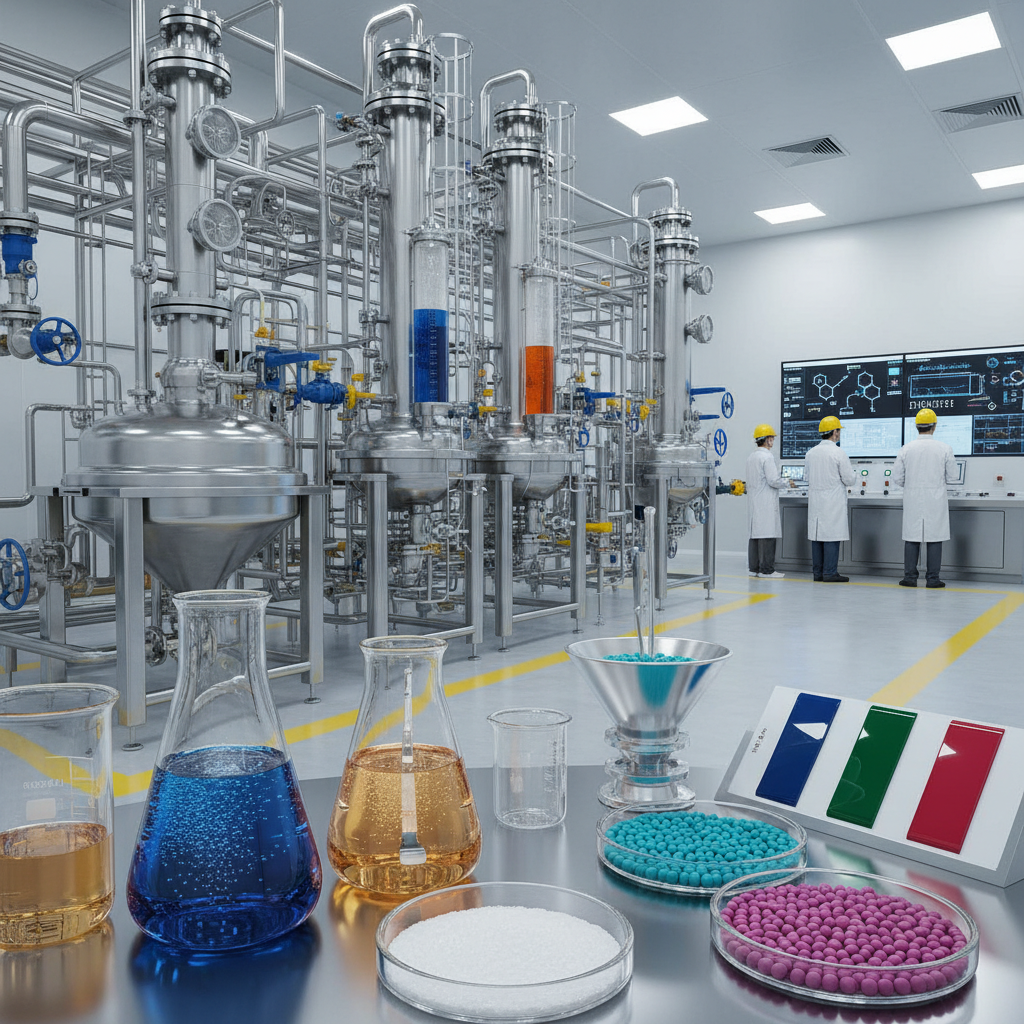
The Fundamental Nature of both oxidising and reducing agent
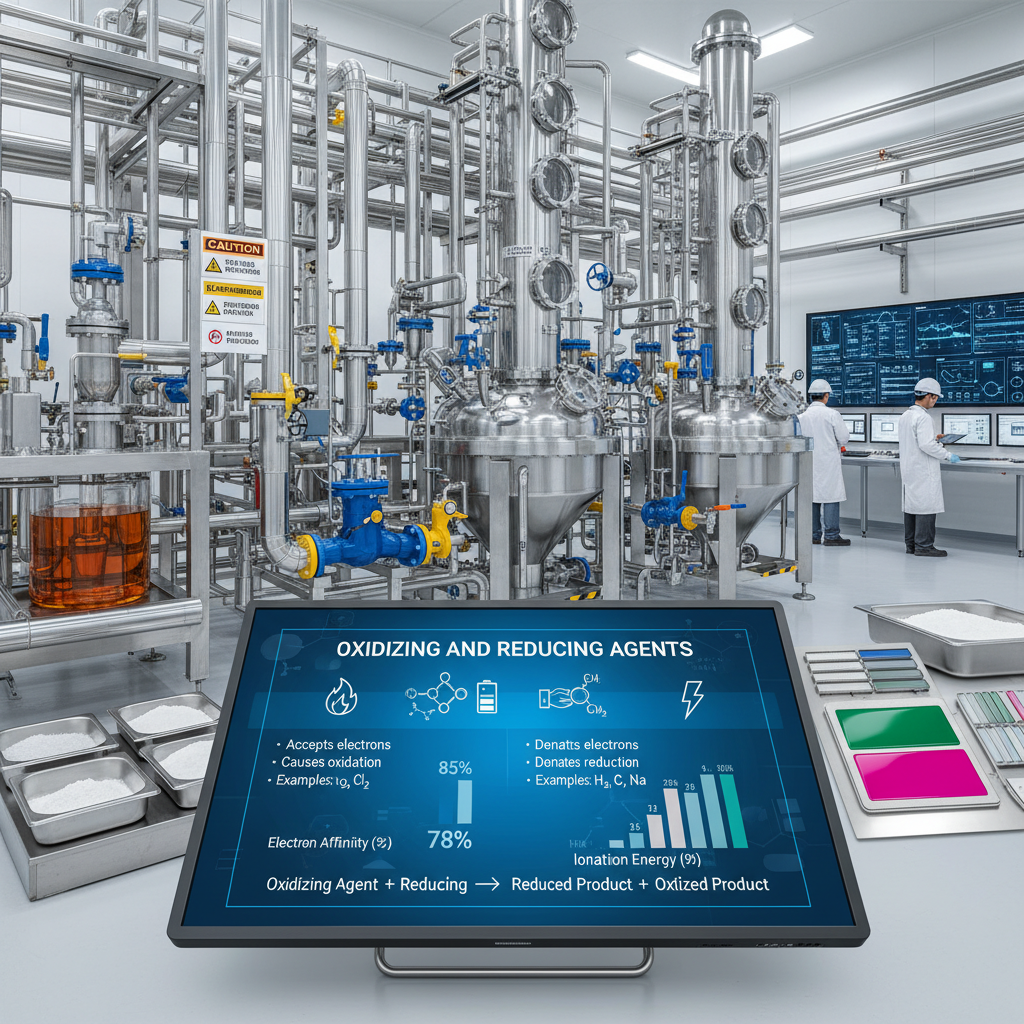
At its core, both oxidising and reducing agent involve the transfer of electrons between chemical species. An oxidising agent accepts electrons, causing another substance to be oxidized, while a reducing agent donates electrons, causing another substance to be reduced. This electron transfer is fundamental to a vast array of chemical reactions, providing the driving force behind energy production, material synthesis, and numerous industrial processes.
The significance of understanding both oxidising and reducing agent extends beyond theoretical chemistry; it’s a cornerstone of modern technological advancements. Consider, for instance, the development of batteries, fuel cells, and corrosion inhibitors – all rely on precise control of oxidation-reduction reactions to deliver desired performance and longevity. both oxidising and reducing agent are often used simultaneously.
The Interplay Between Oxidising and Reducing Agent in Modern Industry
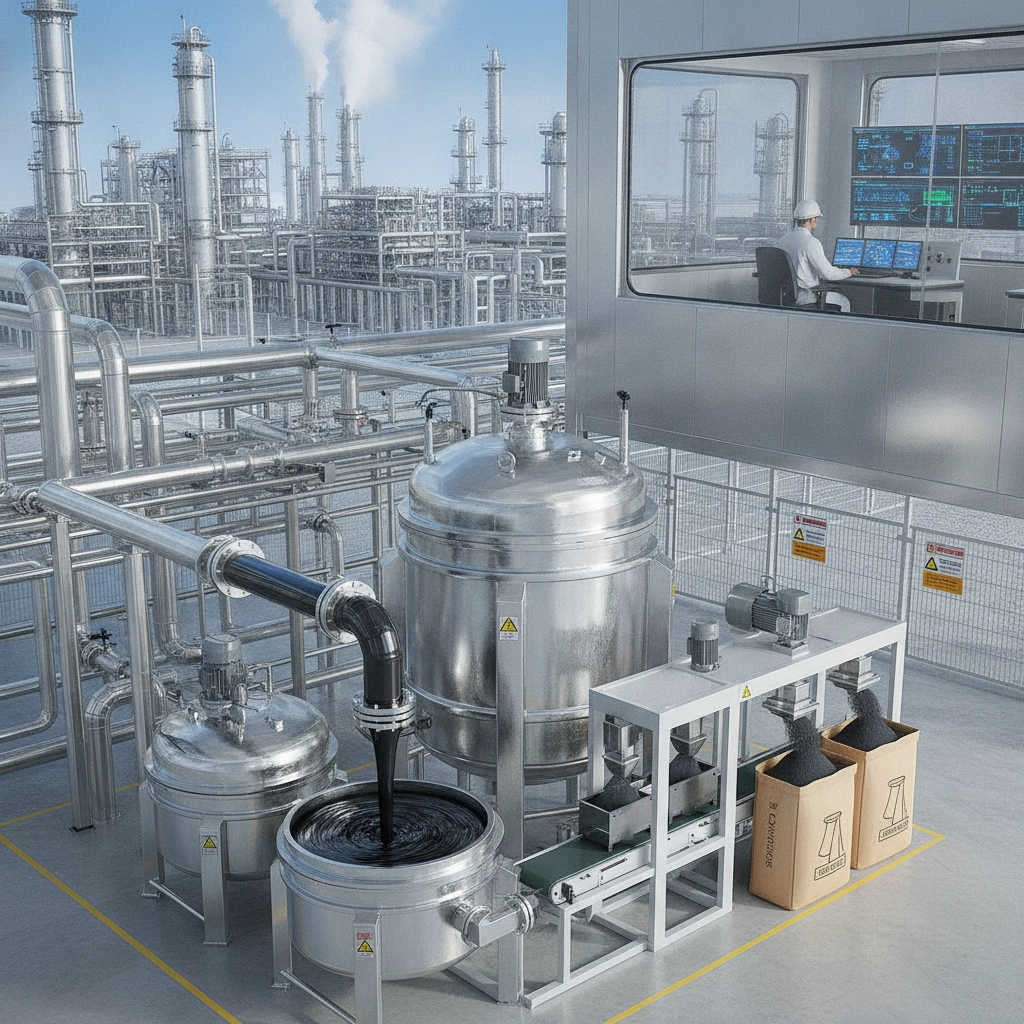
Modern industry heavily depends on the careful manipulation of both oxidising and reducing agent. In the manufacturing sector, controlled oxidation processes are used in the production of plastics, pharmaceuticals, and various chemical intermediates. Conversely, reduction reactions are critical in metal refining, the synthesis of ammonia for fertilizers, and the production of hydrogen gas as a clean energy carrier. The efficiency and sustainability of these processes are directly tied to the effectiveness of the oxidising and reducing agents employed.
The environmental sector also relies extensively on these agents. Wastewater treatment plants utilize oxidation to break down pollutants, while reduction processes are used to remove heavy metals and other harmful contaminants. Similarly, air pollution control technologies often employ oxidation catalysts to convert harmful emissions into less toxic substances, highlighting the crucial role of both oxidising and reducing agent in protecting our environment.
Furthermore, advancements in materials science are driven by our ability to engineer materials with specific oxidation-reduction properties. Corrosion-resistant alloys, high-strength polymers, and advanced catalysts all benefit from a deep understanding of how both oxidising and reducing agent interact with matter at the molecular level.
Key Characteristics Defining both oxidising and reducing agent Performance
Several key factors determine the effectiveness and suitability of both oxidising and reducing agent for specific applications. These include reactivity, selectivity, stability, and cost-effectiveness. Reactivity refers to the agent's inherent ability to accept or donate electrons, influencing the speed and completeness of the reaction. Selectivity is equally important, ensuring the agent targets the desired substance without causing unwanted side reactions.
Stability dictates how well the agent maintains its activity over time and under varying conditions. Degradation or decomposition can significantly reduce its performance. Cost-effectiveness is a crucial consideration for industrial applications, balancing performance with economic viability. both oxidising and reducing agent must be commercially feasible to implement on a large scale.
Beyond these core characteristics, environmental impact and safety are increasingly important considerations. The use of environmentally friendly oxidising and reducing agents, with minimal toxicity and waste generation, is paramount for sustainable practices. Safety protocols and handling procedures must also be carefully established to minimize risks associated with handling potentially hazardous materials.
Practical Applications of both oxidising and reducing agent Across Sectors
The applications of both oxidising and reducing agent are remarkably diverse. In the agricultural sector, nitrogen fertilizers rely on the reduction of atmospheric nitrogen, while pesticides often utilize oxidation reactions to control pests. The food industry employs oxidation to preserve food and enhance flavor, and reduction to control enzymatic browning.
In the energy sector, both oxidising and reducing agent play a pivotal role in battery technology, with oxidation-reduction reactions driving the flow of electricity. Fuel cells also leverage these reactions to generate clean energy from hydrogen and oxygen. Furthermore, the emerging field of hydrogen production relies on efficient reducing agents to split water into hydrogen and oxygen.
Comparative Efficiency of both oxidising and reducing agent Methods
Advantages and Long-Term Value Proposition of both oxidising and reducing agent
The strategic utilization of both oxidising and reducing agent offers a multitude of benefits. Improved process efficiency, reduced waste generation, and enhanced product quality are common outcomes. The ability to tailor reactions to specific requirements allows for optimization and cost savings, leading to increased profitability for businesses.
Looking towards the future, the sustainable advantages are even more compelling. By developing and employing environmentally benign oxidising and reducing agents, we can minimize our ecological footprint and promote a circular economy. This commitment to sustainability not only aligns with global environmental goals but also fosters a positive brand image and builds customer trust.
Future Trends Shaping the Landscape of both oxidising and reducing agent
Several exciting trends are poised to revolutionize the field of both oxidising and reducing agent. The development of novel catalysts, including nanomaterials and bio-inspired systems, promises to enhance reaction rates and selectivity while reducing energy consumption. Green chemistry principles are driving the search for safer, more sustainable oxidising and reducing agents derived from renewable resources.
Digitalization and automation are also playing an increasingly important role, with advanced monitoring and control systems enabling precise optimization of oxidation-reduction processes. These technologies facilitate real-time adjustments, minimizing waste and maximizing efficiency. The integration of artificial intelligence and machine learning will further accelerate innovation in this field.
Furthermore, the pursuit of efficient energy storage solutions, such as advanced batteries and fuel cells, will continue to drive research into novel materials and electrochemistry, heavily reliant on a profound understanding of both oxidising and reducing agent.
Challenges and Innovative Solutions in Applying both oxidising and reducing agent
Despite the numerous benefits, challenges remain in the widespread adoption of advanced both oxidising and reducing agent technologies. Cost considerations, scalability issues, and safety concerns can hinder implementation. The toxicity of certain oxidising and reducing agents and the generation of hazardous byproducts also pose significant challenges.
Innovative solutions are emerging to address these obstacles. The development of heterogeneous catalysts, which can be easily separated from reaction mixtures, reduces waste and simplifies purification. Microreactor technology allows for precise control of reaction conditions, enhancing safety and minimizing byproduct formation.
Moreover, ongoing research into alternative oxidising and reducing agents, derived from sustainable sources, is paving the way for greener and more environmentally friendly processes. Embracing these advancements is crucial for realizing the full potential of both oxidising and reducing agent in a sustainable and responsible manner.
Summary of Challenges and Solutions Regarding both oxidising and reducing agent Application
| Challenge |
Impact on both oxidising and reducing agent Application |
Proposed Solution |
Expected Outcome |
| High Cost of Catalysts |
Limits industrial scalability |
Development of earth-abundant catalyst materials |
Reduced overall process costs |
| Waste Generation |
Environmental concerns and disposal costs |
Implementation of closed-loop recycling systems |
Minimized waste and reduced environmental impact |
| Safety Hazards |
Risk of accidents during handling and processing |
Microreactor technology and automated control systems |
Enhanced safety and reduced risk of exposure |
| Low Selectivity |
Formation of undesirable byproducts |
Design of highly selective catalysts |
Improved product purity and yield |
| Scalability Issues |
Difficulty in transitioning from lab to industrial scale |
Process intensification and modular reactor designs |
Facilitated scale-up and efficient production |
| Environmental Toxicity |
Harmful effects on ecosystems and human health |
Development of biodegradable and bio-based agents |
Reduced environmental impact and improved sustainability |
FAQS
Working with strong both oxidising and reducing agent requires rigorous adherence to safety protocols. Oxidising agents pose fire and explosion risks, as they readily support combustion. Reducing agents can generate flammable gases upon contact with water or air. Proper ventilation, personal protective equipment (PPE), and careful handling procedures are essential to minimize these risks. Always consult safety data sheets (SDS) before handling any chemical.
Identifying both oxidising and reducing agent involves understanding their chemical properties. Oxidising agents typically contain elements in high oxidation states (e.g., oxygen, chlorine, potassium permanganate), while reducing agents contain elements in low oxidation states (e.g., hydrogen, metals, sodium borohydride). Consulting a chemical's SDS or oxidation state diagram can provide definitive information. Observing reaction behavior can also offer clues.
pH significantly influences the outcome of oxidation-reduction reactions. Many redox reactions are pH-dependent, meaning their rate and equilibrium position are affected by the acidity or alkalinity of the solution. The pH can alter the availability of protons (H+) and hydroxide ions (OH-), which participate in electron transfer processes. Controlling pH is often crucial for optimizing reaction conditions.
Catalysts accelerate both oxidising and reducing agent reactions by lowering the activation energy required for the electron transfer process. They provide an alternative reaction pathway with a lower energy barrier, without being consumed in the reaction themselves. Different catalysts exhibit varying degrees of selectivity and efficiency depending on the specific reaction and conditions.
Yes, research is actively focused on developing environmentally friendly alternatives. Examples include using hydrogen peroxide (H2O2) as a 'green' oxidising agent and employing bio-based reducing agents derived from renewable sources. Electrochemical methods, which utilize electricity to drive redox reactions, also offer a sustainable approach. These alternatives aim to minimize pollution and reduce reliance on hazardous chemicals.
Safe disposal of unused both oxidising and reducing agent requires following strict environmental regulations and laboratory protocols. Never pour these chemicals down the drain. Instead, consult your institution’s safety officer or a hazardous waste disposal service. Neutralization may be required before disposal, but this should only be performed by trained personnel.
Conclusion
In summary, both oxidising and reducing agent represent a cornerstone of modern chemistry and play a critical role in diverse industries, from manufacturing and energy to environmental protection and healthcare. Their understanding is fundamental for optimizing processes, promoting sustainability, and driving innovation. The principles governing electron transfer underpin countless applications, contributing to technological advancements and addressing global challenges.
Looking ahead, the development of environmentally benign oxidising and reducing agents, coupled with advancements in catalysis and automation, promises a more sustainable and efficient future. Continued research and development in this field are essential for unlocking new possibilities and harnessing the full potential of both oxidising and reducing agent to benefit society. Visit our website to learn more: www.dyeingchem.com.