High-Performance dye auxiliaries for Mongolia's Textile Industry

Optimizing fabric processing with advanced chemical solutions tailored for the unique climatic conditions of Asia - Mongolia.

High-Performance dye auxiliaries for Mongolia's Textile Industry

Providing specialized chemical agents that ensure superior color fixation and fabric durability for Mongolian textile manufacturers.

Textile Chemical Landscapes in Asia - Mongolia

Analyzing the operational challenges of textile processing in a landlocked, extreme climate.

In Mongolia, the textile industry is heavily influenced by the abundance of cashmere and wool. However, the extreme temperature fluctuations and arid climate pose significant challenges to the stability of textile auxiliaries chemicals, requiring formulations that remain effective under harsh storage and processing conditions.

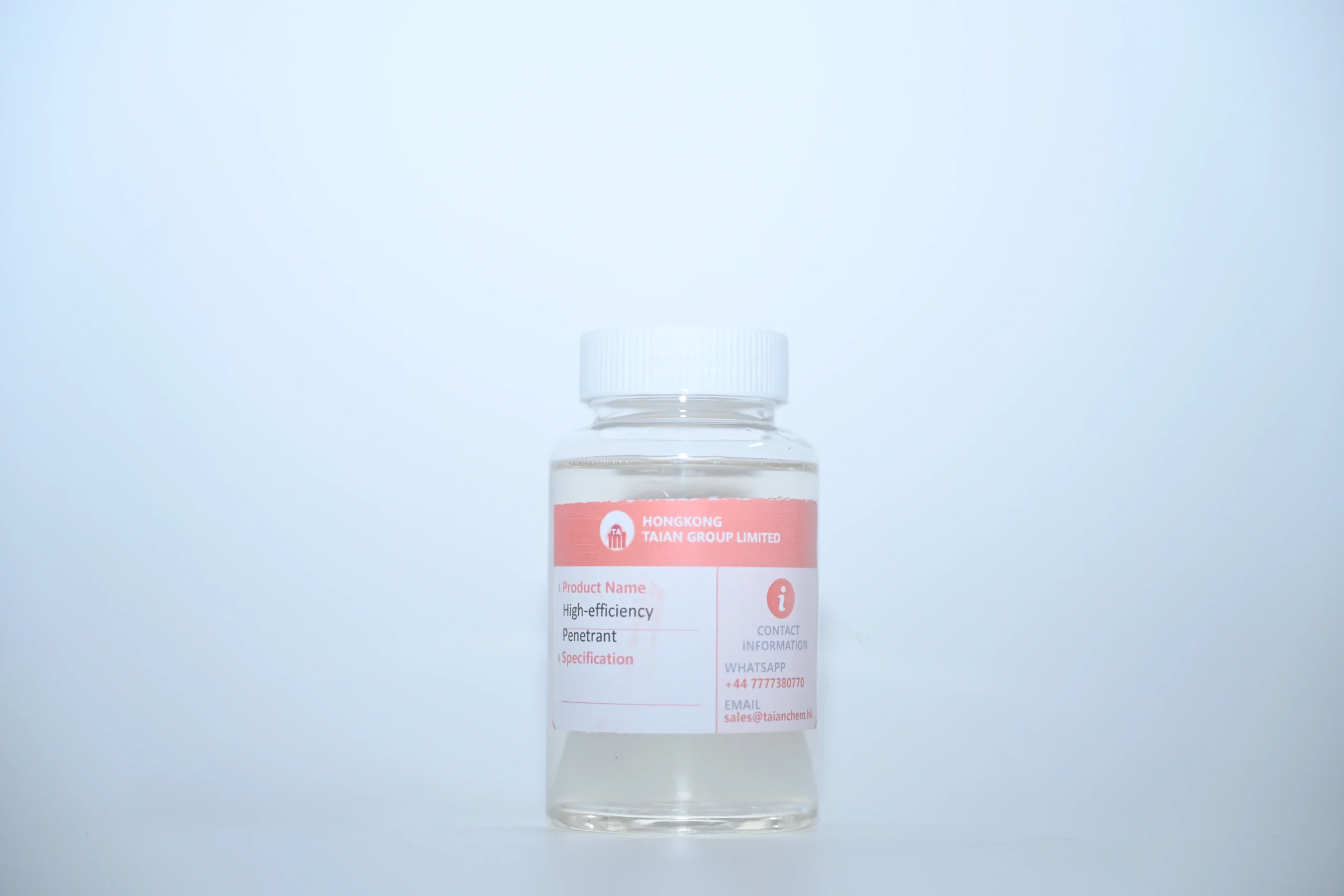
The local market has traditionally relied on basic dyeing methods, but there is a growing demand for precision. The integration of high-quality penetrating agent solutions is now critical to ensuring uniform dye uptake in dense wool fibers, preventing streaking and uneven coloration common in local artisanal production.

Environmental regulations in Mongolia are tightening, pushing factories to move away from hazardous substances. This shift is driving the adoption of eco-friendly oxidizing agent reducing agent systems that reduce water pollution while maintaining the high stripping efficiency required for industrial-scale textile recycling.
Evolution of Textile Auxiliaries in Mongolia

From traditional wool dyeing to modern chemical precision.

Market Development History

From 1990 to 2005, Mongolia's textile sector relied primarily on crude chemical imports and traditional dyeing techniques. The use of basic sulfur black was prevalent for heavy-duty fabrics, though consistency was often poor due to a lack of stabilizing auxiliaries.

Between 2006 and 2018, the industry transitioned toward "Standardized Chemistry." Factories began implementing controlled dosing systems, integrating specialized agents to handle the high alkalinity and mineral content of local water sources, which significantly improved dye affinity.

Since 2019, the focus has shifted toward "Sustainable Performance." The industry has integrated advanced molecular engineering, utilizing targeted chemicals that allow for lower temperature dyeing, reducing the energy burden in Mongolia's freezing winters.

Future Development Trends

Bio-Based Auxiliaries

A move toward biodegradable chemicals to protect the fragile Mongolian steppe ecosystem, replacing petroleum-based surfactants with organic alternatives.

Digital Chemical Dosing

The implementation of IoT-driven dosing for textile auxiliaries to minimize waste and ensure 100% repeatability in color batches.

Low-Water Processing

Developing anhydrous or low-liquor ratio chemicals to combat water scarcity in the Gobi region.

Industry Outlook and Future Projections

Forecasting the shift toward green chemistry and precision manufacturing.

Eco-Friendly Synthesis
Shift toward ZDHC compliance and the elimination of harmful APEOs in all textile processing agents.
Smart Fiber Affinity
Developing auxiliaries that adapt to the varying porosity of cashmere and sheep wool.
Cold-Water Efficiency
Engineering surfactants that maintain solubility and activity at temperatures below 10°C.
Waste Recovery Systems
Integrating chemicals that facilitate the recovery of dyes from effluent streams.

Industry Outlook

Based on Google search trends for "sustainable dyeing" and "wool processing chemicals" in Central Asia, we anticipate a 15% annual increase in demand for high-efficiency dye auxiliaries that reduce carbon footprints.

The synergy between Mongolian raw material quality and advanced chemical engineering will likely move the region from a raw exporter to a high-value textile hub, provided that the chemical infrastructure evolves toward automation and green standards.

Localized Application Scenarios in Mongolia

Real-world solutions for Mongolia's specific textile challenges.

1. Premium Cashmere Degreasing

Utilizing high-penetration agents to remove natural lanolin from raw cashmere fibers without damaging the delicate protein structure, ensuring a clean base for dyeing.

2. Industrial-Grade Black Denims

Applying stabilized sulfur black processes for heavy-duty cotton and blended fabrics used in Mongolian outerwear, ensuring deep penetration and wash-fastness.

3. Winter-Proof Color Fixing

Implementing specialized fixing agents that prevent dye migration during the extreme freeze-thaw cycles encountered during transportation across the Mongolian plateau.

4. Wool Textile Stripping

Using precise oxidizing agent reducing agent combinations to strip incorrect dyes from high-value wool garments for reprocessing.

5. High-Mineral Water Pre-treatment

Applying sequestering agents to neutralize the high calcium and magnesium levels of local water, preventing precipitates from affecting the final fabric shade.

Brand Story

Global Development History of Shijiazhuang Taikun Chemicals Co., Ltd.

Foundational Innovation

Started with a mission to bridge the gap between raw chemical synthesis and practical textile application, focusing on stability and purity.

Market Expansion

Expanded our footprint across Asia, tailoring our formulations to suit the diverse water conditions and fiber types of different regions.

Technical Breakthroughs

Developed proprietary catalysts that increased the efficiency of dye uptake, significantly reducing the amount of water required per batch.

Sustainability Pivot

Invested heavily in R&D to replace traditional hazardous auxiliaries with eco-friendly alternatives, aligning with global ZDHC standards.

Global Leadership

Now recognized as a leader in specialty textile chemicals, providing end-to-end solutions for the world's most demanding textile markets.

Complete Product Portfolio for Asia - Mongolia

A comprehensive range of chemicals engineered for durability and vibrancy.

Frequently Asked Questions in Mongolia

Expert answers to common textile chemical challenges in the region.

How to maintain the stability of textile auxiliaries chemicals during Mongolian winters?

We recommend using temperature-controlled storage and our specialized stabilized formulations that prevent crystallization at low temperatures.

Which penetrating agent is best for high-density cashmere wool?

Our low-foaming, high-diffusion penetrating agents are specifically designed to enter the tight scales of cashmere fibers for uniform dyeing.

Can sulfur black be used on wool blends in Mongolia?

Yes, but it requires a precise pH-regulating auxiliary to prevent the fiber from becoming brittle, which we provide in our combined kits.

How do oxidizing agent reducing agent systems help in textile recycling?

They allow for the efficient removal of old dyes from recycled wool, returning the fabric to a "blank canvas" for re-dyeing.

Are your dye auxiliaries compatible with local hard water?

Our products include integrated chelating agents that neutralize mineral interference, ensuring consistent shades regardless of water hardness.

What is the lead time for shipping chemicals to Mongolia?

We utilize optimized logistics corridors to ensure timely delivery, with specific packaging to withstand long-distance rail and road transport.

Get Expert Chemical Consulting

Ready to optimize your textile production in Mongolia? Our engineers are here to help you select the perfect chemical combination.

Contact Us Now

If you are interested in our products, you can choose to leave your information here, and we will be in touch with you shortly.