Advanced dye auxiliaries Solutions for Morocco's Textile Industry

Enhancing fabric quality and production efficiency across Moroccan textile hubs with high-performance chemical agents tailored for North African climates.

Advanced dye auxiliaries Solutions for Morocco's Textile Industry

Providing the Moroccan textile sector with specialized textile auxiliaries chemicals to optimize dyeing processes, improve color fastness, and reduce water consumption in regional manufacturing plants.

Current Landscape of Morocco's Textile Chemical Sector

Analyzing the intersection of Mediterranean climatic demands and industrial textile chemistry.

The textile industry in Morocco, particularly in cities like Casablanca and Tangier, faces unique challenges due to the high mineral content of local water sources. This requires the precise application of a penetrating agent to ensure uniform dye uptake and prevent spotting on diverse fabrics, from traditional linens to modern synthetics.

Economically, Morocco is shifting toward high-value-added garment exports to the EU. This transition necessitates a move away from basic chemicals toward specialized textile auxiliaries chemicals that meet strict European ecological standards, such as OEKO-TEX, forcing local factories to upgrade their chemical inventories.

Furthermore, the demand for deep shades in home textiles has led to a sustained reliance on sulfur black. However, the industry is currently struggling to balance the intensity of these dyes with the need for sustainable wastewater treatment, creating a gap for more efficient chemical stabilizers.
Evolution and Trajectory of Textile Chemistry in Morocco

From traditional dyeing methods to precision chemical engineering.

Market Development History

Prior to the 2000s, the Moroccan market relied heavily on generic bulk chemicals. Dyeing was largely a manual process with inconsistent results, using basic salts and alkalis without the support of sophisticated dye auxiliaries, leading to high waste rates.

Between 2010 and 2020, the "Industrial Acceleration Plan" introduced automated dyeing machinery. This era saw the introduction of precise oxidizing agent reducing agent systems to control the redox potential during vat and sulfur dyeing, significantly improving color consistency.

Today, the market is entering a "Green Chemistry" phase. There is a systemic shift toward biodegradable agents and low-temperature processing chemicals to reduce the carbon footprint of Moroccan textile exports to the global market.

Future Development Trends

Digital Chemical Dosing

Integration of IoT sensors to monitor dye bath concentrations in real-time, optimizing the use of textile auxiliaries chemicals to minimize chemical runoff.

Water-Saving Bio-Agents

Development of enzyme-based penetrating agents that allow for rapid wetting at lower temperatures, reducing the energy costs associated with heating water in Moroccan facilities.

Eco-Friendly Sulfur Alternatives

Migration toward low-sulfur or sulfur-free black dyes and specialized auxiliaries to simplify the effluent treatment process in industrial zones.

Industry Outlook and Strategic Forecast

Predicting the 2025-2030 roadmap for Morocco's chemical textile application.

Sustainable Chemistry Transition
Rapid adoption of ZDHC (Zero Discharge of Hazardous Chemicals) standards across Moroccan dye houses.
Efficiency Automation
Transitioning from manual mixing to computerized delivery of dye auxiliaries.
Resource Optimization
Developing high-concentration agents to reduce transportation costs and storage footprints in North Africa.
Advanced Fiber Compatibility
Specialized agents for recycled polyester and organic cotton blends becoming dominant in Morocco.

Industry Outlook

Based on search trends and industrial data, the Moroccan market is pivoting toward "Circular Textiles." This means that the future of textile auxiliaries chemicals will be defined by their ability to be easily removed during recycling processes without degrading the original fiber.

We anticipate a significant increase in the demand for precision oxidizing agent reducing agent combinations that allow for shorter dyeing cycles, directly addressing the rising energy costs in the Maghreb region.

Localized Application Scenarios in Morocco

Real-world implementations of specialty chemicals in North African textile manufacturing.

1. Denim Production in Casablanca

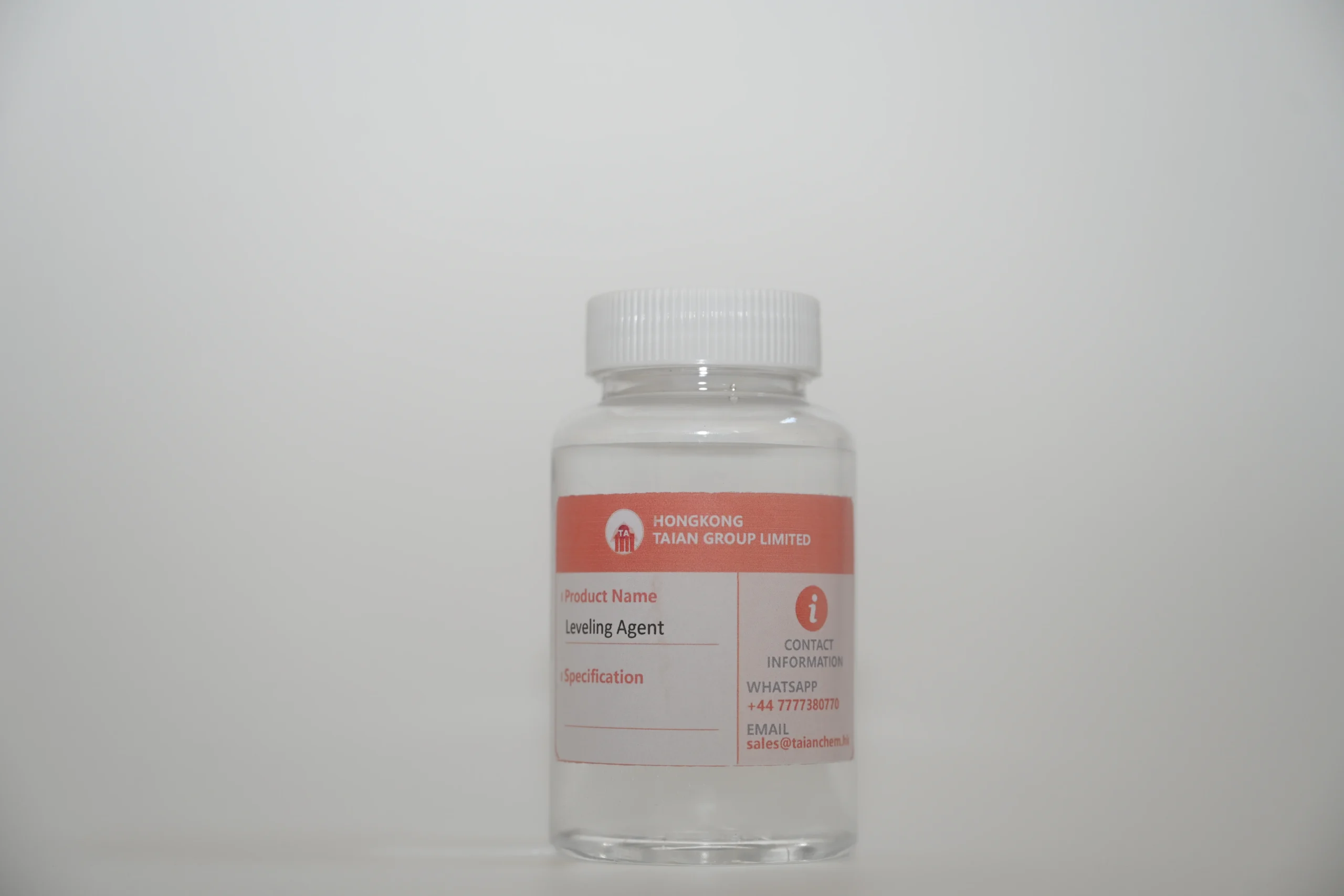
Using high-efficiency sulfur black paired with specialized leveling agents to achieve deep, consistent indigo and black shades for the European export market.

2. High-End Linen Treatment in Fez

Application of a premium penetrating agent to overcome the natural hydrophobicity of raw linen, ensuring vibrant colors and soft hand-feel.

3. Synthetic Sportswear in Tangier

Utilizing advanced dye auxiliaries to ensure high color fastness and sweat-resistance for athletic apparel manufactured in Free Trade Zones.

4. Industrial Workwear Dyeing

Implementing precision oxidizing agent reducing agent cycles to ensure that heavy-duty fabrics maintain color integrity under harsh industrial washing conditions.

5. Eco-Textile Certification Projects

Integrating a full suite of GOTS-compliant textile auxiliaries chemicals to help local factories achieve global organic certification.

Brand Story

Global Development Journey of Shijiazhuang TaiKun Chemical Co., Ltd.

Foundation and Technical Roots

Established as a specialized research unit focusing on the synthesis of high-purity textile chemicals to solve the most common dyeing defects.

Innovation in Redox Chemistry

Developed a proprietary line of redox agents that revolutionized the stability of sulfur and vat dyeing processes globally.

Expansion into North Africa

Strategically entered the Moroccan market to provide localized technical support and customized chemical formulations for Maghreb factories.

Commitment to Green Chemistry

Invested in R&D to replace hazardous substances with biodegradable alternatives, aligning with EU and African environmental mandates.

Global Leadership Vision

Becoming the primary partner for textile mills seeking to balance industrial performance with ecological responsibility.

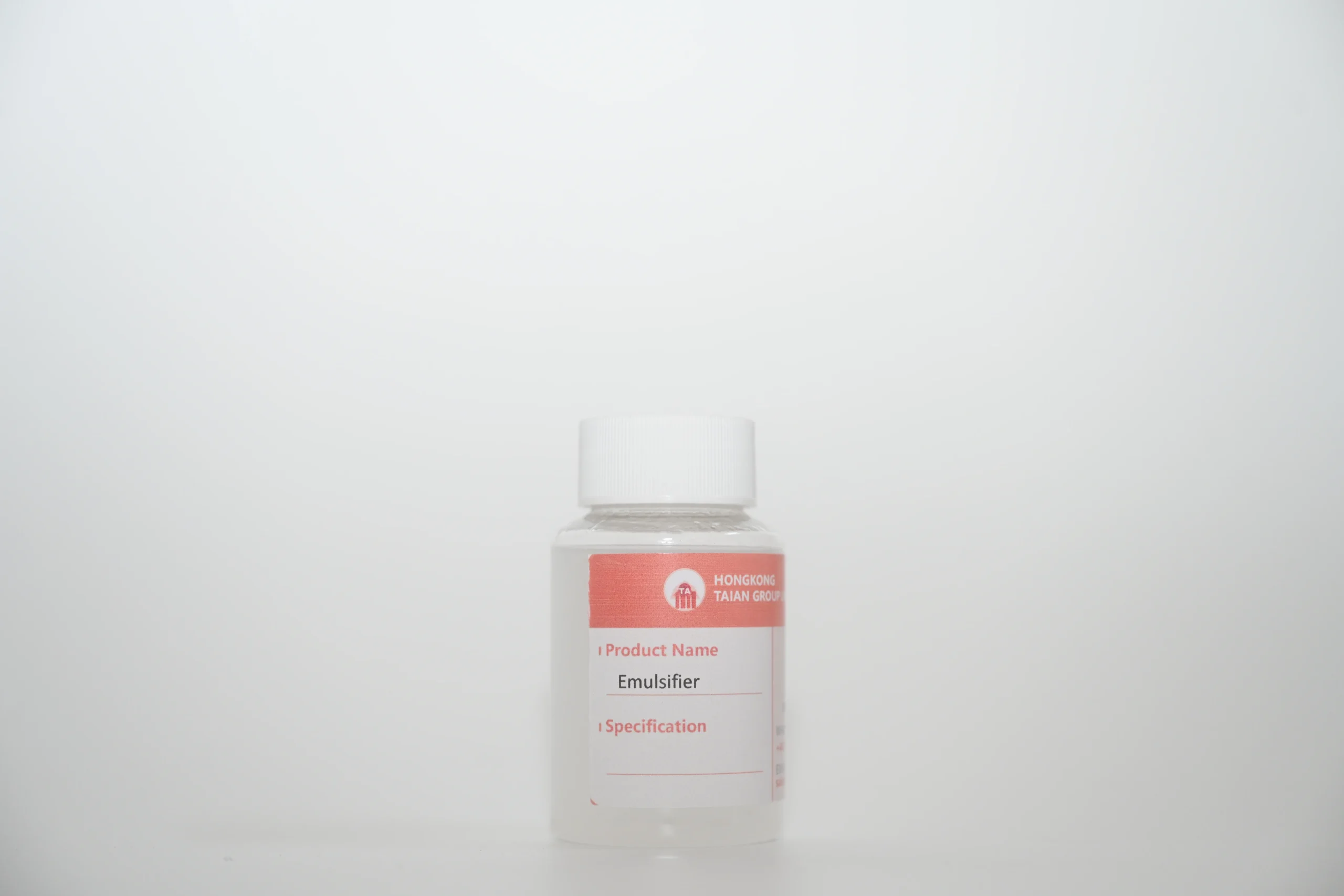
Comprehensive Product Portfolio for the Moroccan Market

Integrated chemical solutions from pre-treatment to final finishing.

Frequently Asked Questions for Morocco Textile Producers

Technical guidance and compliance answers for regional manufacturers.

How to improve dye penetration in hard water regions of Morocco?

Using a high-performance penetrating agent specifically formulated for high-calcium water can lower surface tension and ensure uniform dye distribution across the fabric.

What is the best way to stabilize sulfur black dyeing?

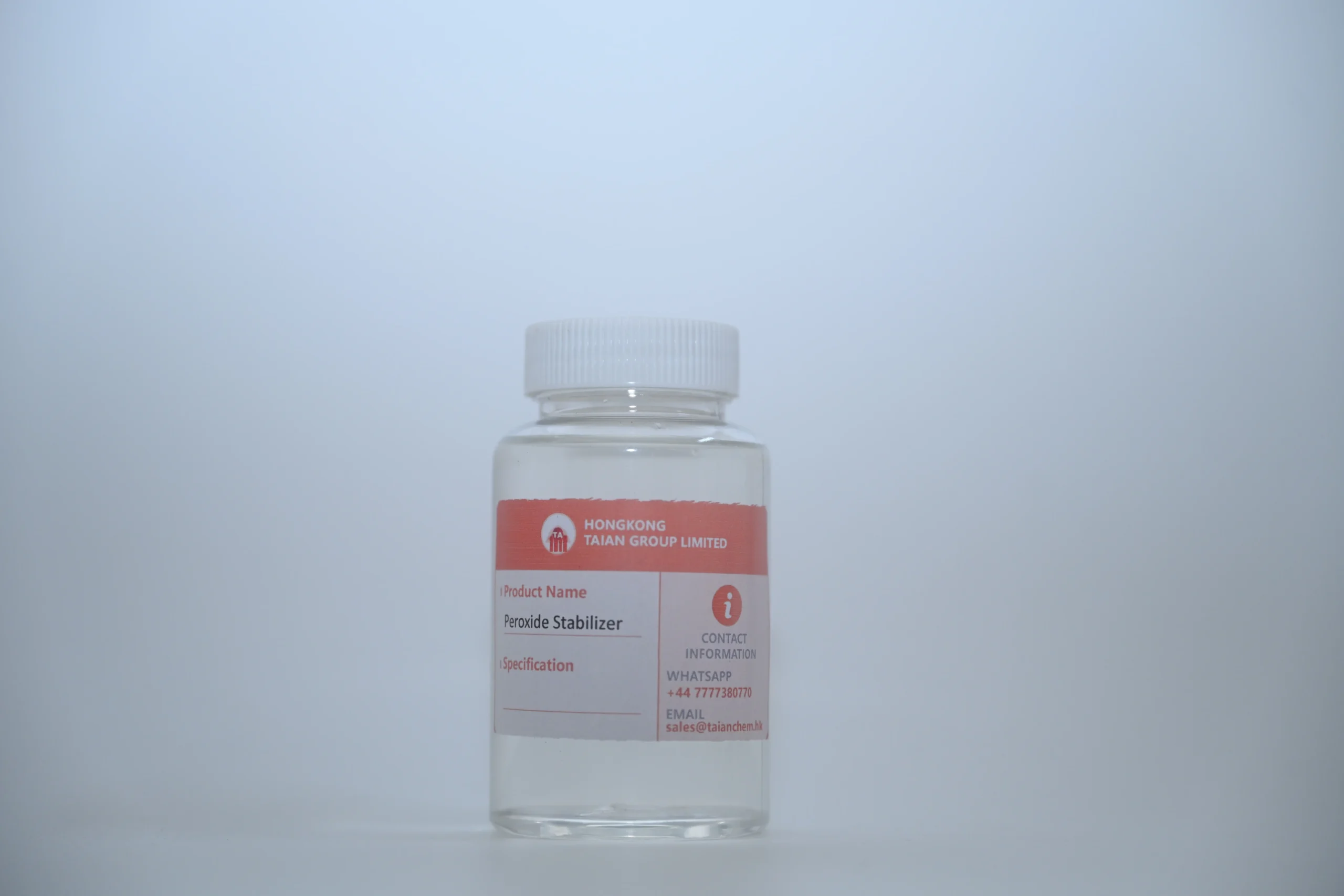
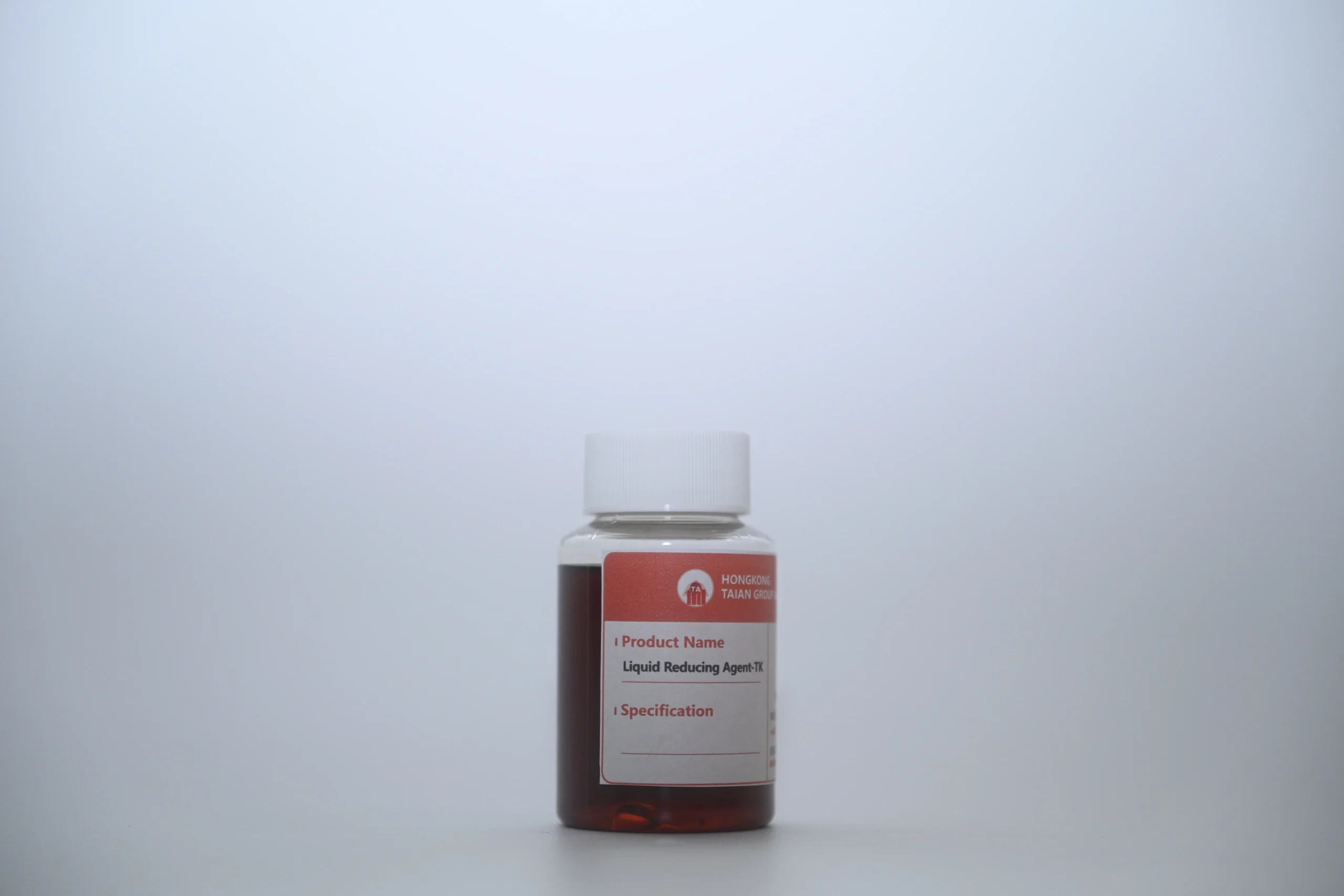
To stabilize sulfur black, it is critical to maintain a precise pH and use a balanced oxidizing agent reducing agent system to ensure complete reduction and subsequent oxidation of the dye.

Are your textile auxiliaries chemicals compliant with EU REACH standards?

Yes, all our textile auxiliaries chemicals are manufactured to meet or exceed REACH and OEKO-TEX standards, ensuring Moroccan exports are compliant with European laws.

How do dye auxiliaries reduce water consumption in the dyeing cycle?

Advanced dye auxiliaries increase the exhaustion rate of the dye, meaning more color attaches to the fabric and less is wasted in the water, reducing the number of rinse cycles required.

Can these chemicals be used for recycled polyester blends?

Absolutely. Our modern chemical range is designed for blended fibers, providing the necessary dispersion and affinity required for recycled synthetic materials.

What is the typical lead time for shipping to Casablanca?

We maintain optimized logistics channels to ensure that essential textile chemicals reach Moroccan ports and industrial zones with minimal downtime.

Optimize Your Textile Production Today

Contact our technical experts to get a customized chemical formulation for your factory in Morocco.

Contact Us Now

If you are interested in our products, you can choose to leave your information here, and we will be in touch with you shortly.