Advanced dye auxiliaries Solutions for Mexico's Textile Hubs

Optimizing fabric processing efficiency across North America with high-performance chemical agents tailored for the Mexican industrial landscape.

Advanced dye auxiliaries Solutions for Mexico's Textile Hubs

Providing high-stability chemical components to enhance color yield and fabric durability for the diverse textile demands of the Mexican market.

The Current State of Textile Chemistry in Mexico

Analyzing the synergy between industrial growth and chemical application in North America's southern manufacturing powerhouse.

Mexico's textile industry, centered heavily in regions like Puebla and Tlaxcala, currently faces a critical transition toward sustainable production. The widespread use of textile auxiliaries chemicals is evolving to meet stricter environmental regulations aligned with North American trade agreements, focusing on reducing water toxicity.

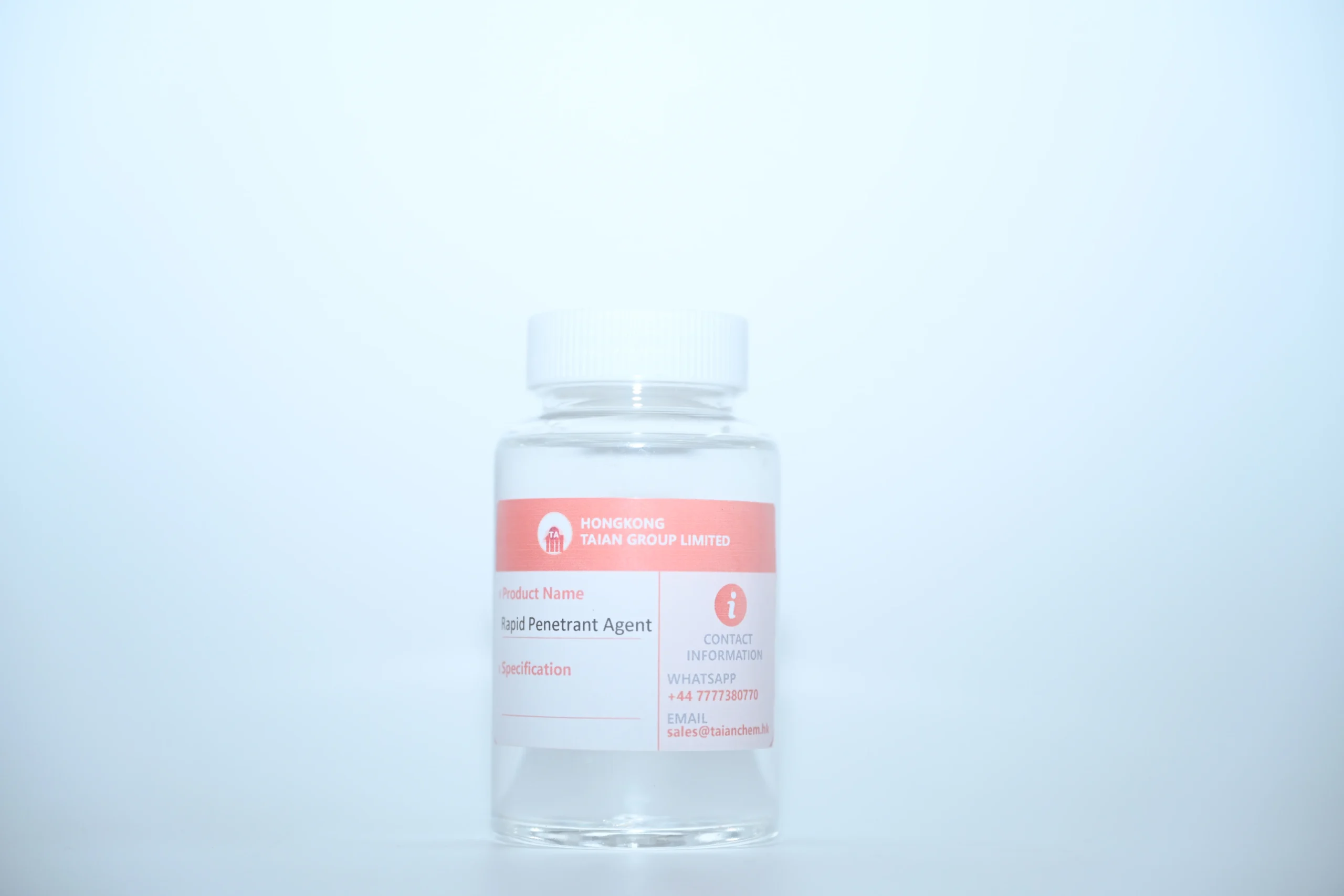
Geographically, the varied humidity levels across Mexico's highlands and coastal plains necessitate the use of a high-quality penetrating agent to ensure uniform dye uptake. Many factories are struggling with hard water issues, which complicates the consistency of dye baths and requires specialized sequestering agents.

Furthermore, the demand for deep-shade blacks in the automotive and apparel sectors has led to a resurgence in the optimized application of sulfur black. However, the industry is now shifting from traditional heavy-metal processes to more refined, eco-friendly chemical alternatives to maintain global competitiveness.
Evolution and Trajectory of Dyeing Auxiliaries

From basic surfactant applications to precision-engineered molecular agents.

Market Development History

In the 1990s and early 2000s, the Mexican textile sector relied primarily on basic commodity chemicals. The focus was on volume rather than precision, with a heavy reliance on standard oxidizing agent reducing agent pairs for basic vat dyeing and bleaching processes.

Between 2010 and 2020, the "Nearshoring" trend accelerated the adoption of specialized chemicals. Factories began integrating automated dosing systems, requiring textile auxiliaries chemicals with higher purity levels to prevent nozzle clogging and ensure batch-to-batch repeatability.

Today, the market has entered the "Green Chemistry" era. The logic has shifted from mere functionality to "functional sustainability," where the biodegradability of the agent is as important as its chemical performance in the dye bath.

Future Development Trends

Bio-based Surfactants

The transition from petroleum-based to plant-derived surfactants is accelerating, driven by the demand for organic certifications in the North American export market.

Digital Dyeing Integration

The rise of digital textile printing is reducing the need for bulk baths, shifting the demand toward high-concentration, low-viscosity auxiliaries.

Zero-Liquid Discharge (ZLD) Chemicals

New chemical formulations are being developed to facilitate easier wastewater treatment, allowing Mexican plants to recycle up to 90% of their process water.

Industry Outlook and Future Projections

Strategic forecasting for the specialty chemical sector in Mexico's textile landscape.

Eco-Efficiency Shift
Rapid adoption of low-temperature auxiliaries to reduce energy costs in Mexican factories.
Smart Chemical Dosing
Integration of AI-driven dosing to minimize chemical waste and maximize dye uptake.
Regulatory Alignment
Strict adherence to ZDHC (Zero Discharge of Hazardous Chemicals) guidelines.
Technical Nearshoring
Increasing local production of high-end auxiliaries to reduce lead times.

Industry Outlook

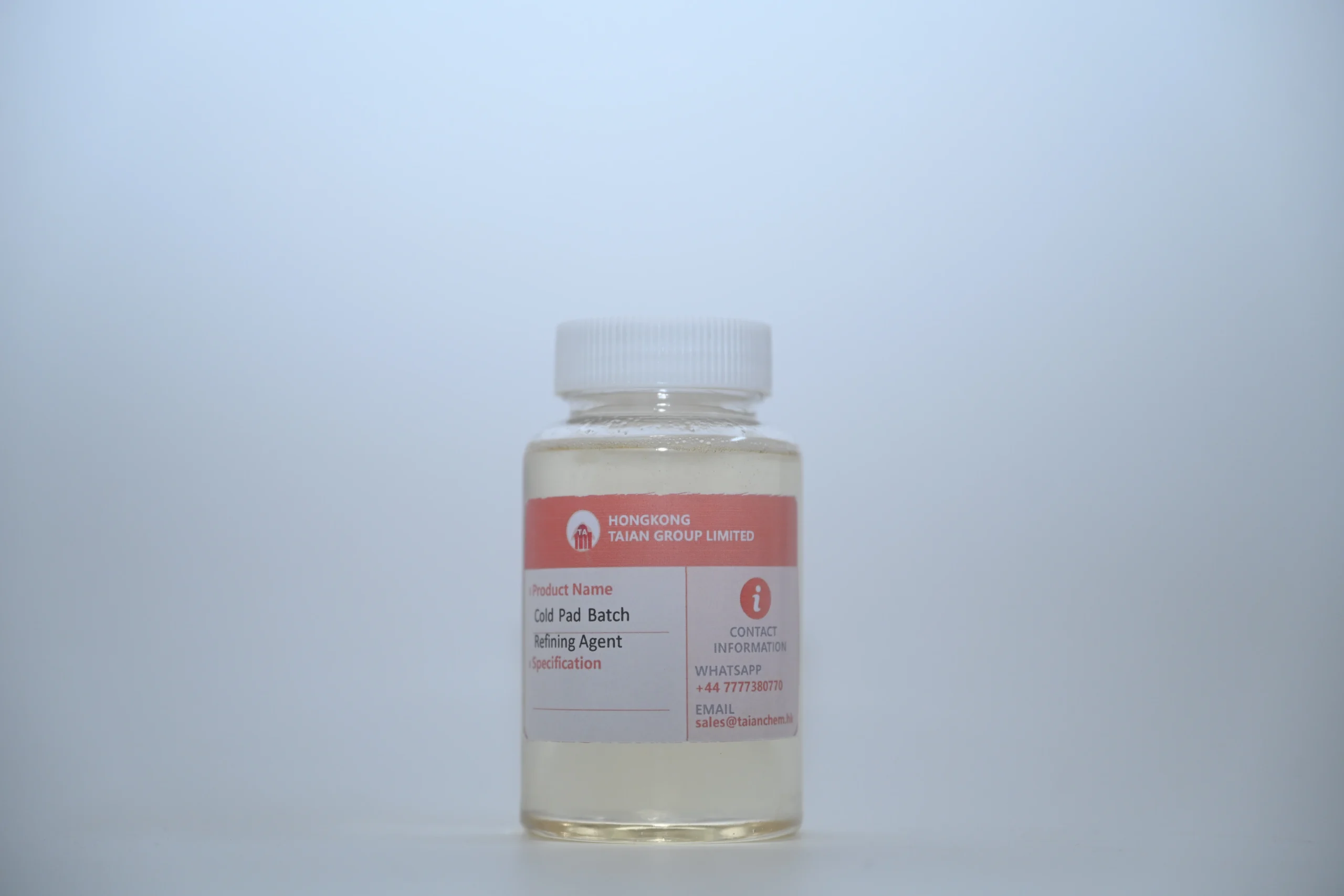
Based on Google search trends in the LATAM region, there is a surging interest in "Sustainable Dyeing" and "Water-saving Chemicals." This indicates that the next 3-5 years will be dominated by agents that allow for "Cold Pad Batch" dyeing and other low-energy processes.

We predict that the integration of biotechnology will lead to enzymatic auxiliaries becoming the standard in Mexico, replacing traditional alkaline-heavy processes to preserve fabric integrity while meeting international eco-standards.

Local Application Scenarios in Mexico

Real-world implementation of textile chemistry in diverse Mexican manufacturing environments.

01. Denim Processing in Central Mexico

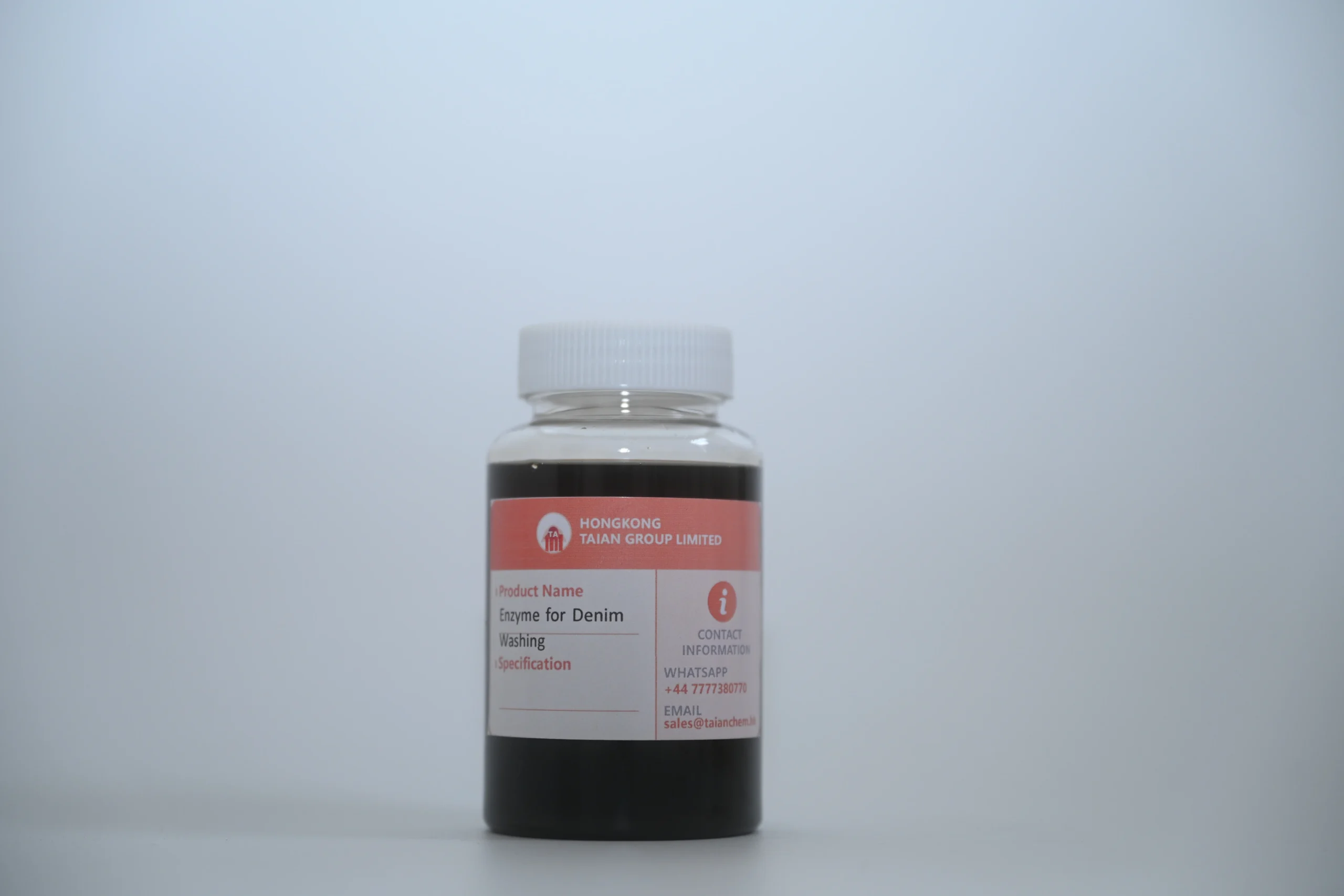
Utilization of advanced sulfur black for high-durability indigo-alternative shades, ensuring deep penetration in heavy cotton fabrics used for workwear.

02. Automotive Upholstery in Bajío Region

Applying high-performance dye auxiliaries to ensure light-fastness and abrasion resistance for premium car seat fabrics exported to the US.

03. Synthetic Sportswear in Coastal Hubs

Using specialized penetrating agent formulations to overcome the hydrophobic nature of recycled polyester blends used in athletic gear.

04. Industrial Bleaching in Puebla

Precise control of oxidizing agent reducing agent ratios to achieve bright whites in home textiles without compromising the tensile strength of the fibers.

05. Fast Fashion Apparel in Mexico City

Rapid-cycle processing using textile auxiliaries chemicals that reduce rinsing cycles, enabling faster turnaround times for trendy urban collections.

Brand Story

Global Development Journey of Shijiazhuang Taikun Chemical Co., Ltd.

Foundational Excellence

Established as a specialized manufacturer, focusing on the purity and stability of base chemical agents for the textile industry.

Technical Breakthroughs

Developing proprietary formulas for complex dyeing processes, solving the common pain point of uneven dye distribution.

Global Market Expansion

Expanding our reach into North America, adapting our chemical solutions to meet the specific regulatory and climatic needs of Mexico.

Sustainability Pivot

Investing in R&D for biodegradable auxiliaries to help our clients achieve ZDHC compliance and reduce environmental impact.

The Future of Chemistry

Commitment to becoming the leading provider of smart, eco-friendly textile chemicals for the global manufacturing industry.

Comprehensive Chemical Portfolio for Mexico

A full suite of specialty agents designed for maximum efficiency in North American textile plants.

Mexico Textile Chemistry FAQ

Expert answers to the most common technical challenges faced by local manufacturers.

How to improve the efficiency of sulfur black in cotton fabrics?

The key is to maintain a precise reduction potential using a high-quality reducing agent and ensuring a consistent pH level throughout the dyeing cycle to prevent precipitation.

Which penetrating agent is best for blended synthetic fibers?

For blends common in Mexico's sportswear, we recommend non-ionic surfactants with a low HLB value to ensure deep penetration into hydrophobic synthetic cores.

Can textile auxiliaries chemicals help in reducing water consumption?

Yes, by using high-efficiency leveling agents and specialized soaps, plants can reduce the number of rinsing cycles required, significantly lowering water usage.

What is the role of an oxidizing agent reducing agent pair in vat dyeing?

The reducing agent makes the dye soluble for application, while the oxidizing agent converts the dye back to its insoluble form inside the fiber, locking in the color.

How do dye auxiliaries impact the color fastness of automotive fabrics?

Specialized fixing agents ensure the dye molecules bond more strongly to the fiber, preventing fading from UV exposure and friction in vehicle interiors.

Are these chemicals compliant with North American environmental standards?

Our products are formulated to meet international safety and environmental benchmarks, supporting Mexican exporters in maintaining compliance for US-bound shipments.

Partner with the Experts in Textile Chemistry

Ready to optimize your production line in Mexico? Contact us for a customized chemical audit and high-performance solutions.

Contact Us Now

If you are interested in our products, you can choose to leave your information here, and we will be in touch with you shortly.