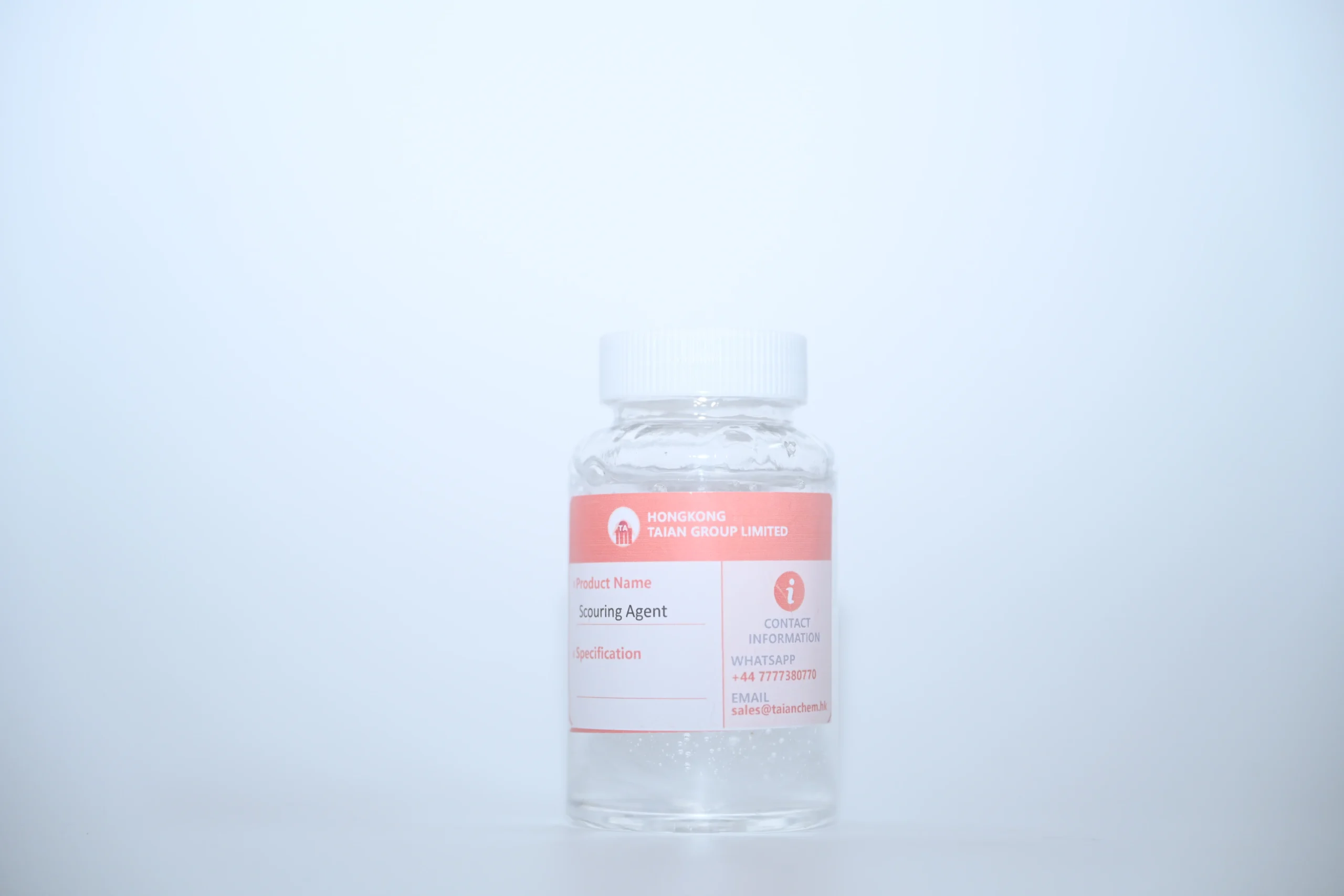
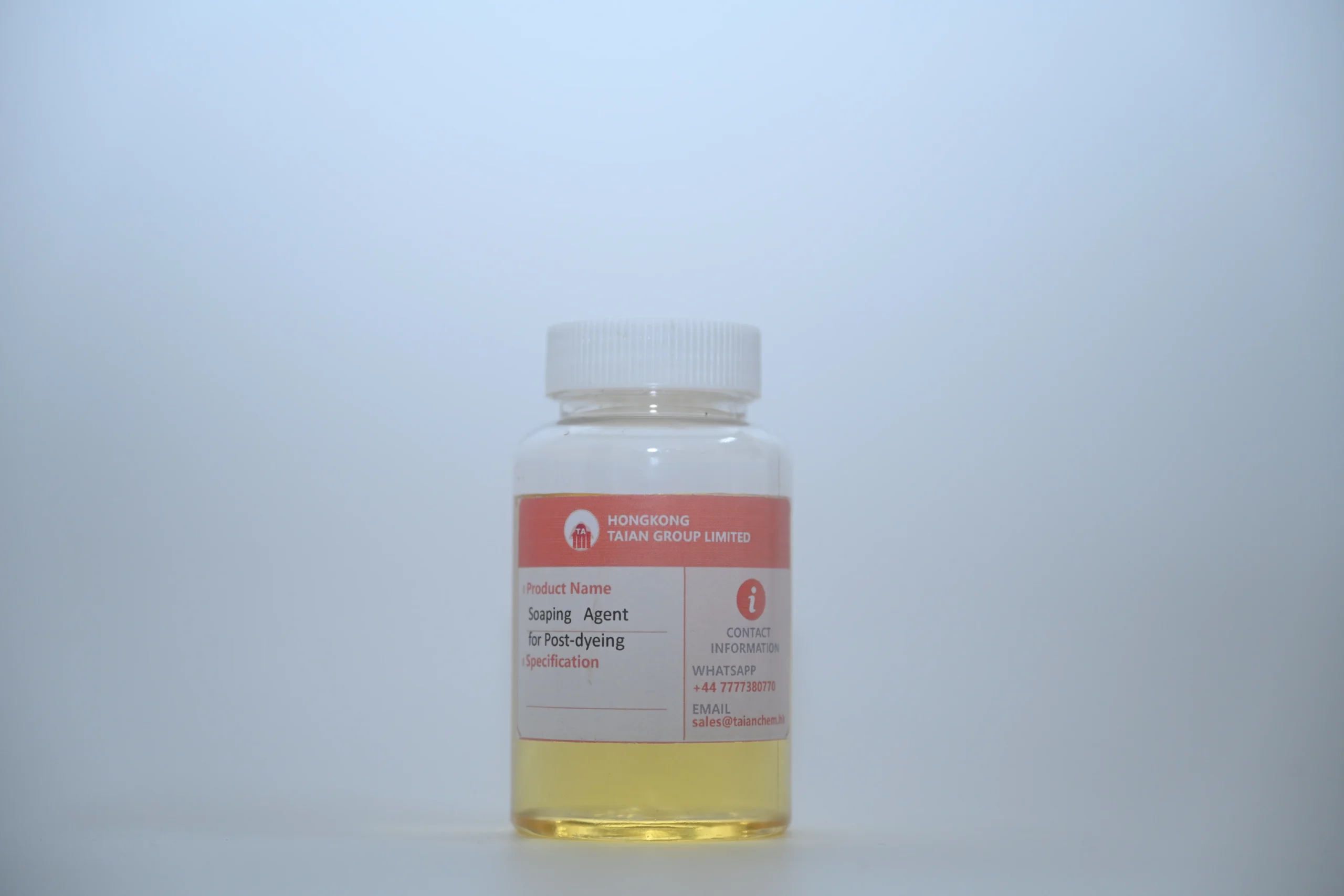
Advanced dye auxiliaries Solutions for Colombia's Textile Hubs

Optimizing fabric processing in South America with high-performance chemical agents tailored for the Colombian Andean and Caribbean textile clusters.

Advanced dye auxiliaries Solutions for Colombia's Textile Hubs

Comprehensive chemical support for Colombian manufacturers to enhance color yield, fabric softness, and process efficiency using world-class textile chemistry.

The Current State of Textile Chemistry in Colombia

Analyzing the operational challenges and chemical requirements of the Colombian textile industry.

Colombia's textile industry, concentrated heavily in Medellín and Bogotá, faces unique challenges due to altitude-induced temperature variations and water hardness. The demand for high-efficiency textile auxiliaries chemicals has surged as local factories shift from basic apparel to technical textiles and high-fashion exports.

Water scarcity and strict environmental regulations in the Andean region have forced mills to optimize their use of penetrating agent solutions. There is a critical move toward reducing wastewater toxicity, requiring chemicals that provide superior wetting without compromising biodegradable standards.

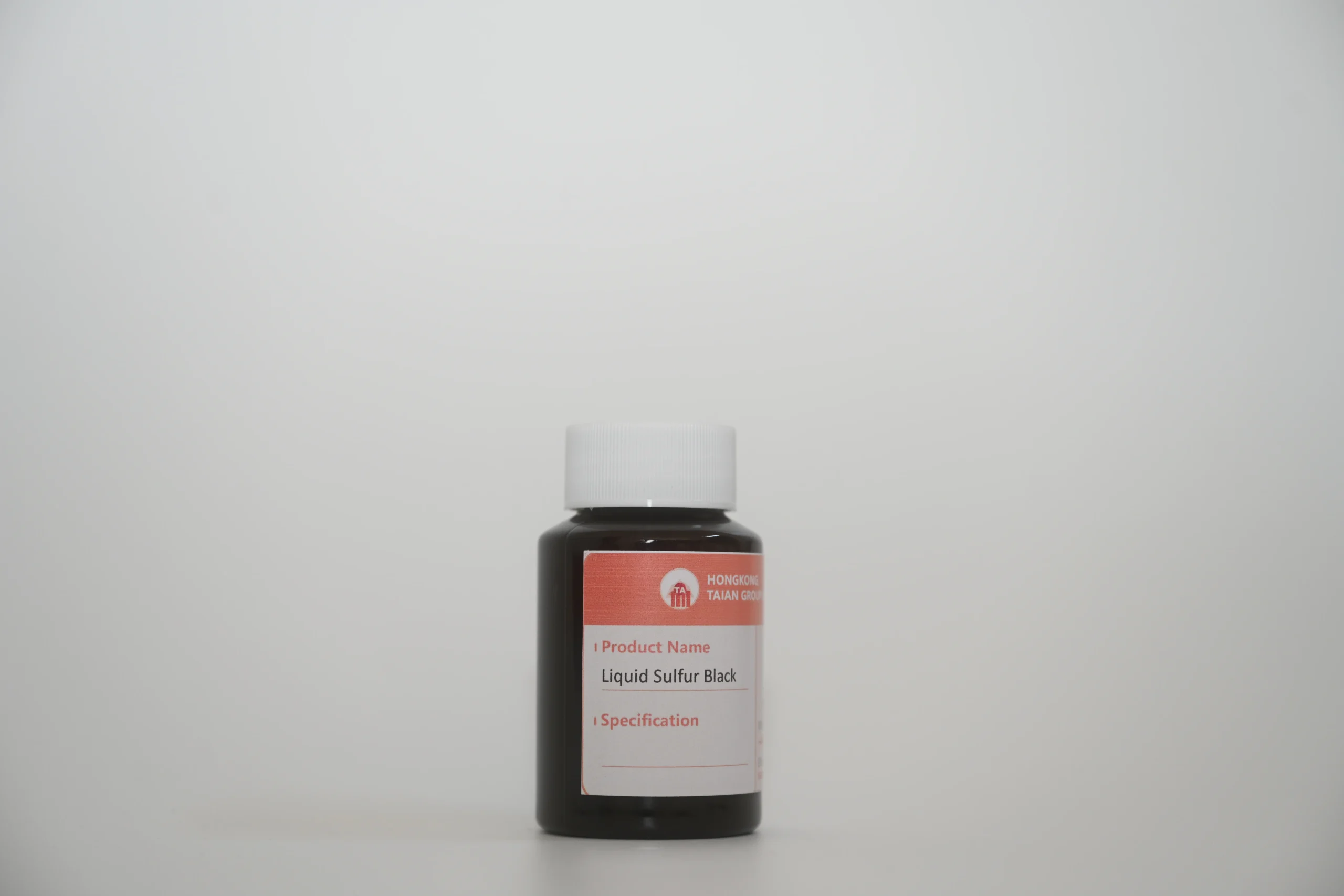
Moreover, the heavy reliance on denim and black-shaded fabrics in local fashion means that the application of sulfur black remains a cornerstone of production, though it requires precise control to prevent oxidation and ensure shade consistency across diverse fabric blends.
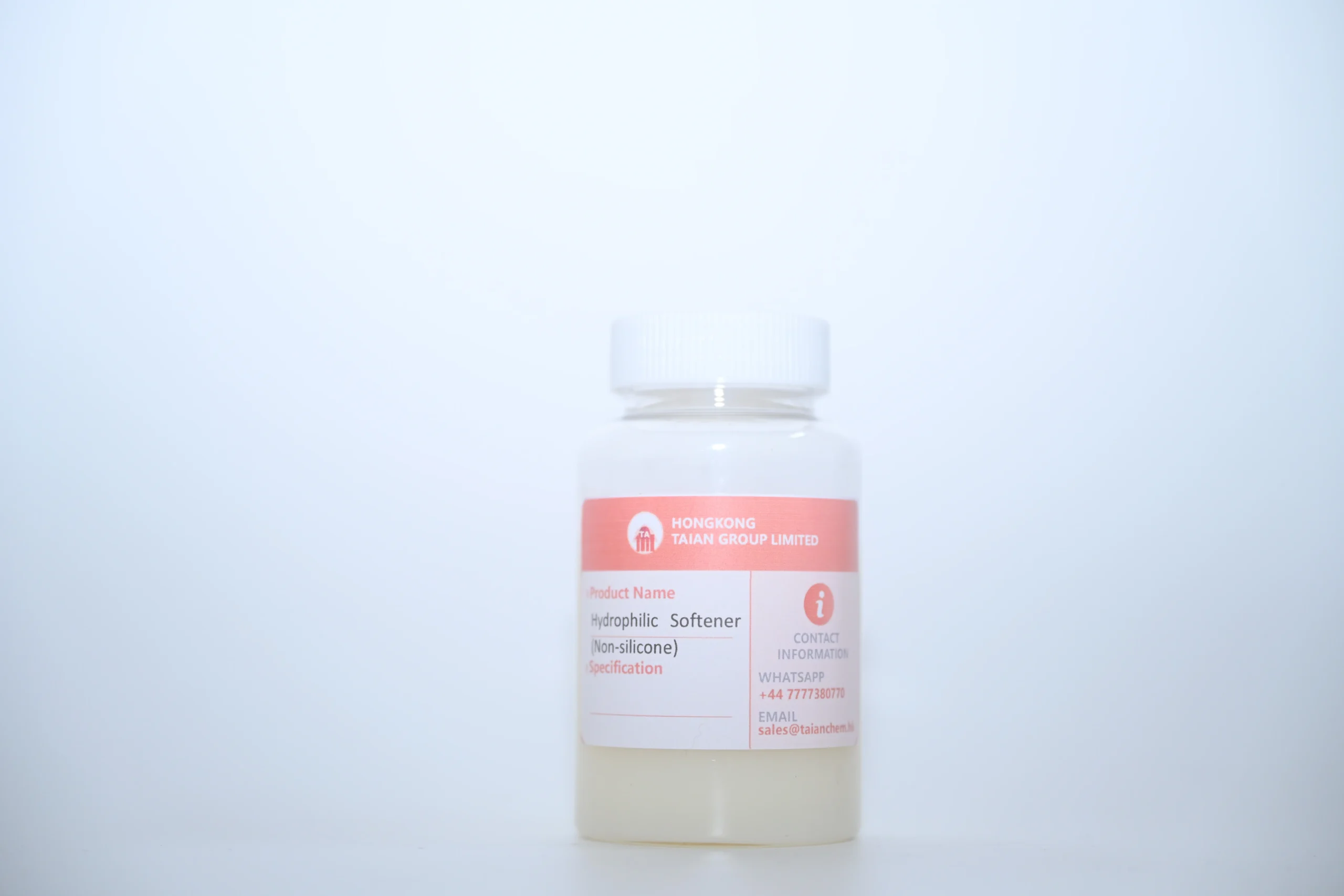
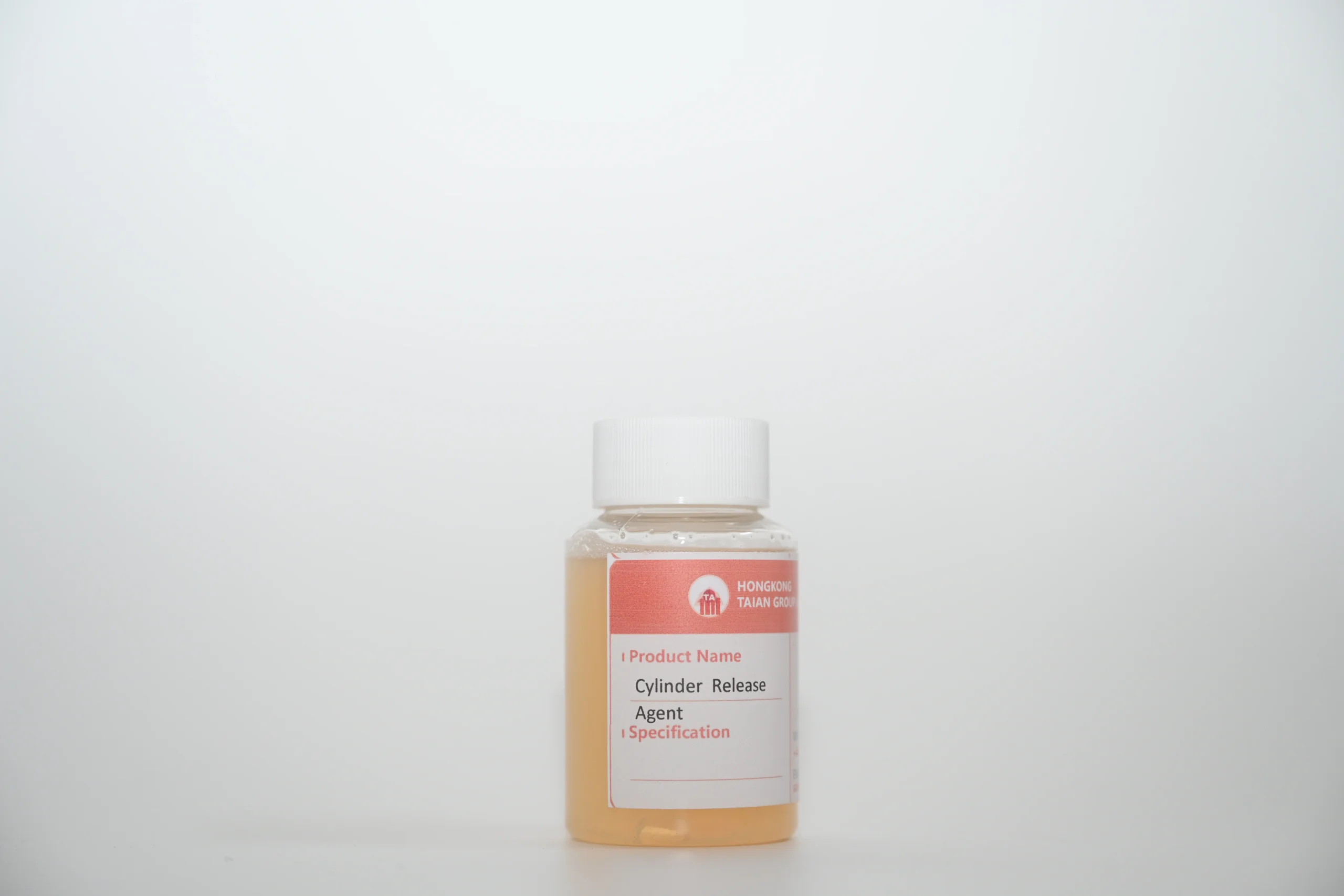
Evolution and Trajectory of Dyeing Auxiliaries

From conventional chemical processing to precision molecular engineering in South America.

Market Development History

In the 1990s, the Colombian market relied primarily on generic, high-dosage chemicals with low specificity. Processing was energy-intensive, and the use of basic oxidizing agent reducing agent combinations was often imprecise, leading to high waste rates.

Between 2005 and 2015, the industry transitioned toward specialized synthetic auxiliaries. The introduction of targeted surfactants improved the penetration of dyes into dense cotton fibers, reducing the total volume of water required per kilogram of fabric.

From 2016 to the present, the focus has shifted toward "Green Chemistry." Modern Colombian mills now integrate digitally controlled dosing systems that synchronize the delivery of auxiliaries to minimize chemical overshoot and maximize fabric longevity.

Future Development Trends

Bio-based Surfactants

The shift toward biodegradable wetting agents to replace traditional petroleum-based chemicals to meet EU export standards.

Low-Temperature Processing

Developing auxiliaries that catalyze dyeing reactions at lower temperatures to reduce the carbon footprint of Andean factories.

Closed-Loop Chemical Recovery

Implementation of advanced filtration to recover and reuse reducing agents in the sulfur dyeing process.

Industry Trends and Future Outlook

Strategic forecasts for the textile chemical landscape in Colombia.

Eco-Certification Synergy
Increasing adoption of OEKO-TEX compliant chemicals to facilitate Colombian textile exports to North American and European markets.
Smart Dosing Integration
Transitioning from manual mixing to automated chemical delivery systems for precise oxidizing agent reducing agent ratios.
Hybrid Fiber Optimization
Specialized chemistry for polyester-cotton blends, common in Colombian industrial uniforms and workwear.
Water-Less Dyeing
Developing ultra-concentrated auxiliaries that reduce the liquor ratio in dyeing baths, saving millions of gallons of water.

Industry Outlook

According to Google search trends for "sustainable textiles South America," there is a massive increase in interest for non-toxic chemical alternatives. Colombian manufacturers are expected to pivot toward auxiliaries that facilitate cold-pad-batch dyeing to reduce energy costs.

The future will be defined by "Chemical Intelligence," where auxiliaries are not just additive agents but molecular tools that interact with the fabric's surface to reduce the need for repeated washing cycles.

Localized Application Scenarios in Colombia

Practical implementation of textile chemicals across diverse Colombian manufacturing contexts.

01. Medellín Denim Production Lines

Utilization of high-performance sulfur black and specialized reducing agents to achieve deep, uniform black shades in heavy-duty denim for the urban fashion market.

02. Bogotá Technical Workwear Manufacturing

Application of advanced penetrating agent formulas to ensure chemical resistance and color fastness in industrial uniforms used in oil and mining sectors.

03. Caribbean Coast Lightweight Apparel

Deployment of specialized dye auxiliaries for breathable cotton blends, optimizing for high-humidity environments and rapid drying cycles.

04. Andean High-Altitude Textile Mills

Using modified textile auxiliaries chemicals that maintain stability and reaction speed despite lower atmospheric pressure and varying water temperatures.

05. Eco-Fashion Boutique Factories

Implementation of biodegradable oxidizing agent reducing agent systems for small-batch, sustainable garment production targeting the organic export market.

Brand Story

Global Development Journey of Shijiazhuang Taikun Chemical Co., Ltd.

Foundation and Core Vision

Established with a mission to solve the instability of industrial dyeing, we focused on the molecular precision of chemical auxiliaries to eliminate shade variation.

Technological Breakthroughs

Developed a proprietary series of stabilizing agents that revolutionized the application of sulfur dyes, reducing environmental impact by 30%.

Global Market Expansion

Expanded our footprint into South America, establishing strategic partnerships with Colombian textile giants to optimize their local production chains.

Commitment to Sustainability

Launched the "Green-Chem" initiative, replacing harmful phosphates with biodegradable alternatives in all our textile auxiliary lines.

Industry Leadership

Now recognized as a global leader in specialized textile chemistry, providing end-to-end solutions from pretreatment to final finishing.

Full Product Portfolio for the Colombian Textile Market

A curated selection of high-performance chemicals designed for South American manufacturing standards.

Colombian Textile Chemistry FAQ

Addressing common technical queries from local fabric manufacturers.

How to optimize the use of sulfur black in high-humidity Colombian climates?

Use a stabilized reducing agent and maintain a consistent temperature during the dyeing process to prevent premature oxidation, which is common in humid coastal regions.

Which penetrating agent is best for dense Colombian cotton weaves?

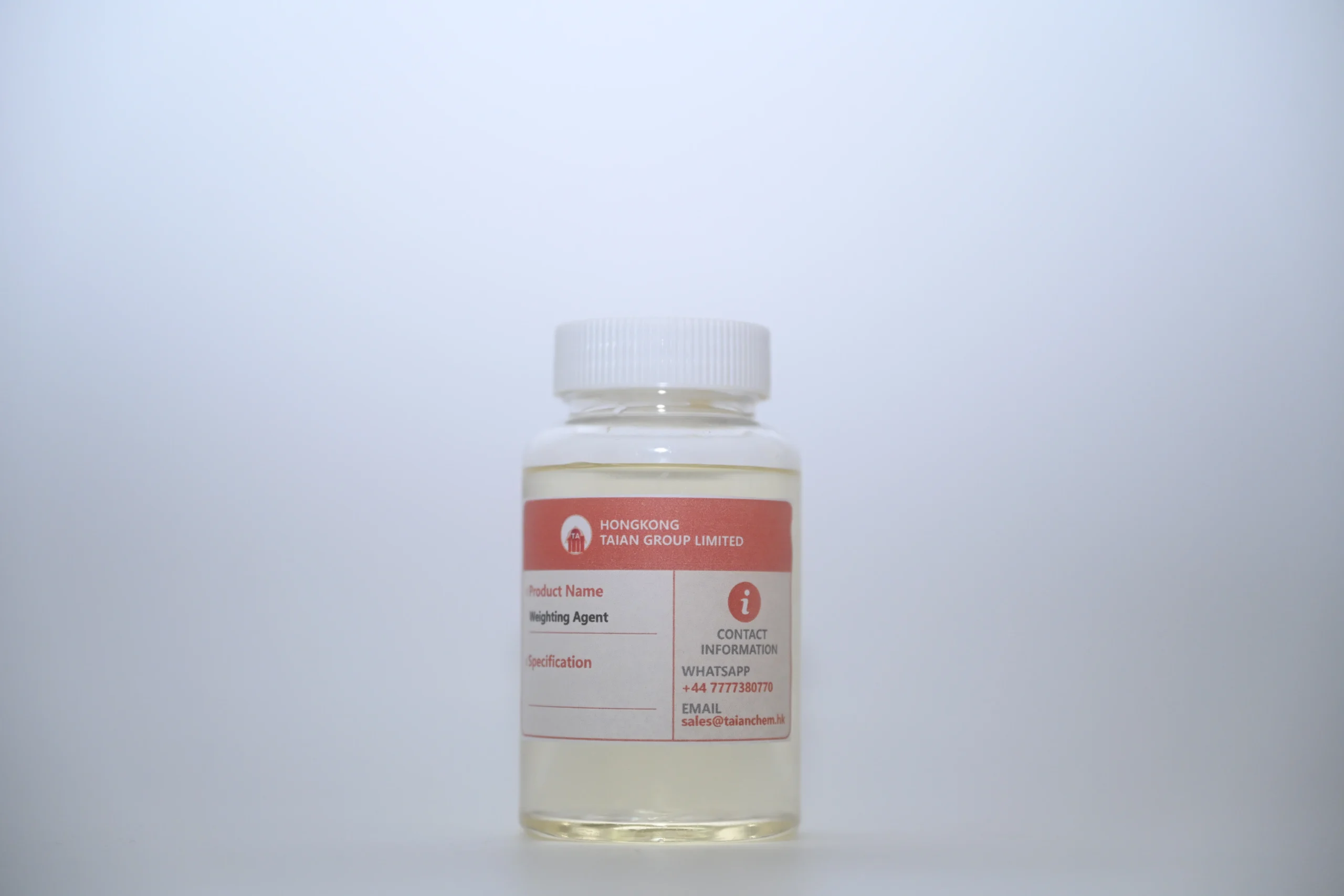
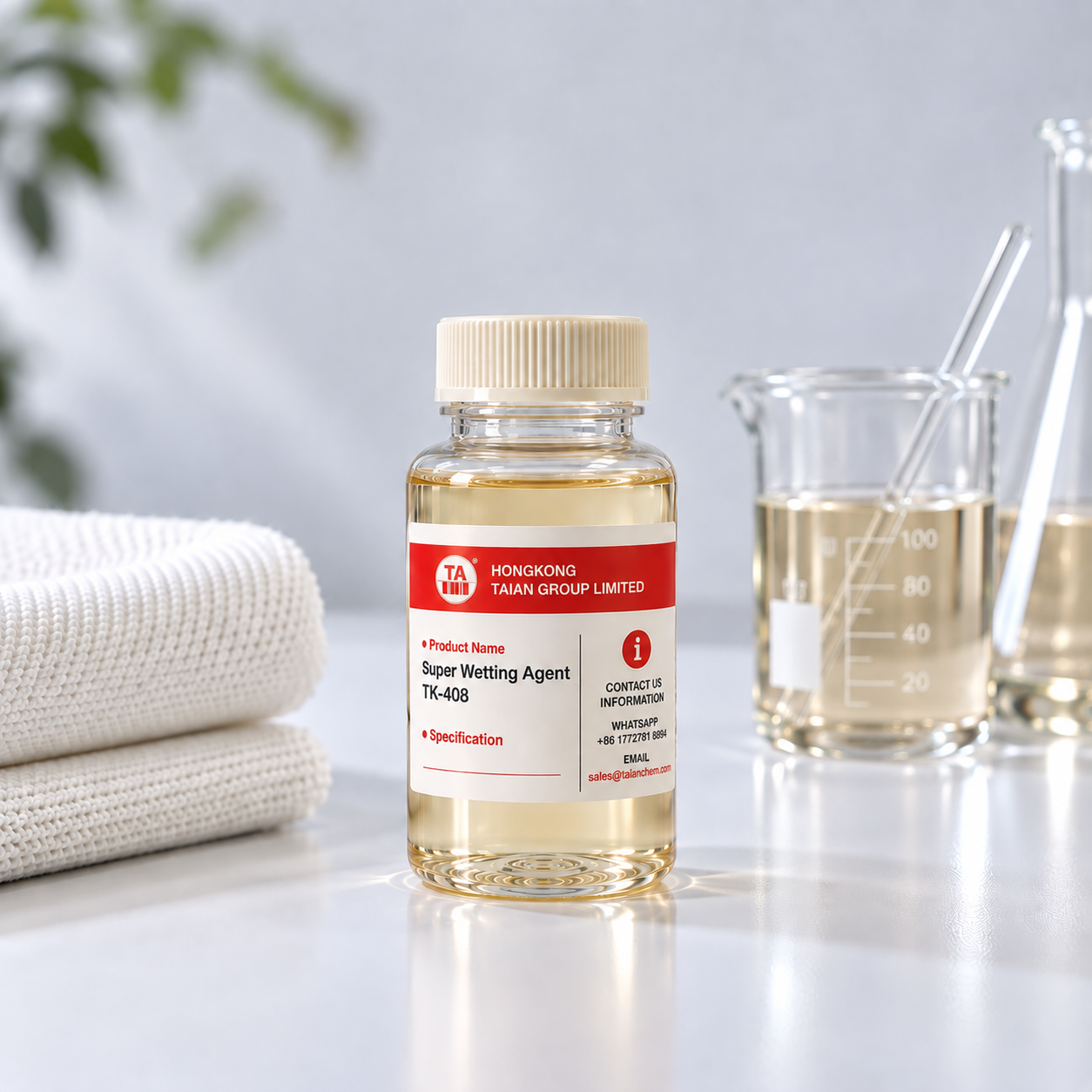
We recommend non-ionic, low-foaming wetting agents that lower surface tension rapidly, ensuring the dye reaches the core of the fiber in heavy-weave fabrics.

Can dye auxiliaries improve the color fastness of Andean textile exports?

Yes, by using high-affinity fixing agents and specialized auxiliaries, you can significantly increase wash and rub fastness to meet international export standards.

What is the ideal ratio for oxidizing agent reducing agent in sulfur dyeing?

The ratio depends on the fabric weight and dye concentration, but generally, a precise stoichiometric balance is required to ensure complete reduction without damaging the fiber.

Are your textile auxiliaries chemicals compatible with eco-friendly certifications?

Absolutely. Our product range is designed to be APEO-free and biodegradable, aligning with GOTS and OEKO-TEX requirements prevalent in the global market.

How does altitude affect the performance of dyeing chemicals in Bogotá?

Higher altitudes can lower boiling points; therefore, we provide temperature-adjusted auxiliary formulas that ensure complete reaction at slightly lower thermal thresholds.

Request a Technical Consultation

Ready to upgrade your textile production efficiency? Our experts are available to provide customized chemical solutions across Colombia.

Contact Us Now

If you are interested in our products, you can choose to leave your information here, and we will be in touch with you shortly.