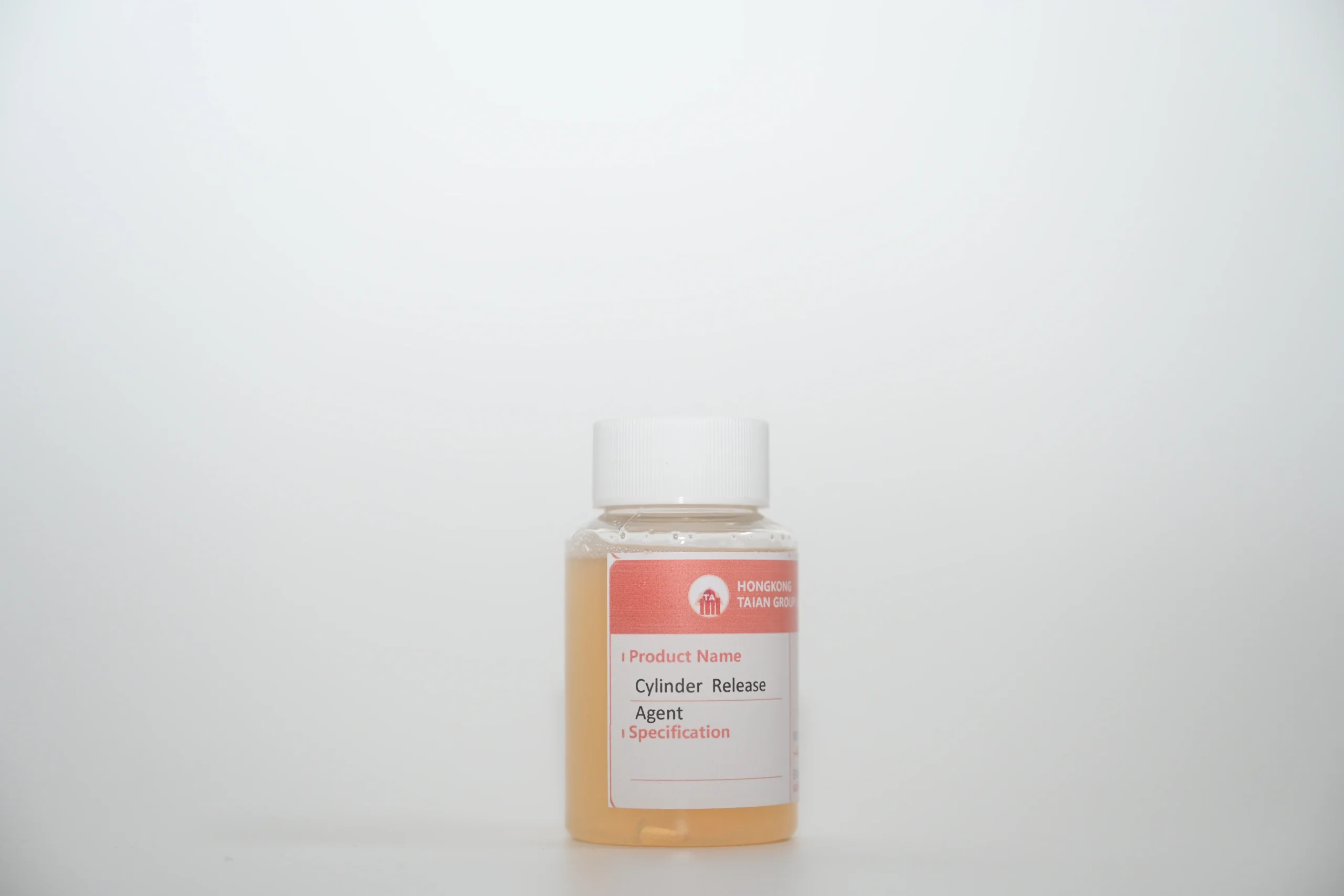
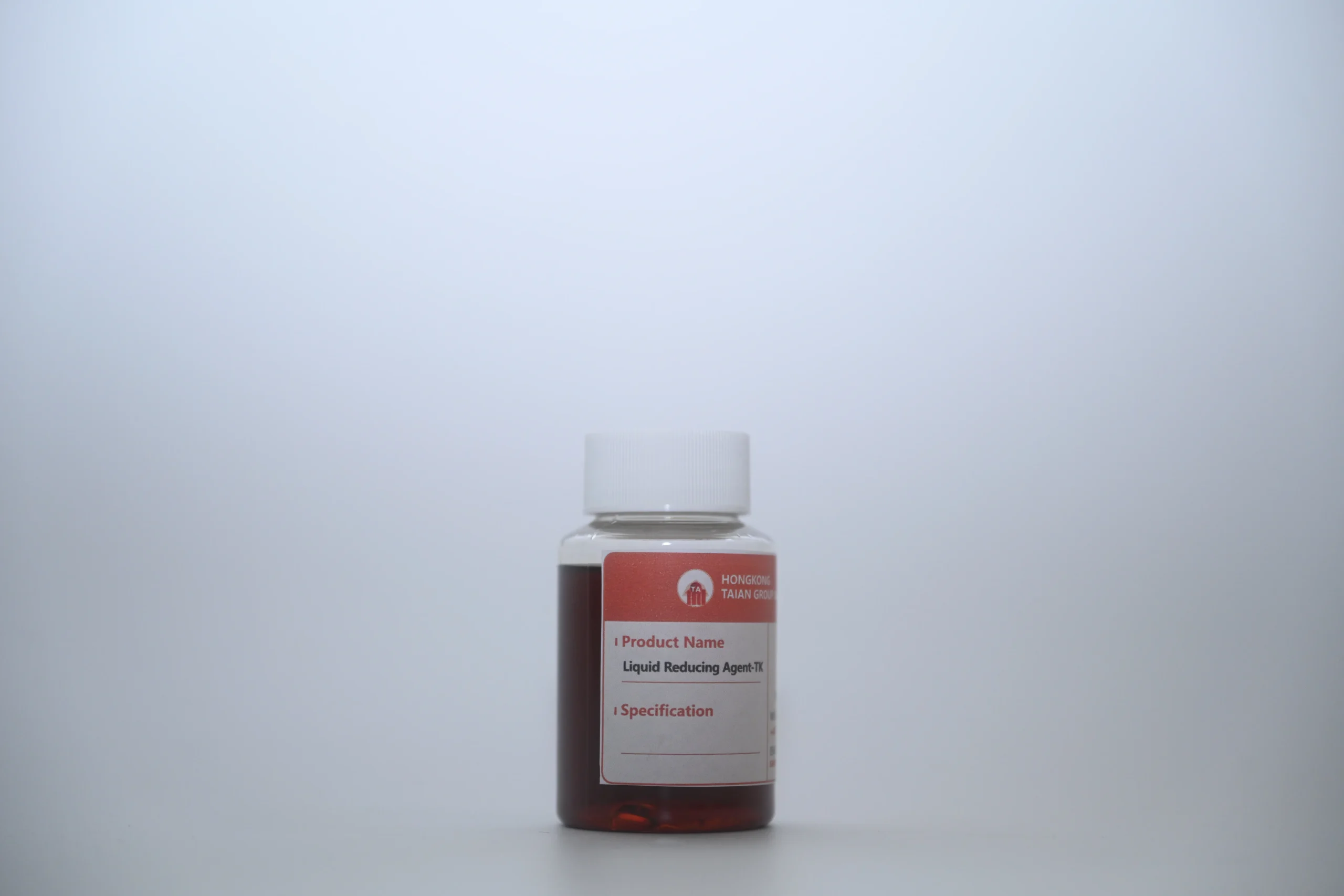
Advanced dye auxiliaries Solutions for Algeria's Textile Industry

Optimizing fabric processing efficiency and color brilliance through high-performance chemical engineering tailored for the North African market.

Advanced dye auxiliaries Solutions for Algeria's Textile Industry

Our specialized chemical portfolio provides the stability and precision required for Algeria's diverse textile manufacturing sectors, ensuring superior dye uptake and finish quality.

Current State of Textile Chemical Application in Algeria

Analyzing the intersection of environmental conditions and industrial needs in North Africa.

The textile industry in Algeria is currently navigating a transition toward higher automation. However, the extreme arid climate and varying water hardness in regions like Algiers and Oran pose significant challenges to the efficacy of textile auxiliaries chemicals, often leading to inconsistent dyeing results.

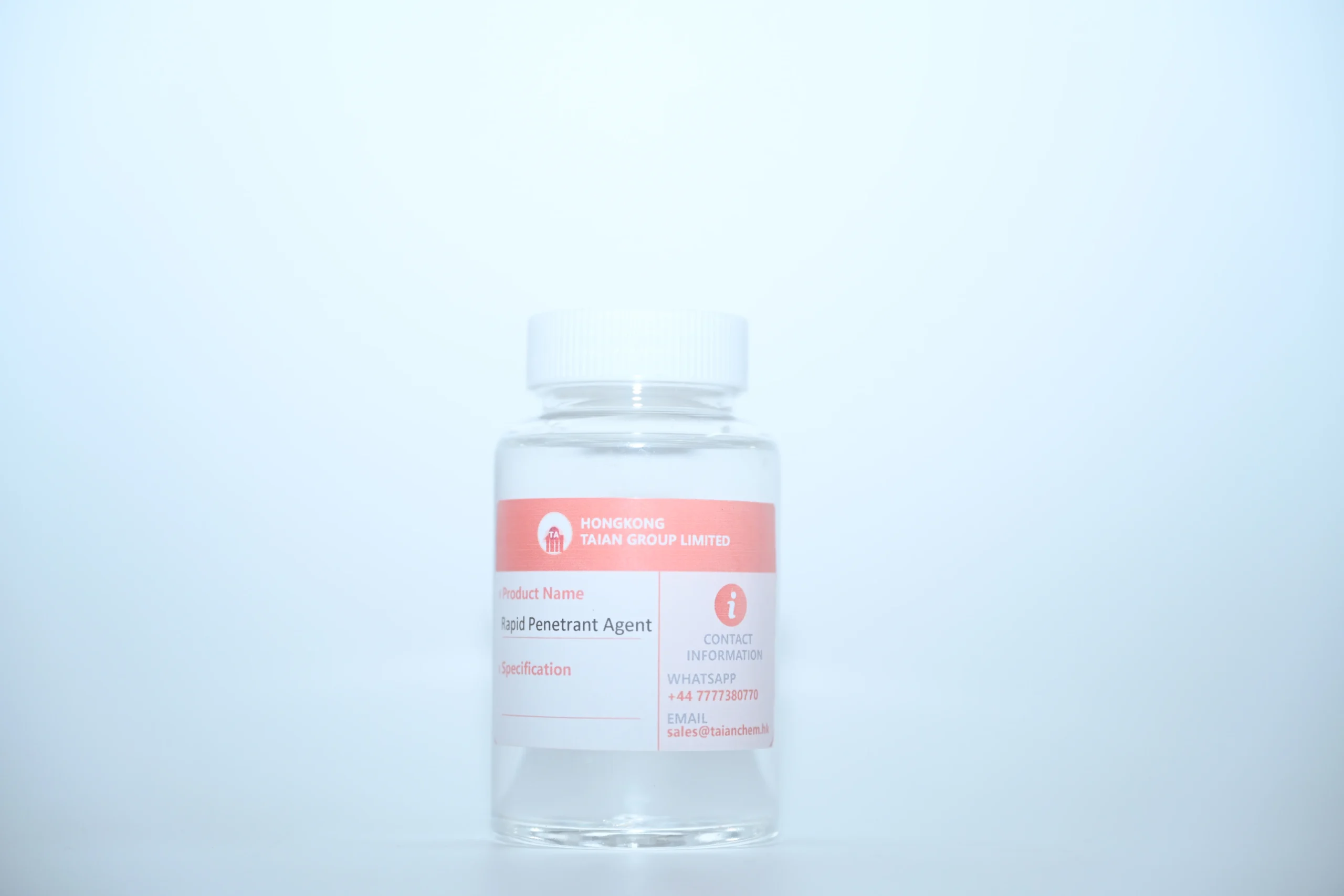
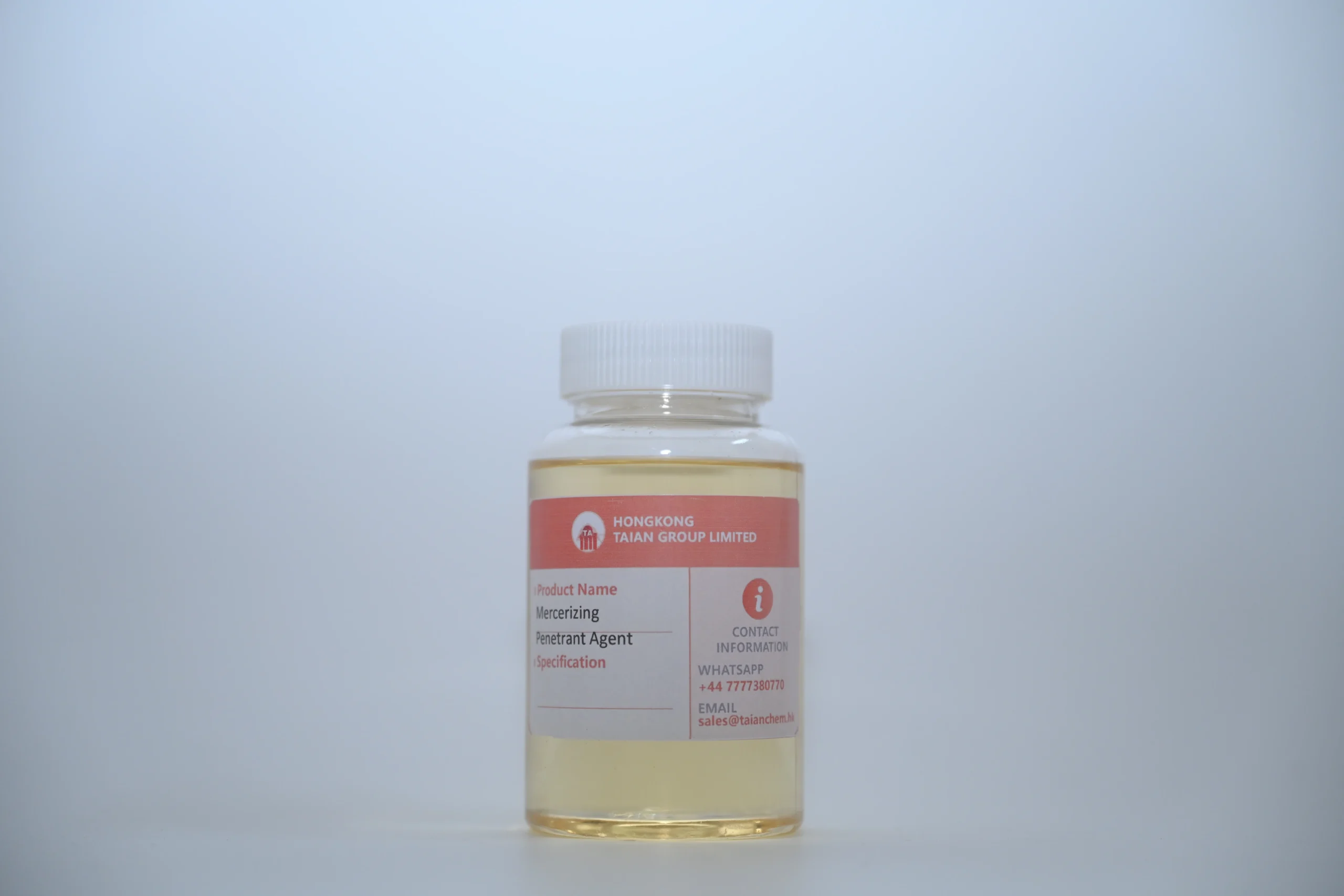
Local manufacturers heavily rely on robust penetrating agent solutions to overcome the hydrophobic nature of raw fibers, which are often affected by the high mineral content of local industrial water sources.

There is a growing demand for specialized chemicals that can maintain stability under high-temperature processing, as the local market shifts from basic garment assembly to complex fabric dyeing and finishing.
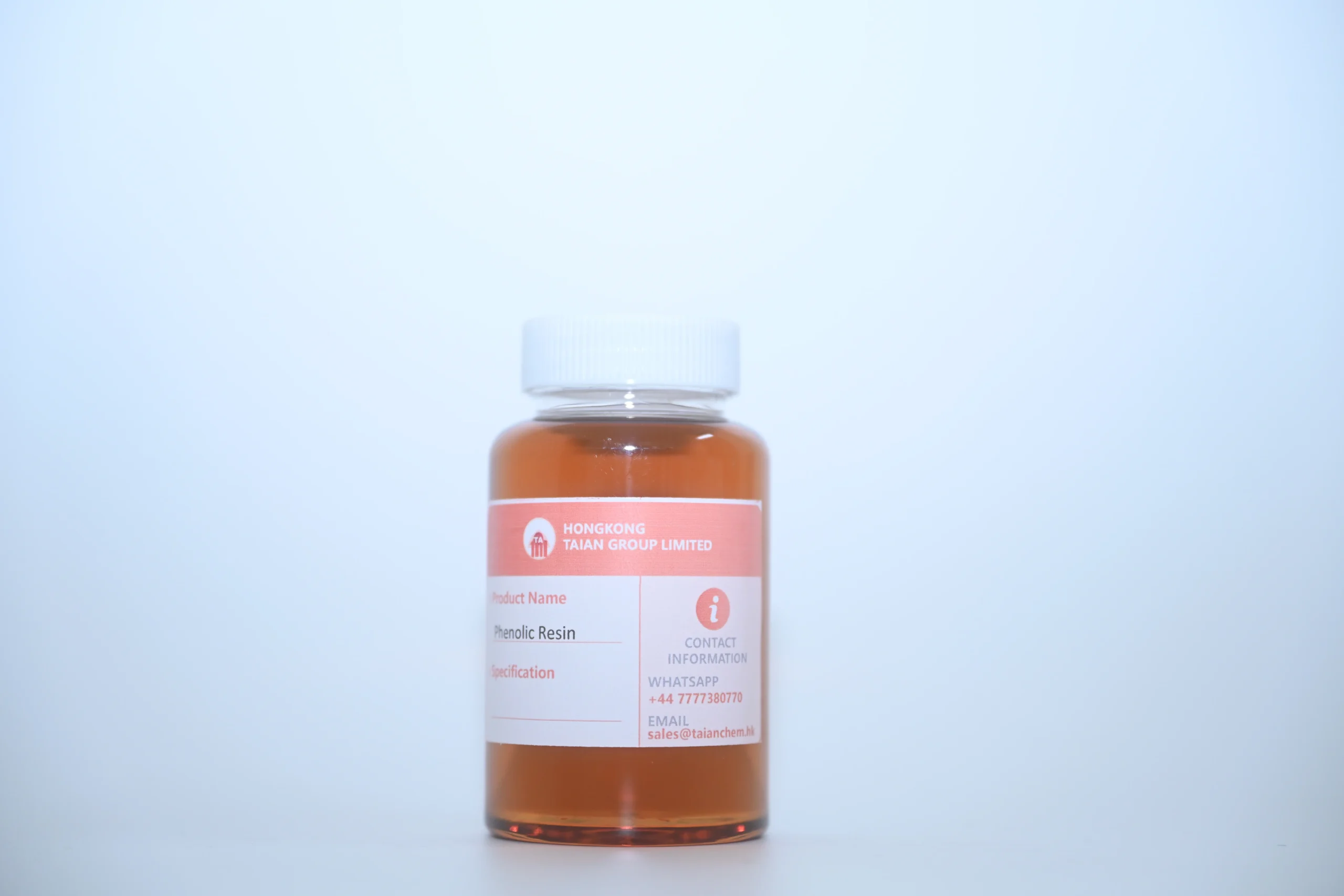
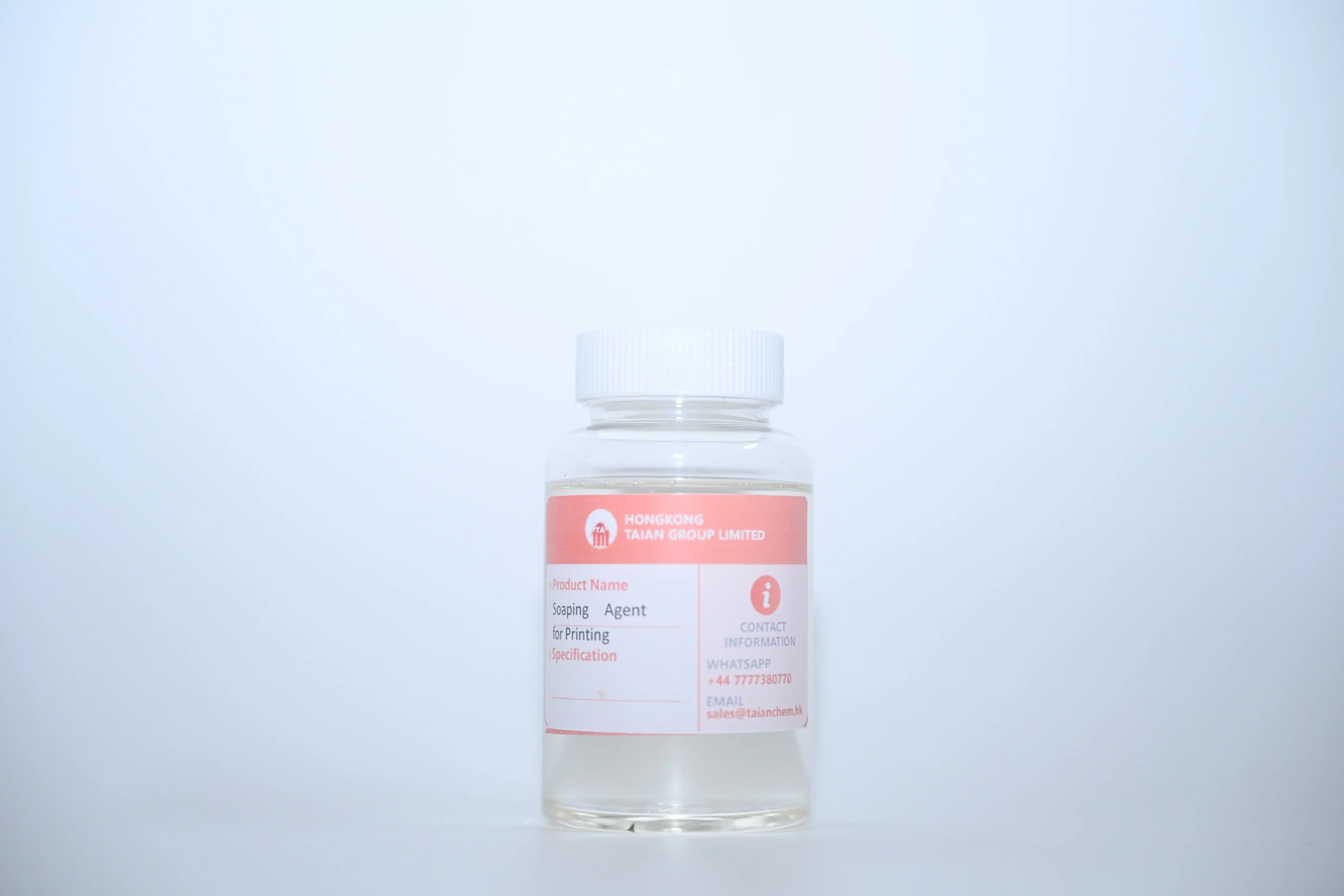
Technical Evolution of Dyeing Chemicals in Algeria

From traditional methods to high-precision chemical engineering.

Market Development History

In the early 2000s, the Algerian market primarily used basic soaps and rudimentary salts for dyeing, which resulted in high water waste and uneven coloring.

Between 2010 and 2020, the industry saw the introduction of standardized oxidizing agent reducing agent pairs, allowing for the sophisticated application of vat dyes and the widespread use of sulfur black for heavy-duty denim and workwear fabrics.

Since 2021, the focus has shifted toward "Green Chemistry," where low-formaldehyde and biodegradable auxiliaries are being integrated to meet international export standards for the European market.

Future Development Trends

Water-Saving Auxiliary Systems

Integration of ultra-concentrated agents to reduce the liquor ratio, directly addressing Algeria's water scarcity issues.

Digital Dyeing Compatibility

Development of chemical carriers specifically designed for inkjet and digital textile printing to reduce chemical runoff.

Eco-Friendly Sulfur Alternatives

Transitioning toward low-impact sulfur dyes that require less aggressive reducing agents during the dyeing cycle.

Future Outlook and Industrial Trends

Predicting the next 3-5 years of textile chemical innovation in Algeria.

Sustainable Chemistry
Shift towards ZDHC (Zero Discharge of Hazardous Chemicals) compliant auxiliaries to enhance export viability.
Automation Integration
Automated dosing systems for auxiliaries to minimize human error and chemical waste in Algerian factories.
Energy Optimization
Developing low-temperature catalysts to reduce the energy required for boiling processes.
Functional Finishing
Growth in antimicrobial and UV-resistant fabric finishes to suit the Saharan climate.

Industry Outlook

Google search trends indicate a rising interest in "eco-friendly textile dyes" and "water-saving dyeing" within the MENA region, specifically in Algeria. This suggests that the future market will favor suppliers who can provide high-performance chemicals with a lower environmental footprint.

As Algeria strengthens its industrial ties with both EU and Asian markets, the demand for multi-functional chemical complexes will grow, replacing single-purpose additives with integrated "all-in-one" auxiliary packages.

Localized Application Scenarios in Algeria

Practical implementation of specialty chemicals in diverse Algerian textile environments.

01. High-Hardness Water Pre-treatment

Using specialized agents to neutralize calcium and magnesium ions in local water sources before applying dyes, ensuring that textile auxiliaries chemicals perform without precipitation.

02. Industrial Workwear Dyeing (Denim)

Optimized application of sulfur black for the manufacturing of durable workwear in Algeria's oil and gas sector, ensuring deep penetration and high rub-fastness.

03. Rapid-Wetting for Synthetic Blends

Deployment of high-efficiency penetrating agent systems for polyester-cotton blends, reducing the pre-treatment time in fast-fashion factories.

04. Precision Color Correction

Utilizing a balanced oxidizing agent reducing agent cycle to clear unwanted tints in recycled fabrics, promoting circular economy practices in local mills.

05. Finishing for Saharan Apparel

Applying specialized dye auxiliaries that enhance the breathability and UV-reflection of lightweight cotton fabrics used in desert regions.

Brand Story

Global Development Journey of Shijiazhuang Taikun Chemical Co., Ltd.

Foundation & Specialization

Established as a focused manufacturer of specialty chemicals, we began by solving the fundamental instability of dye baths in textile mills.

R&D Breakthroughs

We developed a proprietary line of high-purity auxiliaries that reduced water consumption by 20% while maintaining color depth.

Global Market Expansion

Expanding our footprint into Africa, we tailored our formulas to withstand the unique water and climatic conditions of the Algerian market.

Quality Certification

Achieving international ISO and eco-certifications, ensuring our products meet the stringent requirements of global fashion brands.

Future Vision

Our mission is to lead the transition toward sustainable textile chemistry, empowering manufacturers in Algeria to produce world-class fabrics.

Comprehensive Product Portfolio for Algeria

Integrated chemical solutions designed for North African textile manufacturing.

Common Technical Queries in Algeria

Expert answers to the most frequent challenges faced by local textile chemists.

How to handle dye spotting caused by hard water in Algeria?

We recommend using a high-performance penetrating agent combined with a sequestering agent to stabilize the bath and prevent mineral precipitates.

What is the best way to apply sulfur black on heavy cotton?

Ensure a precise ratio of sulfur black and a strong reducing agent to ensure the dye is fully solubilized before application.

Can these textile auxiliaries chemicals work in low-temperature baths?

Yes, our latest generation of dye auxiliaries are engineered to maintain activity at lower temperatures, reducing energy costs.

How to choose the right oxidizing agent reducing agent for vat dyes?

Selection depends on the fiber type; for cellulosic fibers, we suggest a controlled reducing agent to avoid fabric damage while ensuring deep shade penetration.

Do your auxiliaries comply with EU environmental standards for exports?

Absolutely. All our chemicals are formulated to meet Oeko-Tex and ZDHC guidelines, enabling Algerian exporters to enter the European market seamlessly.

How to improve the rub-fastness of dyed fabrics?

Using a high-quality fixing agent from our dye auxiliaries range after the dyeing process will significantly lock the color into the fiber.

Ready to Optimize Your Production?

Our technical team is ready to provide customized chemical formulations for your textile facility in Algeria.

Contact Us Now

If you are interested in our products, you can choose to leave your information here, and we will be in touch with you shortly.