Advanced dye auxiliaries Solutions for Turkmenistan Textile Industry

Optimizing fabric processing efficiency and color brilliance with high-performance chemical agents tailored for the Central Asian market.

Advanced dye auxiliaries Solutions for Turkmenistan Textile Industry

We provide a comprehensive suite of chemical solutions designed to enhance the dyeing and finishing processes, ensuring superior fabric quality and sustainable production in Turkmenistan.

Current State of Textile Chemical Application in Turkmenistan

Analyzing the intersection of raw cotton abundance and the need for specialized chemical processing.

Turkmenistan, renowned for its high-quality long-staple cotton, has historically focused on raw material export. However, the domestic shift toward high-value-added textile manufacturing has increased the demand for sophisticated textile auxiliaries chemicals to process local fibers into premium garments.

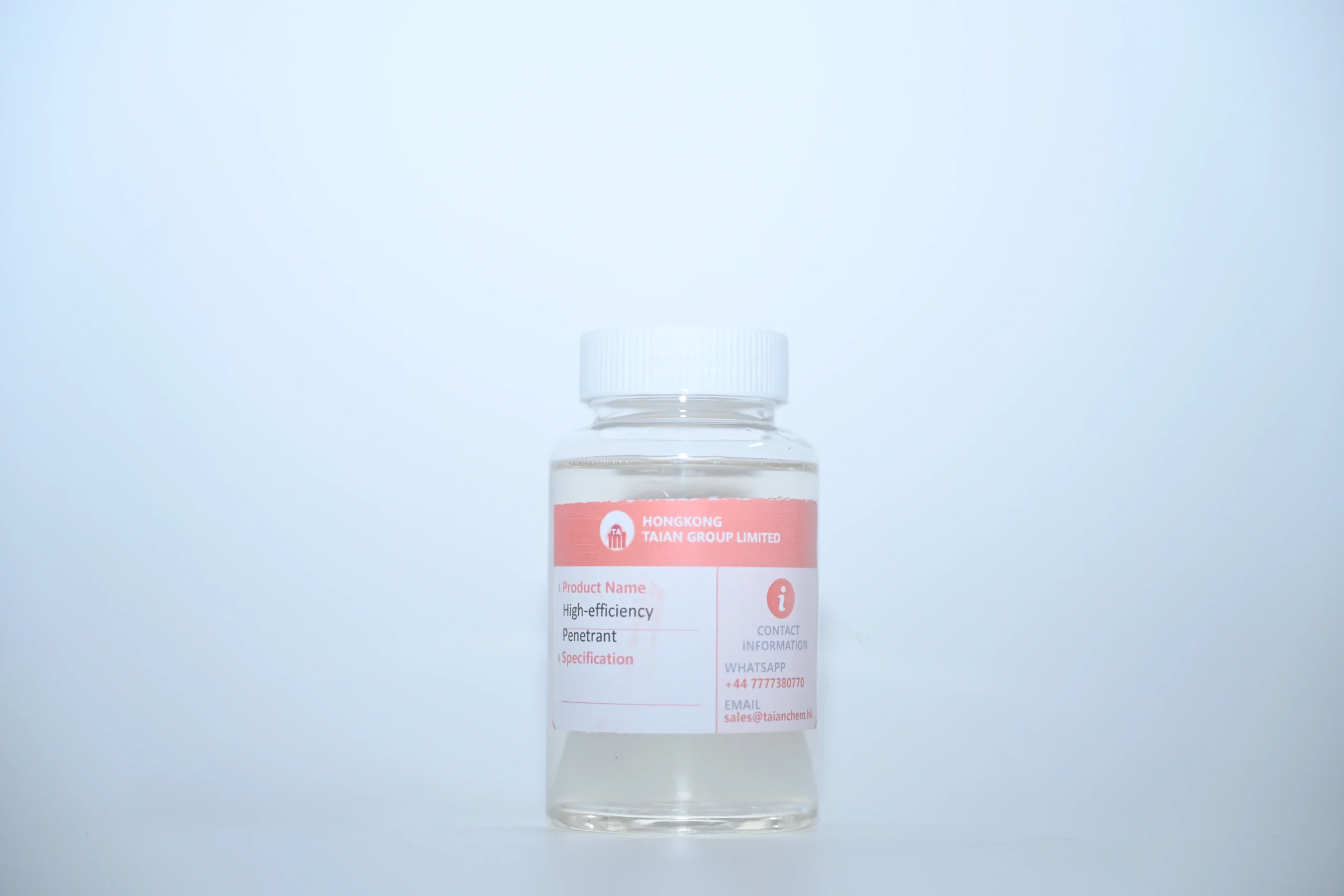
The region's arid climate and specific water mineral content often create challenges in dye penetration and consistency. Local mills are increasingly adopting specialized penetrating agent formulations to overcome fabric hydrophobicity and ensure uniform color distribution across diverse textile substrates.

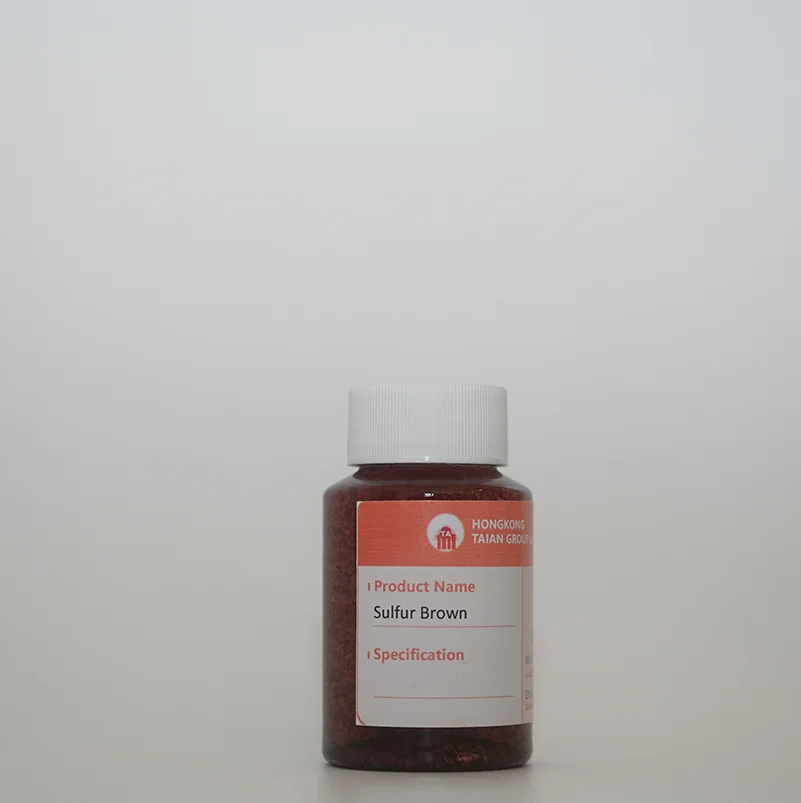
Furthermore, the industry is transitioning from basic coloring to complex dyeing. The use of sulfur black remains prevalent for heavy-duty workwear and denim, yet there is a growing insistence on combining it with modern reducing agents to improve wash-fastness and ecological footprints.
Evolution and Trajectory of Textile Chemistry

From traditional batch processing to precision chemical engineering.

Market Development History

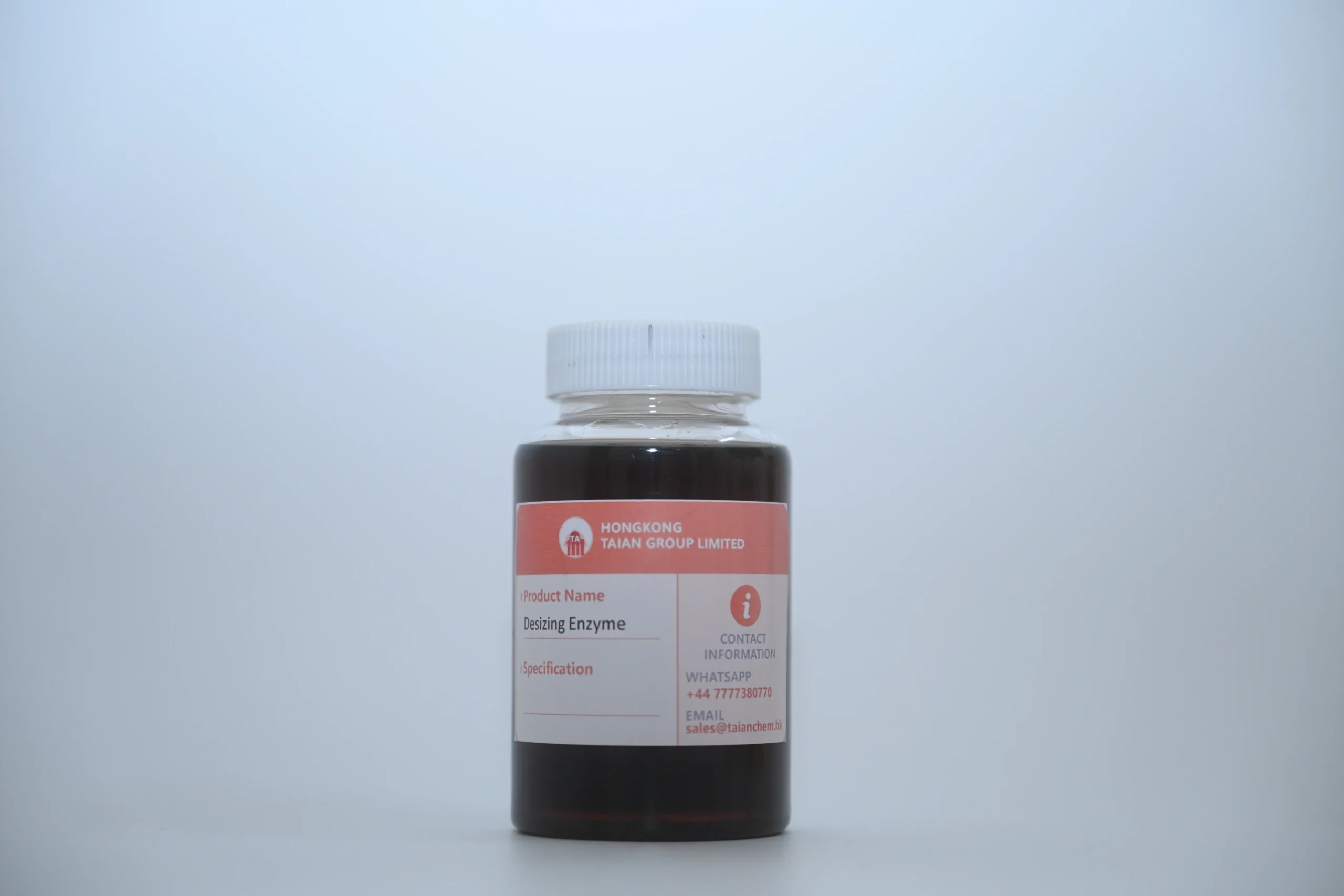
In the early 2000s, the Turkmenistan textile sector relied primarily on basic soap-based scouring and traditional salts. The process was labor-intensive with low reproducibility and significant water waste.

Between 2010 and 2020, there was a technical pivot toward the integration of synthetic dye auxiliaries. This era saw the introduction of standardized chemical dosages and the first wave of imported high-efficiency wetting agents to improve pre-treatment quality.

Since 2021, the focus has shifted toward chemical precision. The industry now employs advanced oxidizing agent reducing agent systems to precisely control the redox potential during dyeing, reducing chemical waste and improving shade consistency.

Future Development Trends

Eco-Friendly Bio-Auxiliaries

Transitioning toward biodegradable surfactants and enzymes to meet international export standards (like OEKO-TEX) for textiles produced in Turkmenistan.

Digital Precision Dosing

Integration of automated chemical delivery systems that adjust the concentration of auxiliaries in real-time based on liquor ratio and fabric weight.

Water-Saving Chemical Formulations

Development of low-temperature auxiliaries that allow for high-fixation rates, significantly reducing the water and energy footprint of the dyeing cycle.

Industry Trends and Future Outlook

Strategic foresight into the chemical requirements of the Central Asian textile hub.

Sustainable Chemistry
Increasing adoption of APEO-free and formaldehyde-free agents to align with global green textile initiatives.
High-Fixation Technology
Developing agents that increase dye uptake, reducing the amount of chemicals needed per kg of fabric.
Process Intensification
Combining scouring and bleaching into a single step using multi-functional chemical complexes.
Smart Functional Finishes
Integrating antimicrobial and moisture-wicking auxiliaries into the final finishing stage.

Industry Outlook

Based on regional growth data and Google search trends for textile chemicals in Asia, Turkmenistan is poised to transition from a raw cotton provider to a specialized textile hub. This will require a shift toward high-performance, low-impact chemical agents that ensure global compliance.

The future outlook predicts a 15-20% increase in demand for specialized auxiliaries that can handle the unique impurities found in regional hard water, pushing the market toward customized chemical blends rather than generic off-the-shelf products.

Localized Application Scenarios in Turkmenistan

Practical implementations of our chemical solutions in regional textile production.

1. High-Density Cotton Denim Dyeing

Utilizing sulfur black combined with high-stability reducing agents to achieve deep, consistent black shades on heavy-duty cotton denim, ensuring minimal rubbing and high color fastness.

2. Pre-Treatment of Hard-Water Regions

Applying high-performance penetrating agent systems to neutralize the effects of mineral-rich water, allowing dyes to penetrate deep into the fiber core for uniform coloring.

3. Precision Bleaching for White Textiles

Implementing a balanced oxidizing agent reducing agent cycle to achieve brilliant whiteness in cotton linens without compromising the tensile strength of the fiber.

4. Specialized Dyeing of Long-Staple Cotton

Optimizing the use of dye auxiliaries to maintain the natural luster of Turkmen long-staple cotton while achieving vibrant, saturated colors for high-end apparel.

5. Industrial-Scale Fabric Scouring

Deploying concentrated textile auxiliaries chemicals to efficiently remove natural waxes and impurities from raw cotton fabrics, preparing the surface for optimal dye absorption.

Brand Story

Global Development History of Shijiazhuang Taikun Chemical Co., Ltd.

Foundation and Focus

Started as a specialized laboratory focusing on the synthesis of high-purity textile agents to solve the most common dyeing defects in cotton fabrics.

Technological Breakthrough

Developed a proprietary series of low-foaming wetting agents that revolutionized the pre-treatment process for industrial-scale textile mills.

Global Market Expansion

Expanded operations into Central Asia, establishing strategic partnerships to provide customized chemical solutions for the unique needs of Turkmenistan's cotton industry.

Sustainability Pivot

Invested in R&D to replace harsh traditional chemicals with eco-friendly alternatives, focusing on biodegradable auxiliaries and water-saving technologies.

Industry Leadership

Now recognized as a leading provider of comprehensive textile chemical systems, committed to enhancing the competitiveness of textile manufacturers worldwide.

Complete Chemical Portfolio for Turkmenistan Textile Mills

A one-stop solution for every stage of the textile processing pipeline.

Common Questions for Textile Chemistry in Turkmenistan

Technical guidance and troubleshooting for regional textile manufacturers.

How to improve dye penetration on long-staple cotton fabrics?

The use of a high-efficiency penetrating agent is crucial. We recommend a pre-treatment bath that lowers the surface tension of the liquor, allowing the dye to enter the fiber core more effectively, especially in hard water conditions.

What is the best way to stabilize sulfur black dyeing?

Stability is achieved by precisely managing the reducing agent concentration. Ensuring a consistent redox potential prevents premature oxidation and ensures a deep, uniform black shade with excellent fastness.

How do oxidizing agent reducing agent systems prevent fabric damage?

By using buffered chemical systems and precise timing, we ensure that the oxidative process removes impurities without attacking the cellulose structure of the cotton fiber.

Which dye auxiliaries are most effective for vibrant colors on cotton?

We recommend a combination of leveling agents and fixation boosters. These auxiliaries ensure that the dye is distributed evenly and then locked securely into the fiber, preventing bleeding.

Can textile auxiliaries chemicals reduce water consumption?

Yes, by using multi-functional agents that combine scouring and wetting, the number of rinse cycles can be significantly reduced, lowering overall water consumption.

How to deal with salt precipitation in the dyeing bath?

Implementing a chelating agent as part of your dye auxiliaries kit will help sequester metal ions and prevent salt precipitation, ensuring a smoother dyeing process.

Get Professional Chemical Support

Our technical experts are ready to help you optimize your textile production in Turkmenistan with customized chemical formulations.

Contact Us Now

If you are interested in our products, you can choose to leave your information here, and we will be in touch with you shortly.