Advanced sulfur black Dyeing Solutions for Libya

Optimizing textile production in North Africa with high-performance chemical agents and precision dyeing auxiliaries.

Advanced sulfur black Dyeing Solutions for Libya

Providing the Libyan textile sector with specialized chemical formulations to enhance color fastness and fabric penetration under arid climate conditions.

Analyzing the Textile Chemical Landscape in Libya

Challenges and opportunities in the North African textile auxiliary market.

The Libyan textile industry operates within a unique geographical context where extreme heat and water salinity significantly impact the efficacy of textile auxiliaries chemicals. Local manufacturers often struggle with inconsistent dye uptake due to the mineral content of the available water sources.

Currently, there is a heavy reliance on imported dye auxiliaries to maintain international quality standards. The demand for high-stability chemicals is rising as Libya seeks to diversify its industrial base beyond the petroleum sector, focusing on garment and fabric production for domestic consumption.

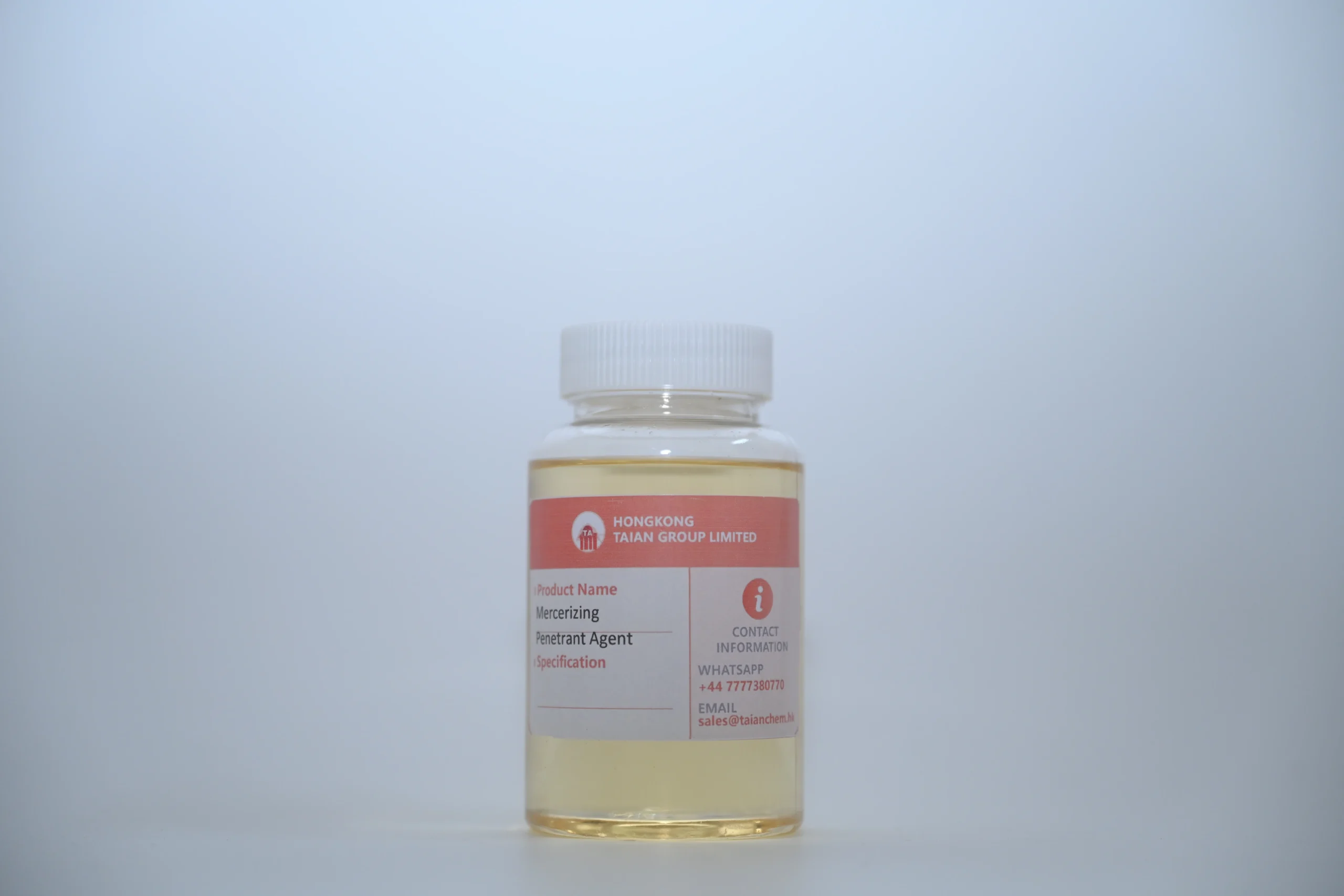
Logistical constraints and the need for chemicals that remain stable under high-temperature storage make the selection of a penetrating agent critical for ensuring uniform dyeing and reducing waste in Libyan factories.
Technical Evolution of Dyeing Agents in Libya

From traditional batch processing to precision chemical engineering.

Market Development History

In the early 2000s, the Libyan market primarily used basic salts and soaps for fabric preparation. The technical focus was simply on color saturation, with little regard for chemical efficiency or environmental impact.

Between 2010 and 2020, the industry transitioned toward the use of specialized oxidizing agent reducing agent combinations to improve the reduction of sulfur dyes, enabling deeper shades and better wash fastness.

Since 2021, the shift has moved toward "smart" auxiliaries. Modern Libyan mills are now adopting low-temperature chemicals to reduce energy consumption and optimize the use of water in water-scarce regions.

Future Development Trends

Eco-Friendly Sulfur Dyeing

Transitioning toward biodegradable agents to meet emerging environmental regulations in the Mediterranean basin.

Digital Chemical Dosing

Integration of automated dispensing systems for dye auxiliaries to minimize human error and chemical waste.

Nano-Enhanced Penetration

Development of nano-scale penetrating agents that work effectively even with high-mineral water found in coastal Libyan cities.

Industry Trends and Future Outlook for Libya

Strategic directions for textile chemical applications in North Africa.

Water-Saving Chemistry
Implementing low-liquor ratio auxiliaries to combat water scarcity in the Libyan desert regions.
High-Temp Stability
Developing heat-resistant formulations for storage in non-climate-controlled warehouses in Libya.
Sustainable Sulfur Dyeing
Optimizing the use of sulfur dyes to reduce effluent toxicity in local drainage systems.
Automation Integration
Shifting toward pre-blended chemical packs to ensure consistency across different Libyan production sites.

Industry Outlook

The future of the Libyan textile chemical market will be driven by the necessity of resource efficiency. As Google search trends show an increase in "sustainable textile processing" in the MENA region, Libya is expected to adopt chemicals that require fewer rinse cycles.

We anticipate a surge in demand for high-concentration textile auxiliaries chemicals that reduce shipping costs and storage space, aligning with the logistical realities of North African trade routes.

Localized Application Scenarios in Libya

Practical solutions for diverse fabric types and environmental conditions in Libya.

1. Industrial Workwear Dyeing in Tripoli

Applying high-concentration sulfur black for heavy-duty cotton uniforms, ensuring maximum rub fastness for the Libyan oil and gas workforce.

2. Traditional Garment Production in Benghazi

Using an optimized penetrating agent to ensure uniform color distribution in traditional thick-weave fabrics, overcoming high mineral water interference.

3. Fast-Fashion Textile Processing in Misrata

Implementing rapid oxidizing agent reducing agent cycles to increase factory throughput and meet tight delivery deadlines for local boutiques.

4. Home Textile Finishing in Al Bayda

Utilizing specialized dye auxiliaries to achieve pastel shades on linens that resist yellowing under the intense North African sun.

5. Specialized Denim Processing for Export

Combining precision sulfur dyes with advanced stabilizers to produce high-contrast denim suitable for both domestic and international markets.

Brand Story

Global Development Journey of Shijiazhuang Taikun Chemical Co., Ltd.

Foundational Excellence

Established with a mission to solve the most complex dyeing challenges, we began by perfecting the synthesis of high-purity textile chemicals.

Technical Breakthroughs

We innovated a new series of stabilizers that allowed sulfur dyes to maintain consistency across varying water hardness levels.

Global Market Expansion

Expanding into North Africa, we tailored our formulations to meet the specific climatic and industrial needs of the Libyan market.

Sustainability Commitment

Integrating green chemistry into our production lines to reduce the carbon footprint of the textile auxiliary manufacturing process.

Industry Leadership

Today, we stand as a leading provider of textile chemicals, empowering mills worldwide with efficiency and precision.

Comprehensive Chemical Portfolio for the Libyan Market

Complete range of auxiliaries designed for maximum efficiency in North African textile mills.

Libya Textile Chemical FAQ

Expert answers to common technical questions in the Libyan textile sector.

How to improve sulfur black fastness in Libyan water conditions?

Using a high-quality penetrating agent and adjusting the oxidizing agent reducing agent ratio can significantly enhance dye fixation and fastness regardless of water hardness.

Which dye auxiliaries are best for high-temperature storage in Libya?

We recommend our thermally stabilized liquid auxiliaries which are formulated to resist degradation in temperatures up to 50°C.

Can textile auxiliaries chemicals reduce water consumption in dyeing?

Yes, our low-foaming wetting agents and high-efficiency dispersing agents allow for shorter rinse cycles, reducing total water usage by up to 20%.

What is the ideal sequence for using oxidizing agent reducing agent in sulfur dyeing?

The reducing agent must be fully dissolved to open the dye molecule before the oxidation phase to lock the color into the fiber.

How to resolve uneven dyeing (patchiness) in heavy cotton fabrics?

Integrating a professional penetrating agent during the pre-treatment phase ensures the fabric is uniformly wetted, preventing patches during the main dyeing cycle.

Are your chemicals compliant with international textile standards for Libyan exports?

All our products are manufactured to meet global OEKO-TEX and REACH standards, ensuring your exported garments meet EU and US regulations.

Partner with the Textile Chemical Experts

Ready to optimize your production line in Libya? Our technical team is here to provide customized chemical solutions for your specific needs.

Contact Us Now

If you are interested in our products, you can choose to leave your information here, and we will be in touch with you shortly.