In the high-precision world of textile chemistry, the search for a better oxidizing agent is not merely about increasing chemical potency, but about balancing efficacy with substrate integrity. For manufacturers specializing in textile auxiliaries, the ability to remove impurities or modify fiber structures without compromising the tensile strength of the fabric is the hallmark of a premium process.
Globally, the demand for sustainable and high-performance textile processing has pushed the industry away from harsh, unstable bleaches toward more controlled, stable oxidative systems. A better oxidizing agent allows for precise control over the oxidation-reduction potential, ensuring that whitening and scouring processes are uniform across various fabric blends, from organic cotton to synthetic polymers.
Understanding the nuances of these chemical agents is critical for reducing wastewater toxicity and energy consumption. By implementing a more efficient oxidative strategy, factories can lower their thermal requirements and reduce the volume of neutralizing chemicals needed, leading to a significant decrease in the overall environmental footprint of the dyeing and printing cycle.
Global Context of Better Oxidizing Agent
The global textile industry is under immense pressure to align with ISO 14001 standards and ZDHC (Zero Discharge of Hazardous Chemicals) guidelines. Traditional oxidative methods often relied on uncontrolled chlorine-based agents, which left harmful residues and caused significant fiber degradation. The transition toward a better oxidizing agent is now a strategic necessity for brands aiming for LEED certification and sustainable sourcing.
Data from global environmental agencies indicate that textile effluent is one of the primary sources of water pollution in industrial zones. By optimizing the oxidative stage in pre-treatment, manufacturers can reduce the chemical oxygen demand (COD) of their wastewater. This shift is particularly evident in Asian manufacturing hubs, where stricter governmental regulations are forcing a move toward stabilized peroxides and enzyme-activated oxidants.
Defining the Better Oxidizing Agent
In technical terms, a better oxidizing agent is defined as a chemical compound capable of accepting electrons from another substance more efficiently and selectively than standard alternatives. In the context of textile auxiliaries, "better" refers to a high redox potential combined with low aggressiveness toward the cellulose or protein structure of the fabric. This allows for the removal of natural waxes, pectins, and pigments without inducing "pinholing" or fabric weakening.
The connection to modern industrial needs is rooted in the demand for "right-first-time" processing. In an era of fast fashion and tight lead times, there is no room for re-processing batches due to uneven bleaching. A superior agent ensures consistent whiteness indices and a clean surface for subsequent dyeing, which is essential for the vibrant colors required in modern apparel.
Furthermore, the evolution of these agents reflects a broader humanitarian need to protect the health of textile workers. By replacing volatile or caustic oxidants with stabilized, low-fume alternatives, the industry improves the air quality within the mill and reduces the risk of chemical burns and respiratory issues, aligning industrial growth with human safety.
Core Components of Oxidative Efficiency
Substrate Selectivity is the first pillar of a better oxidizing agent. It is the ability of the agent to target specific organic impurities—such as lignin in raw cotton—without attacking the glucose chains of the fiber. This selectivity ensures that the fabric retains its original hand-feel and strength.
Stability and Controlled Release are equally vital. A common failure of basic oxidants is their tendency to decompose rapidly upon contact with heat or metal ions. A better oxidizing agent incorporates stabilizers or chelating agents that regulate the release of active oxygen, providing a steady oxidative pressure throughout the treatment cycle rather than a violent, initial spike.
Finally, Compatibility with Auxiliary Systems determines practical success. The agent must work in harmony with wetting agents, sequestering agents, and pH buffers. When these components are synergistic, the oxidative process becomes more energy-efficient, allowing for lower processing temperatures and shorter cycle times.
Performance Metrics for Industrial Use
When evaluating the effectiveness of an oxidative system, industry professionals look beyond the simple "whiteness" of the fabric. They analyze the kinetics of the reaction—how quickly the agent reaches its peak activity and how consistently it maintains that level across a 1,000kg batch of fabric. A better oxidizing agent typically shows a linear degradation curve, preventing the over-oxidation that leads to fiber yellowing.
Moreover, the economic viability is measured by the "cost-per-meter" of treated fabric. While a high-performance agent might have a higher unit price per kilogram, its ability to reduce water consumption and eliminate the need for multiple rinse cycles often results in a lower total operational cost.
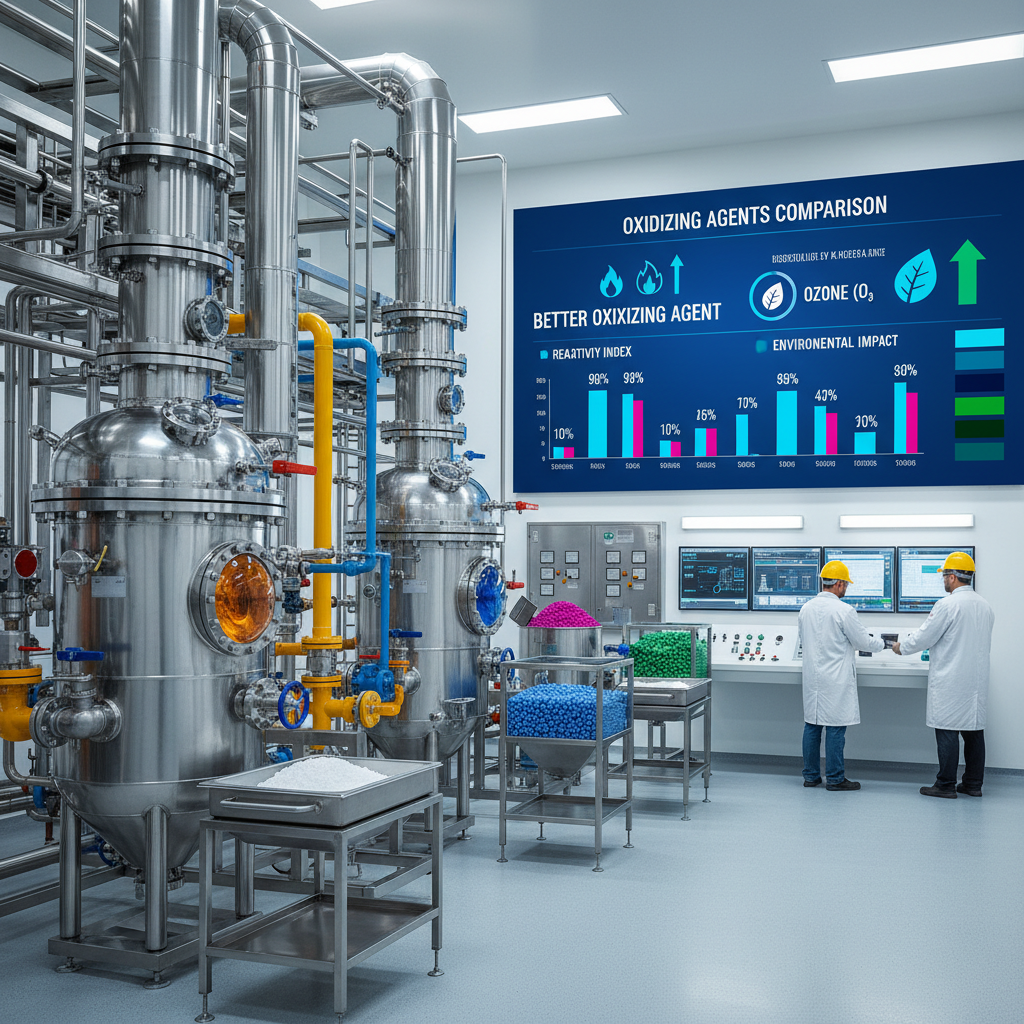
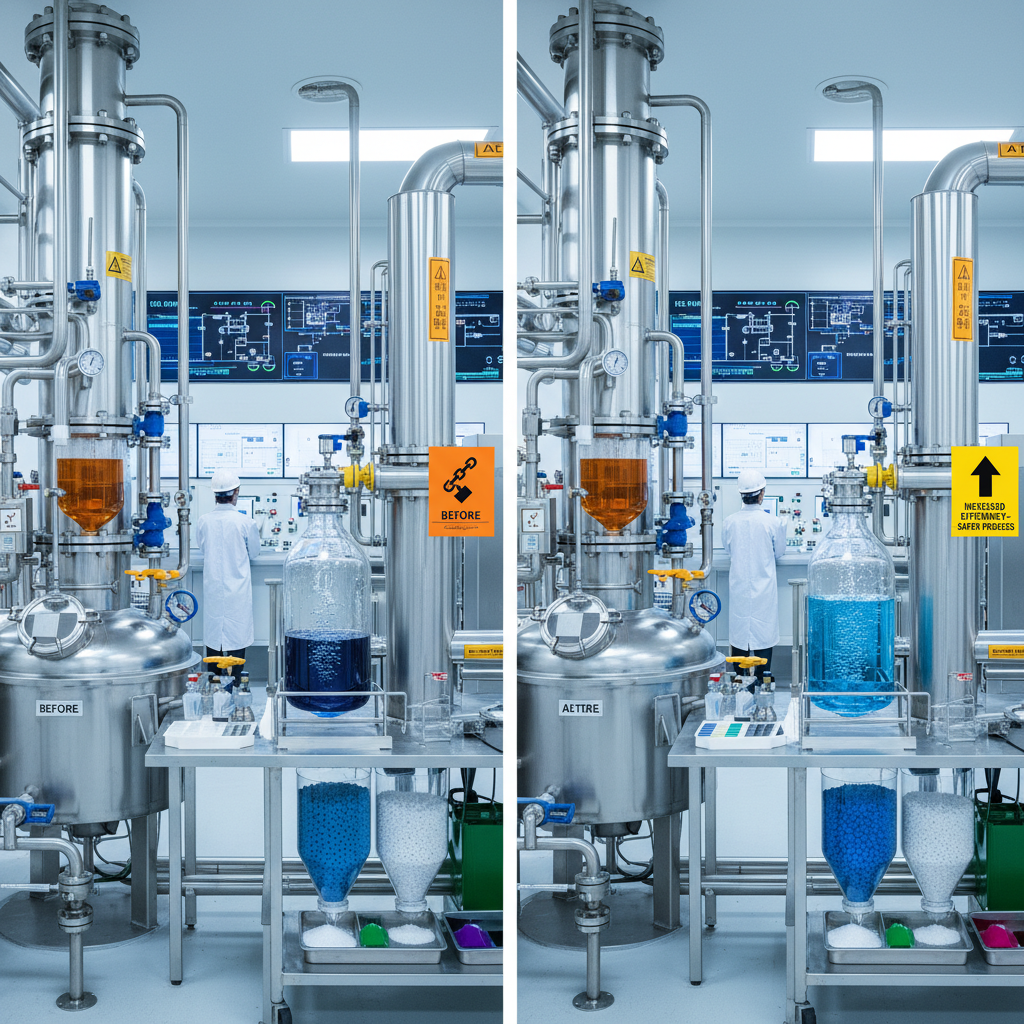
Efficiency Comparison of Oxidative Systems
Global Applications in Textile Processing
In the denim washing industry, a better oxidizing agent is used for controlled "bleach-out" effects. Instead of the unpredictable streaks caused by traditional bleach, modern agents allow for a smooth, gradient fade that is highly sought after in premium denim brands. This precision is achieved through the use of buffered oxidative systems that maintain a constant pH, preventing the denim from becoming brittle.
Beyond denim, these agents are critical in the pre-treatment of home textiles and medical linens. In remote industrial zones where water purity is low, high-tolerance oxidizing agents are employed to neutralize the effects of hard water and metallic impurities, ensuring that the final white fabric is truly neutral and free of "greyish" tints.
Long-Term Value and Sustainability
The transition to a superior oxidative system offers tangible long-term financial gains. By reducing the reliance on heavy alkali catalysts, mills can extend the lifespan of their machinery, reducing corrosion in stainless steel vats and piping. This reduction in maintenance downtime directly translates to higher factory throughput and improved profitability.
From a sustainability perspective, the use of a better oxidizing agent aligns with the "Circular Economy" model. Agents that decompose into harmless by-products, such as water and oxygen, eliminate the need for costly wastewater treatment plants to remove halogenated organic compounds, making the entire production chain more eco-friendly.
Moreover, there is an emotional value associated with innovation. Brands that can prove they use "green chemistry" in their bleaching and scouring stages build deeper trust with the conscious consumer. This transparency transforms a technical chemical choice into a powerful marketing asset, enhancing the brand's reputation for integrity and environmental stewardship.
Future Trends in Oxidative Chemistry
The future of the industry lies in "Smart Oxidation." We are seeing the rise of nano-encapsulated oxidizing agents that only activate under specific triggers, such as a precise temperature threshold or a specific pH shift. This ensures that the better oxidizing agent is delivered exactly where and when it is needed, virtually eliminating chemical waste.
Digital transformation is also playing a role. Integrated sensors in dyeing machines can now monitor the oxidation potential in real-time, automatically adjusting the dosing of the agent to account for variations in raw fabric quality. This automation removes the reliance on manual sampling and reduces the risk of human error.
Furthermore, the integration of biotechnology—specifically the use of peroxidase enzymes to activate chemical oxidants—is creating a hybrid approach. These bio-catalytic systems allow for oxidative processes to occur at room temperature, drastically cutting the energy required for heating water.
Analysis of Oxidative Agent Selection Criteria
| Agent Category |
Fiber Safety |
Eco-Impact |
Cost-Efficiency |
| Traditional Hypochlorite |
Low (High Risk) |
Poor |
High (Initial) |
| Standard Hydrogen Peroxide |
Medium |
Good |
Medium |
| Stabilized Peroxide |
High |
Very Good |
High (Long-term) |
| Enzymatic Oxidants |
Very High |
Excellent |
Medium |
| Organic Peracids |
High |
Good |
Medium |
| Nano-activated Agents |
Excellent |
Excellent |
High (ROI) |
FAQS
A "better" agent is characterized by its selectivity and stability. Instead of attacking the fabric fiber indiscriminately, it targets only the impurities (like natural oils or pigments). It also maintains a steady release of active oxygen, preventing the sudden chemical spikes that cause fabric damage and ensuring a uniform color result across the entire textile batch.
Yes, significantly. High-efficiency agents often require fewer rinse cycles because they decompose into harmless by-products and leave less residue. Additionally, their high efficacy allows for shorter processing times and lower temperatures, reducing both the water and energy needed for the pre-treatment phase.
While the initial cost per liter may be higher, the total operational cost usually drops. This is due to lower fabric waste (less damage), reduced energy bills, and the elimination of costly wastewater neutralization steps. Most mills see a return on investment within one to two production quarters.
The oxidative stage prepares the "canvas" for the dye. An inferior agent can leave chemical residues or create uneven absorbent areas on the fabric, leading to "streaking" or "patchy" dyeing. A better oxidizing agent ensures a perfectly clean, uniform surface, which allows dyes to penetrate deeply and evenly, resulting in superior color vibrancy.
Absolutely. In fact, they are preferred for organic cotton. Because organic fibers are often more sensitive to harsh chemicals, the controlled, low-temperature nature of advanced oxidative agents preserves the natural integrity and softness of organic cotton while still achieving the necessary whiteness.
The most common signs are a decrease in the fabric's tensile strength (tear tests), the appearance of "pinholes" after bleaching, or a slight yellowish tint in the white fabric. If you notice these issues, it is a strong indicator that you need to switch to a better oxidizing agent with a more controlled release mechanism.
Conclusion
Integrating a better oxidizing agent into the textile production chain is no longer an optional luxury but a fundamental requirement for competitiveness. By balancing high oxidative power with substrate safety and environmental responsibility, manufacturers can achieve a synergy of quality and sustainability. The shift toward stabilized, selective, and bio-integrated systems ensures that the fabric retains its strength while meeting the highest global standards of purity and whiteness.
As the industry moves toward a more digitized and green future, the adoption of advanced oxidative chemistry will be the primary differentiator between stagnant mills and innovative leaders. We encourage textile producers to audit their current pre-treatment processes and explore high-performance alternatives that protect both the product and the planet. For more professional solutions in textile auxiliaries, visit our website: www.dyeingchem.com