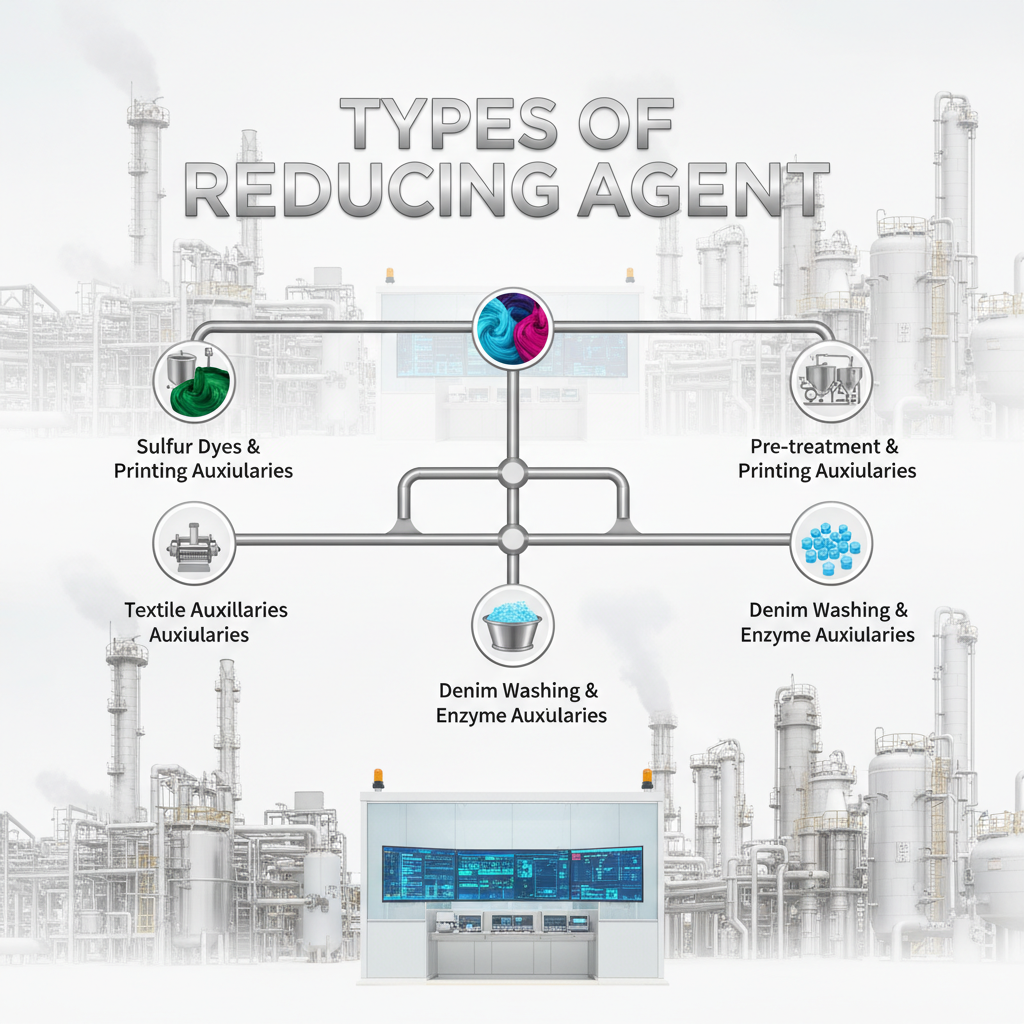
In the complex world of textile chemistry, the selection of the right types of reducing agent is pivotal for achieving vibrant colors and ensuring the stability of dyes. These chemical agents are essential for the reduction of vat dyes and sulfur dyes, allowing them to become soluble and penetrate the fiber deeply, which is a cornerstone of high-quality fabric production in the global garment industry.
Understanding the various types of reducing agent allows manufacturers to optimize their dyeing processes, reduce water waste, and minimize the environmental footprint of their facilities. As global standards for textile sustainability evolve, the transition from traditional harsh reducers to more eco-friendly alternatives has become a priority for leading chemical suppliers and textile mills alike.
From the heavy-duty requirements of denim washing to the delicate needs of high-end silk dyeing, the versatility of different types of reducing agent ensures that fabric hand-feel and color fastness are never compromised. By balancing chemical potency with safety, the industry can continue to innovate while meeting the stringent demands of international fashion brands.
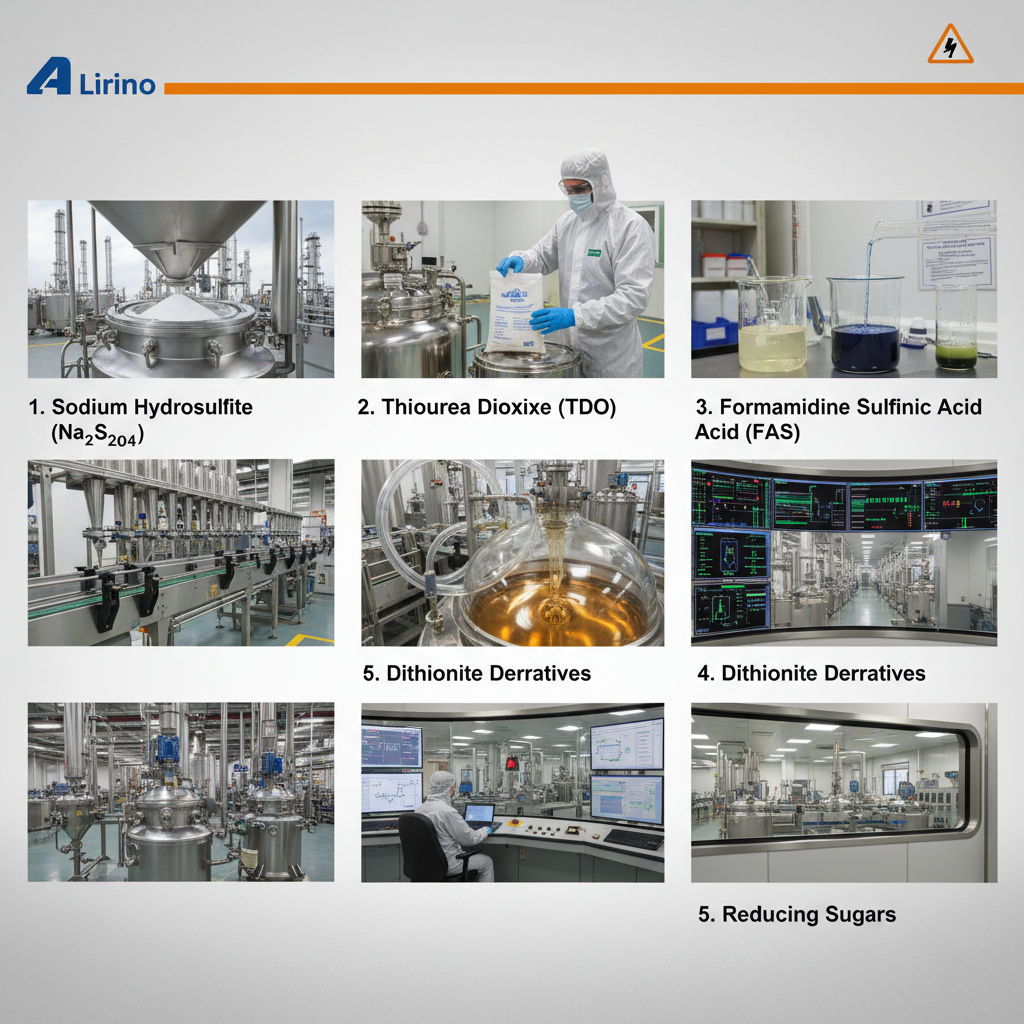
Global Significance of Reducing Agents in Textiles
On a global scale, the demand for high-performance dyes has placed an immense spotlight on the types of reducing agent used in the manufacturing process. According to textile industry benchmarks, the efficiency of a dyeing cycle is often dictated by how effectively the reducing agent can convert insoluble dyes into their soluble "leuco" form. Without these agents, the production of deep indigo denim or rich sulfur-dyed fabrics would be practically impossible.
The challenge facing the industry today is the balance between chemical strength and environmental compliance. With ISO standards pushing for lower chemical oxygen demand (COD) in wastewater, the search for advanced types of reducing agent that offer high reduction potential without leaving toxic residues is more critical than ever for factories in Asia and Europe.
Defining the Core Chemistry of Reducing Agents
At its most basic level, types of reducing agent are chemical substances that donate electrons to other molecules, thereby reducing them. In the context of textile auxiliaries, this process is essential for "opening" the dye molecule, allowing it to migrate from the dye bath into the fiber structure. This chemical reaction is the foundation of vat dyeing and sulfur dyeing processes.
Beyond simple chemistry, these agents are the bridge between a raw powder dye and a finished, colored garment. Whether it is Sodium Hydrosulfite (the most traditional option) or more modern organic reducers, the goal remains the same: to ensure a homogeneous distribution of color across the fabric surface, preventing streaks and uneven shading.
Modern industrial needs have expanded the definition of these agents to include "stabilized" versions. These enhanced types of reducing agent are designed to resist premature decomposition when exposed to air or heat, ensuring that the reduction potential remains constant throughout the entire dyeing cycle, which is crucial for large-scale industrial batches.
Key Performance Factors for Industrial Reducers
When evaluating different types of reducing agent, the first critical factor is Reduction Potential. This refers to the ability of the agent to maintain a sufficiently low redox potential (Eh) in the dye bath, which ensures that the dye remains in its soluble state and does not precipitate prematurely onto the fabric.
Stability and Solubility are equally vital. Many traditional types of reducing agent degrade quickly when exposed to oxygen. High-quality industrial reducers are formulated to stay active longer, reducing the need for repeated dosing and lowering the overall chemical consumption per kilogram of fabric.
Finally, Eco-compatibility has become a non-negotiable metric. The shift toward ZDHC (Zero Discharge of Hazardous Chemicals) compliance means that the types of reducing agent chosen must not introduce harmful salts or heavy metals into the effluent, making the subsequent wastewater treatment process more efficient and less costly.
Global Applications and Sector Use Cases
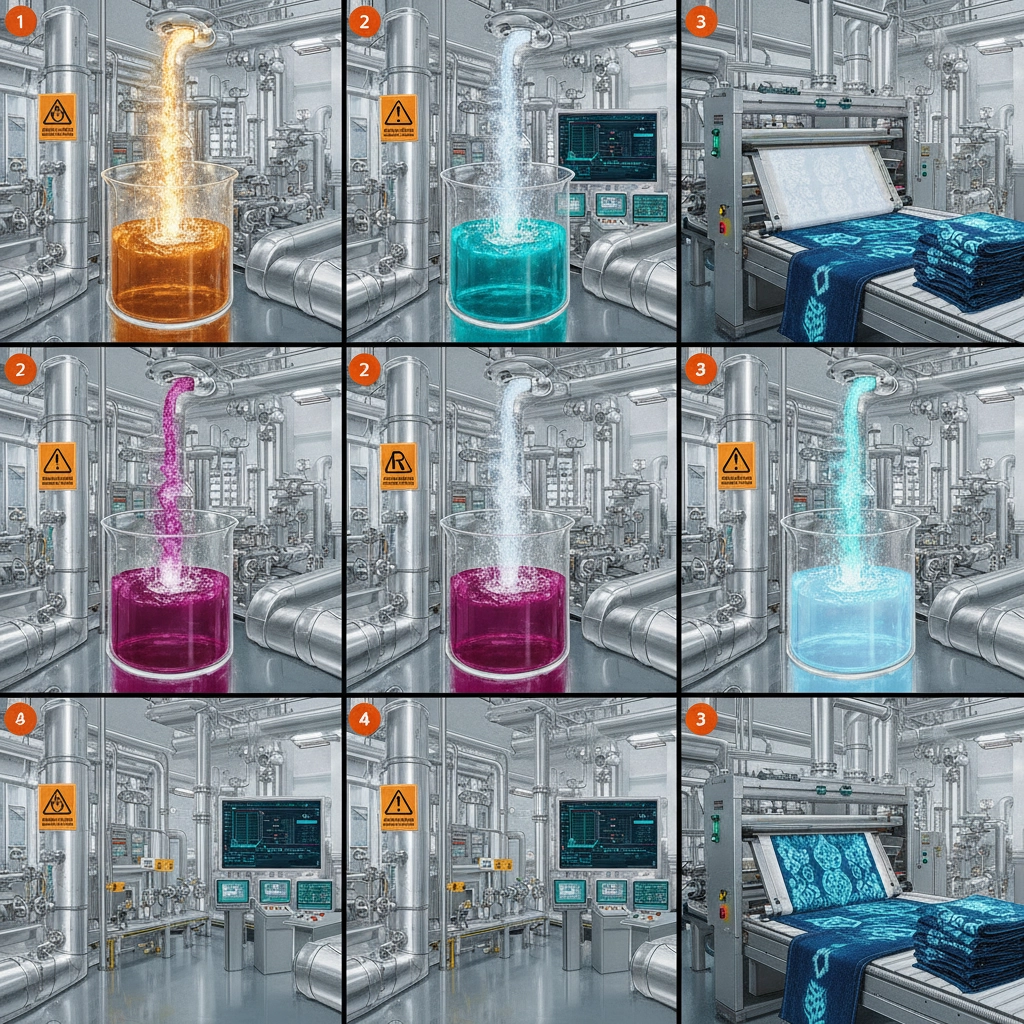
The application of types of reducing agent spans across various specialized sectors. In the denim industry, specifically for indigo dyeing, reducing agents are used to make indigo soluble. This process is repeated multiple times in "dipping" ranges to build up the characteristic blue depth associated with high-quality jeans produced in hubs like Turkey, Vietnam, and China.
In the realm of sulfur dyes, used extensively for black and dark brown cottons, powerful reducers are required to handle the more stubborn chemical bonds. Furthermore, in post-treatment processes, certain types of reducing agent are employed to strip unwanted colors or to clear residues from the fabric, ensuring that the final product meets the precise color standards of the client.
Performance Comparison of Various Reducing Agent Methods
Long-Term Value and Sustainability Benefits
Investing in the right types of reducing agent provides tangible long-term value by reducing the rate of fabric rejects. When a reducing agent is stable and predictable, the risk of "spotting" or uneven dye uptake is virtually eliminated, which directly translates to higher yields and lower material waste for the manufacturer.
Moreover, from a sustainability perspective, the shift toward high-efficiency types of reducing agent reduces the salt load in textile effluent. This not only protects local aquatic ecosystems but also lowers the cost of wastewater treatment, allowing factories to maintain their "green" certifications and secure contracts with environmentally conscious global brands.
Future Trends in Green Reducing Chemistry
The future of types of reducing agent is moving rapidly toward bio-based and electrochemical solutions. Research is currently focused on using glucose-derived reducers and enzyme-assisted reduction processes, which could potentially replace traditional sulfur-based chemicals entirely, eliminating the release of harmful sulfates into the environment.
Digital transformation is also playing a role, with automated dosing systems that use real-time sensors to monitor the redox potential of the dye bath. This ensures that the types of reducing agent are added in the exact quantities needed, preventing chemical over-dosage and further optimizing cost-efficiency.
Additionally, we are seeing the rise of "closed-loop" chemical systems where reducing agents can be partially recovered or neutralized more effectively. These innovations are not just about chemistry but about integrating the types of reducing agent into a smarter, more circular economy within the textile manufacturing landscape.
Overcoming Implementation Challenges
Despite the benefits, transitioning to new types of reducing agent often meets resistance due to the perceived risk of color inconsistency. Many mills are hesitant to move away from Sodium Hydrosulfite because of its proven track record. The solution lies in rigorous pilot testing and the use of "stabilized" hybrid agents that offer a bridge between old and new technologies.
Another challenge is the cost of upgrading equipment to support advanced types of reducing agent, such as electrochemical reduction cells. However, the long-term ROI is evident when considering the drastic reduction in chemical purchasing costs and the elimination of expensive wastewater fines.
Expert guidance and technical support from the chemical supplier are crucial during this phase. By providing precise dosing charts and training operators on the unique behaviors of modern types of reducing agent, factories can ensure a seamless transition without sacrificing production speed.
Technical Analysis of Different Reducing Agent Categories
| Agent Category |
Reduction Power |
Eco-Impact |
Typical Application |
| Sulfites (Conventional) |
Very High |
High Salt Load |
Sulfur Dyeing |
| Organic Reducers |
Medium |
Low/Biodegradable |
High-end Silk/Wool |
| Stabilized Hydros |
High |
Moderate |
Large Vat Dyeing |
| Glucose-Based |
Low to Medium |
Minimal |
Eco-friendly Denim |
| Electrochemical |
Extremely High |
Very Low |
Sustainable Indigo |
| Enzymatic Reducers |
Medium |
Zero Toxicity |
Specialty Post-treatment |
FAQS
The most common agents include Sodium Hydrosulfite (Sodium Dithionite), which is highly effective for vat and sulfur dyes, and various organic reducing agents that are preferred for their lower environmental impact. Stabilized versions of these chemicals are also widely used to prevent rapid oxidation during the dyeing process, ensuring color consistency across large fabric batches.
For denim, the choice depends on the desired shade and the sustainability goals of the brand. While traditional hydrosulfites provide deep indigo penetration, many modern mills are switching to glucose-based or electrochemical reduction methods to meet ZDHC standards and reduce the chemical oxygen demand (COD) in their wastewater.
Yes, however, they often require different process parameters. While a traditional agent might work quickly, an eco-friendly reducer may require a slightly longer immersion time or a specific temperature range to achieve the same "leuco" state. With proper technical calibration, the final color depth and fastness remain identical.
Stability refers to the agent's resistance to decomposition when exposed to air and water. Since reducing agents are designed to donate electrons, they naturally react with oxygen. Stabilized agents include additives that slow this reaction, meaning the dye bath remains active for longer, reducing the need for frequent chemical top-ups.
Generally, the reducing agent itself does not change the hand-feel, but the residues it leaves behind can. High-salt reducers can leave the fabric feeling stiff if not rinsed properly. Modern, low-salt or organic agents typically result in a softer hand-feel and require fewer rinsing cycles, which also saves water.
Most traditional reducing agents must be stored in cool, dry, and well-ventilated areas, away from oxidizing agents and moisture. Proper sealing is essential to prevent oxidation. We recommend using airtight containers and following strict MSDS guidelines to ensure worker safety and chemical potency.
Conclusion
Selecting the appropriate types of reducing agent is far more than a simple procurement decision; it is a strategic choice that impacts color quality, production efficiency, and environmental compliance. From the raw power of sodium hydrosulfites to the precision of electrochemical reduction, the right agent ensures that dyes are fully utilized, fabrics are perfectly shaded, and wastewater is manageable.
As the textile industry moves toward a more sustainable future, the adoption of green chemistry and automated dosing will define the next generation of dyeing. We encourage manufacturers to evaluate their current chemical usage and explore stabilized or organic alternatives to future-proof their operations. To find the perfect chemical match for your production needs, visit our website: www.dyeingchem.com.