Premium dye auxiliaries Solutions for South Korea's Textile Industry

Driving sustainable innovation in Korean textile manufacturing with high-performance chemical agents for superior color fastness and fabric quality.

Premium dye auxiliaries Solutions for South Korea's Textile Industry

Optimizing the dyeing and finishing processes in South Korea through advanced chemical engineering, ensuring precision in every fiber and efficiency in every batch.

Analysis of the South Korean Textile Chemical Landscape

Navigating the balance between high-fashion demands and stringent environmental regulations in East Asia.

South Korea's textile industry, centered around hubs like Daegu, is currently transitioning from mass production to high-value functional fabrics. The integration of textile auxiliaries chemicals has become critical as manufacturers shift toward eco-friendly dyes and smart textiles to maintain a competitive edge in the global luxury market.

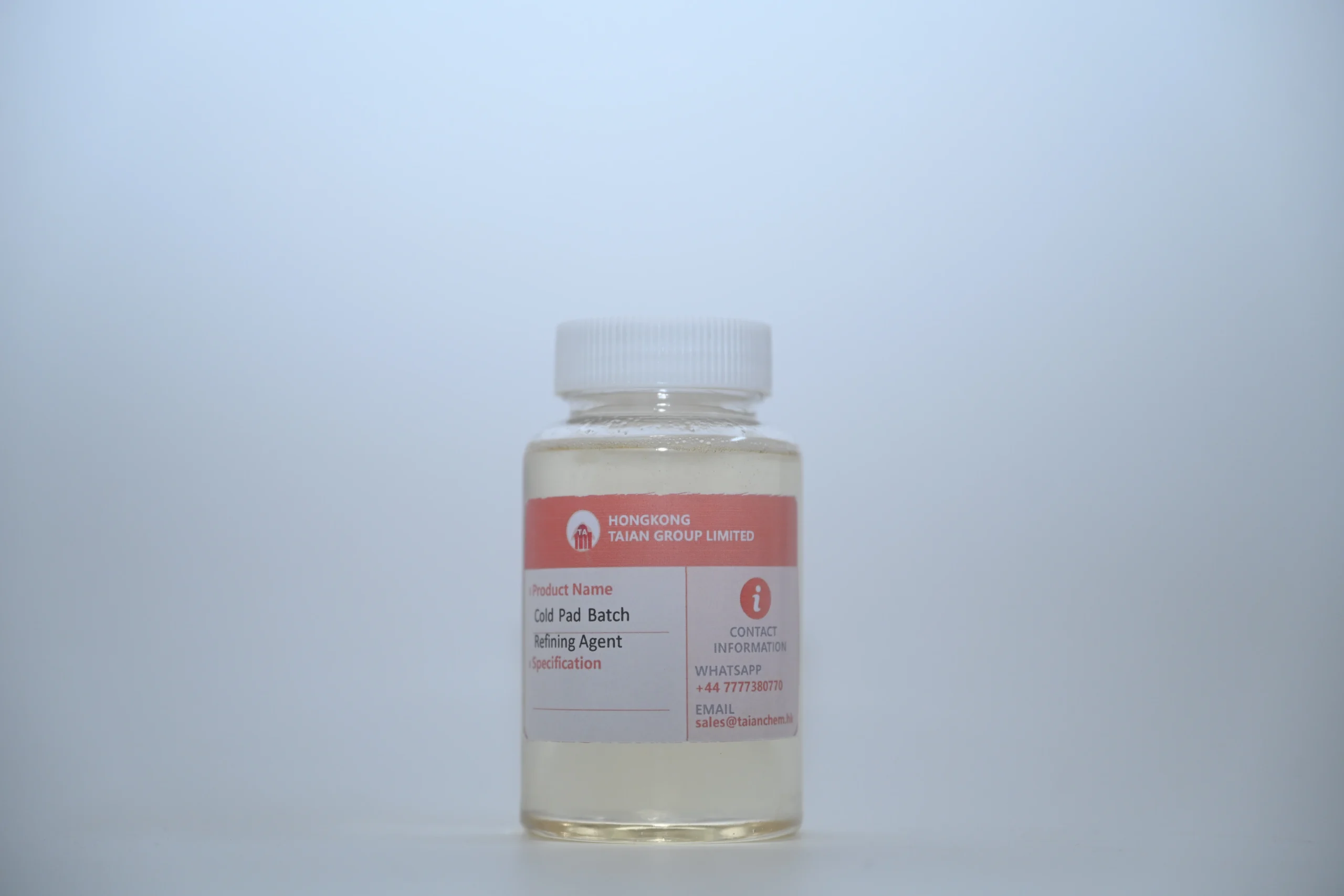
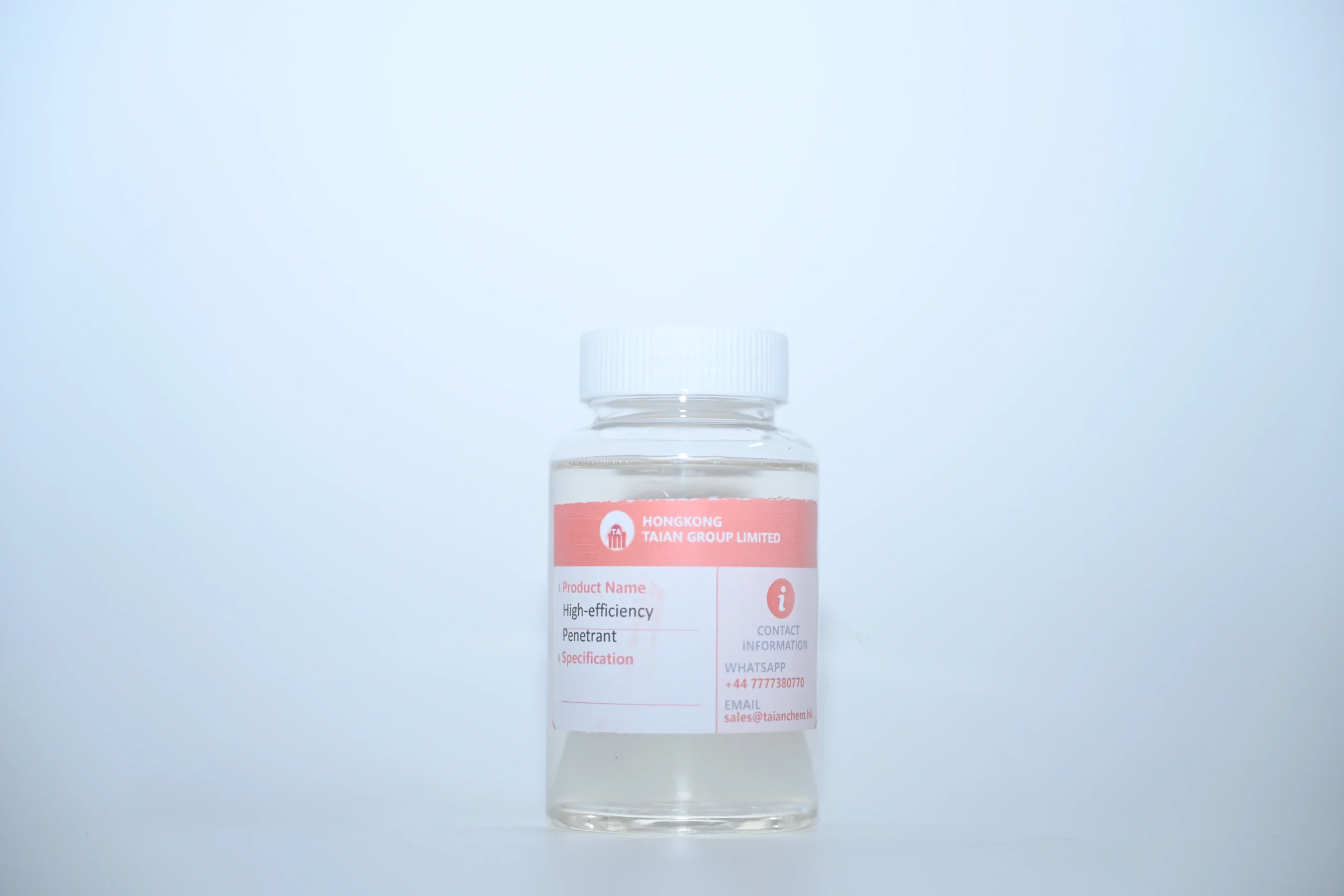
The regional climate, characterized by distinct seasonal humidity shifts, requires precise control over moisture and chemical penetration. This has led to an increased demand for a high-efficiency penetrating agent to ensure uniform dye uptake and reduce waste in high-speed automated dyeing lines common in Korean factories.

Furthermore, with the South Korean government's strict K-REACH regulations, the industry is under pressure to replace hazardous substances. This shift is driving the adoption of specialized oxidizing agent reducing agent combinations that minimize wastewater toxicity without compromising the deep shades required for technical apparel.
Evolution and Trajectory of Korean Dyeing Technology

From traditional sulfur dyeing to digital chemical precision.

Market Development History

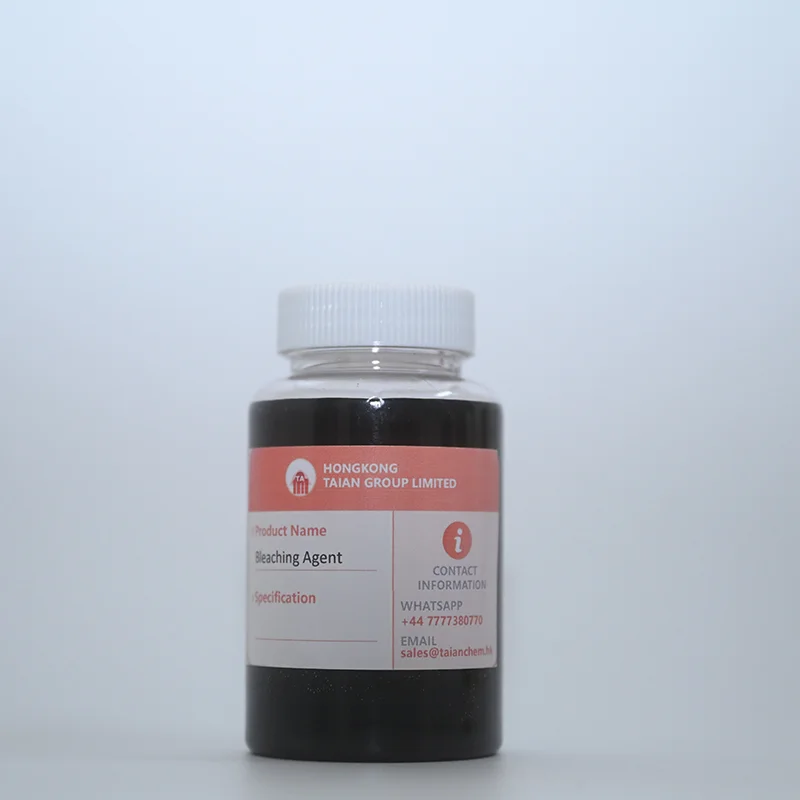
In the 1970s and 80s, the Korean textile sector relied heavily on basic mass-dyeing techniques. During this era, sulfur black was the dominant choice for industrial-scale black fabrics due to its cost-effectiveness and durability, forming the backbone of the early export economy.

By the early 2000s, the focus shifted toward "Fast Fashion" and high-precision color matching. This period saw the introduction of synthesized dye auxiliaries that allowed for shorter dyeing cycles and a wider spectrum of vibrant, consistent colors across synthetic blends.

From 2015 to the present, the trajectory has moved toward "Green Chemistry." The industry now integrates biodegradable agents and closed-loop water systems, focusing on the molecular optimization of reducing agents to lower the carbon footprint of the dyeing process.

Future Development Trends

Nano-Scale Penetration Technology

Future trends indicate a move toward nano-emulsions that allow chemicals to penetrate deeper into synthetic fibers with 30% less water usage.

Digital Chemical Dosing

Integration of AI-driven dosing systems that adjust the ratio of oxidizing and reducing agents in real-time based on fabric weight and temperature.

Bio-Based Auxiliaries

The replacement of petroleum-derived surfactants with bio-based alternatives to meet the zero-emission goals of the 2030 Korean Green New Deal.

Strategic Trends and Future Outlook for South Korea

Predicting the next wave of innovation in specialty textile chemicals.

Zero-Liquid Discharge (ZLD)
Implementation of chemicals that facilitate total water recovery, aligning with South Korea's strict environmental laws.
Smart Textile Integration
Developing auxiliaries that do not interfere with conductive yarns used in South Korea's wearable tech sector.
Low-Temperature Processing
Advancing catalysts that allow dyeing at 40-60°C instead of 100°C, reducing energy costs in Korean plants.
Eco-Certified Chemistry
Transitioning all product lines to meet OEKO-TEX and Bluesign standards for export to the EU and USA.

Industry Outlook

Based on Google Search trends for "sustainable textile chemicals" in Asia, we predict a 25% increase in demand for bio-based agents in the South Korean market over the next 3 years. The market will shift from purely aesthetic results to "performance-plus-ecology" metrics.

Korean manufacturers will increasingly adopt integrated chemical systems where the oxidizing agent reducing agent balance is controlled by machine learning to ensure zero defects in high-end athletic wear.

Local Application Scenarios in South Korea

Real-world implementations of specialty auxiliaries in Korean manufacturing.

01. High-End Outdoor Apparel (Seoul/Gyeonggi)

Utilizing specialized penetrating agents to ensure waterproof membranes in high-tech outdoor gear are dyed evenly without compromising the breathable layer.

02. Luxury Silk and Satin Finishing (Daegu)

Applying precision dye auxiliaries to achieve the high-luster, deep hues required for the luxury bridal and evening wear market in Daegu's textile clusters.

03. Industrial Workwear Production (Busan)

Using optimized sulfur black formulations for heavy-duty uniforms that require extreme color fastness and resistance to industrial washing.

04. Eco-Friendly Organic Cotton Lines (Jeju/Local)

Implementing bio-based textile auxiliaries chemicals for small-batch organic clothing lines targeting the environmentally conscious youth demographic.

05. Automotive Interior Fabrics (Ulsan)

Integrating heat-stable reducing agents to ensure that car seat fabrics maintain color integrity under extreme sunlight exposure in South Korean summers.

Brand Story

Global Development History of Shijiazhuang Taikun Chemical Co., Ltd.

Founding Vision

Established with the mission to bridge the gap between raw chemical power and textile precision, focusing on solving the instability of dye uptake.

Technical Breakthrough

Developed a proprietary synthesis method for reducing agents that significantly lowered the COD levels in textile wastewater.

Asian Expansion

Entered the South Korean market by providing tailored solutions for the Daegu textile cluster, optimizing their sulfur dyeing processes.

Eco-Innovation Era

Launched a full line of GOTS-certified auxiliaries, enabling our partners to meet the strictest global environmental standards.

Global Leadership

Today, we stand as a leading partner for textile mills worldwide, combining chemical expertise with a commitment to sustainable fashion.

Complete Chemical Portfolio for South Korea

A comprehensive range of high-performance agents designed for the Korean textile ecosystem.

Common Questions for the Korean Textile Market

Expert answers to technical challenges faced by regional manufacturers.

How do I choose the right penetrating agent for synthetic blends in Korea?

Selection depends on the fiber ratio. For high-polyester blends, we recommend a non-ionic penetrating agent that lowers surface tension quickly at 60°C to ensure deep dye migration.

What is the best way to optimize oxidizing agent reducing agent ratios?

We suggest a phased titration approach. Start with a stable reducing environment to open the fiber, followed by controlled oxidation to fix the color, tailored to the fabric's GSM.

Can sulfur black be used in eco-friendly certified production lines?

Yes, if paired with modern sulfur-reducing auxiliaries and a closed-loop wastewater treatment system that removes sulfides before discharge.

Which dye auxiliaries are most effective for preventing streaks in high-speed dyeing?

Leveling agents with high migration properties are essential. These ensure that the dye distributes evenly across the fabric surface during the rapid heating phase.

How do textile auxiliaries chemicals impact K-REACH compliance?

Compliance requires avoiding restricted APEOs and phthalates. Our current product line is formulated to be 100% K-REACH compliant for the South Korean market.

What is the shelf life of high-concentration reducing agents?

Typically 6-12 months when stored in cool, dry conditions. We recommend airtight containers to prevent premature oxidation from humidity.

Ready to Optimize Your Production?

Our technical team is ready to provide customized chemical formulations for your facility in South Korea.

Contact Us Now

If you are interested in our products, you can choose to leave your information here, and we will be in touch with you shortly.