High-Performance dye auxiliaries Solutions for Yemen Textile Industry

Optimizing fabric processing and color consistency with advanced chemical agents tailored for the Middle Eastern climate.

High-Performance dye auxiliaries Solutions for Yemen Textile Industry

Providing the Yemeni textile sector with a comprehensive range of textile auxiliaries chemicals to enhance durability, vibrancy, and production efficiency.

Chemical Processing Status in Yemen's Textile Sector

Analyzing the intersection of traditional craftsmanship and modern chemical requirements in Asia - Yemen.

The textile industry in Yemen operates under challenging environmental conditions, where high temperatures and varying water hardness significantly impact the efficacy of penetrating agent applications. Local workshops often struggle with consistency due to the volatile supply chain of high-purity specialty chemicals.

Currently, there is a heavy reliance on traditional dyeing methods. However, the demand for sulfur black is consistently high due to its popularity in local garment production, necessitating more stable reducing agents to ensure deep, uniform shades.

Environmental constraints in the region have pushed local manufacturers to seek more efficient oxidizing agent reducing agent combinations that minimize water waste while maintaining the high-fastness standards required for export-quality fabrics.
Evolution of Textile Chemistry in Yemen

From manual dyeing pits to standardized industrial chemical applications.

Market Development History

In the early 2000s, the Yemeni market relied almost exclusively on basic salts and crude alkalis. The primary focus was on basic color fixation without the use of sophisticated stabilizers, leading to high fabric degradation rates.

Between 2010 and 2020, there was a shift toward imported synthetic agents. The introduction of specialized dye auxiliaries allowed local factories to achieve more consistent batch-to-batch results, reducing the waste of raw fabrics.

From 2021 to the present, the industry has entered a phase of "precision chemistry," where the focus is on the synergistic use of wetting and dispersing agents to optimize the penetration of dyes into dense cotton fibers.

Future Development Trends

Water-Saving Formulation

Driven by Yemen's water scarcity, future trends indicate a move toward low-liquor ratio auxiliaries that reduce water consumption by 30%.

Biodegradable Reducing Agents

There is a growing search trend for eco-friendly oxidizing agent reducing agent systems to comply with emerging international environmental standards.

Automated Dosage Systems

The integration of IoT-enabled dosing pumps to ensure the precise application of chemicals, reducing human error in traditional dyeing vats.

Future Trends and Outlook for Yemen Textile Chemicals

Strategic foresight into the chemical requirements of the Yemeni textile market.

Green Chemistry Shift
Transitioning toward non-toxic, APEO-free textile auxiliaries to meet global export requirements.
High-Concentration Agents
Developing concentrated formulas to reduce shipping costs and storage space in Yemen's logistics hubs.
Hard Water Tolerance
Engineering chelating agents specifically designed to work with the high mineral content of local Yemeni water.
Fast-Dyeing Tech
Implementing accelerated dyeing cycles to increase factory throughput and reduce energy expenditure.

Industry Outlook

The Yemeni textile market is expected to transition from basic processing to value-added finishing. This will require a broader spectrum of specialty chemicals that can handle diverse fabric blends, moving beyond traditional cotton.

As regional trade agreements evolve, the demand for high-quality textile auxiliaries chemicals will likely grow by 5-8% annually, focusing heavily on sustainable and high-yield formulations.

Localized Application Scenarios in Yemen

Practical implementations of textile chemistry in regional production environments.

1. Traditional Garment Dyeing with Sulfur Black

Applying specialized reducing agents to ensure the deep penetration and stability of sulfur black in local cotton wear, preventing bleeding and fading in harsh sunlight.

2. High-Mineral Water Pre-treatment

Using an advanced penetrating agent to neutralize the effects of hard water in Sana'a, ensuring the fabric is uniformly wetted before dyeing.

3. Industrial Fabric Bleaching and Cleaning

Implementing a balanced oxidizing agent reducing agent cycle to remove impurities from raw yarns without damaging the fiber strength.

4. Export-Grade Finish Application

Utilizing premium dye auxiliaries to create soft-touch, high-color-fastness fabrics that meet the standards for export to GCC markets.

5. Rapid Color Change-over for Small Batches

Deploying fast-acting cleaning auxiliaries that allow small-scale Yemeni workshops to switch between different dye colors with minimal water rinsing.

Brand Story

Global Development History of Shijiazhuang Taikun Chemical Co., Ltd.

Foundation and Specialization

Established with a focus on the core chemistry of textile processing, we began by solving basic dyeing inconsistencies for regional manufacturers.

Technological Breakthroughs

Invested heavily in R&D to develop high-efficiency agents that reduce chemical waste, focusing on the molecular stability of auxiliaries.

Global Market Expansion

Expanded our footprint to Asia and the Middle East, adapting our formulas to suit the specific water and climate conditions of regions like Yemen.

Sustainability Commitment

Launched a series of eco-friendly product lines, ensuring that textile production can coexist with environmental preservation.

Industry Leadership

Today, we stand as a leading provider of comprehensive chemical solutions, empowering textile mills globally with precision and reliability.

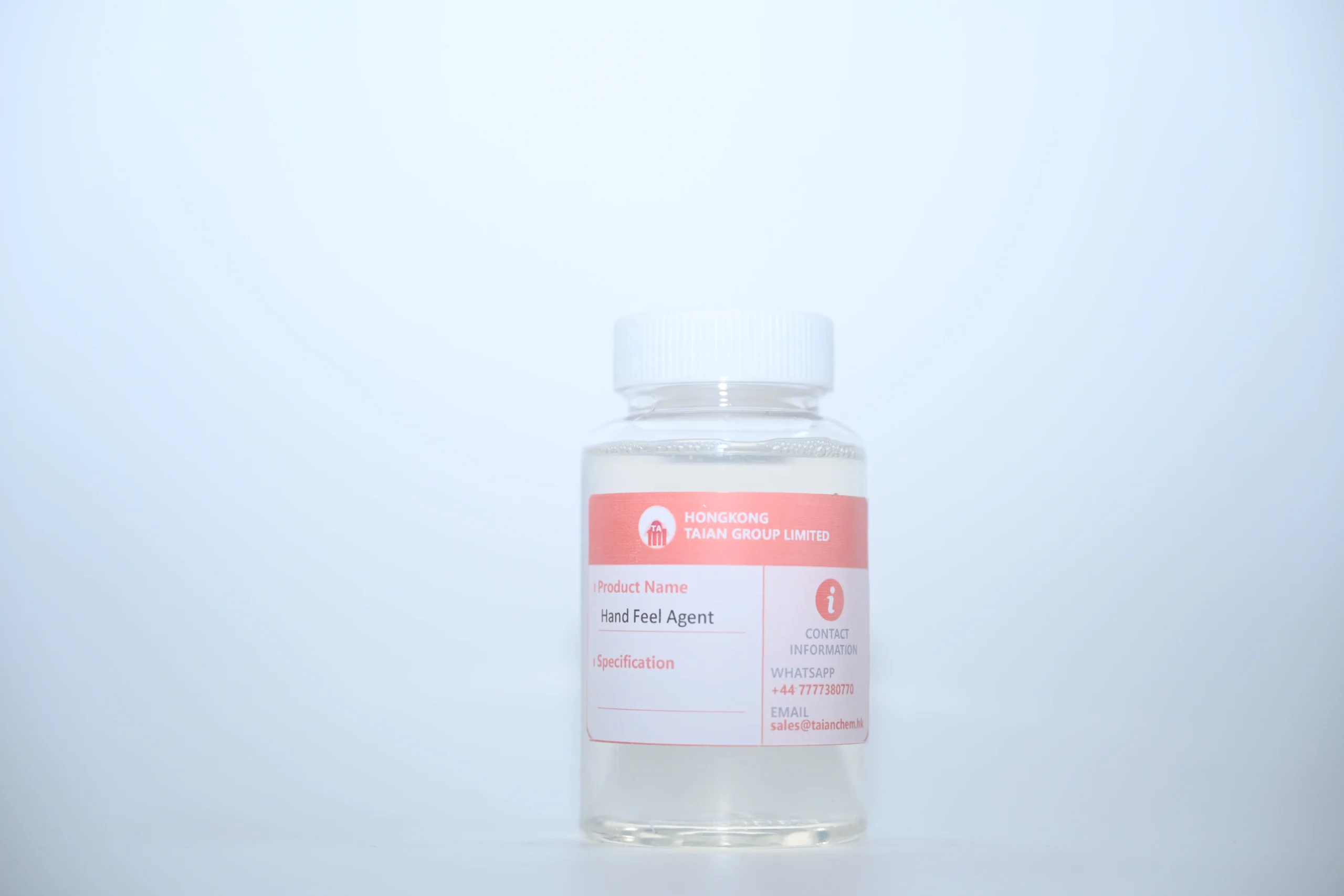
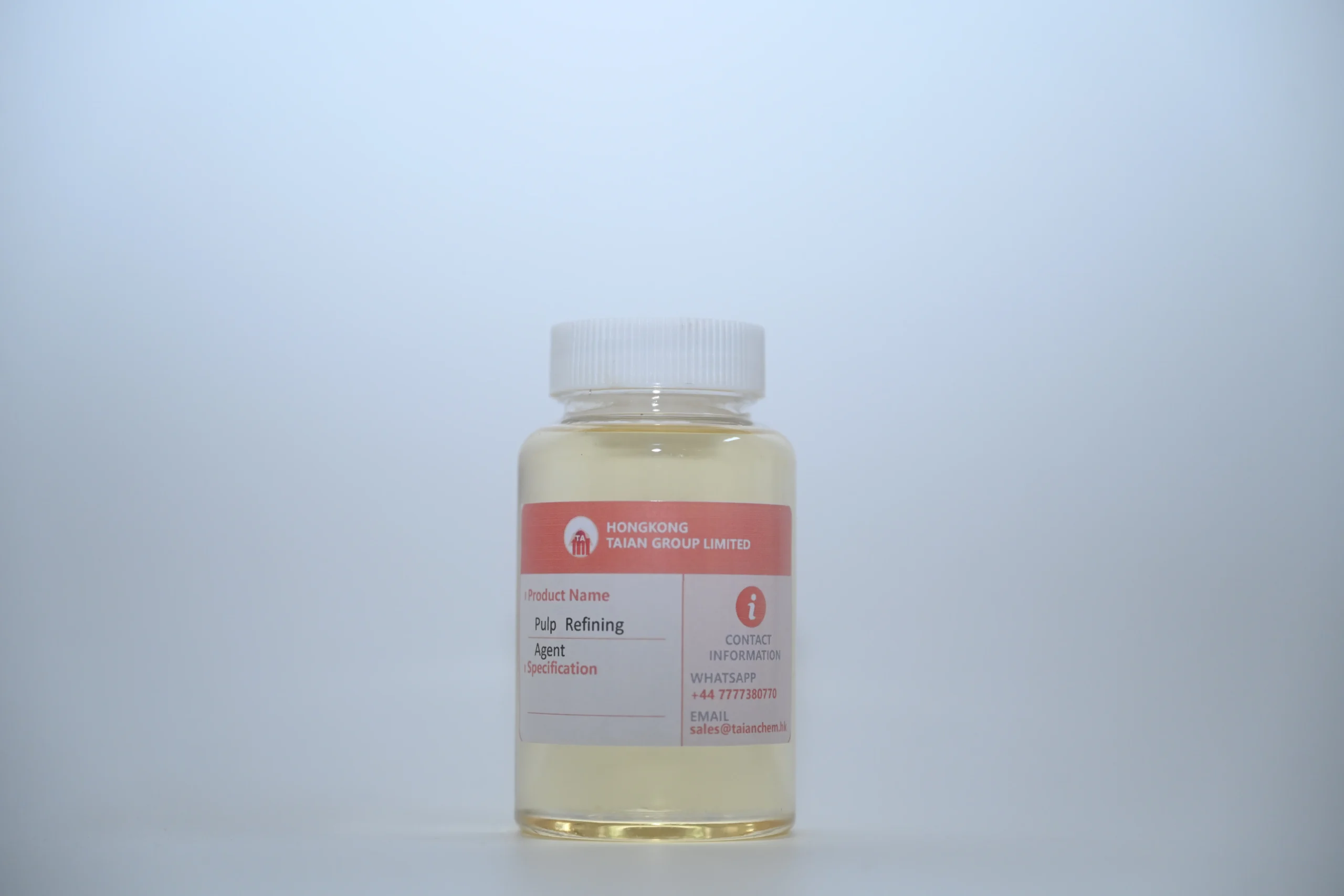
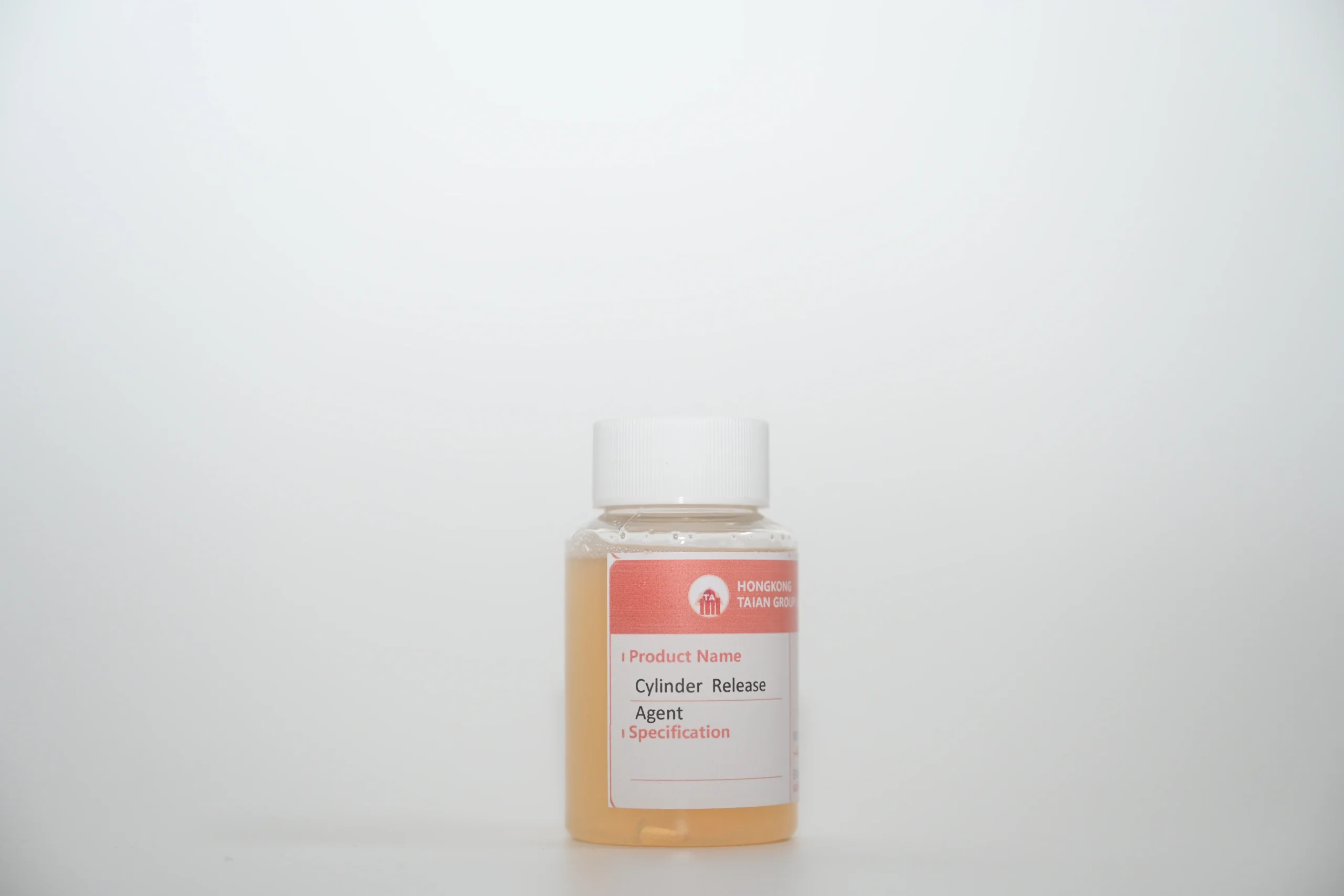
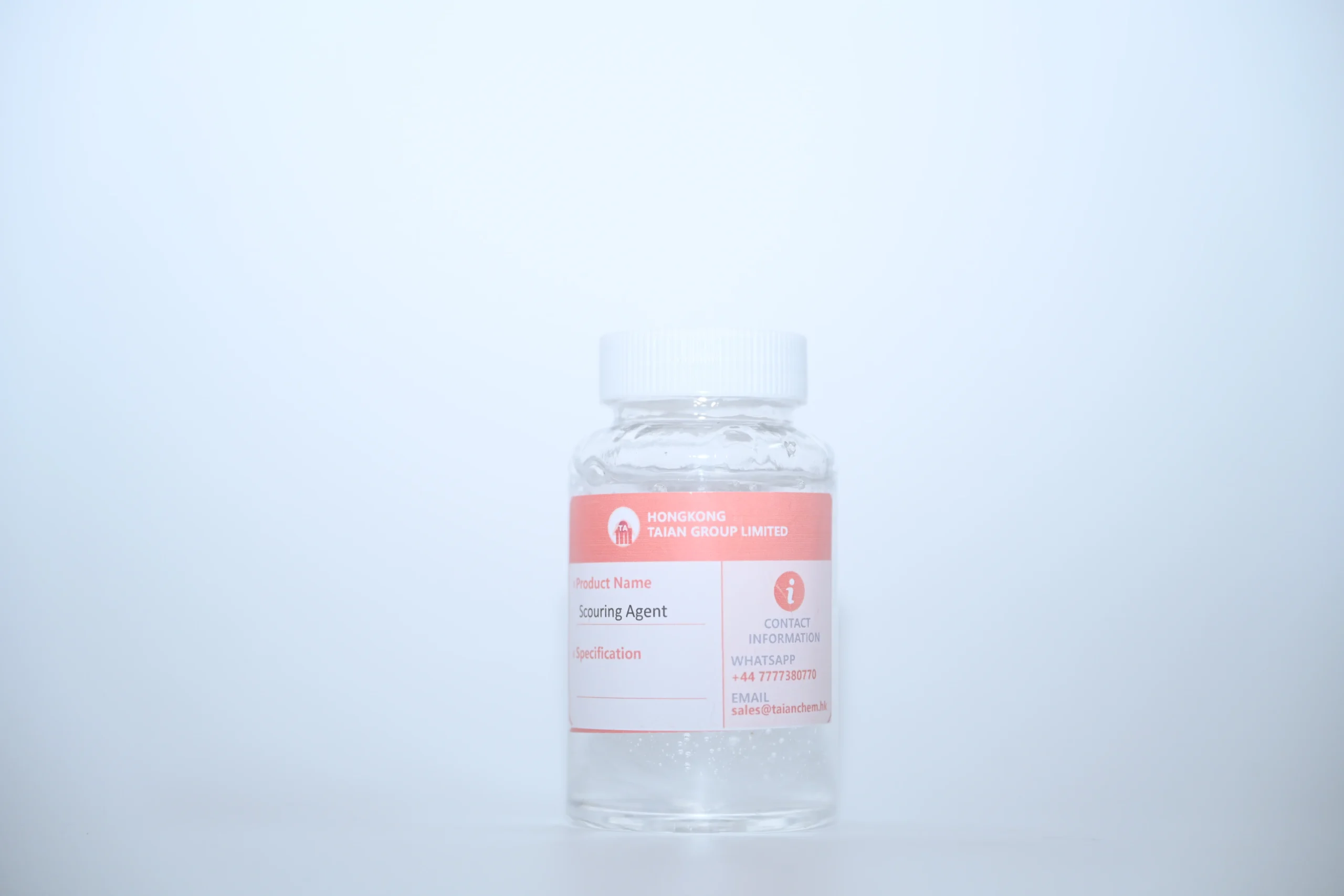
Complete Chemical Portfolio for the Yemen Textile Market

A curated selection of high-performance chemicals designed for maximum efficiency in the Middle Eastern climate.

Frequently Asked Questions for Yemen Textile Processors

Expert answers to common technical challenges in local dyeing and finishing.

How to improve the penetration of sulfur black in hard water areas of Yemen?

The best approach is to use a high-performance penetrating agent during the pre-treatment phase to lower surface tension and displace minerals, allowing the dye to enter the fiber uniformly.

What is the best oxidizing agent reducing agent ratio for cotton fabrics?

The ratio depends on the dye load, but using a stabilized oxidizing agent reducing agent system helps in maintaining the redox potential, ensuring full reduction of sulfur dyes without degrading the cotton cellulose.

Which dye auxiliaries are most effective for preventing color bleeding?

Cationic fixing agents and high-quality dye auxiliaries that enhance the covalent bond between the dye molecule and the fabric are most effective for high-fastness requirements.

Can textile auxiliaries chemicals reduce water consumption in Yemen factories?

Yes, by using specialized low-foam wetting agents and high-efficiency dispersing agents, factories can reduce the number of rinsing cycles, significantly saving water.

How to handle sulfur black precipitation in the dye bath?

Ensure the use of a strong reducing agent and a dispersing auxiliary to keep the sulfur black in a soluble leucothione form throughout the dyeing process.

What are the storage requirements for chemicals in hot climates like Yemen?

Chemicals should be stored in cool, dry, and well-ventilated areas away from direct sunlight to prevent the thermal decomposition of active ingredients in the auxiliaries.

Expert Technical Support for Yemen Textiles

Our team is ready to provide customized chemical formulations and technical guidance to factories across Yemen.

Contact Us Now

If you are interested in our products, you can choose to leave your information here, and we will be in touch with you shortly.