High-Performance dye auxiliaries Solutions for the Netherlands Textile Industry

Optimizing textile processing with advanced chemical formulations tailored for the Dutch sustainable manufacturing landscape.

High-Performance dye auxiliaries Solutions for the Netherlands Textile Industry

Providing precision-engineered chemical agents to enhance color yield, fabric stability, and environmental compliance for Dutch textile producers.

Current State of Textile Chemical Applications in the Netherlands

Navigating the balance between industrial efficiency and stringent European environmental regulations.

The Netherlands operates as a strategic hub for textile logistics and specialized manufacturing in Europe. Currently, the industry is heavily focused on reducing the chemical footprint, leading to a surge in demand for eco-friendly textile auxiliaries chemicals that comply with REACH regulations and OEKO-TEX standards.

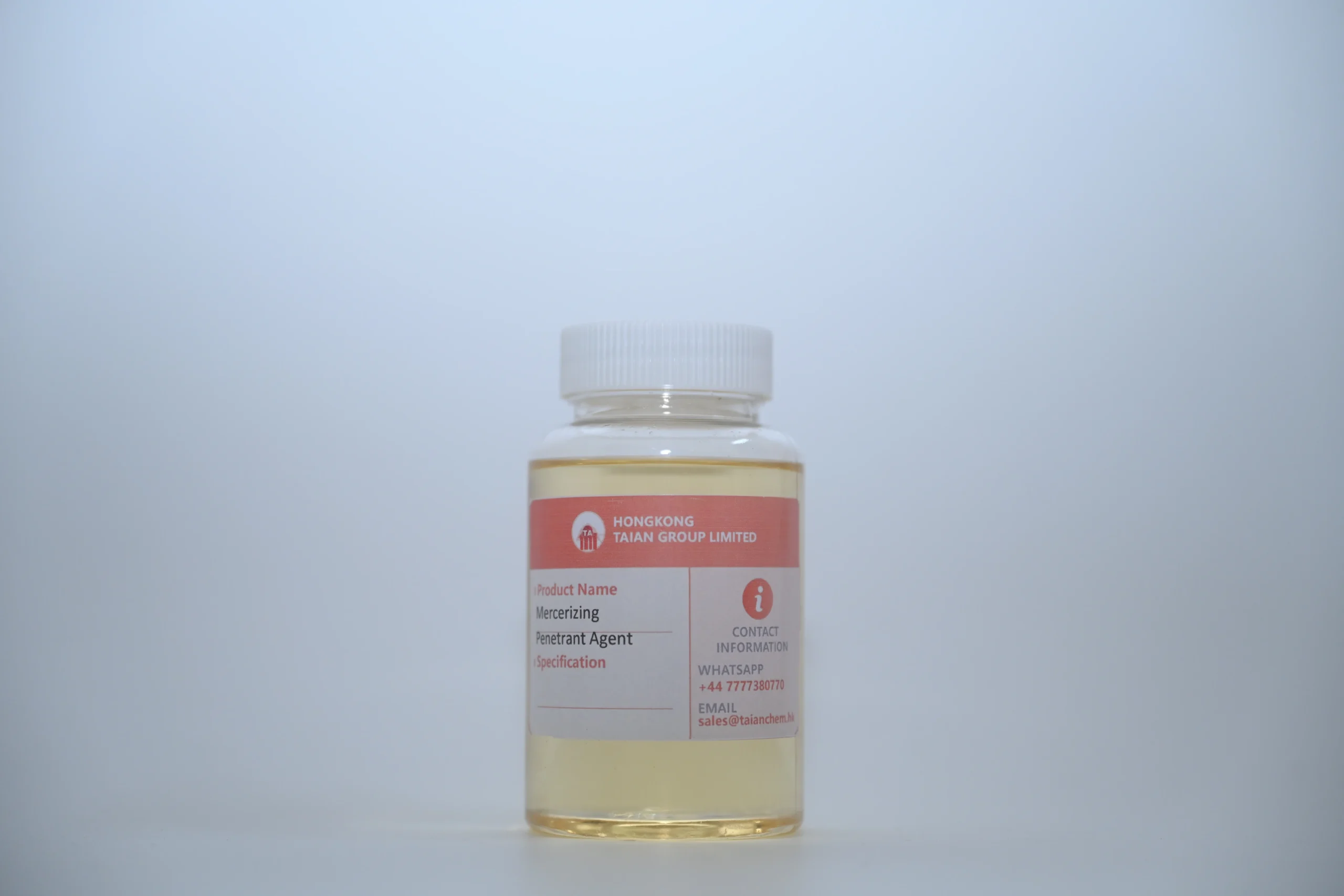
Due to the Dutch commitment to water purity and the proximity of manufacturing sites to sensitive water tables, there is a critical shift toward using high-efficiency penetrating agent formulations. These agents minimize water consumption and reduce the overall energy required during the pretreatment phase of dyeing.

Furthermore, the local market shows a high preference for precision-based chemistry. The integration of automated dosing systems in Dutch factories requires chemicals that exhibit extreme stability and predictability, ensuring that consistency is maintained across high-volume production cycles.
Evolution and Trajectory of Textile Chemical Technology

From traditional bulk processing to the era of sustainable molecular engineering.

Market Development History

In the early 2000s, the Dutch textile sector relied heavily on generic chemical formulations. The focus was primarily on cost-efficiency and basic functionality, with a reliance on standard sulfur black dyeing processes for heavy industrial fabrics.

Between 2010 and 2020, the transition toward "Green Chemistry" accelerated. The industry moved away from hazardous substances, replacing old-school additives with biodegradable alternatives and optimizing the use of oxidizing agent reducing agent pairs to ensure cleaner bleaching and stripping processes.

Currently, the trajectory is defined by "Digital Chemistry." Modern Dutch facilities are integrating AI-driven color matching and real-time chemical monitoring to eliminate waste and ensure 100% repeatability in luxury and technical textile production.

Future Development Trends

Bio-Based Chemical Synthesis

The next 3-5 years will see a shift toward auxiliaries derived from agricultural waste, reducing reliance on petroleum-based feedstocks to meet Netherlands' carbon neutrality goals.

Waterless Dyeing Technologies

Driven by Google search trends for "sustainable textile processing," there is a significant move toward supercritical CO2 dyeing and plasma treatment to eliminate water usage entirely.

Smart Molecular Delivery

Development of encapsulated auxiliaries that release active ingredients only under specific pH or temperature triggers, maximizing chemical efficiency and reducing runoff.

Future Outlook of Textile Chemical Engineering

Predicting the shift towards circularity and zero-impact manufacturing.

Circular Economy Integration
Implementing closed-loop systems where chemical auxiliaries are recovered and reused from wastewater.
AI-Driven Formulation
Utilizing machine learning to predict the interaction between fibers and chemicals for zero-defect dyeing.
Zero-Liquid Discharge (ZLD)
Advanced chemical agents designed to facilitate the total recovery of water from dyeing effluents.
Nanotechnology Finishes
Integrating nano-scale auxiliaries to provide antimicrobial and hydrophobic properties without toxic coatings.

Industry Outlook

The Netherlands is poised to lead the European transition toward "Smart Textiles." This will require a fundamental redesign of textile auxiliaries chemicals to be compatible with conductive fibers and 3D-knitted structures, ensuring that chemical additives do not interfere with electronic properties.

Furthermore, as the EU tightens the "Strategy for Sustainable and Circular Textiles," we expect a drastic decline in the use of traditional solvents, replaced by enzymatic catalysts and bio-based surfactants that maintain high performance while ensuring rapid biodegradability in Dutch water systems.

Localized Application Scenarios in the Netherlands

Real-world deployment of chemical solutions across diverse Dutch textile segments.

01. High-End Denim Finishing in Amsterdam

Using precision sulfur black and specialized reducing agents to achieve deep, consistent midnight tones for sustainable fashion labels while minimizing effluent toxicity.

02. Technical Textiles for Maritime Use in Rotterdam

Applying high-performance penetrating agent coatings to industrial canvases, ensuring extreme water resistance and durability for the North Sea environment.

03. Sustainable Home Textiles in Brabant

Utilizing eco-certified dye auxiliaries to ensure vibrant, long-lasting colors on organic linens, meeting the strict hypoallergenic requirements of the EU market.

04. Precision Bleaching for Medical Apparel

Implementation of controlled oxidizing agent reducing agent cycles to achieve sterile, optic-white finishes on medical-grade polyester blends without degrading fiber strength.

05. Recycled Fiber Processing Centers

Deploying specialized chemical stripping agents to remove dyes from post-consumer textile waste, enabling the regeneration of high-quality recycled yarns for the circular economy.

Brand Story

Global Development Journey of Shijiazhuang Taikun Chemical Co., Ltd.

Foundational Excellence

Established with a vision to bridge the gap between industrial chemistry and textile artistry, focusing on the purity of raw chemical synthesis.

Technological Breakthrough

Developed proprietary formulations for high-stability auxiliaries that reduced water consumption by 20% for our early global partners.

Global Expansion

Expanded operations into the European market, adapting our product line to meet the rigorous REACH and environmental standards of the EU.

Sustainability Pivot

Invested heavily in R&D for bio-degradable chemicals, solving the pain point of toxic wastewater in the textile dyeing process.

Industry Leadership

Today, we stand as a trusted partner for Dutch manufacturers, delivering precision chemistry that empowers sustainable fashion.

Complete Product Portfolio for the Netherlands Market

A comprehensive suite of chemical agents designed for maximum efficiency and compliance.

Frequently Asked Questions - Netherlands Textile Chemicals

Expert answers to technical and regulatory queries regarding textile auxiliaries.

Are your textile auxiliaries chemicals REACH compliant for use in the Netherlands?

Yes, all our products are formulated to meet the European REACH regulations, ensuring that they are safe for human health and the environment in Dutch industrial applications.

How does your penetrating agent improve dye uptake in synthetic blends?

Our penetrating agents reduce the surface tension of the fabric more rapidly, allowing dye molecules to enter the fiber core evenly, which prevents spotting and reduces dye waste.

What is the best oxidizing agent reducing agent balance for stripping sulfur dyes?

The balance depends on the fiber type, but we recommend a sequenced application where the reducing agent destabilizes the bond and the oxidizing agent clears the residue without damaging the cellulose.

Can sulfur black be applied using eco-friendly auxiliaries?

Absolutely. We provide specialized dye auxiliaries that stabilize sulfur black particles, allowing for high color exhaustion and significantly lower sulfide discharge into wastewater.

How do your dye auxiliaries impact the wash-fastness of luxury fabrics?

Our auxiliaries enhance the covalent bonding between the dye and the fiber, ensuring that high-end textiles maintain their vibrancy through multiple industrial wash cycles.

Do you provide technical support for adjusting chemical dosages in automated Dutch mills?

Yes, we provide detailed titration guides and compatibility charts to help engineers calibrate their automated dosing systems for optimal chemical efficiency.

Optimize Your Textile Chemistry Today

Partner with the leader in sustainable textile chemicals to elevate your manufacturing standards in the Netherlands.

Contact Us Now

If you are interested in our products, you can choose to leave your information here, and we will be in touch with you shortly.