High-Performance dye auxiliaries Solutions for Spain's Textile Hubs

Optimizing fabric processing and color consistency for the Spanish textile industry through advanced chemical engineering.

High-Performance dye auxiliaries Solutions for Spain's Textile Hubs

Providing cutting-edge chemical additives to enhance dyeing efficiency and sustainability in the Mediterranean textile market.

Chemical Landscape of Spain's Textile Manufacturing

Analyzing the current adoption of specialized chemicals in Catalonia and Valencia.

Spain's textile sector, particularly in regions like Catalonia, is currently undergoing a massive shift toward "Green Chemistry." The industry is moving away from harsh traditional agents to more sustainable textile auxiliaries chemicals that meet the strict EU REACH regulations, ensuring that water discharge into the Mediterranean remains non-toxic.

Due to the warm climate and specific water hardness levels in Spanish industrial zones, the demand for a high-efficiency penetrating agent has surged. These chemicals are critical for ensuring that dyes penetrate deep into synthetic and natural blends commonly used in Spanish fast-fashion production.

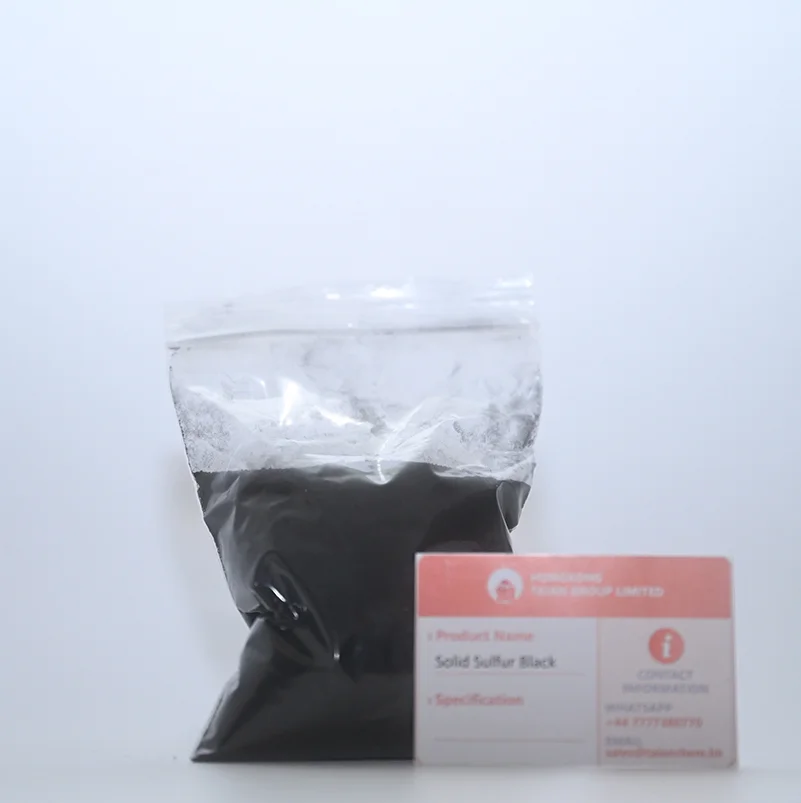
Moreover, the Spanish market maintains a niche but strong demand for high-density dark shades. This makes the precise application of sulfur black essential for denim and heavy cotton manufacturers who require deep, wash-fast black tones for the European luxury and casual markets.
Evolution of Dyeing Technology in Spain

From traditional batch processing to digitally optimized chemical dosing.

Market Development History

In the late 20th century, Spanish textile mills relied on basic alkaline agents. However, by the 2000s, there was a pivotal shift toward the integration of a specialized oxidizing agent reducing agent system to better control the redox potential during vat dyeing processes.

Between 2010 and 2020, the focus shifted toward "Waterless Dyeing" and "Low-Liquor Ratio" techniques. This era saw the introduction of biodegradable surfactants and smarter auxiliaries that reduced the energy required for heating dye baths in the Valencia region.

Today, the Spanish industry is characterized by the "Industry 4.0" transition, where chemical dosing is automated to minimize waste and maximize the efficacy of every gram of additive used in the fabric preparation stage.

Future Development Trends

Bio-based Auxiliaries

The next 3 years will see a transition from petroleum-based chemicals to plant-derived surfactants to comply with the European Green Deal.

Nano-Encapsulation

Search trends indicate a rise in "smart textiles," leading to the development of auxiliaries that can encapsulate fragrances or antimicrobial agents within the fiber.

Zero-Liquid Discharge (ZLD)

The adoption of closed-loop water systems will mandate chemicals that are easier to filter and recover from wastewater.

Future Prospects of Specialized Textile Chemicals

Strategic directions for the next 5 years in the European chemical sector.

Circular Economy Integration
Focusing on auxiliaries that facilitate the recycling of blended polyester-cotton fabrics.
Digital Dyeing Precision
AI-driven chemical dosing to reduce the use of oxidizing and reducing agents.
Low-Temperature Activation
Developing auxiliaries that operate at lower temperatures to cut carbon emissions.
Biodegradable Finishing
Replacing fluorocarbon finishes with organic alternatives for water-repellency.

Industry Outlook

The Spanish textile chemical market is moving toward a "less is more" philosophy. By optimizing the synergy between dye auxiliaries and fabric substrates, manufacturers are achieving higher color yields with fewer chemicals.

Looking ahead, the integration of IoT in dye houses will allow real-time monitoring of chemical concentrations, effectively eliminating over-dosing and reducing the environmental footprint of the Spanish manufacturing sector.

Localized Application Scenarios in Spain

Real-world deployments of our chemical solutions in the Spanish textile landscape.

01. Denim Manufacturing in Catalonia

Application of sulfur black for achieving deep, consistent indigo-black shades in high-end denim, ensuring zero bleeding during laundry cycles.

02. Fast-Fashion Synthetic Blends in Valencia

Utilizing a high-speed penetrating agent to ensure uniform dye uptake in polyester-viscose blends, reducing re-dyeing rates by 15%.

03. Luxury Silk and Wool in Madrid

Implementing precise dye auxiliaries to maintain the natural luster of premium fabrics while achieving vibrant, high-contrast colors.

04. Industrial Workwear Waterproofing

Deploying specialized textile auxiliaries chemicals to create durable, water-repellent coatings for Spain's industrial safety apparel sector.

05. Eco-Friendly Home Textiles

Applying a balanced oxidizing agent reducing agent system to produce GOTS-certified organic cotton sheets with minimal chemical residues.

Brand Story

The Global Development Journey of Shijiazhuang Taikun Chemical Co., Ltd.

Foundation and Local Focus

Established as a pioneer in specialty chemicals, focusing on the core needs of the textile dyeing industry.

Technological Breakthroughs

Developing advanced formulations for sulfur dyes and penetrating agents to solve fabric unevenness.

European Market Entry

Expanding our footprint into Spain and Italy, aligning our products with EU environmental standards.

Sustainability Pivot

Investing in R&D to replace traditional hazardous chemicals with biodegradable alternatives.

Global Partnership Era

Becoming a trusted partner for Spanish textile mills by providing customized chemical solutions.

Comprehensive Product Portfolio for Spain

Tailored chemical solutions designed for the Mediterranean textile climate and fabric types.

Textile Chemicals FAQ for Spanish Manufacturers

Expert answers to common technical challenges in textile dyeing.

How to choose the right penetrating agent for synthetic blends in Spain?

The choice depends on the fabric's hydrophobicity. For Spanish polyester blends, we recommend a non-ionic surfactant that lowers surface tension rapidly, ensuring the dye bath penetrates the fiber core evenly.

What is the best practice for using sulfur black in denim production?

To ensure deep shades and high wash-fastness, sulfur black should be applied with a controlled temperature profile and a specialized reducing agent to prevent oxidation during the dyeing process.

Can oxidizing agent reducing agent systems be used with organic cotton?

Yes, but the concentration must be carefully monitored to avoid fiber degradation. Our eco-friendly redox systems are designed to be gentle on organic cellulose while ensuring color vibrancy.

How do textile auxiliaries chemicals impact water treatment in Spain?

Modern auxiliaries are designed to be easily flocculated in wastewater plants, reducing the chemical oxygen demand (COD) and ensuring compliance with Spanish environmental laws.

What are the most effective dye auxiliaries for preventing color bleeding?

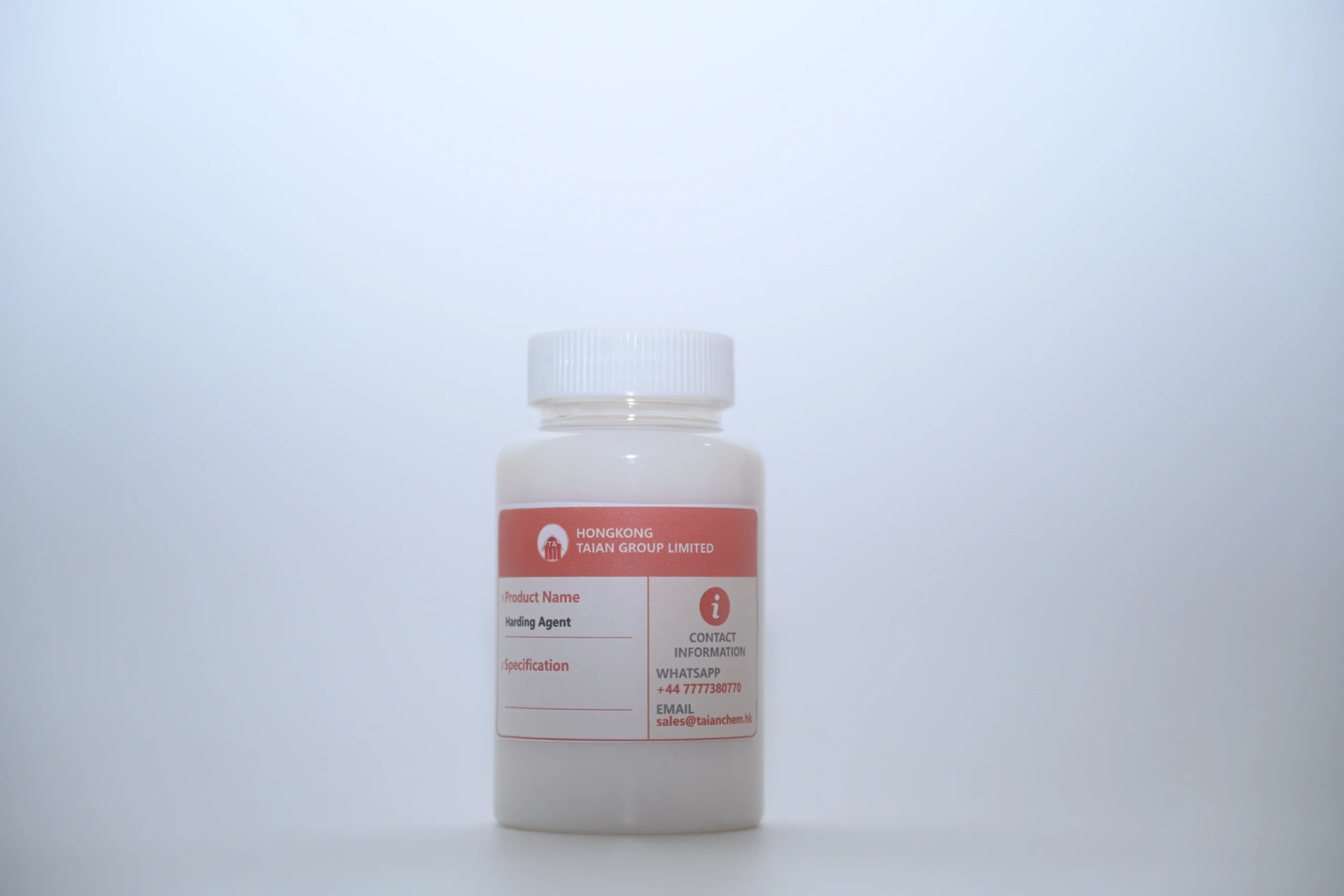
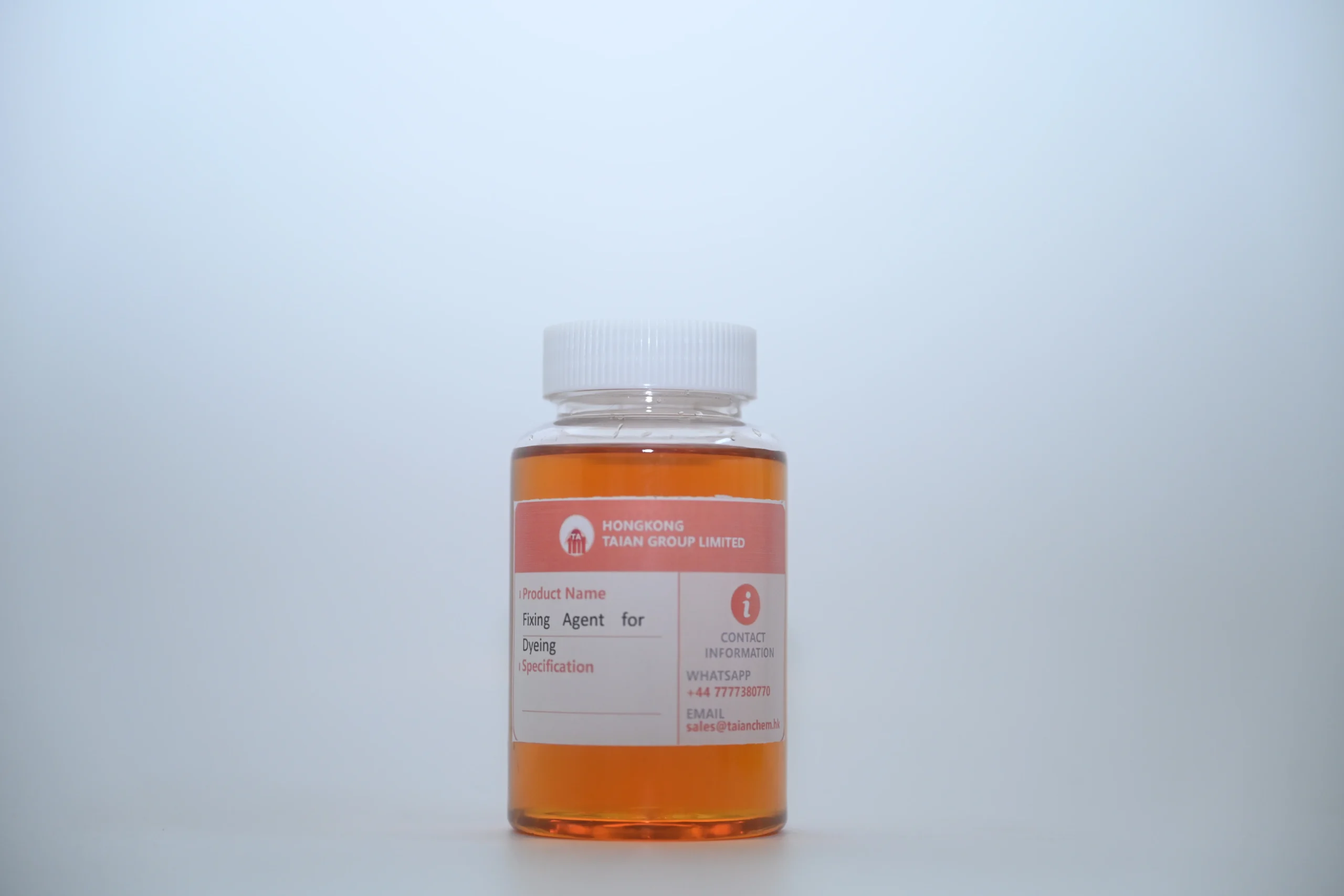
Fixing agents and specialized after-treatment auxiliaries create a cross-linked barrier on the fiber, locking the pigment in place and significantly improving wet-fastness.

Are these chemicals compatible with automated dosing systems?

Absolutely. Our products are formulated for high solubility and stability, making them ideal for the precision pumping systems used in modern Spanish dye houses.

Expert Chemical Support for Your Mill

Ready to optimize your production in Spain? Our technical team is here to provide customized formulations.

Contact Us Now

If you are interested in our products, you can choose to leave your information here, and we will be in touch with you shortly.