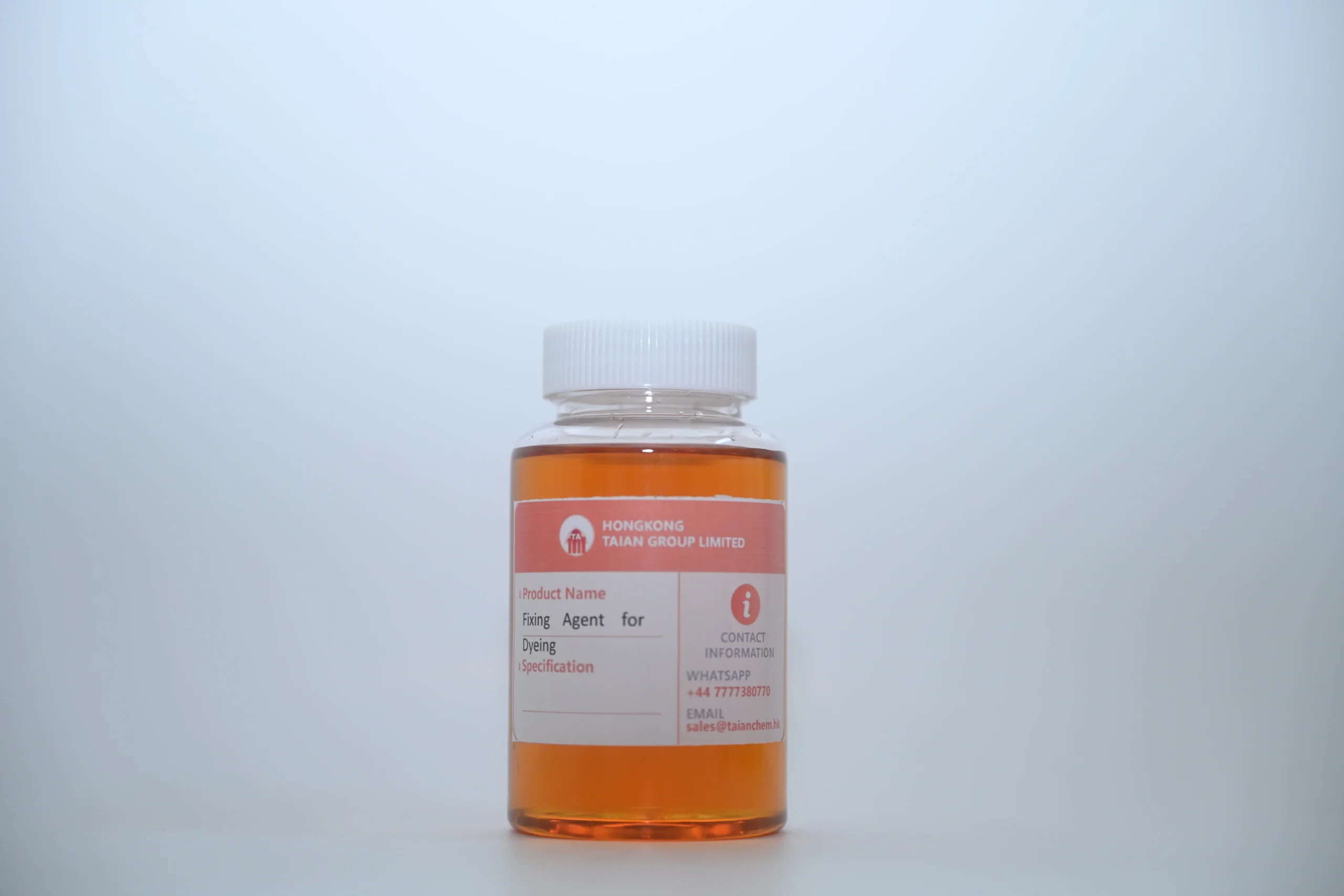
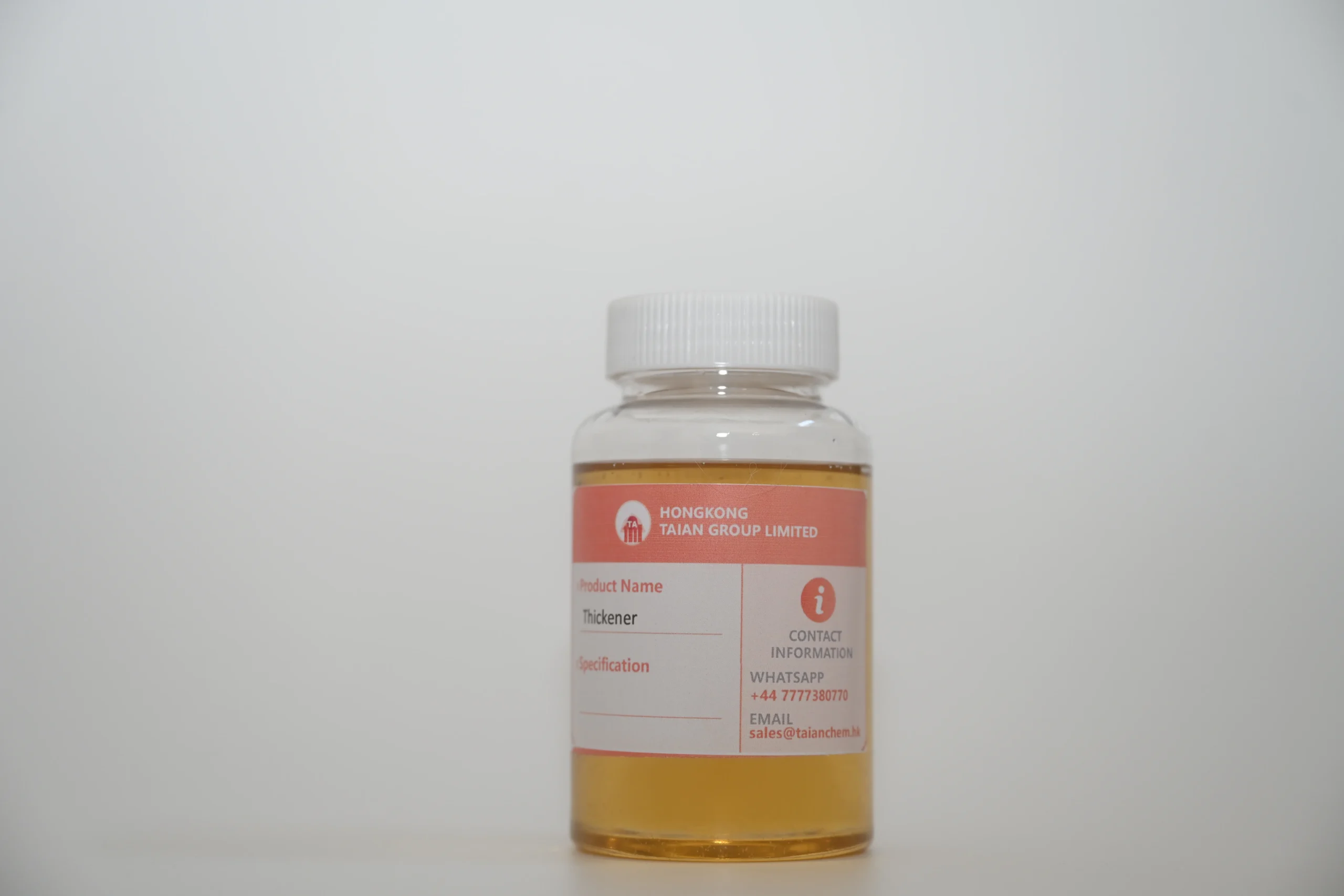
Advanced dye auxiliaries Solutions for South Sudan's Textile Sector

Empowering South Sudanese textile manufacturers with high-performance chemical agents to enhance fabric quality and production efficiency.

Advanced dye auxiliaries Solutions for South Sudan's Textile Sector

We provide a comprehensive range of chemical additives specifically engineered to optimize the dyeing and finishing processes for the unique textile demands of the South Sudanese market.

Current State of Textile Chemicals in South Sudan

Analyzing the intersection of textile manufacturing and chemical availability in the region.

The textile industry in South Sudan is currently in a nascent recovery phase, characterized by a heavy reliance on imported textile auxiliaries chemicals. Due to the region's fluctuating economic stability and limited local chemical synthesis plants, most factories depend on external supply chains to maintain their production lines.

Environmental factors, including the tropical savanna climate and variations in water hardness across different regions of South Sudan, pose significant challenges. This makes the use of a high-quality penetrating agent essential to ensure uniform dye uptake and prevent spotting on fabrics under local humidity conditions.

Furthermore, there is a growing demand for cost-effective yet durable coloring solutions. The adoption of sulfur black remains prevalent for heavy-duty cotton fabrics, although there is a visible shift toward more environmentally friendly alternatives as local regulations begin to evolve.
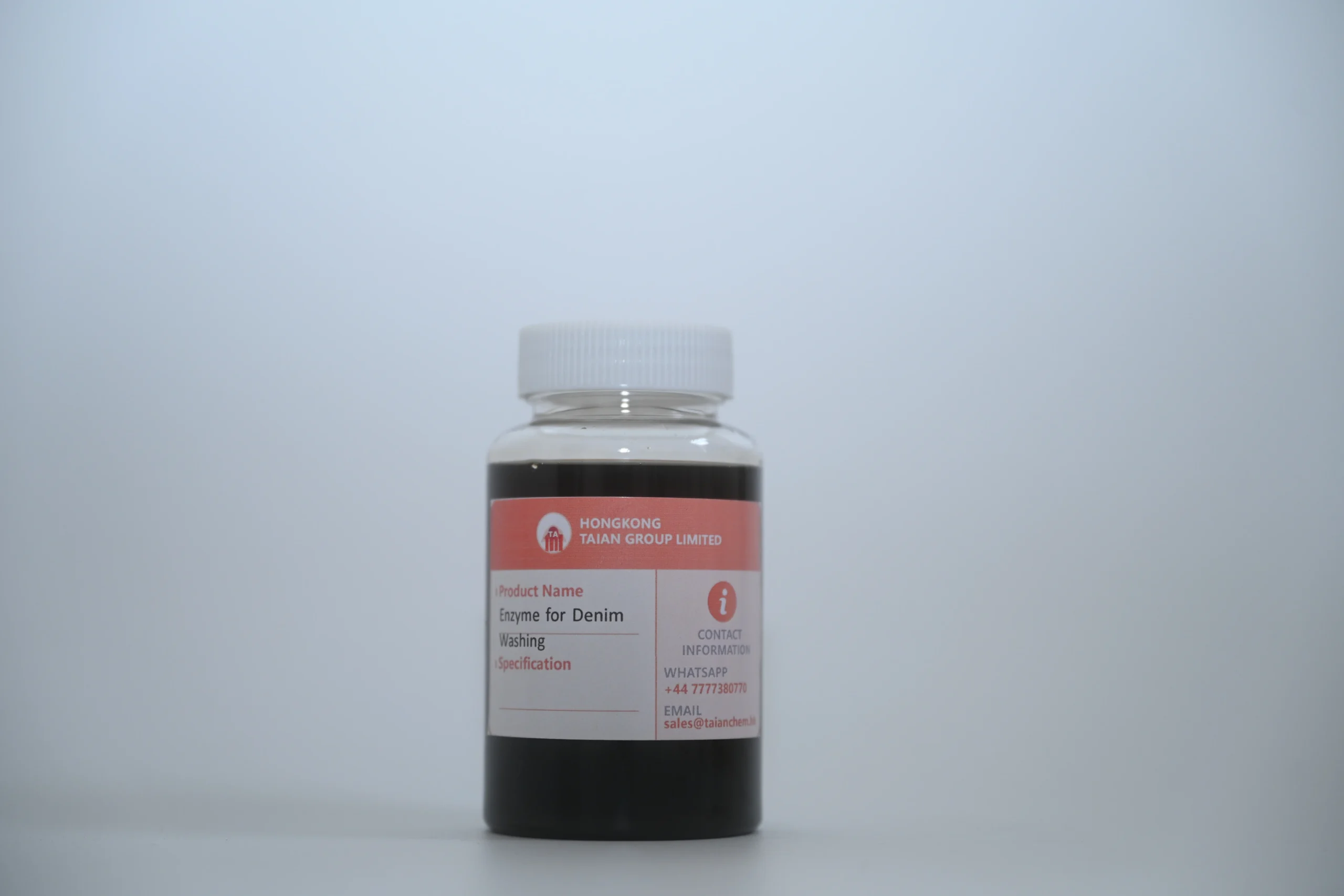
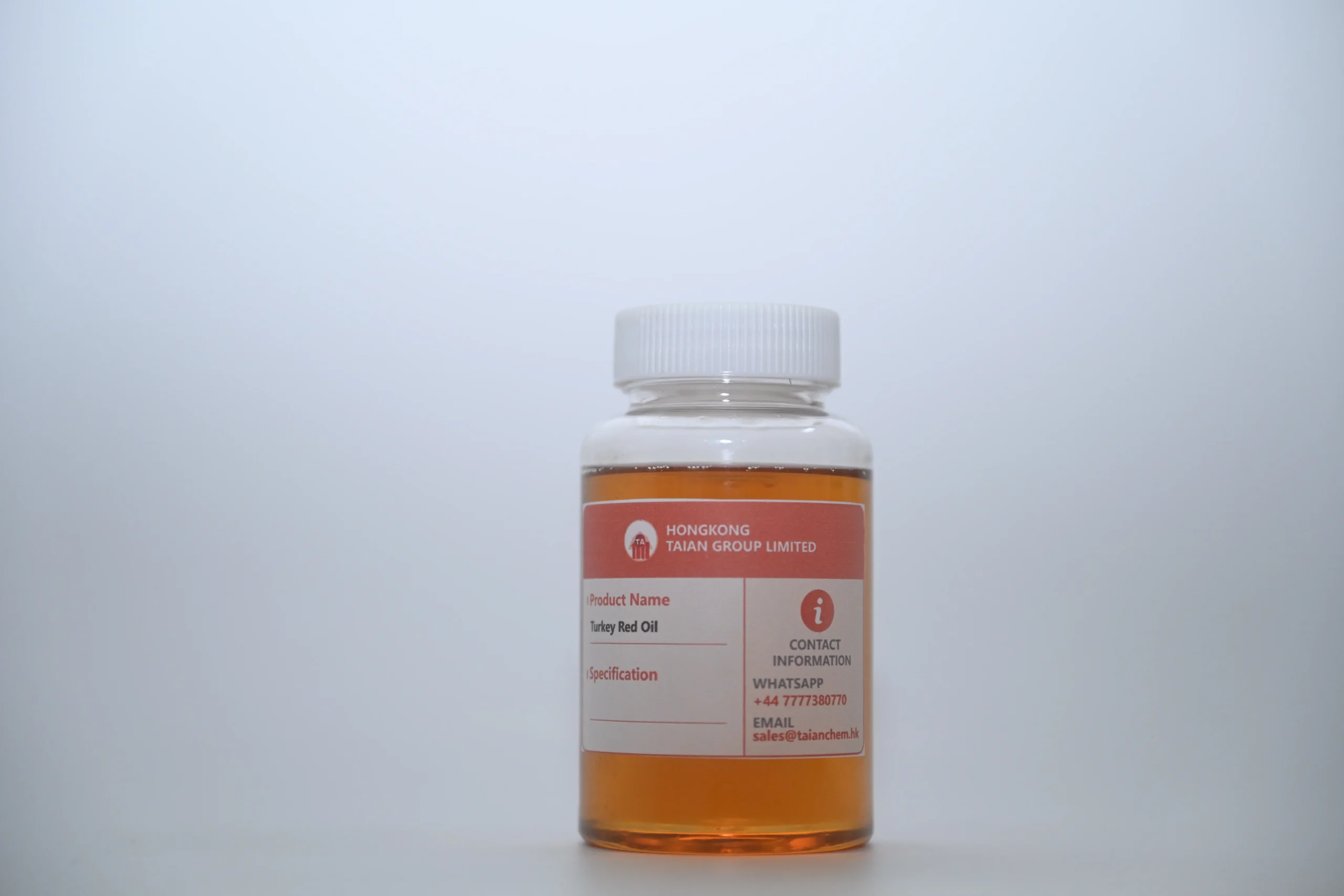
Technical Evolution and Development Trajectory

Tracing the transition from traditional dyeing methods to modern chemical precision.

Market Development History

In the early stages (pre-2010s), the South Sudanese textile landscape relied primarily on basic salts and rudimentary soaps, often resulting in low color fastness and high fabric waste.

Between 2011 and 2020, the introduction of specialized oxidizing agent reducing agent systems allowed for more complex shade management and the ability to strip dyes for reprocessing, marking the first leap toward industrialization.

From 2021 to the present, there has been a strategic move toward "Precision Chemistry," where combined auxiliary packages are used to reduce water consumption and energy costs in alignment with global sustainability goals.

Future Development Trends

Bio-based Auxiliary Integration

Shift toward biodegradable chemicals to reduce the ecological footprint on the Nile basin and surrounding water bodies.

Digital Dyeing Optimization

Integration of automated dosing systems that precisely control the ratio of chemicals to fabric, minimizing waste.

High-Efficiency Fixation

Development of next-generation fixatives that allow for lower temperature processing, reducing electricity costs for local mills.

Industry Trends and Future Outlook

Strategic projections for the textile chemical sector in South Sudan over the next 5 years.

Eco-Friendly Transition
Rapid adoption of APEO-free and low-formaldehyde agents to meet international export standards.
Resource Efficiency
Implementing chemicals that reduce water consumption by up to 30% per batch of fabric.
Supply Chain Localized
Establishment of regional distribution hubs to reduce lead times for critical textile chemicals.
Performance Enhancement
Use of Nano-chemistry to improve the wash-fastness of traditionally dyed African fabrics.

Industry Outlook

Based on current search trends and industrial growth patterns, South Sudan is expected to see a 15% increase in the demand for specialized textile auxiliaries chemicals as local garment production scales to support domestic needs.

The future will be defined by the ability of manufacturers to balance high-intensity coloring (like that achieved with sulfur black) with stringent wastewater treatment protocols to preserve the regional ecology.

Localized Application Scenarios in South Sudan

Real-world implementation of chemical solutions in local textile environments.

01. Heavy-Duty Uniform Dyeing

Applying high-concentration sulfur black for the production of durable workwear and military uniforms, ensuring deep penetration and high rub-fastness.

02. Traditional Cotton Fabric Pre-treatment

Using an advanced penetrating agent to remove natural waxes and impurities from raw local cotton, ensuring a smooth base for subsequent dyeing.

03. Industrial Dye Stripping and Correction

Utilizing a balanced oxidizing agent reducing agent system to correct shade errors in large-batch production, reducing fabric waste in Juba-based mills.

04. Vibrant Ethnic Wear Finishing

Implementing specialized dye auxiliaries to stabilize bright colors in traditional attire, preventing fading caused by intense UV exposure in South Sudan.

05. Water-Efficient Dyeing Processes

Integrating low-liquor ratio chemicals to maintain quality while operating in areas with limited water infrastructure, optimizing the overall chemical footprint.

Brand Story

Global Development Journey of Shijiazhuang Taikun Chemical Co., Ltd.

Foundational Excellence

Established with a vision to bridge the gap between complex chemical synthesis and practical textile application, focusing on core dyeing stability.

R&D Breakthroughs

Invested heavily in the development of high-efficiency auxiliaries that reduce the chemical load on the environment without compromising color depth.

Global Market Expansion

Expanded operations into the African market, tailoring chemical formulations to suit the water quality and climatic conditions of regions like South Sudan.

Sustainability Leadership

Pioneered the shift toward green chemistry, ensuring all products meet the most stringent international ecological standards for textile exports.

Future Vision

Committed to empowering emerging textile hubs worldwide through technical support, innovative products, and sustainable chemical partnerships.

Complete Product Portfolio for South Sudan

A curated selection of high-performance chemicals designed for the specific needs of the South Sudanese textile industry.

Common Questions in South Sudan Textile Chemistry

Expert answers to technical challenges faced by local textile manufacturers.

How to choose the right penetrating agent for local South Sudanese cotton?

The choice depends on the water hardness of your region. We recommend a non-ionic penetrating agent that remains stable in hard water to ensure uniform wetting and dye absorption.

What is the best way to apply sulfur black for maximum durability?

For maximum durability, ensure a precise reduction process using high-quality reducing agents and maintain a constant temperature to avoid shade variation.

Can dye auxiliaries improve the wash-fastness of fabrics in tropical climates?

Yes, specialized fixing agents and auxiliary chemicals create a stronger bond between the fiber and the dye, preventing leaching during frequent washing in humid conditions.

How do oxidizing agent reducing agent systems help in fabric reprocessing?

These systems allow for the controlled removal of unfixed dyes or the stripping of an entire color, enabling the fabric to be re-dyed without damaging the textile structure.

Are these textile auxiliaries chemicals compatible with automatic dyeing machines?

Our entire range is formulated for compatibility with both traditional batch dyeing and modern automated machinery, ensuring consistent flow and no residue buildup.

How to reduce water consumption using chemical auxiliaries?

By using high-efficiency wetting and penetrating agents, you can reduce the number of rinse cycles required, significantly cutting down water usage per kilogram of fabric.

Get Expert Technical Support

Ready to optimize your textile production in South Sudan? Our engineers are here to provide customized chemical solutions for your facility.

Contact Us Now

If you are interested in our products, you can choose to leave your information here, and we will be in touch with you shortly.