Advanced dye auxiliaries Solutions for Saudi Arabian Textile Hubs

Optimizing textile processing efficiency with high-performance chemical agents tailored for the arid climate and industrial demands of Saudi Arabia.

Advanced dye auxiliaries Solutions for Saudi Arabian Textile Hubs

We provide a comprehensive range of specialty chemicals designed to enhance color fastness, reduce water consumption, and ensure consistent quality in the challenging environmental conditions of the Gulf region.

Current Landscape of Textile Chemicals in Saudi Arabia

Analyzing the impact of high salinity and temperature on chemical efficiency.

The textile industry in Saudi Arabia operates under extreme climatic pressure, where high ambient temperatures and water scarcity necessitate the use of highly efficient textile auxiliaries chemicals. Traditional processing often faces challenges with water hardness, requiring specialized agents to maintain stability.

Current production focuses heavily on industrial textiles and traditional garments, where the demand for sulfur black remains high due to its cost-effectiveness and deep shade properties. However, there is a growing shift toward sustainable chemistry to align with the Saudi Vision 2030 goals.

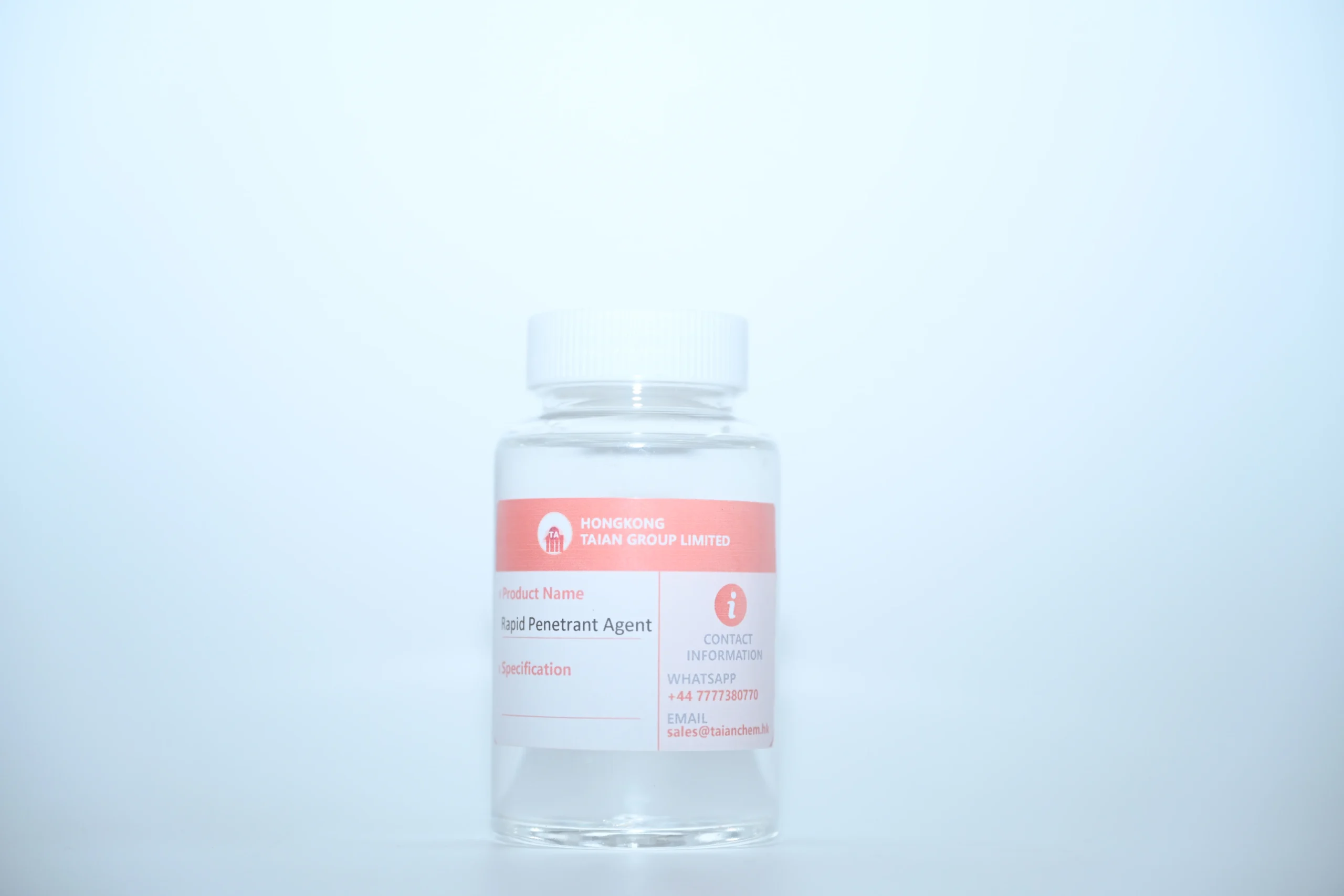
The reliance on imported high-end penetrating agent formulas is significant, as local manufacturers seek to optimize the wetting and penetration speed of dyes in high-temperature baths to reduce energy consumption.
Evolution and Trajectory of Dyeing Technology

From traditional batch processing to automated, eco-friendly chemical systems.

Market Development History

In the early 2000s, the Saudi textile sector relied on basic alkaline agents and rudimentary dyes, where the primary goal was volume rather than precision. Chemical application was largely empirical with minimal control over pH stability.

Between 2010 and 2020, the introduction of specialized oxidizing agent reducing agent systems allowed for more complex color reductions and bleaching processes, enabling manufacturers to produce high-fashion textiles and technical fabrics.

Today, the industry has transitioned into the era of "Smart Chemistry," where digital dosing and precision-engineered auxiliaries are used to minimize waste and maximize the exhaustion rate of dyes.

Future Development Trends

Waterless Dyeing Integration

Expect a surge in supercritical CO2 dyeing and low-liquor ratio technologies to combat water scarcity in the Arabian peninsula.

Bio-based Auxiliaries

Replacement of petroleum-based surfactants with biodegradable alternatives to meet new regional environmental regulations.

Nano-Chemical Coating

Development of nano-scale penetrating agents that provide hydrophobic or antimicrobial properties directly during the dyeing process.

Industry Trends and Future Outlook

Strategic directions for chemical application in the Saudi textile market.

Eco-Friendly Chemistry
Transitioning to ZDHC compliant chemicals to reduce the toxicity of wastewater in desert ecosystems.
Energy Efficiency
Development of cold-pad-batch auxiliaries to reduce the energy required for heating dye baths.
Digital Automation
Integration of AI-driven chemical dispensing to ensure milligram-level accuracy in dye recipes.
Functional Finishes
Shift toward UV-resistant and heat-reflective chemical finishes for desert-wear applications.

Industry Outlook

Based on Google search trends in the MENA region, there is a significant increase in queries regarding "sustainable textile processing" and "water-saving dye auxiliaries." This indicates a market pivot toward environmental stewardship.

Over the next 3-5 years, we predict that Saudi Arabian factories will move away from generic chemicals toward customized formulations that specifically address the high mineral content of local desalinated water.

Localized Application Scenarios in Saudi Arabia

Practical implementations of our chemical solutions in regional production.

01. High-Temperature Cotton Dyeing in Riyadh

Using our advanced penetrating agent to ensure uniform dye uptake during the peak summer months when water evaporation rates are critical.

02. Sulfur Black Processing for Industrial Workwear

Applying stabilized sulfur black formulations to produce heavy-duty uniforms for the oil and gas sector with superior rub-fastness.

03. Technical Fabric Bleaching for Medical Use

Implementing precise oxidizing agent reducing agent cycles to achieve pure whites in medical textiles without compromising fiber strength.

04. Traditional Thobe Finishing in Jeddah

Utilizing specialty dye auxiliaries to maintain the crisp whiteness and softness of traditional garments against harsh UV exposure.

05. Wastewater Treatment for Textile Mills

Integrating coagulation auxiliaries to treat effluent from sulfur dyeing processes, ensuring compliance with Saudi environmental laws.

Brand Story

Global Development Journey of Shijiazhuang Taikun Chemical Co., Ltd.

Foundational Excellence

Established with a mission to solve the instability of textile coloring, we began by perfecting the purity of basic dye auxiliaries.

Technical Breakthroughs

Developed proprietary formulas for reducing agents that significantly lowered the energy required for sulfur dye reduction.

Global Market Expansion

Expanded into the Middle Eastern market, adapting our chemicals to the specific water chemistry of Saudi Arabia.

Sustainability Pivot

Invested in green chemistry to replace harmful phosphates with biodegradable chelating agents.

Industry Leadership

Now recognized as a leading provider of specialty textile chemicals, empowering mills worldwide with efficiency and precision.

Comprehensive Chemical Portfolio for Saudi Arabia

A one-stop solution for all your textile processing and dyeing needs.

Textile Chemical FAQs - Saudi Arabia

Expert answers to common technical challenges in regional textile manufacturing.

How to optimize sulfur black fastness in high-temperature regions?

Using a stabilized sulfur black formula combined with a high-efficiency oxidizing agent for proper post-treatment prevents bleeding and ensures deep, lasting shades even in hot climates.

Which penetrating agent works best for hard water in Saudi Arabia?

We recommend a non-ionic penetrating agent with built-in chelating properties that can neutralize calcium and magnesium ions common in regional water sources.

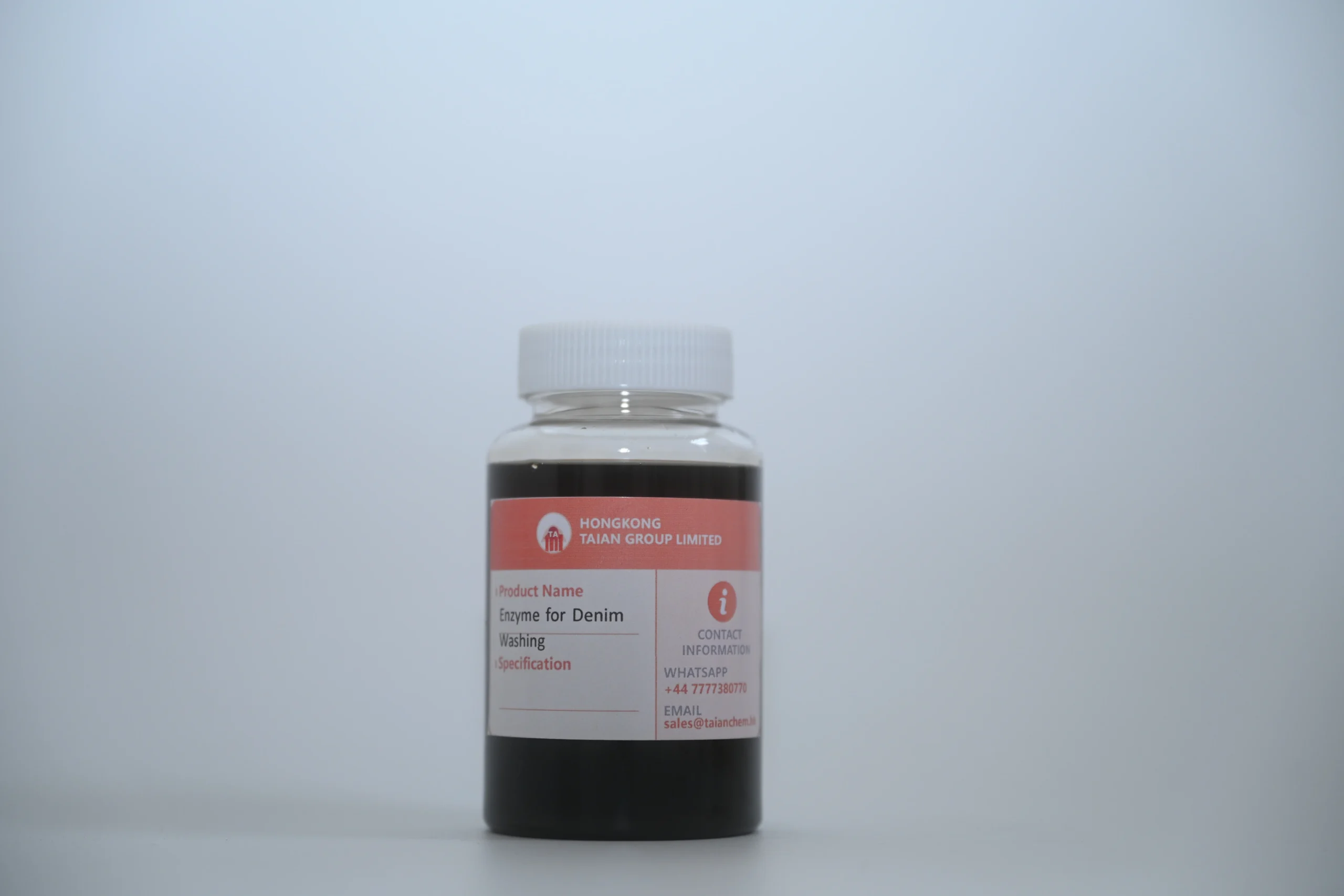
What is the role of oxidizing agent reducing agent in denim processing?

These agents are critical for the controlled stripping of indigo and the creation of specific faded effects without damaging the cotton cellulose structure.

How do textile auxiliaries chemicals reduce water consumption?

By increasing the exhaustion rate of dyes, these auxiliaries allow for shorter rinsing cycles and lower liquor ratios, directly reducing water waste.

Are your dye auxiliaries compatible with automated dosing systems?

Yes, our liquid auxiliaries are formulated for low viscosity and high stability, ensuring seamless integration with modern automated chemical dispensing pumps.

How to prevent dye spotting in large batch processing?

The use of a high-performance leveling agent and a proper penetrating agent ensures that the dye is distributed evenly across the fabric before fixation.

Partner with the Experts in Textile Chemistry

Ready to optimize your production in Saudi Arabia? Our technical team is available for consultation and customized formulation development.

Contact Us Now

If you are interested in our products, you can choose to leave your information here, and we will be in touch with you shortly.