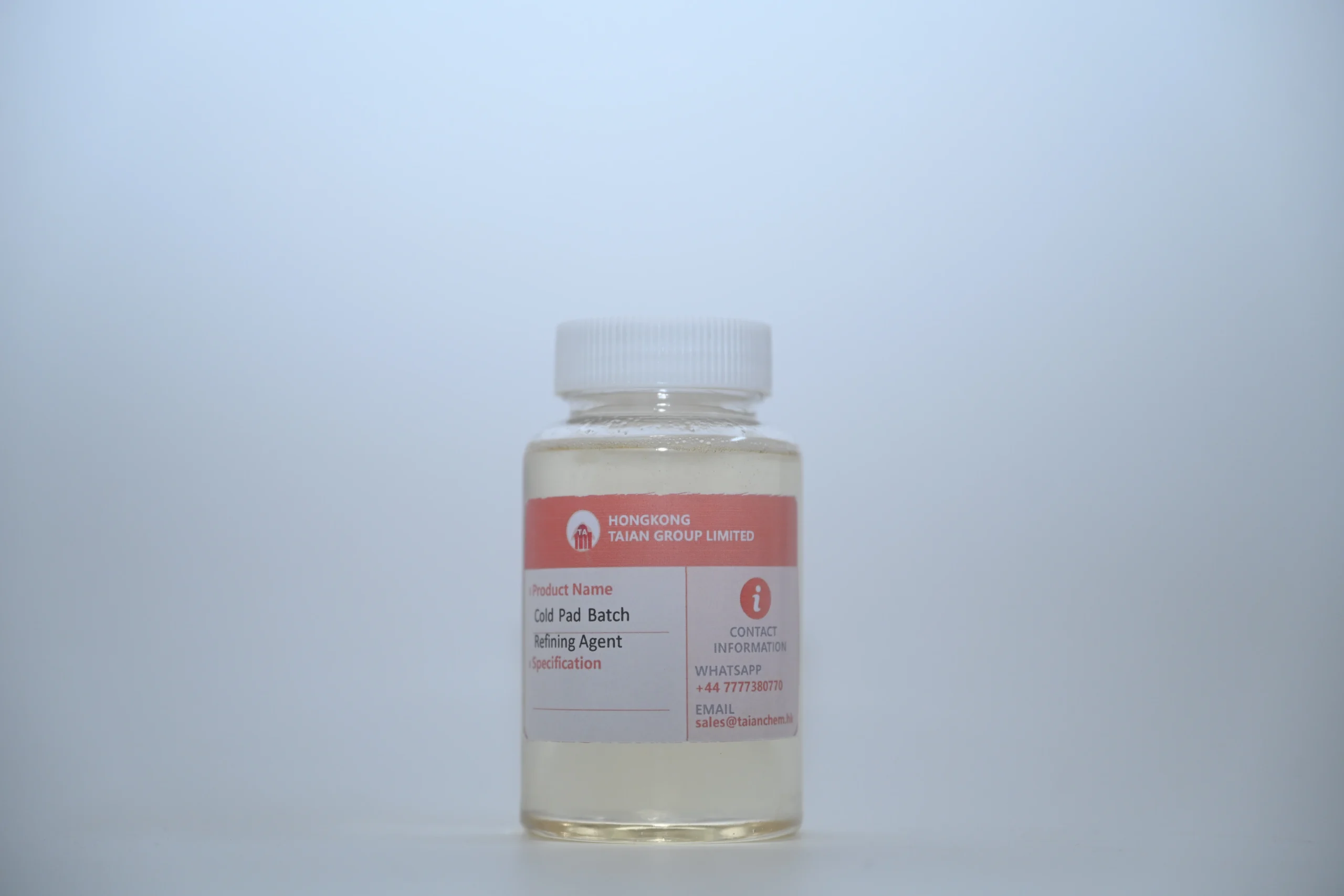
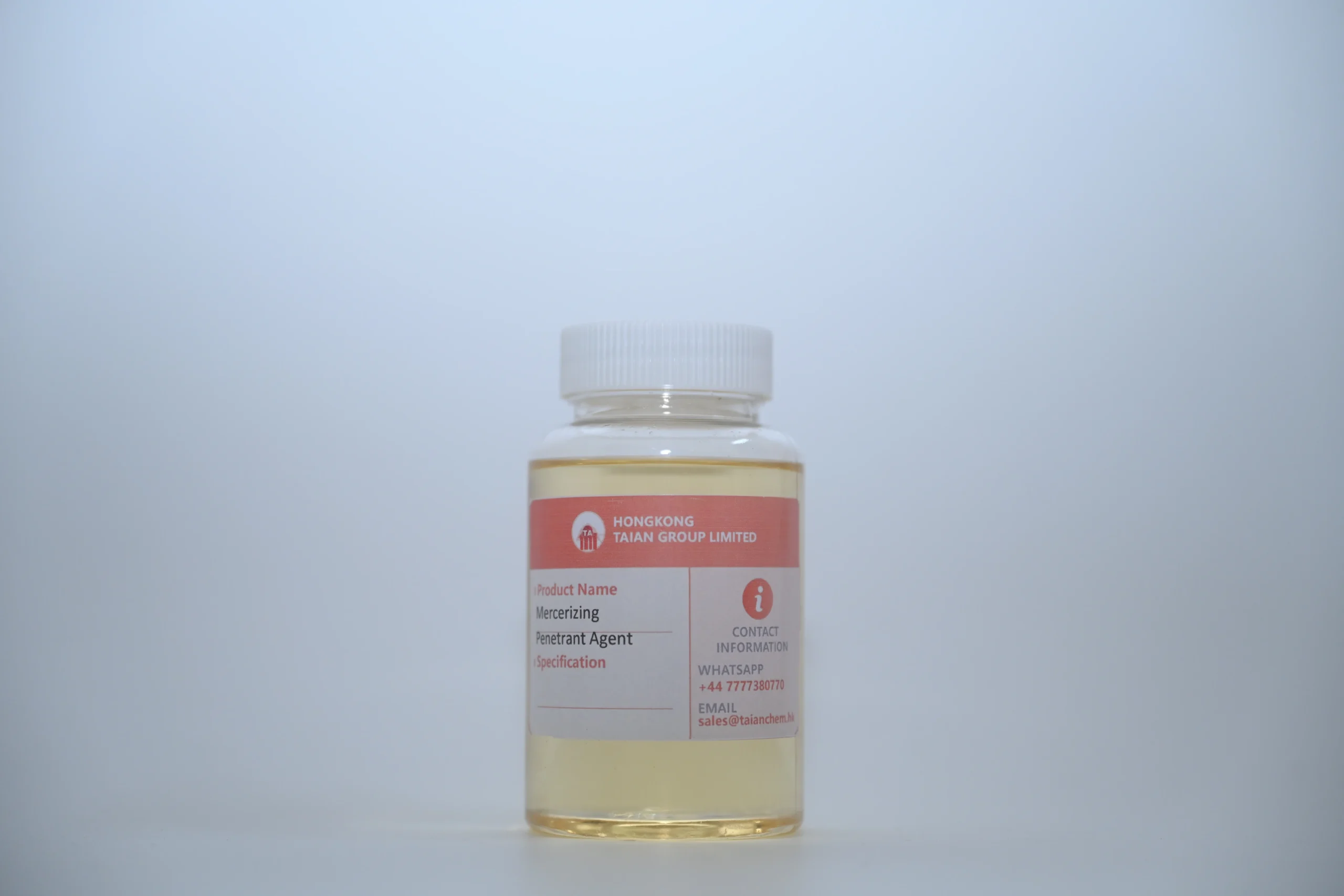
Advanced dye auxiliaries Solutions for Oman Textile Industry

Optimizing fabric processing efficiency and color brilliance with high-performance chemical agents tailored for the Gulf climate.

Advanced dye auxiliaries Solutions for Oman Textile Industry

Comprehensive chemical support focusing on precision dyeing and sustainable finishing for the Omani manufacturing sector.

Current State of Textile Chemical Manufacturing in Oman

Analyzing the intersection of harsh arid climates and textile production demands.

In Oman, the textile sector operates under extreme environmental conditions, where high salinity in water sources and intense heat impact the stability of textile auxiliaries chemicals. Local manufacturers often struggle with consistency in dyeing due to these geographical factors.

The market currently sees a heavy reliance on imported penetrating agent solutions to ensure uniform dye uptake in heavy fabrics. However, there is a growing move toward localized formulation to reduce logistics costs and improve response times for Omani factories.

Environmental regulations in the region are tightening, pushing factories to transition from traditional heavy-metal based chemicals to more sustainable oxidizing agent reducing agent systems that minimize wastewater toxicity in the fragile desert ecosystem.
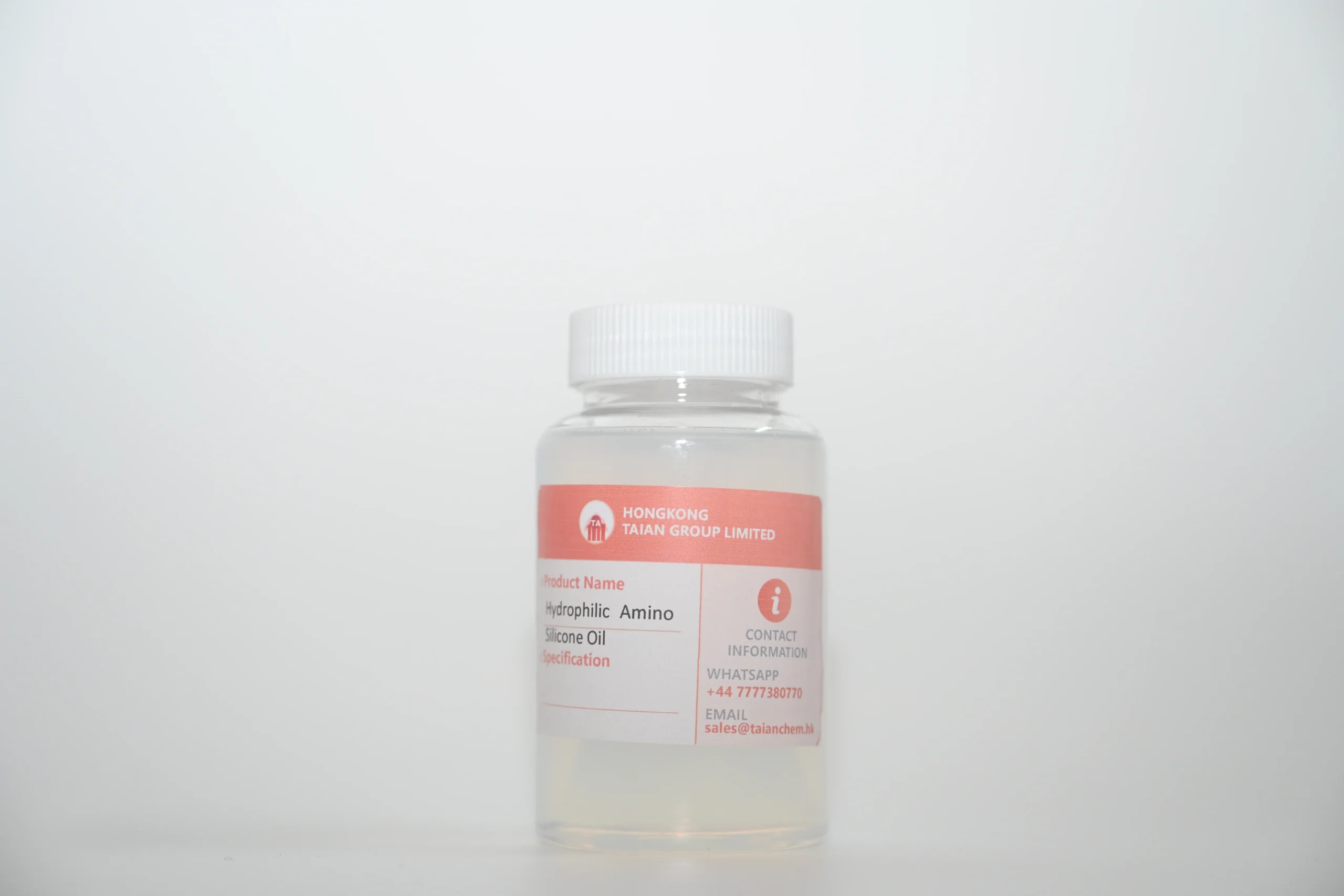
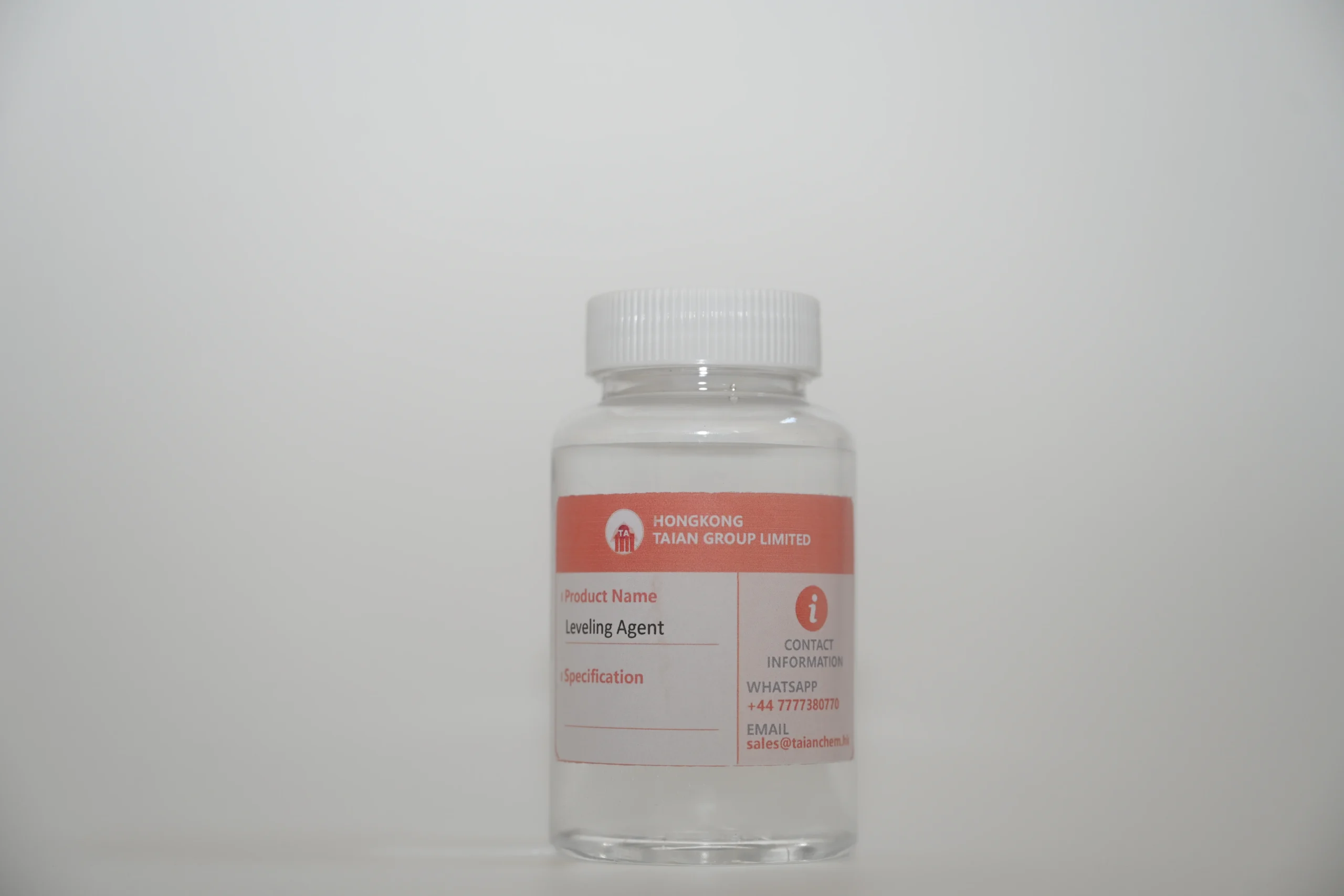
Evolution and Trajectory of Dyeing Technology in Oman

From manual batch processing to automated chemical precision.

Market Development History

From 1990 to 2005, the industry relied on basic chemical salts and crude sulfur black dyes, with limited control over shade consistency and high water consumption per kilogram of fabric.

Between 2006 and 2018, the introduction of synthesized organic auxiliaries allowed for better penetration and fixation. This era marked the shift toward specialized dye auxiliaries that could withstand the hard water typical of the Oman region.

Since 2019, the integration of digital dosing systems and eco-friendly catalysts has enabled precise control over redox reactions, optimizing the use of oxidizing agent reducing agent to achieve zero-defect dyeing.

Future Development Trends

Waterless Dyeing Integration

The next 3 years will see a rise in supercritical CO2 dyeing, drastically reducing the need for traditional aqueous carriers and reducing the volume of chemical waste.

Bio-Based Auxiliary Synthesis

Transitioning from petroleum-based to bio-based surfactants to meet the "Oman Vision 2040" sustainability goals, focusing on biodegradable agents.

AI-Driven Formulation

Using machine learning to adjust chemical concentrations in real-time based on the ambient temperature and humidity of the Omani manufacturing plant.

Industry Outlook and Future Projections

Strategic forecasting for the specialized chemical sector in the GCC region.

Eco-Chemical Shift
Rapid adoption of ZDHC compliant chemicals to reduce environmental footprints in Oman's industrial zones.
Smart Dosing Tech
Implementation of IoT sensors to optimize the ratio of auxiliaries based on fabric weight and type.
Thermal Stability
Development of chemicals that maintain efficacy at temperatures exceeding 50°C during storage.
Circular Economy
Focus on chemical recovery systems to reuse reducing agents from dyeing baths.

Industry Outlook

Based on search trend data for the Middle East, there is a 25% increase in queries regarding "Sustainable Textile Chemistry." This indicates a strong pivot toward green chemistry in Oman.

The future will be dominated by high-concentration, low-volume auxiliaries that reduce shipping costs and storage space, catering to the lean manufacturing models adopted in the region.

Local Application Scenarios in Oman

Practical implementations of textile chemicals in regional production environments.

1. High-Temperature Cotton Dyeing in Muscat

Using advanced penetrating agent to ensure deep dye penetration in heavy cotton fabrics during peak summer humidity.

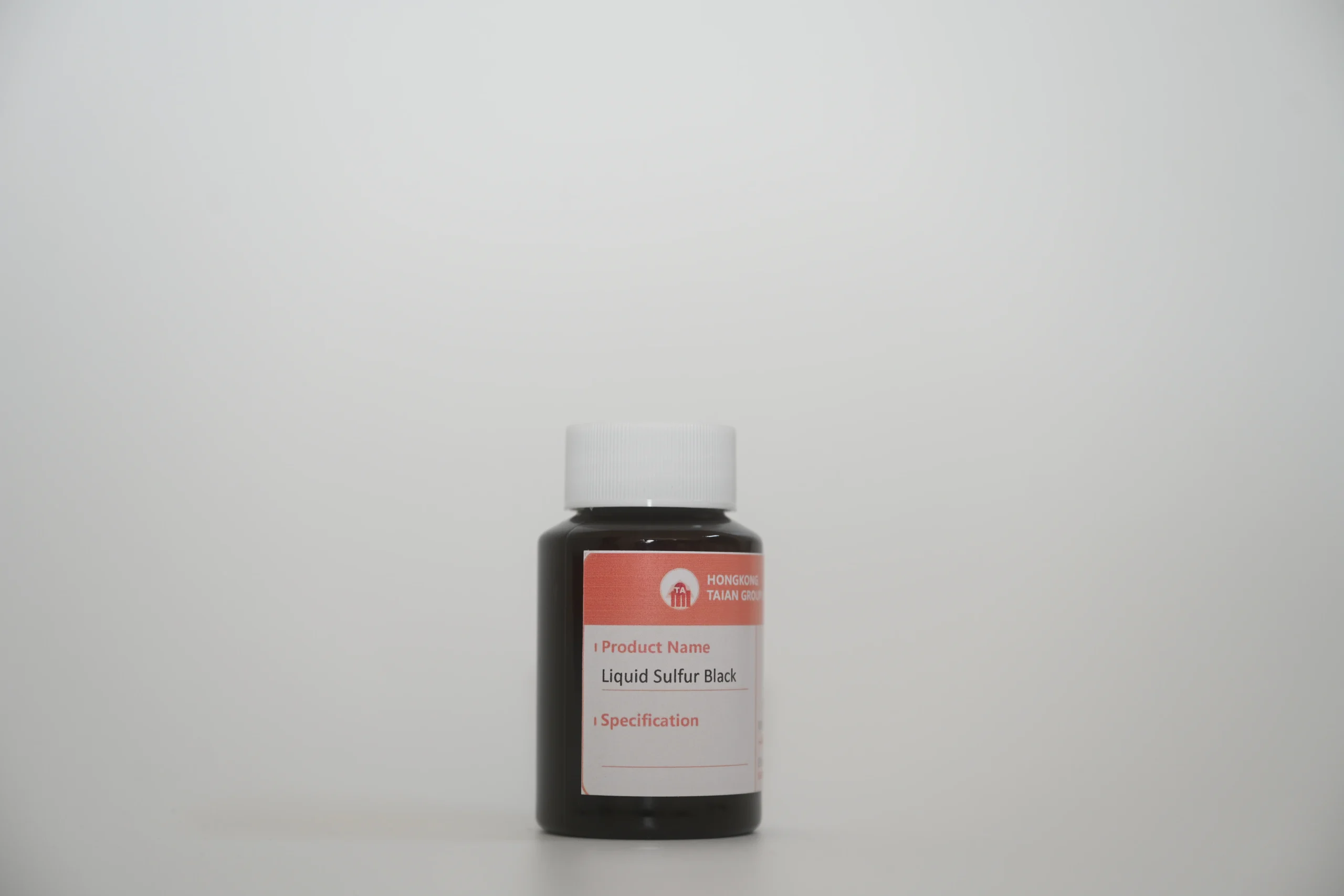
2. Sulfur Black Dyeing for Industrial Workwear

Application of high-purity sulfur black for durable, fade-resistant uniforms used in Oman's oil and gas sector.

3. Wastewater Treatment in Sohar Industrial Area

Implementing precise oxidizing agent reducing agent cycles to neutralize effluent before discharge into treatment plants.

4. Silk and Synthetic Blend Finishing in Salalah

Utilization of specialized dye auxiliaries to maintain fabric softness while improving color fastness against UV radiation.

5. Rapid Prototyping for Local Fashion Designers

Deploying concentrated textile auxiliaries chemicals for small-batch, high-precision dyeing of luxury Omani textiles.

Brand Story

Global Development Journey of Shijiazhuang Tai Kun Chemical Co., Ltd.

Founding Vision

Established with a mission to solve the core instability of textile dyeing through high-purity chemical synthesis.

Technical Breakthrough

Developed a proprietary formula for reducing agents that works effectively in hard-water environments.

Global Expansion

Expanded operations into the Middle East, tailoring solutions for the unique climate of Oman and the GCC.

Sustainability Pivot

Invested in green chemistry to ensure all auxiliaries meet international eco-label standards.

Industry Leadership

Now recognized as a leading provider of specialized textile chemicals for high-demand industrial markets.

Complete Product Portfolio for the Oman Market

A curated selection of high-performance chemicals designed for regional success.

Frequently Asked Questions - Oman Textile Chemicals

Expert answers to common technical challenges in Omani textile manufacturing.

How to choose the best penetrating agent for high-salinity water in Oman?

Select a non-ionic surfactant-based agent that remains stable in high-mineral concentrations to prevent dye spotting.

What is the ideal storage temperature for textile auxiliaries chemicals in desert climates?

We recommend climate-controlled storage below 30°C to prevent chemical degradation and maintain active ingredient stability.

How does sulfur black affect the effluent quality of Omani textile mills?

Sulfur black requires a robust oxidation stage during wastewater treatment to ensure sulfide levels meet local environmental limits.

Can oxidizing agent reducing agent ratios be adjusted for synthetic blends?

Yes, the ratio should be optimized based on the polyester/cotton blend percentage to avoid fabric damage while ensuring color depth.

Which dye auxiliaries are most effective for preventing UV fading in the Gulf region?

Use UV-absorbing finishing agents combined with high-fixation auxiliaries to protect the molecular bond of the dye from intense sunlight.

What is the delivery lead time for bulk chemical shipments to Muscat?

Depending on the volume and shipping method, typical lead times range from 15 to 30 days with customs clearance included.

Ready to Optimize Your Production?

Contact our technical experts for a customized chemical audit and formulation for your plant in Oman.

Contact Us Now

If you are interested in our products, you can choose to leave your information here, and we will be in touch with you shortly.