Advanced dye auxiliaries Solutions for Portugal Textile Hubs

Optimizing fabric processing and color consistency with high-performance chemical agents tailored for the Portuguese textile industry.

Advanced dye auxiliaries Solutions for Portugal Textile Hubs

We provide a comprehensive range of chemical enhancements designed to improve dye uptake, stability, and fabric hand-feel for high-end Portuguese garment manufacturers.

Current Landscape of Textile Chemistry in Portugal

Balancing industrial tradition with strict European environmental mandates.

Portugal's textile sector, centered heavily in the Vale do Ave region, is currently undergoing a transition toward "Green Chemistry." The reliance on high-quality textile auxiliaries chemicals is increasing as manufacturers move away from legacy processes to meet EU REACH regulations and ZDHC standards.

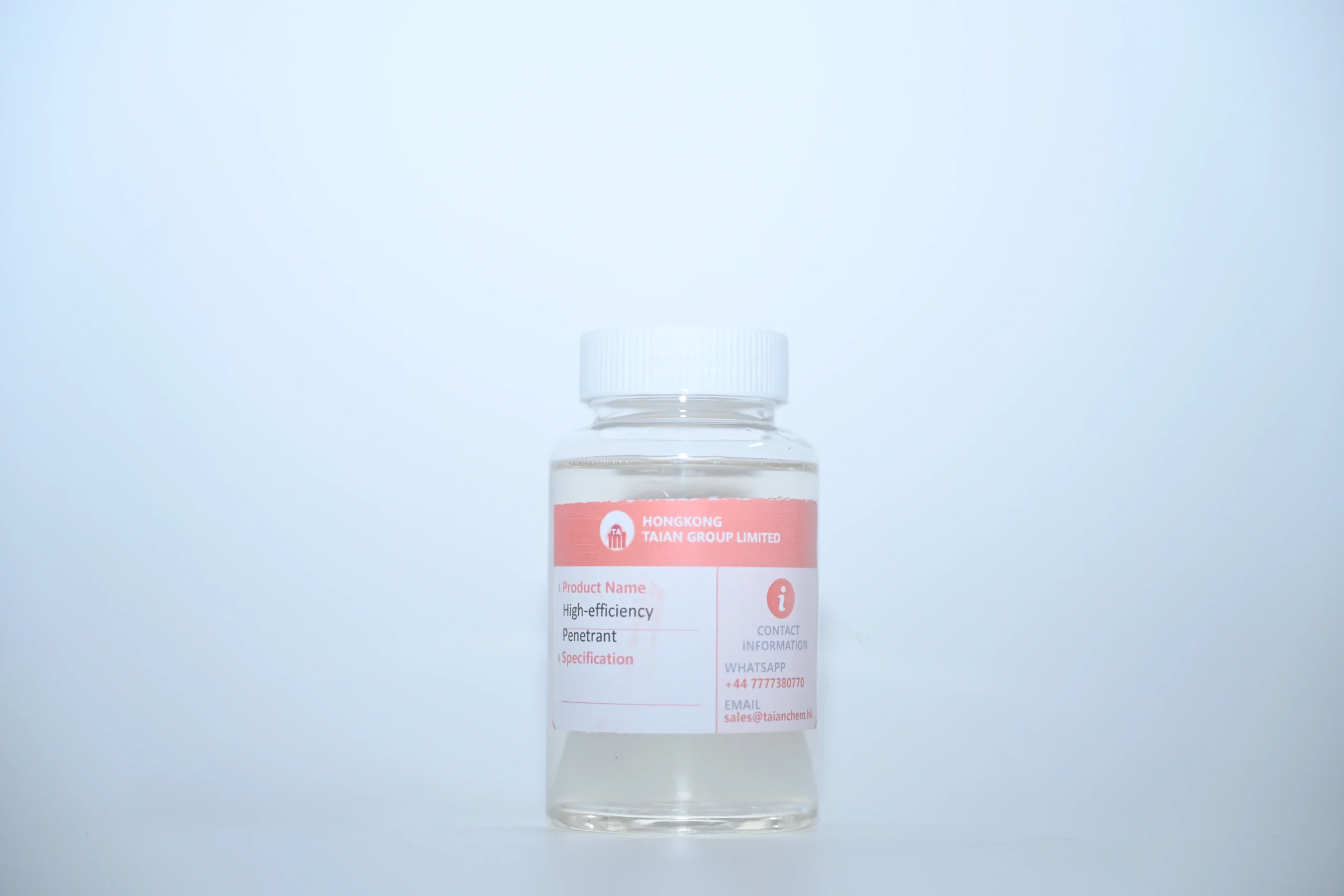
The local market demands high efficiency in water usage. Consequently, the integration of advanced penetrating agent technology has become critical to ensure uniform dye distribution while reducing the volume of water required for rinsing, aligning with Portugal's national sustainability goals.

Furthermore, the specialized production of dark shades in luxury footwear and apparel necessitates a stable supply of high-purity sulfur black dyes and supporting agents that can operate under modernized, low-emission plant conditions.
Evolution and Technical Trajectory of Dyeing Auxiliaries

From conventional chemical batches to precision-engineered molecular agents.

Market Development History

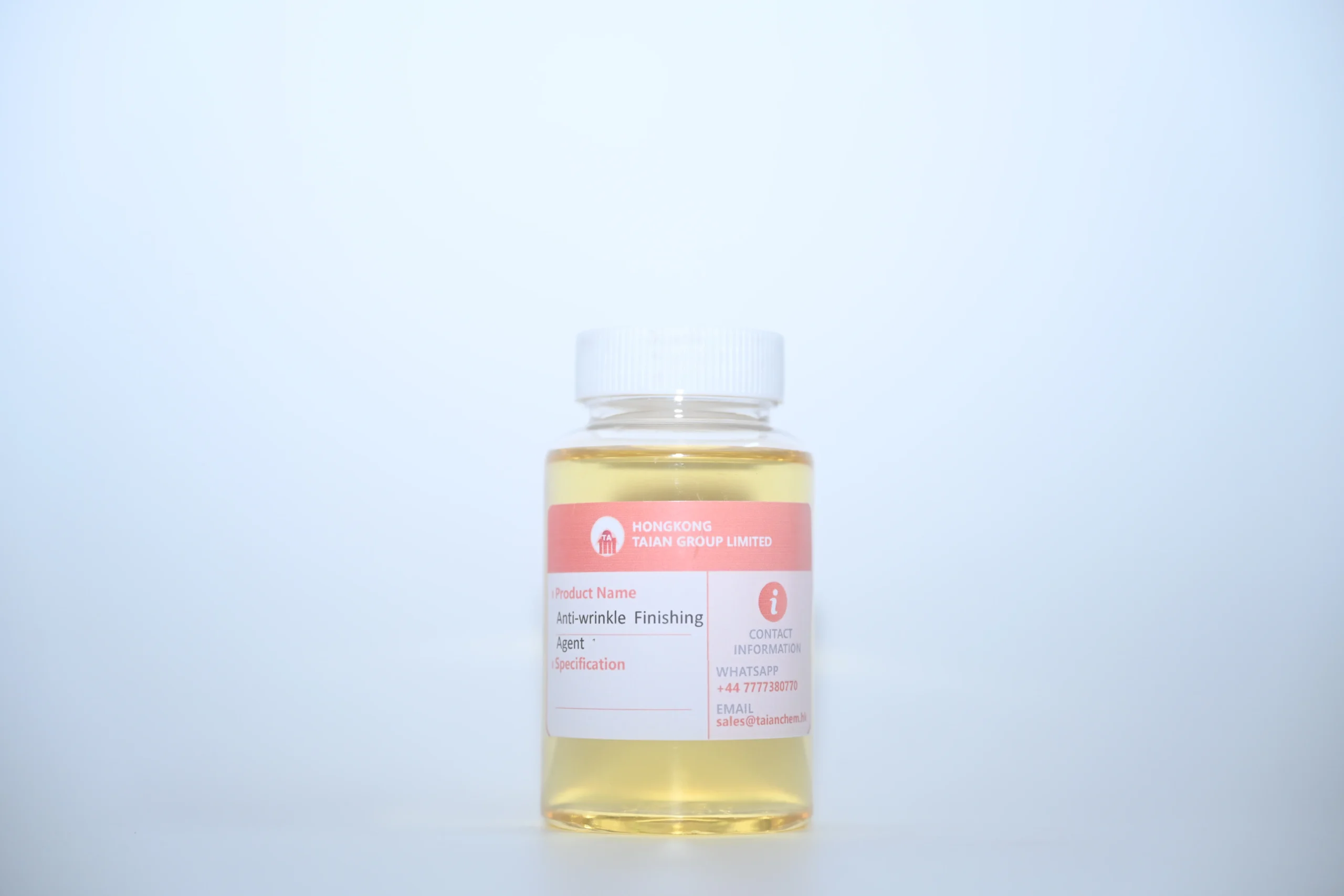
In the late 20th century, the Portuguese industry relied on basic surfactants and bulk chemicals. The focus was primarily on volume and basic color fastness, using traditional oxidizing agent reducing agent pairs that were effective but chemically aggressive.

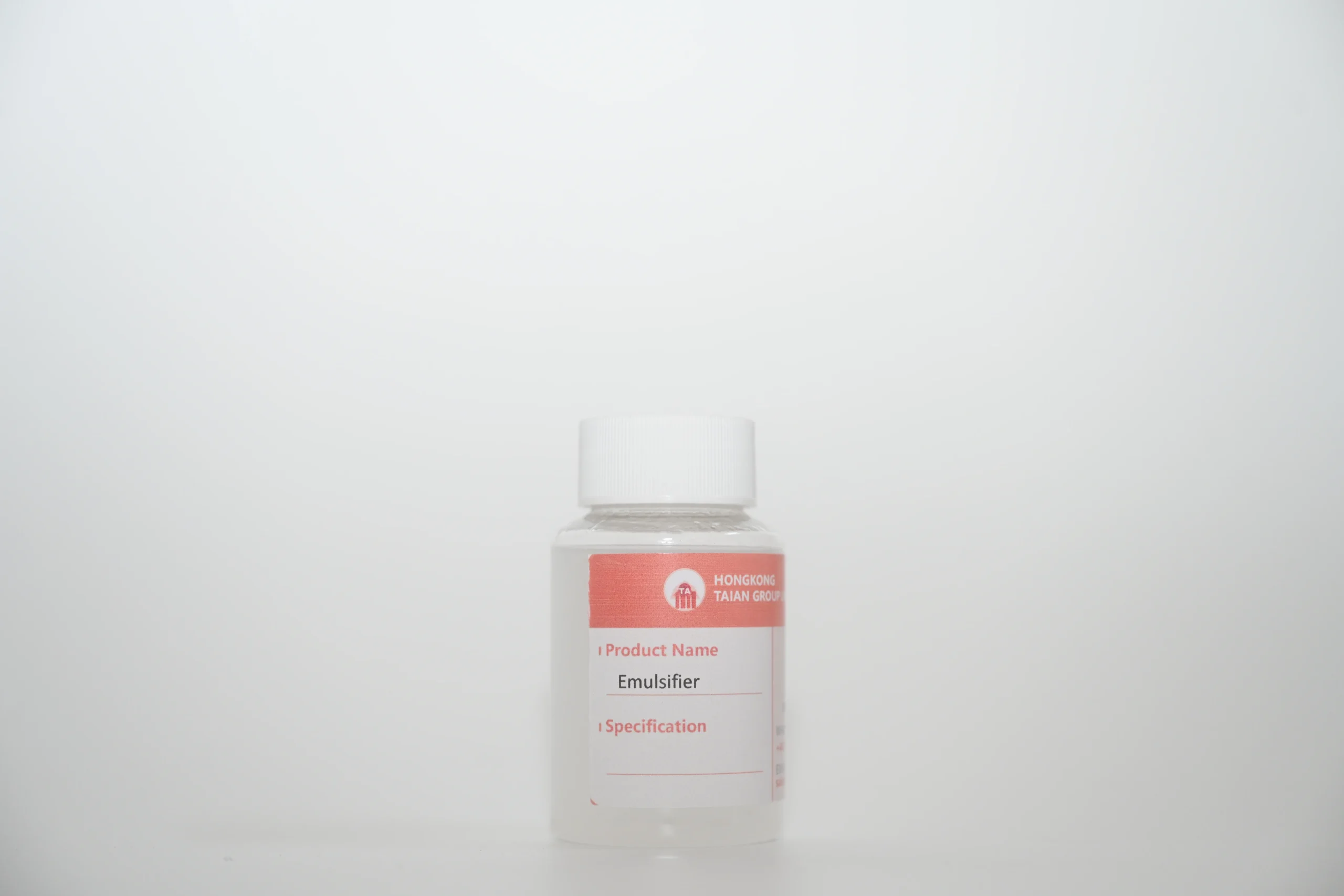
Between 2010 and 2020, the shift toward "Technical Textiles" led to the introduction of specialized polymers. This era saw the replacement of generic soaps with precision-engineered agents to meet the requirements of international luxury brands sourcing from Portugal.

Currently, the trajectory has moved toward bio-based auxiliaries. The industry is now integrating enzymatic processes and biodegradable surfactants to minimize the ecological footprint of the dyeing cycle.

Future Development Trends

Digital Dyeing Integration

Integration of chemical dosing systems with IoT sensors to ensure the exact amount of auxiliary is used per kilogram of fabric, reducing waste.

Closed-Loop Chemical Recovery

Development of agents that can be easily separated and recovered from effluent streams, particularly focusing on reducing the impact of sulfur-based dyes.

Nanotechnology in Penetration

Transitioning from standard surfactants to nano-emulsions that allow for deeper fiber penetration at lower temperatures.

Future Outlook for Textile Chemicals in Portugal

Predicting the next 5 years of chemical innovation in the Iberian textile market.

Eco-Certified Auxiliaries
Shift towards OEKO-TEX and GOTS certified agents to satisfy the demand for sustainable fashion in Europe.
Waterless Dyeing Tech
Reducing dependence on traditional baths through supercritical CO2 and advanced spray-dyeing auxiliaries.
Low-Temp Processing
Innovating agents that trigger at lower temperatures to reduce energy costs in Portuguese factories.
Smart Polymer Coatings
Development of functional finishes that add antimicrobial or hydrophobic properties during the dyeing stage.

Industry Outlook

Google search trends in the EU indicate a sharp rise in "sustainable textile dyes" and "circular fashion chemistry." This suggests that Portuguese manufacturers will increasingly prioritize chemicals that facilitate fabric recycling.

The next phase of evolution will likely focus on the "Digital Twin" of the dyeing process, where dye auxiliaries are customized via AI to match the specific fiber morphology of each fabric batch.

Localized Application Scenarios in Portugal

Practical implementations of textile chemistry in diverse Portuguese production environments.

1. Luxury Cotton Apparel in Porto

Using high-efficiency penetrating agents to ensure deep, consistent color saturation in premium Pima cotton, reducing the need for multiple dip cycles.

2. Technical Sportswear in the North

Application of specialized dye auxiliaries to enhance color fastness on synthetic blends used in high-performance athletic wear for European markets.

3. Industrial Footwear Dyeing

Utilizing stable sulfur black formulations combined with precise reducing agents to achieve a deep, non-bleeding black finish for leather and textile shoes.

4. Home Textile Finishing in Central Portugal

Implementation of oxidizing agents for precise bleaching and preparation of linen fabrics, ensuring a pristine base for subsequent dyeing.

5. Eco-Friendly Denim Processing

Integrating low-impact textile auxiliaries chemicals to achieve the "vintage" look while adhering to strict Portuguese wastewater treatment limits.

Brand Story

Global Development Journey of Shijiazhuang Taikun Chemical Co., Ltd.

Foundational Excellence

Established with a vision to bridge the gap between raw chemical synthesis and practical textile application, focusing on purity and stability.

R&D Breakthroughs

Invested heavily in molecular engineering to create more efficient auxiliaries that reduce water and energy consumption for our global clients.

Global Market Expansion

Extended our reach into the European market, tailoring our product lines to meet the stringent REACH and environmental standards of the EU.

Sustainable Pivot

Launched a dedicated line of biodegradable agents, solving the pain point of chemical residue in high-end textile effluent.

Industry Leadership

Now recognized as a key partner for Portuguese textile hubs, providing end-to-end chemical solutions from pretreatment to final finish.

Complete Chemical Portfolio for the Portuguese Market

A curated selection of high-performance agents for every stage of the dyeing process.

Common Questions for Textile Manufacturers in Portugal

Technical insights and regulatory guidance for local chemical application.

How to choose the right textile auxiliaries chemicals for EU REACH compliance?

Ensure the chemicals have a valid REACH registration. We provide full SDS and technical documentation to ensure your Portuguese facility meets all European safety and environmental standards.

Can a high-quality penetrating agent reduce water consumption?

Yes, advanced penetrating agents lower surface tension more effectively, allowing dyes to enter the fiber faster and more uniformly, which significantly reduces the need for excessive rinsing cycles.

What is the best way to stabilize sulfur black in high-end garments?

Stability is achieved through the precise balance of reducing agents during the dyeing phase and thorough oxidation in the post-treatment phase to prevent rubbing and bleeding.

How do dye auxiliaries affect the hand-feel of luxury cotton?

The right auxiliaries prevent fiber agglomeration and ensure that the dye doesn't stiffen the fabric, preserving the natural softness and drape required by luxury brands.

Which oxidizing agent reducing agent pairs are best for sustainable processing?

We recommend using peroxide-based oxidizers and specialized sodium hydrosulfite alternatives that decompose into non-toxic byproducts, reducing the load on wastewater treatment plants.

Do you offer customized chemical blends for Portuguese textile mills?

Yes, we analyze your specific water hardness and fabric types to provide a customized blend of auxiliaries that optimize your specific production line efficiency.

Optimize Your Production Today

Contact our technical experts to implement high-performance textile chemistry in Portugal.

Contact Us Now

If you are interested in our products, you can choose to leave your information here, and we will be in touch with you shortly.