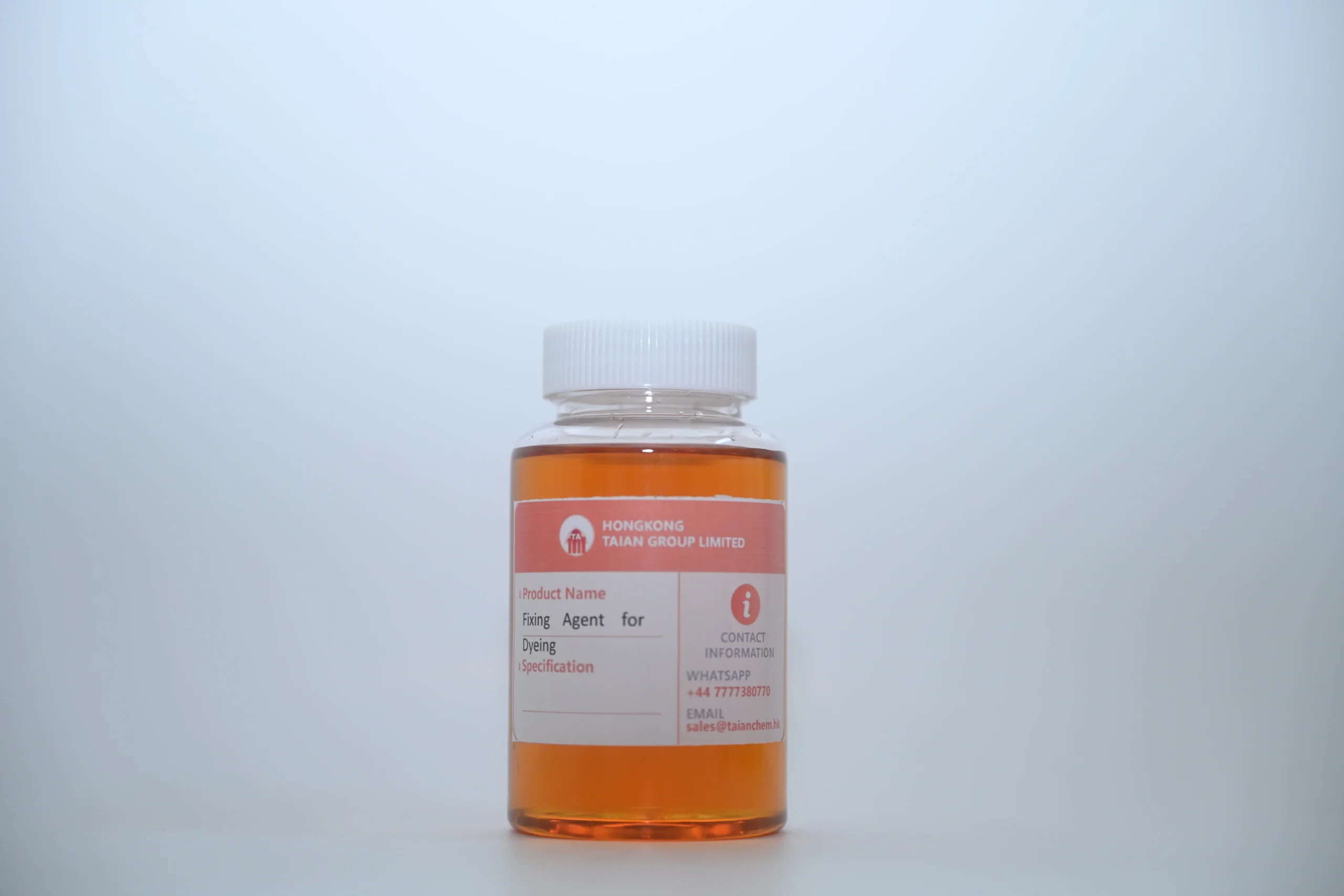
Greece's textile industry, particularly in regions focused on high-end cotton and blended fabrics, faces unique challenges due to the hard water conditions common in the Mediterranean basin. The integration of high-quality textile auxiliaries chemicals is critical to counteract mineral interference and ensure dye uniformity across large batches.
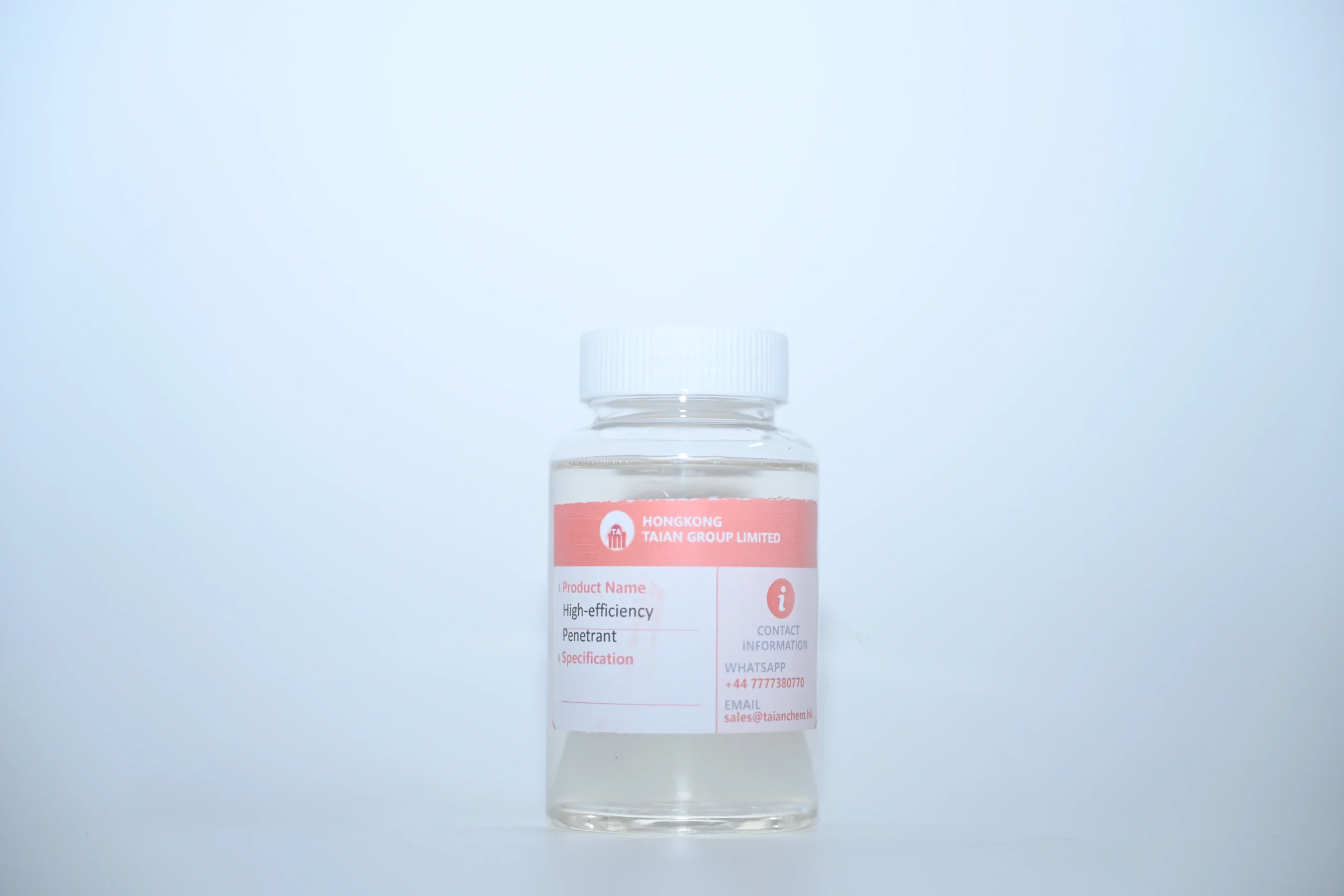
Current market survival depends on the ability to transition toward eco-friendly processing. Greek manufacturers are increasingly replacing harsh legacy chemicals with a refined penetrating agent to reduce water consumption and energy costs during the pre-treatment phase of garment production.
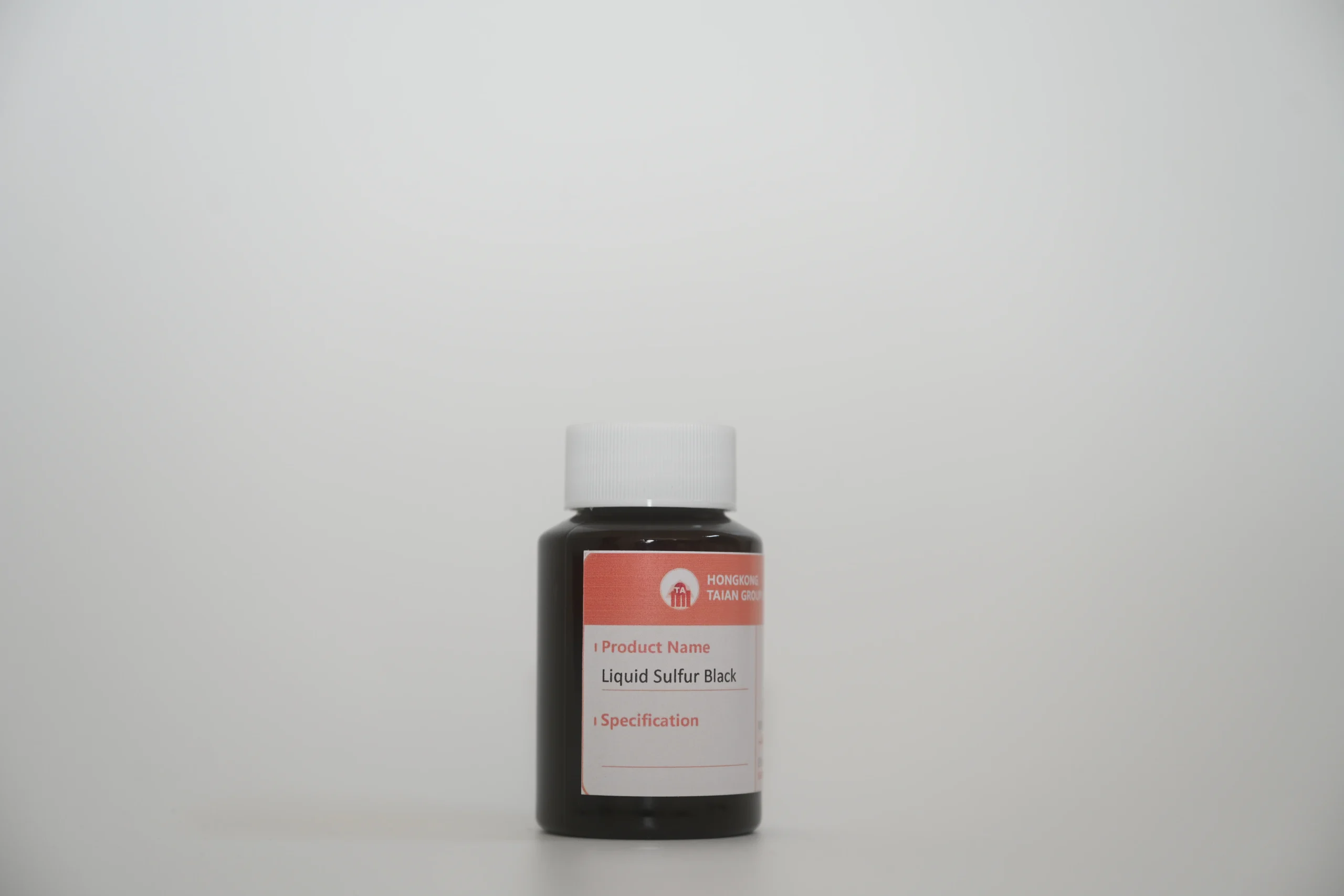
Furthermore, the demand for deep, stable blacks in the local fashion sector has led to a resurgence in the optimized use of sulfur black, provided it is coupled with modern reduction techniques to meet strict EU environmental REACH standards.