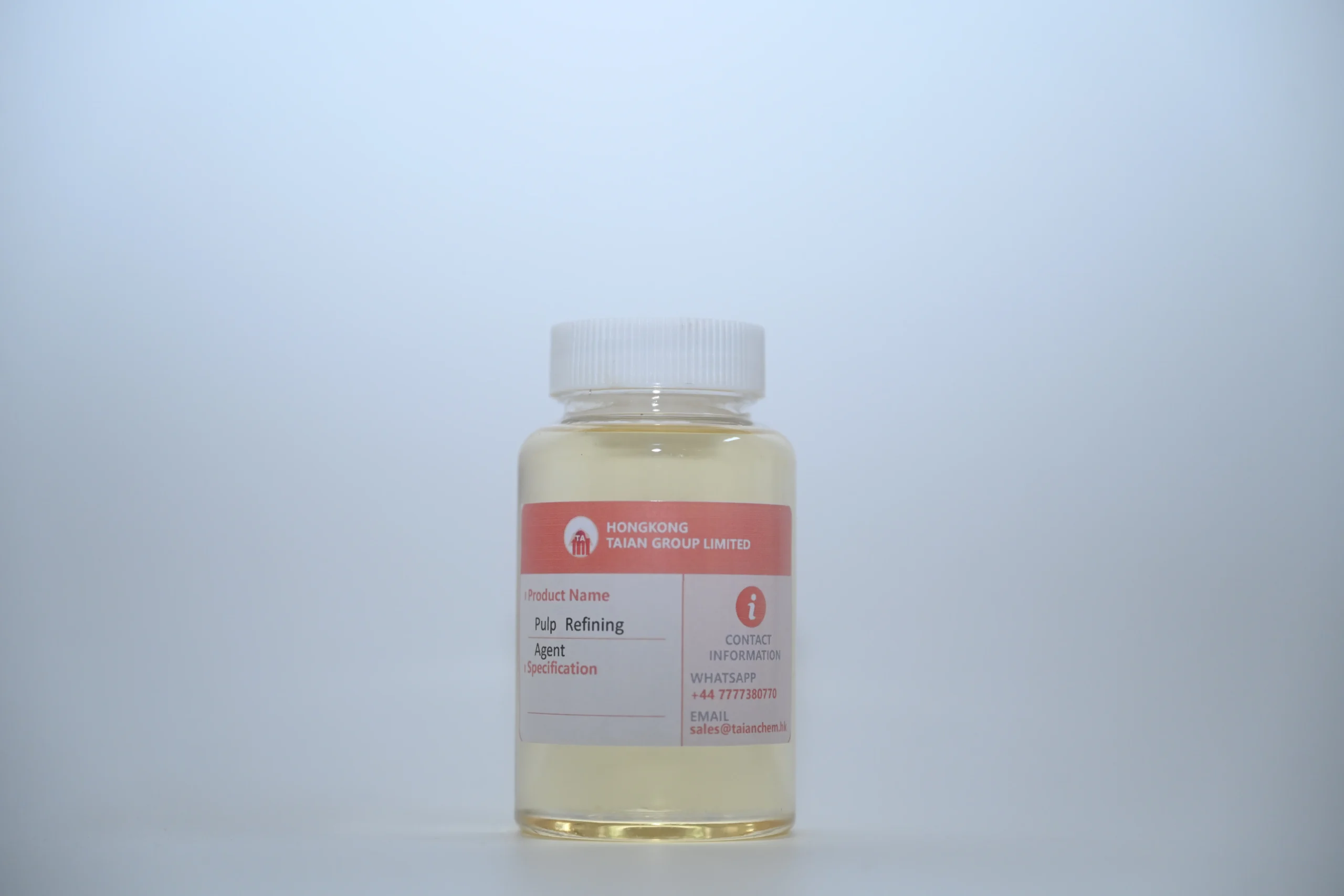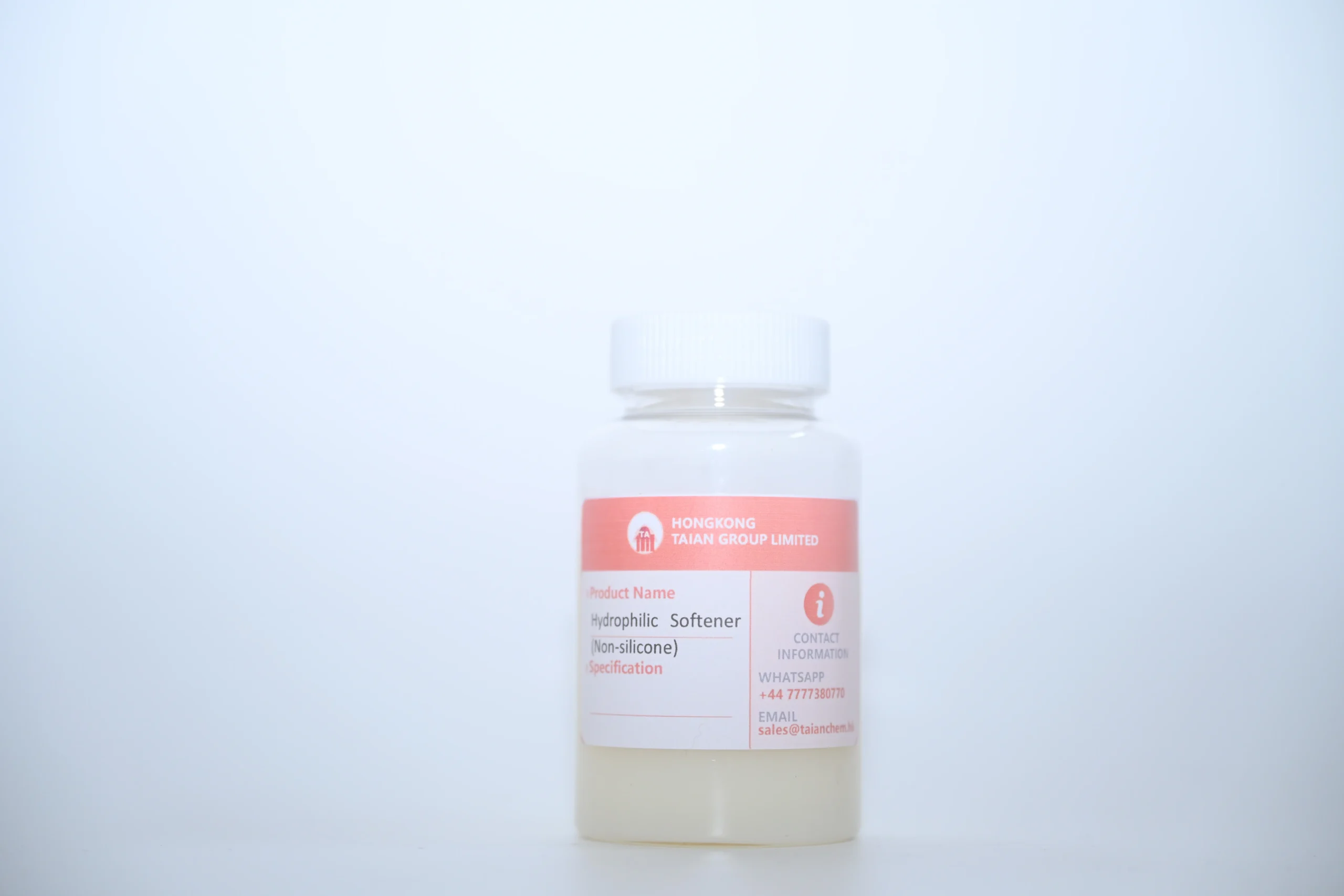
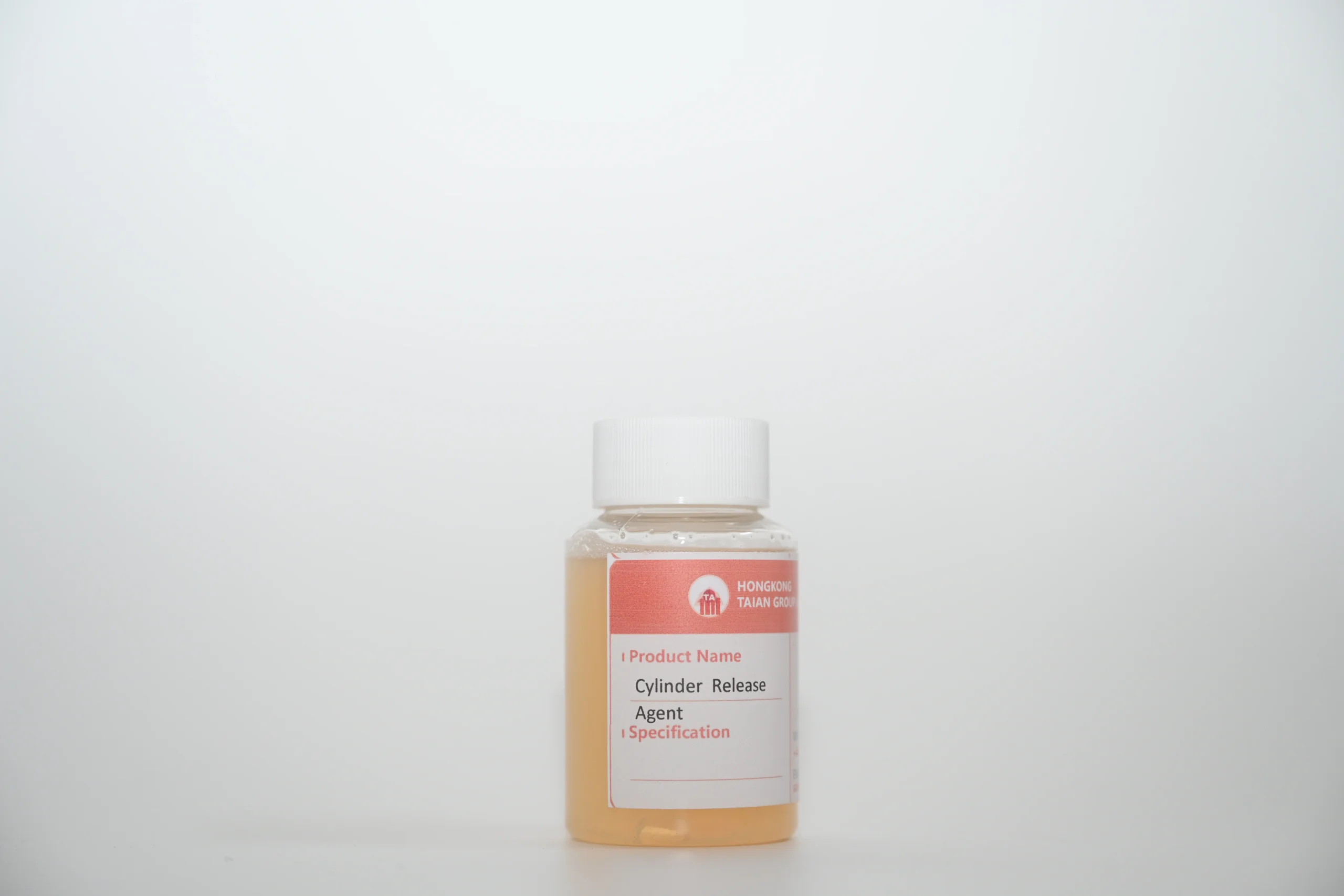
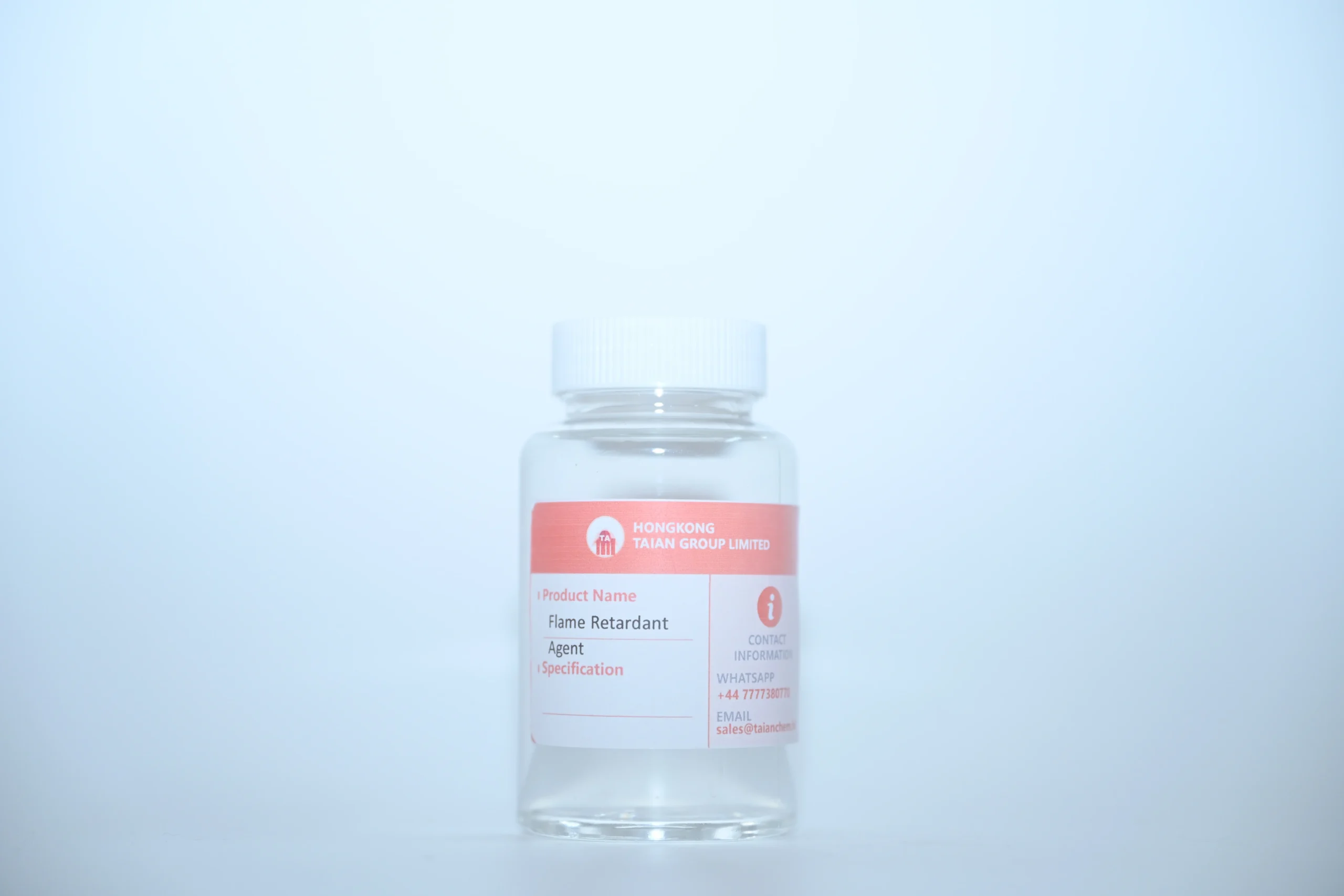
Advanced dye auxiliaries Solutions for Bahrain's Textile Industry

Optimizing fabric processing and coloration efficiency for the Gulf region's specialized textile manufacturing sector.

Advanced dye auxiliaries Solutions for Bahrain's Textile Industry

Providing high-performance chemical agents tailored for the unique climatic and industrial requirements of textile producers in Bahrain, ensuring superior color fastness and material durability.

Current Landscape of Textile Chemicals in Bahrain

Analyzing the synergy between chemical innovation and Bahrain's arid environmental challenges.

The textile industry in Bahrain operates under extreme heat and high humidity, which significantly impacts the stability of textile auxiliaries chemicals. Local manufacturers face the challenge of maintaining consistent dye uptake and preventing chemical degradation during storage and application in high-temperature environments.

Water scarcity and salinity in the region necessitate the use of high-efficiency penetrating agent formulations. These chemicals are critical for reducing water consumption while ensuring that dyes penetrate deeply and evenly into the fabric fibers, despite the potential interference of mineral deposits in local water sources.

Currently, there is a growing shift toward specialized agents such as sulfur black for heavy-duty industrial textiles. The demand is driven by the need for deep, durable coloration that can withstand intense UV exposure, a common requirement for outdoor textiles used across the Arabian Peninsula.
Evolution of Dyeing Chemistry in Bahrain

From traditional batch processing to precision chemical engineering.

Market Development History

In the early 2000s, Bahrain's textile sector relied primarily on generic imports with basic dye auxiliaries. Processing was largely manual, leading to significant waste and inconsistent color batches due to the lack of localized chemical optimization.

By 2010-2015, the industry transitioned toward the integration of an oxidizing agent reducing agent system. This technical iteration allowed for more precise control over the reduction-clearance process, specifically for vat and sulfur dyes, significantly improving the brightness and stability of the final product.

From 2018 to the present, the focus has shifted toward "Green Chemistry." The adoption of biodegradable surfactants and low-temperature auxiliaries has reduced the energy footprint of Bahraini dye houses, aligning industrial growth with regional environmental sustainability goals.

Future Development Trends

Digital Chemical Dosing

Integration of AI-driven dosing systems to minimize the waste of expensive chemicals based on real-time fabric weight and water quality sensors.

Waterless Dyeing Auxiliaries

A shift toward supercritical CO2 dyeing or low-liquor ratio agents to combat Bahrain's critical water scarcity.

Nano-enhanced Penetration

Development of nano-scale agents that ensure 100% fiber saturation with minimal chemical load, reducing wastewater toxicity.

Future Trends and Strategic Outlook

Navigating the next era of textile chemical engineering in the Middle East.

Eco-Friendly Formulation
Transitioning to APEO-free and biodegradable agents to comply with international export standards.
UV-Resistance Focus
Developing additives that prevent dye fading under the extreme solar radiation of Bahrain.
Smart Dyeing Systems
Implementation of IoT sensors to monitor chemical concentration in real-time for zero-defect production.
Energy-Efficient Auxiliaries
Chemicals that enable high-quality dyeing at lower temperatures to reduce steam costs.

Industry Outlook

Google search trends indicate a surge in queries related to "sustainable textile chemicals" and "water-saving dyeing" within the GCC region. This suggests that Bahraini firms are pivoting toward high-tech, low-impact solutions to remain competitive in the global market.

The future will be defined by the integration of biotechnology, where bio-based enzymes replace traditional caustic chemicals, ensuring a safer working environment and reduced effluent treatment costs for Bahrain's industrial zones.

Localized Application Scenarios in Bahrain

Real-world deployment of specialized textile auxiliaries in the Bahraini market.

01. High-Salinity Water Pre-treatment

Using advanced penetrating agents to neutralize the effects of desalinated water ions, ensuring uniform dye absorption for cotton blends in Manama's textile mills.

02. Industrial Workwear Dyeing

Application of sulfur black for durable, fade-resistant uniforms used in Bahrain's oil and gas sector, ensuring long-term color stability under intense heat.

03. Precision Color Clearance

Utilizing a balanced oxidizing agent reducing agent cycle to remove excess dye from high-end luxury fabrics, meeting the strict quality standards of Bahraini boutiques.

04. High-Temperature Fabric Finishing

Implementing heat-stable dye auxiliaries that prevent fabric yellowing during the curing process in Bahrain's summer peak temperatures.

05. Sustainable Effluent Management

Integration of biodegradable flocculants and auxiliaries to reduce the chemical oxygen demand (COD) in textile wastewater before discharge.

Brand Story

Global Development Journey of Shijiazhuang Taikun Chemical Co., Ltd.

Foundational Excellence

Established with a vision to revolutionize textile chemistry, we began by mastering the purity and stability of core dyeing agents.

Technological Breakthrough

We developed proprietary formulas for high-efficiency auxiliaries that solved the common problem of uneven dyeing in synthetic blends.

Global Expansion

Expanding into the Middle East and Asia, we adapted our chemistry to survive extreme climates, specifically targeting the GCC region.

Sustainable Innovation

Launched a series of eco-certified chemicals that reduce water usage by 30%, helping clients meet global ESG standards.

Industry Leadership

Today, we stand as a trusted partner for textile manufacturers worldwide, providing total chemical solutions from pretreatment to finishing.

Comprehensive Chemical Portfolio for Bahrain

A complete range of high-performance agents designed for the Gulf's textile requirements.

Bahrain Textile Chemicals FAQ

Expert answers to common technical challenges in the region.

How do I choose the right penetrating agent for hard water in Bahrain?

You should select a chelating-enhanced penetrating agent that can sequester calcium and magnesium ions common in Bahrain's water, ensuring the dye penetrates the fiber without spotting.

What is the best oxidizing agent reducing agent ratio for sulfur dyes?

The ratio depends on the fabric weight, but typically a precise reduction phase followed by a controlled oxidation phase is required to lock the color and remove surface residues.

Can sulfur black be used for high-UV exposure fabrics in the GCC?

Yes, sulfur black is highly durable. When paired with our UV-stabilizing dye auxiliaries, it provides excellent light fastness for outdoor industrial textiles.

How can textile auxiliaries chemicals reduce water consumption?

By using low-liquor ratio auxiliaries and high-efficiency wetting agents, manufacturers can reduce the number of rinse cycles required, significantly saving water.

Are your dye auxiliaries compatible with automated dyeing machines?

Absolutely. Our products are formulated for high solubility and stability, making them ideal for precision dosing in modern automated machinery.

What is the shelf life of chemicals stored in Bahrain's heat?

Our products are formulated with stabilizers to withstand high temperatures, but we recommend climate-controlled storage to ensure a full 24-month shelf life.

Get Professional Chemical Consultation

Our technical team is ready to help you optimize your textile production in Bahrain.

Contact Us Now

If you are interested in our products, you can choose to leave your information here, and we will be in touch with you shortly.