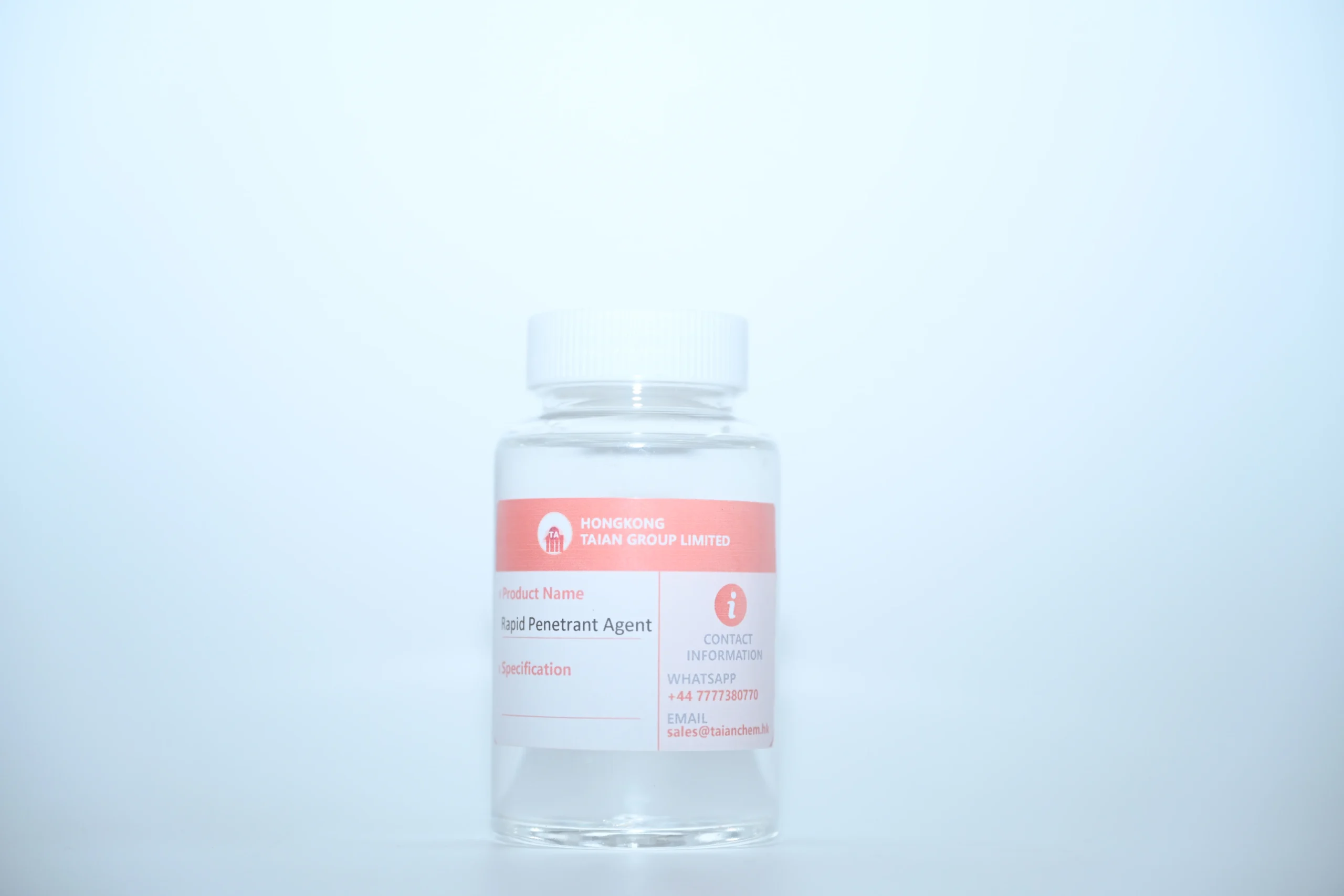
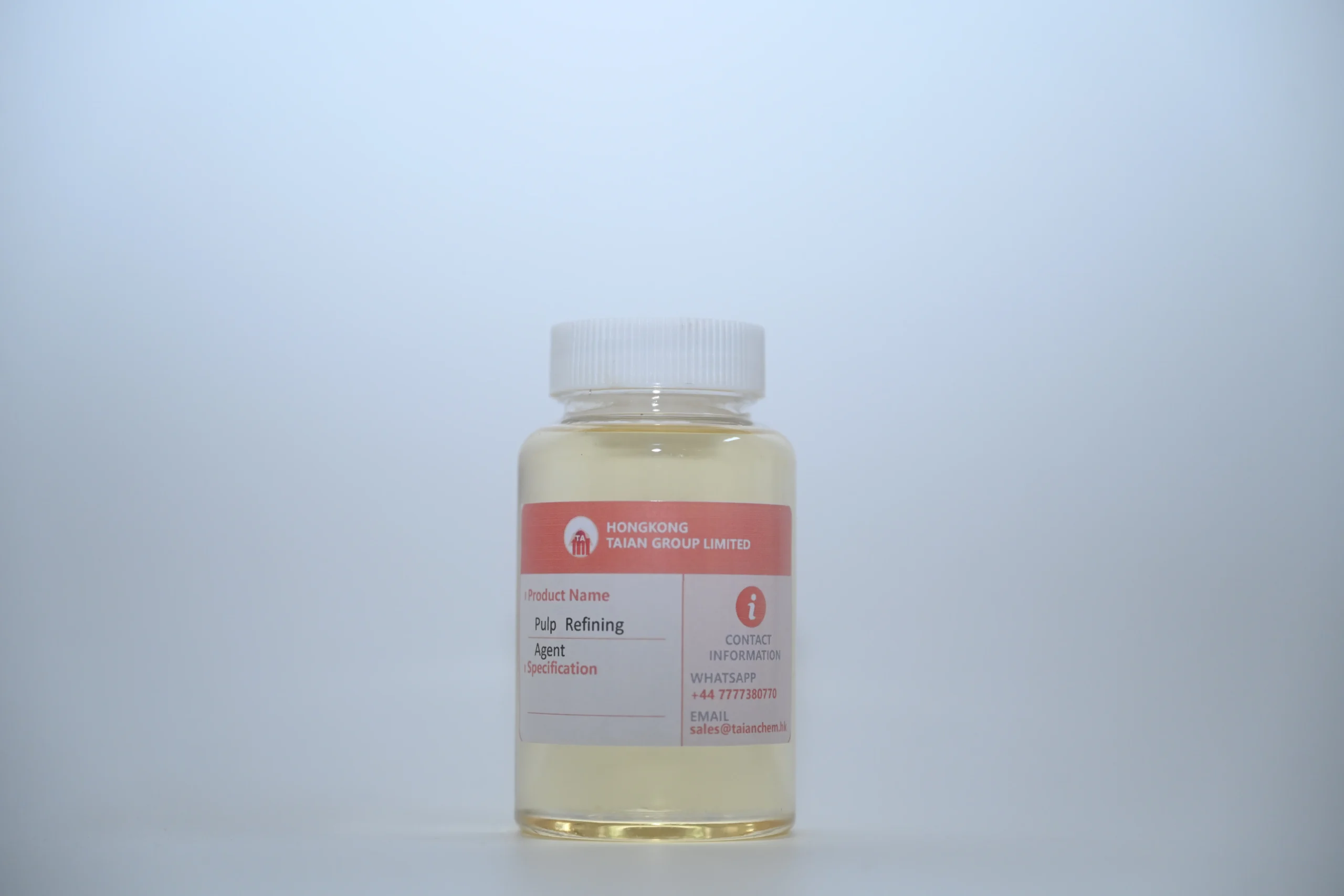
Advanced dye auxiliaries Solutions for Indonesia Textile Industry

Optimizing fabric processing efficiency and color brilliance through high-performance chemical engineering tailored for the Indonesian market.

Advanced dye auxiliaries Solutions for Indonesia Textile Industry

Providing a comprehensive suite of chemical agents to enhance dyeing precision and fabric quality for Indonesia's diverse textile manufacturing hubs.

Current State of Textile Chemistry in Indonesia

Analyzing the impact of tropical humidity and industrial growth on chemical applications.

Indonesia's textile sector, centered largely in West Java, faces unique challenges due to high ambient humidity and varying water hardness. The demand for high-quality textile auxiliaries chemicals has surged as local mills shift from basic garment assembly to high-value fabric production.

A significant portion of the local market relies on sulfur black for denim and heavy cotton processing. However, the volatility of raw material costs in Southeast Asia necessitates more stable and concentrated chemical formulations to maintain cost-effectiveness.

Environmental regulations in Indonesia are becoming stricter, pushing manufacturers to replace traditional harsh chemicals with eco-friendly penetrating agent solutions that reduce water consumption and effluent toxicity during the pretreatment phase.
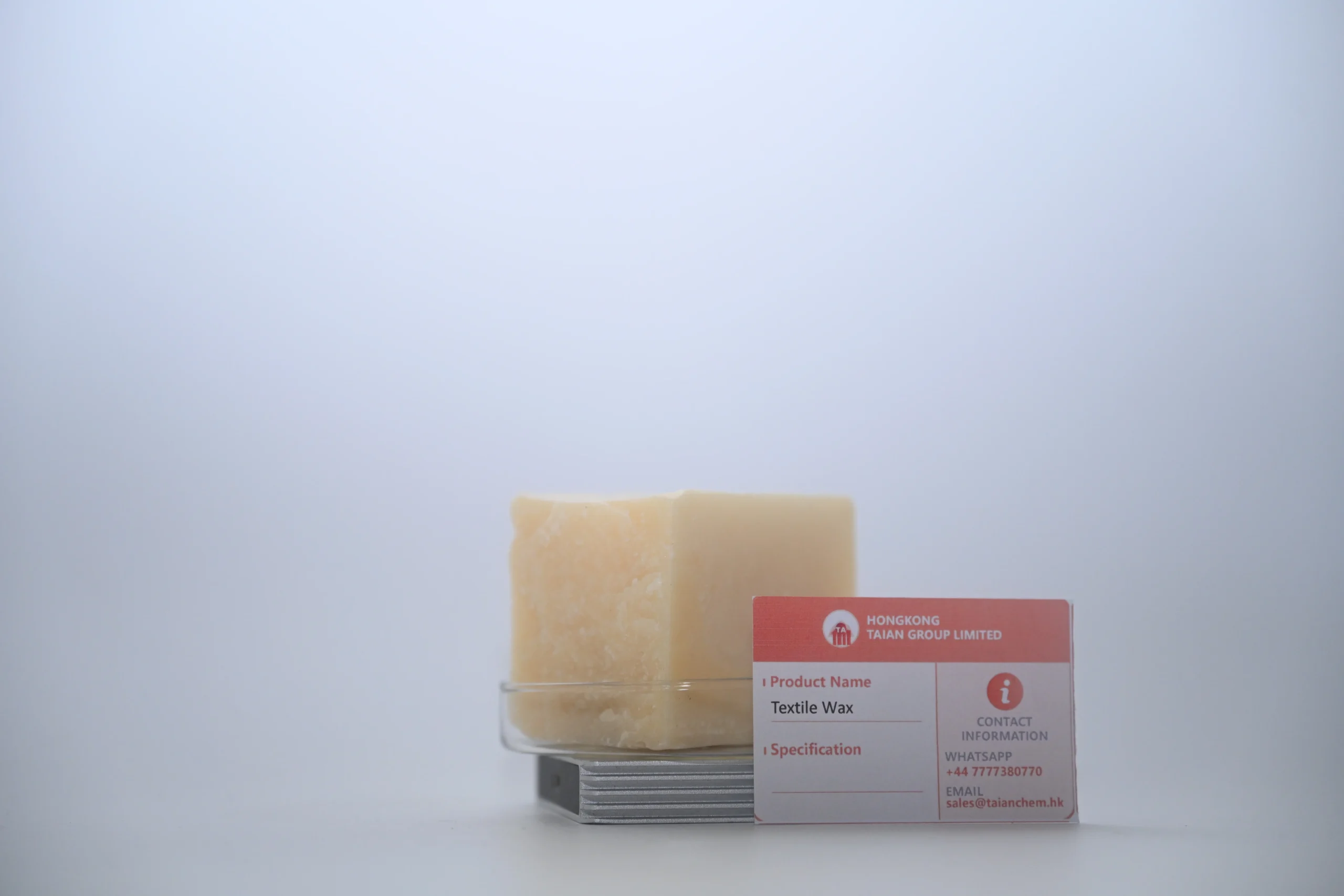
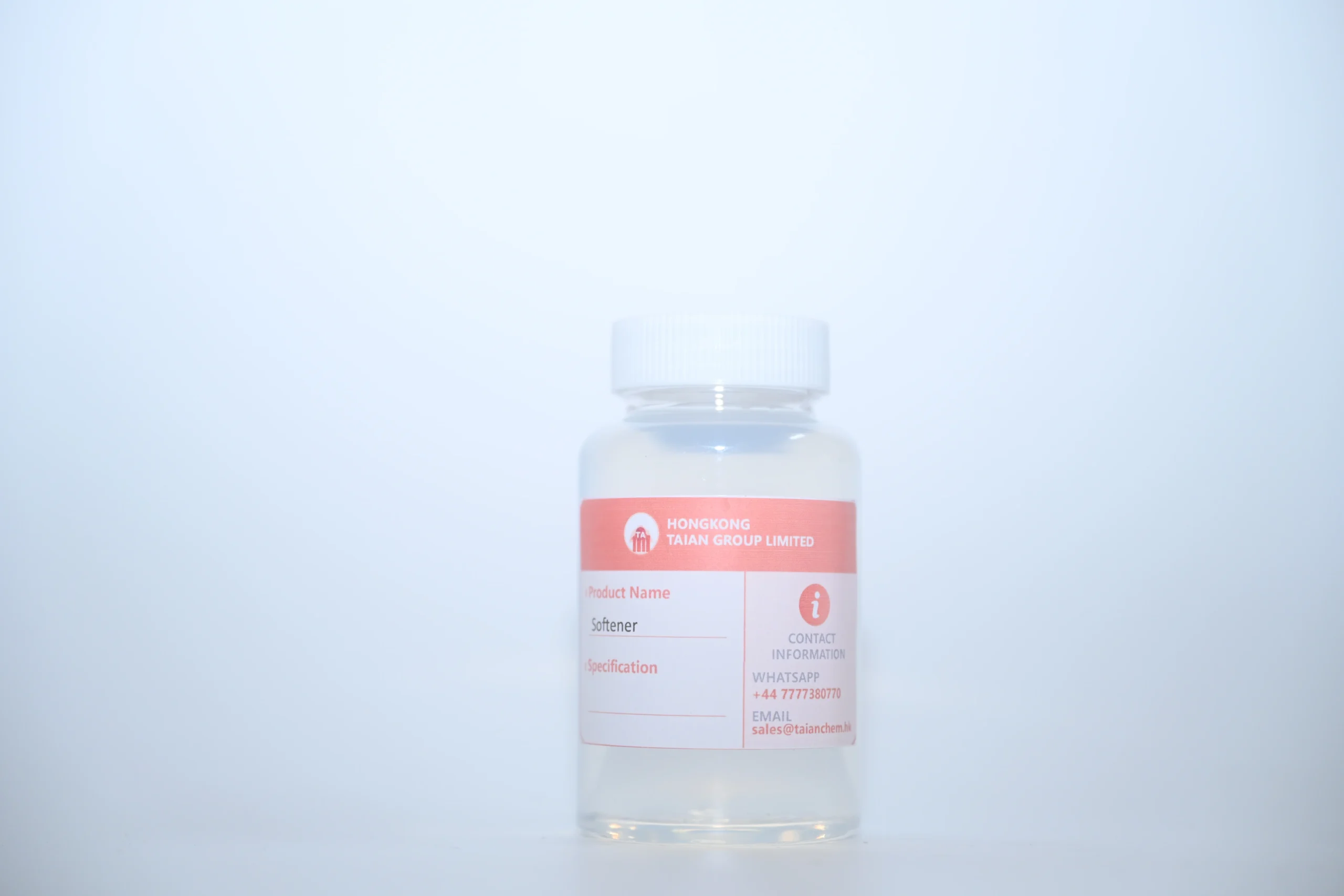
Evolution and Trajectory of Dyeing Technology

From traditional batch processing to automated sustainable chemistry.

Market Development History

In the 1990s, the Indonesian textile industry relied on basic alkaline agents and manual dosing, where the primary goal was simple color fixation without regard for molecular stability.

Between 2005 and 2015, there was a technical transition toward the use of specialized oxidizing agent reducing agent systems to ensure consistency in vat and sulfur dyeing, reducing the "batch-to-batch" color variation.

From 2016 to the present, the focus has shifted toward "Smart Chemistry," utilizing low-temperature auxiliaries that align with global sustainability certifications like OEKO-TEX, which are now required for Indonesian exports to EU markets.

Future Development Trends

Bio-based Auxiliary Integration

Moving toward biodegradable surfactants to replace petroleum-based agents, reducing the chemical oxygen demand (COD) in Indonesian industrial waterways.

Digital Precision Dosing

The integration of IoT-enabled dispensing systems that calibrate the exact ratio of auxiliaries based on real-time fabric weight and liquor ratio.

Waterless Dyeing Catalysts

Exploring supercritical CO2 dyeing and anhydrous auxiliaries to virtually eliminate water use in the dyeing cycle.

Industry Trends and Future Outlook

Predicting the shift towards green chemistry and automated textile processing in Asia.

Green Chemistry Transition
Rapid adoption of ZDHC-compliant chemicals to meet international brand requirements in Indonesia.
Energy Efficiency
Development of low-temperature auxiliaries to reduce steam consumption in boiler systems.
Automation Synergy
Integration of chemicals with automated dyeing machines for zero-defect production.
Functional Finishing
Growing demand for antimicrobial and hydrophobic auxiliaries in athletic wear.

Industry Outlook

Based on Google search trends for "sustainable textile chemicals" in Asia, there is a projected 15% annual increase in demand for low-impact auxiliaries. Indonesia is expected to become a regional hub for eco-dyeing technology.

The focus will shift from mere cost-reduction to "Total Cost of Ownership," where chemicals that reduce water and electricity consumption provide the highest commercial value.

Localized Application Scenarios in Indonesia

Real-world implementation of specialized auxiliaries in Indonesian textile mills.

01. Denim Dyeing in West Java

Utilization of high-purity sulfur black combined with precision reducing agents to achieve deep, consistent blacks for global export brands.

02. Rayon Pre-treatment in Central Java

Application of specialized penetrating agent to ensure uniform wetting of regenerated cellulose fibers, preventing streaks in high-speed dyeing.

03. Cotton Knit Dyeing in Bandung

Implementing a balanced oxidizing agent reducing agent cycle to optimize the reduction of vat dyes, ensuring high color fastness.

04. Synthetic Fabric Processing

Using advanced dye auxiliaries to improve the disperse dye uptake on polyester blends, reducing the need for multiple dye baths.

05. Industrial Workwear Finishing

Combining heavy-duty textile auxiliaries chemicals for soil-release and oil-repellency on uniforms produced for the Indonesian mining sector.

Brand Story

Global Development Journey of Shijiazhuang Taikun Chemical Co., Ltd.

Foundational Excellence

Established as a specialist in textile chemistry, focusing on solving the fundamental stability issues of sulfur and vat dyes.

Technical Innovation

Developed proprietary formulations for reducing agents that significantly decreased waste output for large-scale mills.

Global Expansion

Expanded operations into the Southeast Asian market, establishing a strong logistics presence to serve the Indonesian textile hub.

Sustainable Shift

Pivoted R&D towards bio-degradable auxiliaries, aligning with global ZDHC and REACH standards.

Industry Leadership

Now recognized as a leading provider of specialized textile chemicals, empowering mills worldwide with efficiency and sustainability.

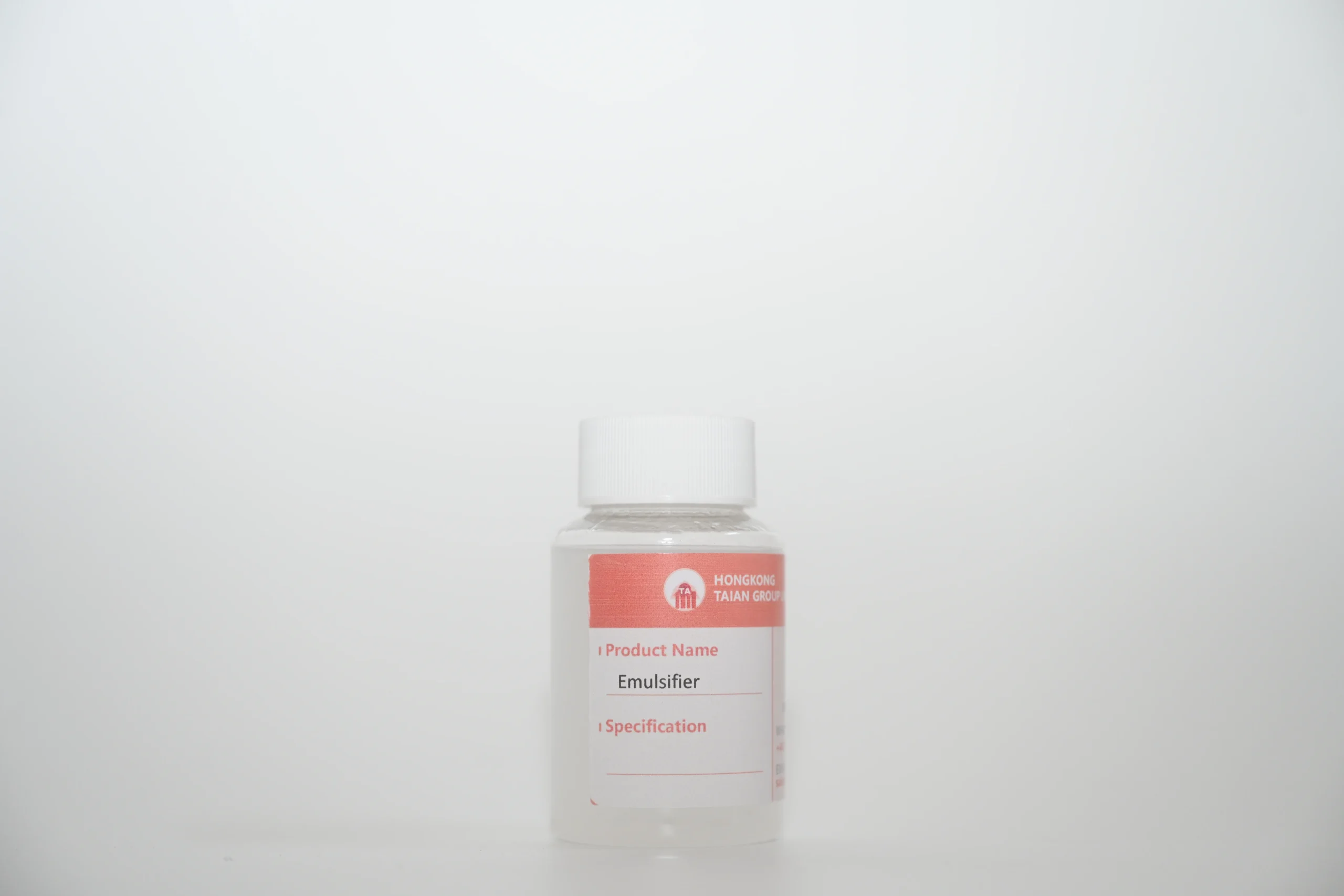
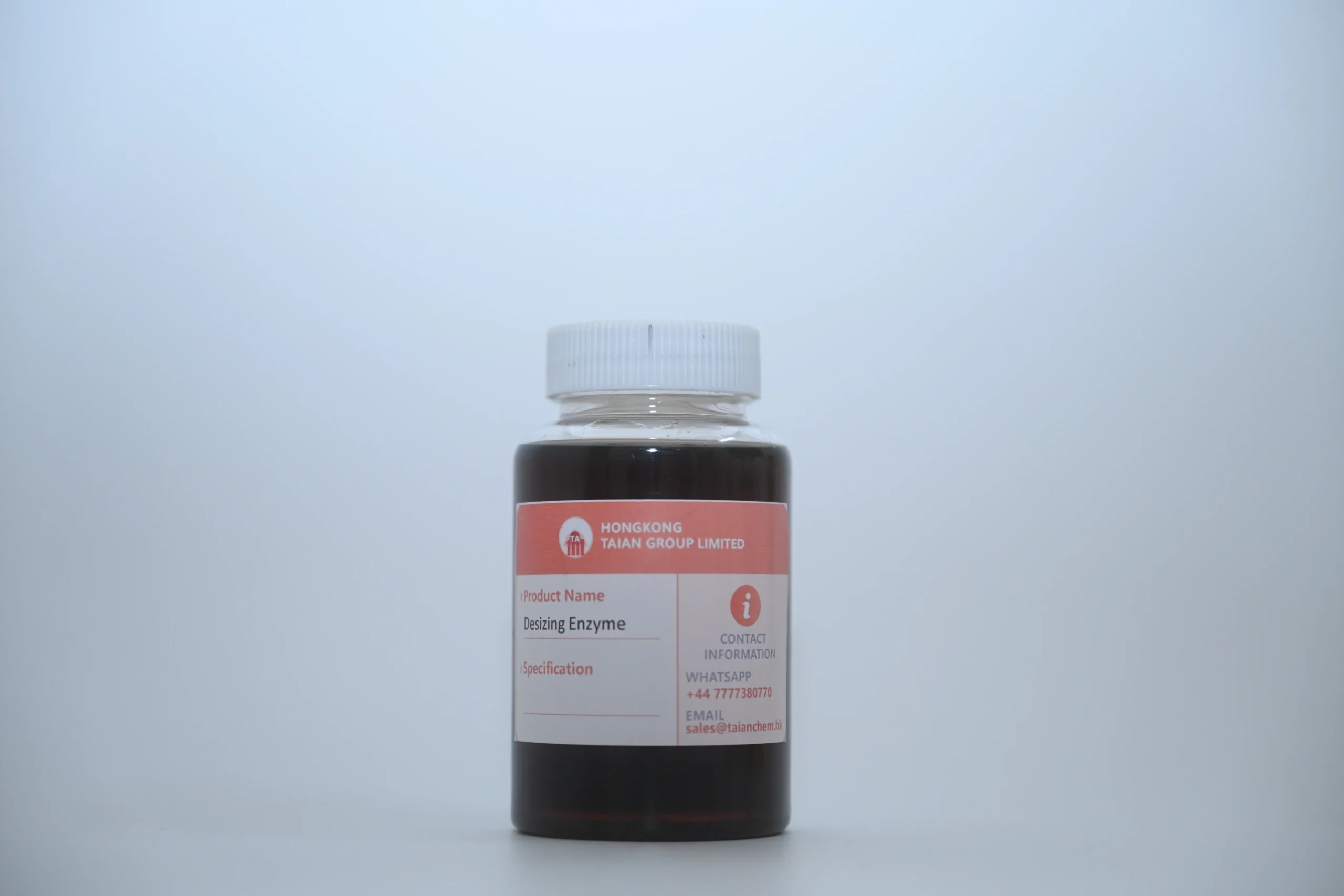
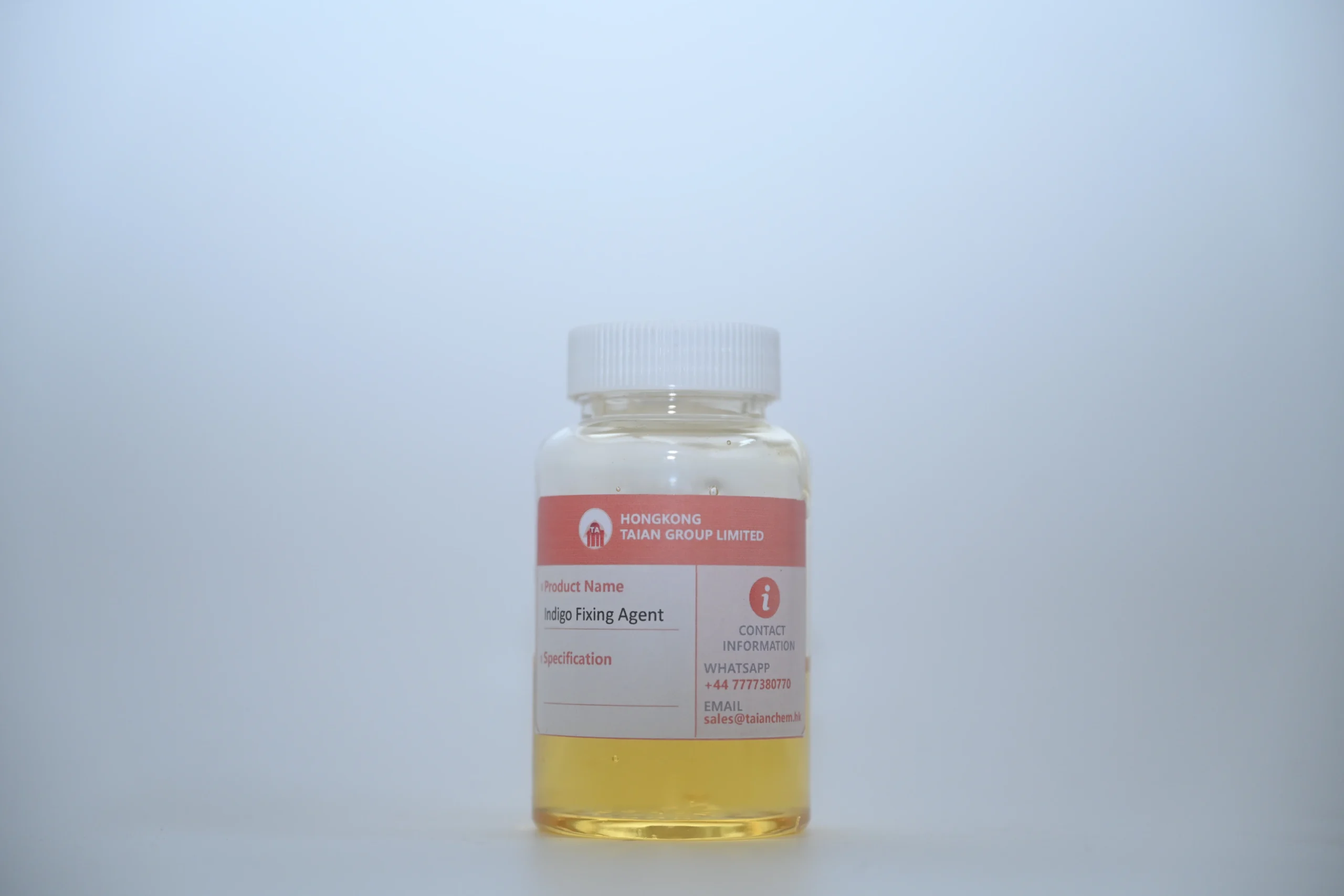
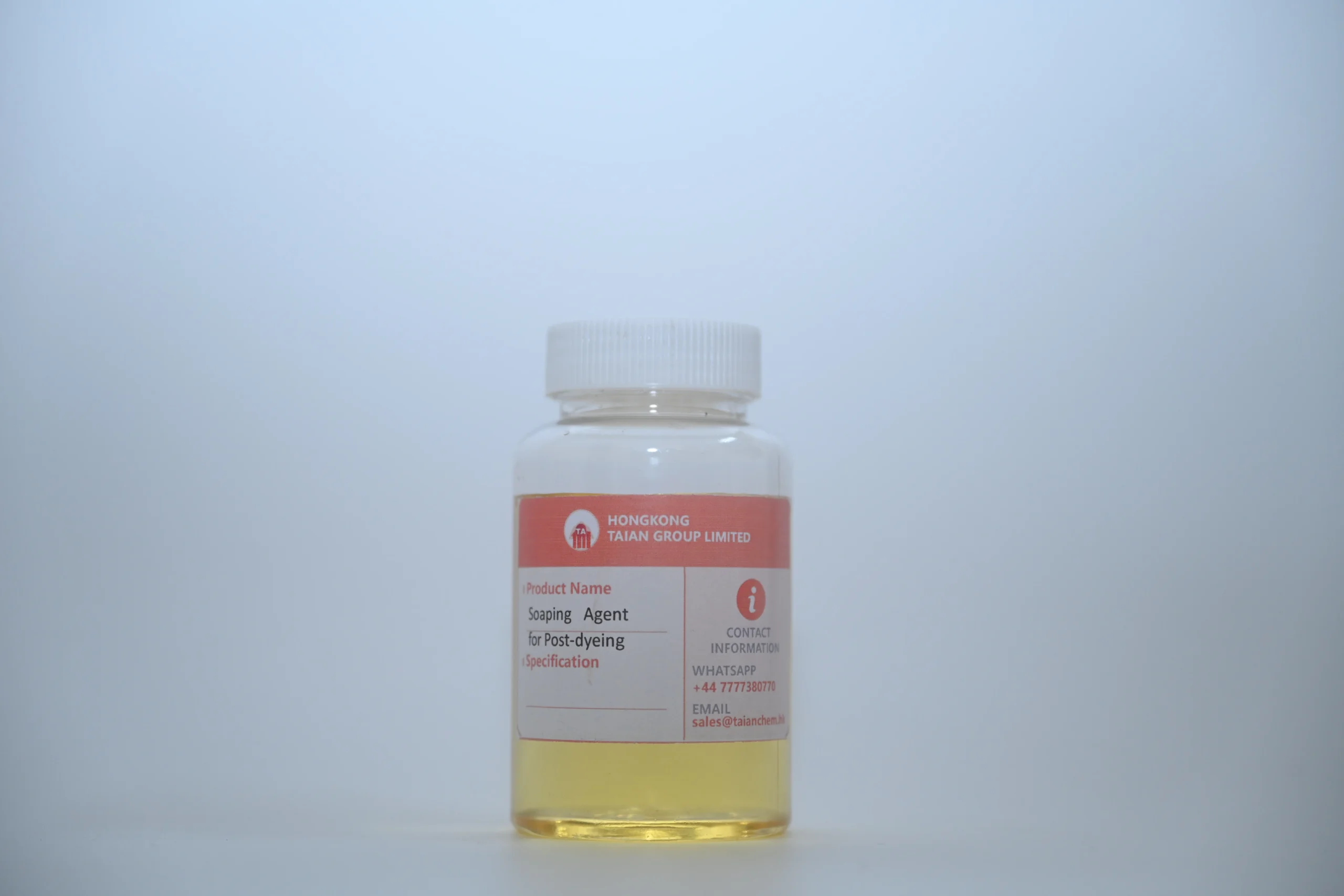
Comprehensive Product Portfolio for the Indonesian Market

Our full range of high-performance chemical solutions designed for maximum textile efficiency.

Indonesian Textile Chemical FAQ

Answers to common technical questions regarding textile auxiliaries in the region.

How to optimize sulfur black dyeing for Indonesian cotton?

The key is using a stabilized reducing agent and maintaining a consistent temperature profile to ensure the sulfur black penetrates the fiber evenly despite high humidity.

Which penetrating agent is best for high-mineral water in Java?

We recommend chelated penetrating agents that can sequester calcium and magnesium ions, preventing precipitation and ensuring uniform fabric wetting.

What is the impact of oxidizing agent reducing agent balance on color fastness?

A precise balance ensures complete reduction of the dye for uptake and effective oxidation for fixation, preventing bleeding in finished garments.

Are your dye auxiliaries compatible with low-temperature dyeing?

Yes, our modern range of auxiliaries is specifically engineered to maintain high affinity and exhaustion rates at reduced temperatures to save energy.

How do textile auxiliaries chemicals help in reducing effluent COD?

By using high-concentration, low-salt formulations, mills can reduce the total amount of chemical discharge into the waste stream.

Can sulfur black be used for sustainable fashion lines?

When paired with eco-friendly reducing agents and a closed-loop water system, sulfur black can be implemented in sustainable production cycles.

Expert Consultation for Your Textile Mill

Partner with the leaders in chemical innovation to optimize your production lines in Indonesia.

Contact Us Now

If you are interested in our products, you can choose to leave your information here, and we will be in touch with you shortly.