Advanced dye auxiliaries Solutions for Cambodia's Textile Hubs

Optimizing fabric processing and coloring efficiency through high-performance chemical engineering tailored for the Southeast Asian climate.

Advanced dye auxiliaries Solutions for Cambodia's Textile Hubs

We provide a comprehensive suite of textile chemicals designed to enhance color fastness and fabric texture, ensuring Cambodian garment exports meet strict global quality standards.

Current State of Textile Chemistry in Cambodia

Analyzing the integration of specialty chemicals in the Phnom Penh and Siem Reap industrial zones.

The Cambodian textile industry is currently navigating a transition from basic assembly to integrated processing. The high humidity and temperature of the region necessitate the use of specialized penetrating agent formulations to ensure uniform dye uptake and prevent spotting in synthetic and blended fabrics.

Many local factories are upgrading their dyeing vats to incorporate high-efficiency textile auxiliaries chemicals to reduce water consumption. As international brands demand higher sustainability certifications (such as OEKO-TEX), there is a surge in demand for chemicals that reduce the environmental footprint of the dyeing process.

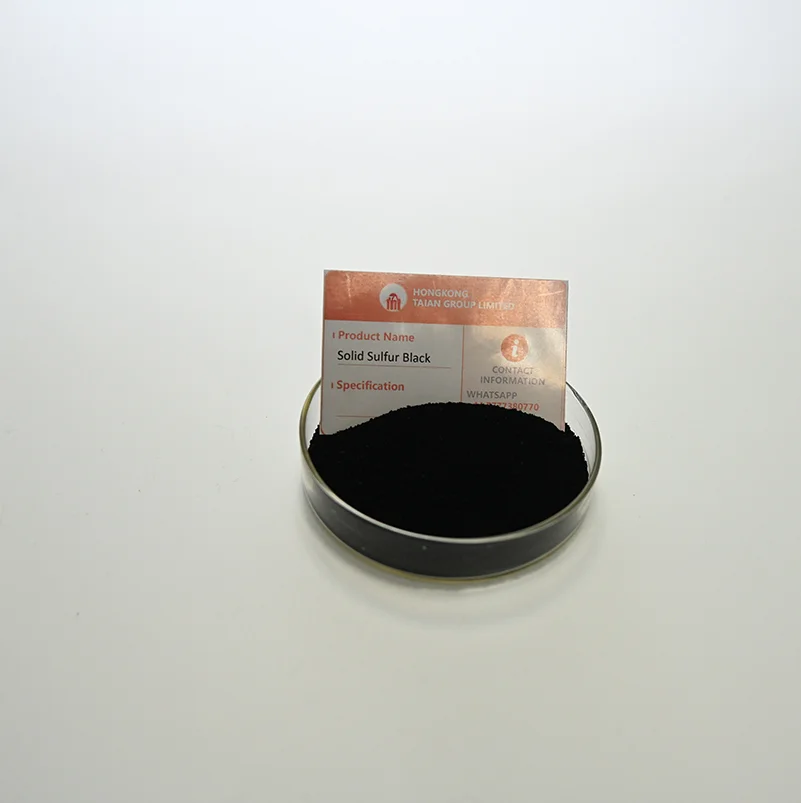
Specifically, for the production of deep black denims and industrial wear, the application of sulfur black remains critical, though the focus has shifted toward reducing residual sulfur odors and improving the wash-fastness of the finished garments.
Evolution and Trajectory of Dyeing Technology

From traditional batch dyeing to automated, eco-friendly chemical systems.

Market Development History

In the early 2000s, the Cambodian market relied heavily on imported raw pigments with minimal chemical stabilization, leading to inconsistent batch quality and high wastage rates.

Between 2010 and 2020, the industry adopted standardized oxidizing agent reducing agent systems to precisely control the redox potential during the dyeing of vat and sulfur dyes, significantly improving shade reproducibility.

By 2023, the trend shifted toward "Smart Chemistry," where auxiliaries are formulated to work at lower temperatures, aligning with Cambodia's goal to reduce energy costs in the manufacturing sector.

Future Development Trends

Bio-based Auxiliaries

A transition toward biodegradable surfactants and wetting agents to meet the EU's "Green Deal" requirements for imported garments from Asia.

Digital Chemical Dosing

Integration of IoT-enabled dosing systems that adjust the concentration of auxiliaries in real-time based on fabric weight and water quality.

Low-Liquor Ratio Processing

Development of ultra-concentrated chemicals that allow for high-exhaustion dyeing, reducing the volume of effluent treatment required.

Industry Trends and Future Outlook

Strategic forecasting for the chemical additives market in Cambodia.

Sustainable Chemistry
Increasing adoption of ZDHC (Zero Discharge of Hazardous Chemicals) compliant agents to secure global supply chain contracts.
Water-Saving Formulations
Developing low-rinse auxiliaries that drastically reduce the amount of freshwater needed per kilogram of fabric.
Rapid Dye-Fixation
New generation of fixing agents that accelerate the bonding process, reducing cycle times in high-volume factories.
Advanced Color Stability
Specialized antioxidants to prevent fading in garments exposed to high UV radiation in Southeast Asian climates.

Industry Outlook

Based on Google search trends for "sustainable textile chemicals in Asia," we anticipate a 15% annual increase in demand for PFC-free and APEO-free auxiliaries in the Cambodian market over the next 3 years.

The synergy between high-performance oxidizing agent reducing agent applications and automated machinery will likely lead to a "zero-defect" production model in the region's top-tier garment factories.

Localized Application Scenarios in Cambodia

Real-world implementations of textile chemicals across diverse fabric types.

1. High-Density Denim Dyeing

Implementing sulfur black combined with specialized leveling agents to achieve deep, uniform shades for export-grade denim jeans produced in Phnom Penh factories.

2. Tropical Performance Sportswear

Using advanced penetrating agent to ensure that moisture-wicking synthetic fabrics are dyed evenly without compromising the breathability of the material.

3. Industrial Workwear Treatment

Utilizing a precise balance of oxidizing agent reducing agent to stabilize heavy-duty vat dyes for safety uniforms used in Cambodia's construction and logistics sectors.

4. Fast-Fashion Cotton Blends

Applying high-efficiency dye auxiliaries to reduce the dyeing cycle time for cotton-polyester blends, enabling faster turnaround for global fashion retailers.

5. Eco-Friendly Silk Processing

Deploying mild, pH-neutral textile auxiliaries chemicals to protect the natural luster of Cambodian silk while ensuring vibrant and lasting color saturation.

Brand Story

Global Development History of Shijiazhuang Taikun Chemical Co., Ltd.

Foundational Research

Established with a focus on solving the most persistent problems in textile chemistry, specifically focusing on color consistency and chemical stability.

Technological Breakthrough

Developed proprietary formulations for reducing agents that increased dyeing efficiency by 20% while lowering chemical waste.

Global Expansion

Extended operations into the Southeast Asian market, providing localized technical support for textile hubs in Cambodia and Vietnam.

Sustainability Pivot

Invested in R&D for "Green Chemistry," creating a line of auxiliaries that meet the strictest international environmental standards.

Industry Leadership

Now recognized as a key partner for large-scale garment manufacturers, bridging the gap between complex chemistry and commercial viability.

Full Chemical Portfolio for the Cambodian Textile Market

A complete range of high-performance agents for every stage of the dyeing and finishing process.

Textile Chemical FAQ for Cambodia

Answers to common technical challenges faced by local dye house managers.

How to optimize the use of penetrating agent in high-humidity environments?

In Cambodia's humid climate, it is essential to use low-foaming penetrating agents and precisely control the bath temperature to ensure the chemical penetrates the fiber core without creating surface bubbles.

What is the best ratio for oxidizing agent reducing agent in sulfur dyeing?

The ratio depends on the fabric weight and dye concentration, but generally, a staged reduction followed by a controlled oxidation ensures the deepest shade and best fastness for sulfur black applications.

Can your dye auxiliaries improve the wash-fastness of synthetic blends?

Yes, our specialized fixing agents create a stronger molecular bond between the dye and the synthetic fiber, significantly reducing bleeding during repeated washing cycles.

How do I prevent spotting when using sulfur black on denim?

Spotting is usually caused by uneven reduction. Using a high-quality leveling auxiliary and maintaining a consistent liquor ratio will ensure a smooth, uniform black finish.

Are these textile auxiliaries chemicals compliant with OEKO-TEX standards?

All our core products are formulated to be free of restricted amines and banned phthalates, helping Cambodian exporters meet EU and US environmental certifications.

Which penetrating agent is most effective for tightly woven polyester?

For tightly woven fabrics, we recommend a non-ionic, high-diffusion penetrating agent that lowers surface tension rapidly, allowing the dye to enter the fiber interstices more efficiently.

Ready to Elevate Your Fabric Quality?

Our technical team is ready to provide customized chemical formulations for your manufacturing facility in Cambodia.

Contact Us Now

If you are interested in our products, you can choose to leave your information here, and we will be in touch with you shortly.