High-Performance dye auxiliaries Solutions for North Korea

Optimizing textile processing efficiency with advanced chemical agents tailored for the North Korean industrial landscape.

High-Performance dye auxiliaries Solutions for North Korea

We provide a comprehensive range of specialized chemicals designed to enhance the dyeing and finishing processes, ensuring superior color fastness and fabric quality for regional manufacturers.

Current State of Textile Chemistry in North Korea

Analyzing the operational landscape of specialized chemical manufacturing in the region.

The textile industry in North Korea heavily relies on domestic production and a few strategic imports. Currently, there is a significant demand for stable textile auxiliaries chemicals to maintain the quality of synthetic and natural fibers amid fluctuating energy supplies.

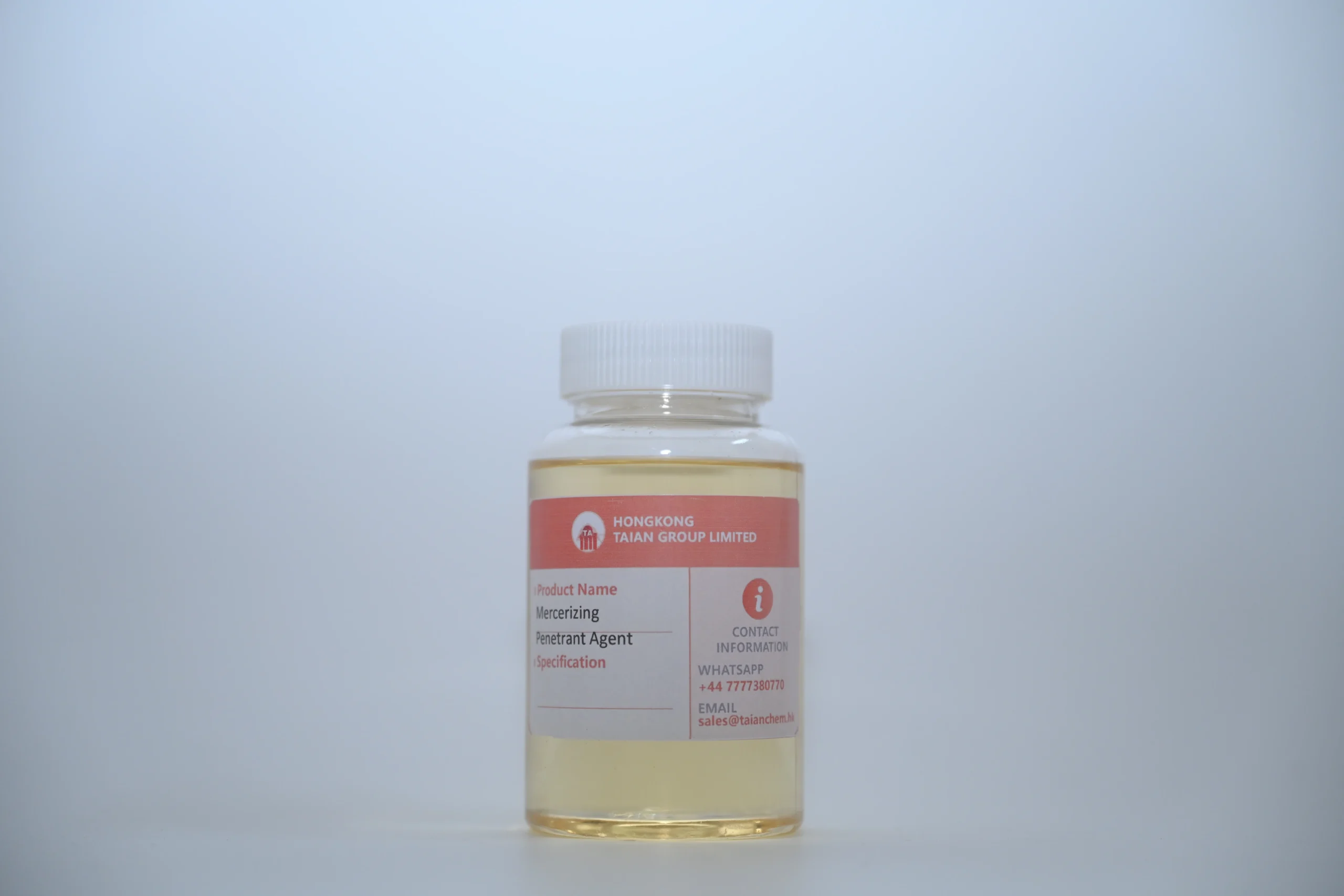
Local factories often face challenges with consistency in bath chemistry. The integration of high-grade penetrating agent solutions is critical for ensuring uniform dye uptake in heavy-duty fabrics used for military and industrial uniforms.

Environmental constraints and aging infrastructure mean that the market is shifting toward chemicals that require lower temperatures and shorter processing times to reduce the overall carbon footprint of North Korean textile mills.
Evolution of Dyeing Technology and Growth Trajectory

From traditional manual dyeing to systematic chemical application.

Market Development History

During the 1980s and 90s, the region primarily utilized basic inorganic salts and crude sulfur black for mass production, focusing on volume rather than precision.

Between 2000 and 2015, the introduction of more stable oxidizing agent reducing agent blends allowed for better control over vat dyeing processes, improving the longevity of the fabric colors.

In recent years, the transition toward "Specialized Chemical Manufacturing" has begun, where the focus has shifted to high-concentration auxiliaries that minimize waste and maximize the efficiency of the dyeing cycle.

Future Development Trends

Eco-Friendly Stabilization

A move toward biodegradable agents that reduce the toxicity of wastewater in the textile clusters of Pyongyang and Hamhung.

Digital Dosing Integration

Adopting precision chemical delivery systems to reduce the wastage of expensive imported auxiliary agents.

High-Fastness Specialization

Developing specialized formulations that withstand the extreme temperature variations characteristic of the North Korean climate.

Industry Trends and Future Outlook

Strategic projections for the next 3-5 years in the textile chemical sector.

Sustainable Synthesis
Integration of green chemistry to replace harsh traditional auxiliaries with biodegradable alternatives.
Energy Efficiency
Development of low-temperature catalysts to reduce the boiler energy requirements for dyeing.
Resource Optimization
Implementing closed-loop chemical recovery systems to reuse reducing agents.
Precision Formulations
Customized chemical blends tailored for specific fabric blends common in the region.

Industry Outlook

Based on current industrial shifts, the North Korean market is expected to move away from generic chemicals toward high-performance, low-dosage auxiliaries. This trend is driven by the need to optimize import costs and reduce environmental impact.

We anticipate that the adoption of advanced catalysts will lead to a 15-20% increase in production efficiency, allowing local mills to compete more effectively in specialized garment niches.

Localized Application Scenarios

Practical implementation of textile chemicals in regional production environments.

1. Heavy-Duty Workwear Processing

Utilizing high-concentration penetrating agent to ensure deep dye penetration in thick canvas and denim used for industrial clothing.

2. Deep Black Fabric Production

Application of stabilized sulfur black with controlled reducing agents to achieve consistent, non-fading dark tones for military apparel.

3. Synthetic Fiber Finishing

Implementing specific dye auxiliaries to improve the softness and color brilliance of polyester blends used in sportswear.

4. Vat Dyeing Optimization

Using a balanced oxidizing agent reducing agent system to ensure precise color development and removal of unfixed dyes.

5. Low-Water Dyeing Cycle

Applying advanced textile auxiliaries chemicals that allow for a reduced rinse cycle, saving water in resource-limited areas.

Brand Story

Global Development History of Shijiazhuang Taikun Chemical Co., Ltd.

Foundational Excellence

Established as a specialist in textile chemistry, focusing on the core stability of dyeing agents to solve early color inconsistency issues.

Technological Expansion

Expanded our R&D to include advanced oxidizing and reducing agents, enabling high-precision color control for international clients.

Global Market Reach

Successfully exported our specialized auxiliaries to various Asian markets, tailoring formulas to regional water and energy conditions.

Sustainability Pivot

Invested in green chemistry to reduce the environmental impact of sulfur dyeing and synthetic finishing processes.

Industry Leadership

Now recognized as a leader in textile auxiliaries, dedicated to solving the most complex dyeing challenges through chemical innovation.

Full Chemical Portfolio for North Korea

A comprehensive suite of products designed for maximize industrial output and fabric quality.

Regional FAQ - Textile Chemistry

Common technical questions regarding the application of auxiliaries in the region.

How can I improve the stability of sulfur black in cold climates?

Using a high-quality reducing agent combined with precise temperature control during the reduction phase prevents precipitation and ensures a deep, even black hue.

Which penetrating agent is best for heavy industrial cotton?

We recommend non-ionic penetrating agents with high wetting power that can break the surface tension of dense fabrics rapidly.

What is the ideal ratio for oxidizing agent reducing agent blends?

The ratio depends on the dye type, but generally, a stoichiometric balance is required to ensure full reduction of the dye and subsequent complete oxidation.

Can textile auxiliaries chemicals reduce water consumption?

Yes, advanced leveling agents and low-foaming surfactants reduce the number of rinse cycles needed to clear unfixed dyes from the fabric.

How do dye auxiliaries affect the color fastness of synthetic blends?

They act as catalysts that help the dye molecules penetrate the polymer structure of the fiber, significantly increasing wash and rub fastness.

Are these chemicals compatible with old dyeing machinery?

Our formulations are designed to be versatile and work efficiently across both modern digital systems and traditional manual dyeing vats.

Expert Chemical Support

Get tailored textile solutions for your production facility in North Korea. Our engineers are ready to optimize your process.

Contact Us Now

If you are interested in our products, you can choose to leave your information here, and we will be in touch with you shortly.