Advanced dye auxiliaries Solutions for Zimbabwe's Textile Sector

Optimizing fabric processing with high-performance chemical agents tailored for the Zimbabwean industrial environment.

Advanced dye auxiliaries Solutions for Zimbabwe's Textile Sector

We provide a comprehensive suite of specialty chemicals designed to enhance color fastness and material durability for textile manufacturers across Zimbabwe.

Current State of Textile Chemical Application in Zimbabwe

Analyzing the synergy between local raw materials and industrial chemical requirements.

The textile industry in Zimbabwe faces unique challenges due to fluctuating water hardness in different regions and the prevalence of cotton-based fabrics. The demand for high-quality textile auxiliaries chemicals has increased as local mills strive to compete with imported garments by improving finish quality.

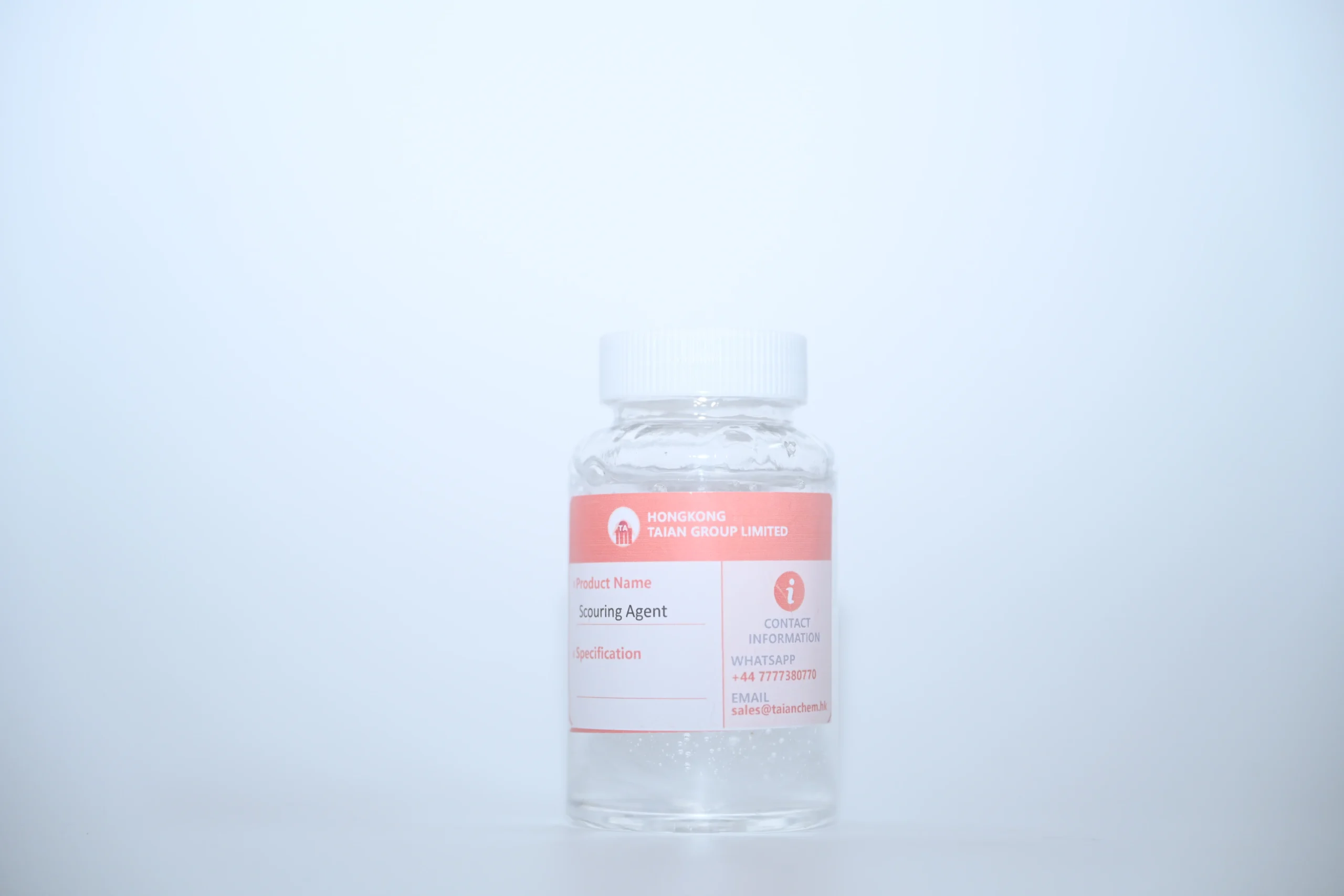
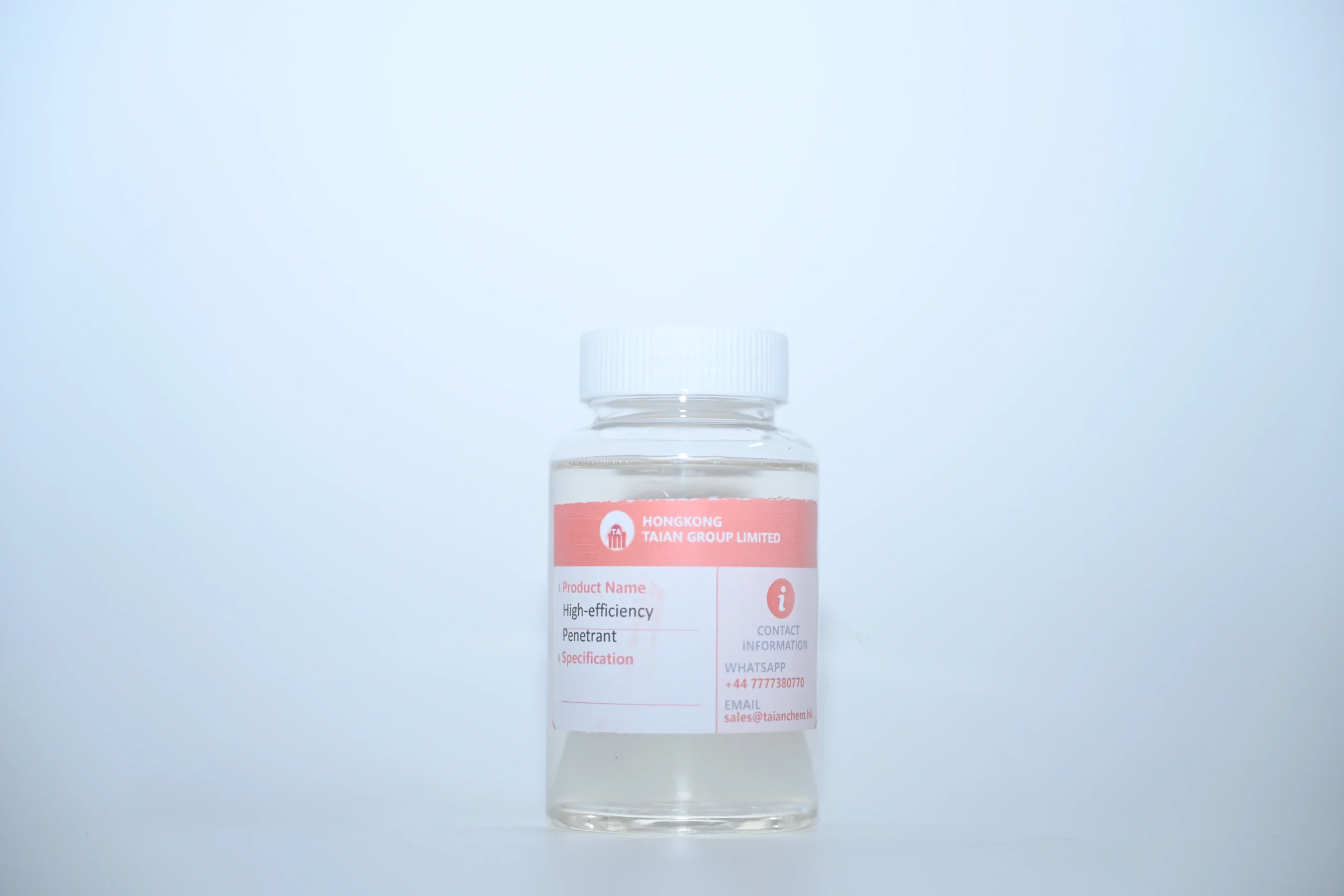
Currently, many factories rely on traditional dyeing methods, but there is a significant shift toward using a specialized penetrating agent to ensure uniform dye uptake, especially in heavy-duty cotton canvases used in local agricultural packaging.

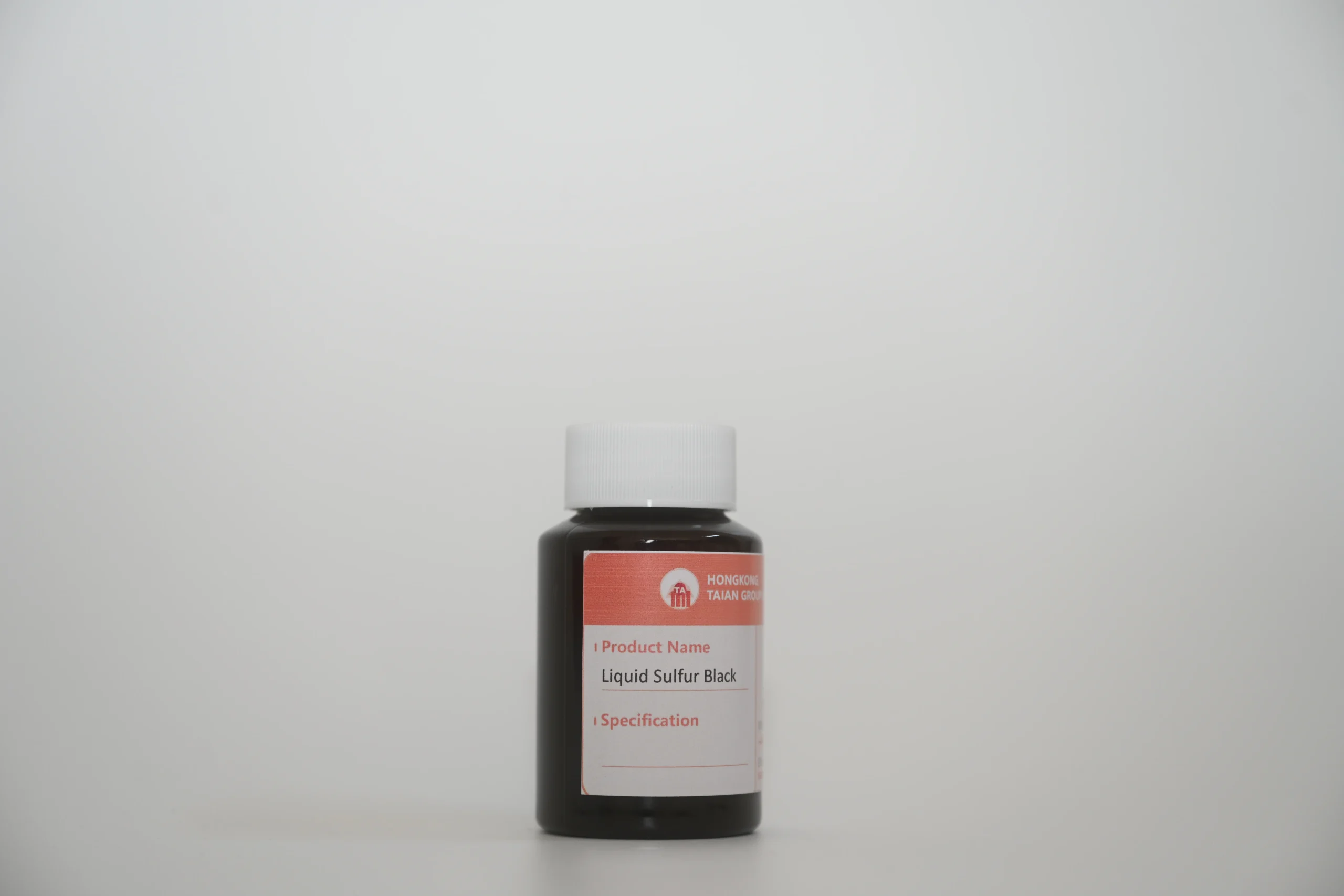
Economic constraints have led to a focus on cost-effective but durable coloring solutions, making the efficient application of sulfur black a priority for the production of dark-toned industrial workwear across the country.
Evolution of Dyeing Technology in Zimbabwe

From manual batch processing to automated chemical precision.

Market Development History

In the 1980s and 90s, Zimbabwe's textile mills predominantly used basic soap-based wetting agents and rudimentary dyes, focusing on volume rather than precision.

Between 2000 and 2015, the industry transitioned toward synthetic stabilizers and a more scientific approach to redox reactions, incorporating a balanced oxidizing agent reducing agent system to control vat dyeing processes.

From 2016 to the present, there has been a surge in "Eco-friendly" chemistry, where low-temperature auxiliaries are adopted to reduce the energy costs associated with heating water in rural industrial zones.

Future Development Trends

Digital Precision Dosing

Moving away from manual mixing to automated dispensing of auxiliaries to reduce chemical waste and improve consistency.

Bio-based Chemical Alternatives

Increasing integration of biodegradable surfactants to meet international export standards for the European and North American markets.

Water-less Dyeing Technologies

Exploring supercritical CO2 dyeing or low-liquor ratio machines to combat local water scarcity issues.

Industry Trends and Future Outlook

Strategic foresight for the Zimbabwean textile chemical market.

Sustainable Chemistry
Transitioning toward ZDHC compliant chemicals to minimize the environmental footprint on local Zimbabwean waterways.
Energy Efficiency
Developing auxiliaries that function at lower temperatures to reduce reliance on expensive industrial boilers.
High-Fastness Dyes
Improving UV resistance for textiles exposed to the intense Zimbabwean sun to prevent premature fading.
Smart Logistics
Optimizing chemical supply chains from port to factory to ensure zero downtime for production lines.

Industry Outlook

Google search trends indicate a growing interest in "sustainable textile processing" within the Southern African region. We predict that the next 3-5 years will see a massive shift toward chemicals that require less water, directly addressing the ecological concerns of the Zambezi basin.

The integration of AI-driven color matching combined with precision dye auxiliaries will allow Zimbabwean manufacturers to reduce waste and increase their export competitiveness in global markets.

Localized Application Scenarios in Zimbabwe

Real-world chemical solutions for diverse textile needs.

1. Heavy-Duty Cotton Canvas Dyeing

Using a specialized penetrating agent to ensure deep fiber saturation for industrial tarpaulins used in Zimbabwean agriculture.

2. Dark-Tone Workwear Production

Application of high-purity sulfur black for mining industry uniforms, ensuring rub-fastness and durability under harsh conditions.

3. High-Efficiency Vat Dyeing

Implementing a precise oxidizing agent reducing agent cycle to achieve vibrant, wash-resistant colors for traditional Zimbabwean attire.

4. Eco-Friendly Apparel Processing

Deployment of biodegradable textile auxiliaries chemicals for export-grade cotton t-shirts aimed at the EU market.

5. Specialized Fabric Finishing

Using advanced dye auxiliaries to create moisture-wicking and UV-resistant finishes for sportswear suited for the hot African climate.

Brand Story

Global Development History of Shijiazhuang Taikun Chemical Co., Ltd.

Foundation and Vision

Established with a mission to bridge the gap between complex chemical synthesis and practical textile application, focusing on high-purity agents.

R&D Breakthroughs

Developed proprietary formulas for stabilizing sulfur dyes and improving the efficiency of penetrating agents in hard water conditions.

Global Market Expansion

Expanded operations to Africa, specifically tailoring chemical solutions for the unique climate and industrial needs of the Zimbabwean market.

Sustainability Commitment

Invested in green chemistry to reduce the toxicity of textile auxiliaries, ensuring safety for both workers and the environment.

Industry Leadership

Today, we stand as a trusted partner for textile mills worldwide, providing a one-stop shop for all dyeing and finishing chemical needs.

Comprehensive Product Portfolio for Zimbabwe

Full-spectrum chemical solutions for every stage of the textile production cycle.

Common Questions for the Zimbabwean Textile Industry

Technical support and guidance for local manufacturers.

How to improve the penetration of sulfur black on heavy cotton fabrics in Zimbabwe?

The use of a high-performance penetrating agent is crucial. It reduces surface tension and allows the dye to enter the fiber core, preventing surface streaks.

What is the best ratio for oxidizing agent reducing agent in vat dyeing?

The ratio depends on the dye type and fabric weight, but maintaining a stable redox potential is key to preventing dye precipitation and ensuring color uniformity.

Can textile auxiliaries chemicals be used in low-temperature baths to save energy?

Yes, our modern range of auxiliaries is designed to be active at lower temperatures without compromising the fixation rate of the dye.

How to handle hard water issues when using dye auxiliaries in rural mills?

We recommend using specialized sequestering agents as part of your dye auxiliaries mix to neutralize calcium and magnesium ions.

Which penetrating agent is best for synthetic-blend fabrics popular in Zimbabwe?

For blends, a non-ionic penetrating agent is recommended as it provides better compatibility with both natural and synthetic fibers.

How to ensure the stability of sulfur black during the washing process?

Proper oxidation after dyeing and the use of high-quality fixing agents can significantly reduce bleeding and improve the fastness of sulfur dyes.

Get Expert Chemical Support

Ready to optimize your production line? Our technical team is available to provide customized formulations for your factory in Zimbabwe.

Contact Us Now

If you are interested in our products, you can choose to leave your information here, and we will be in touch with you shortly.