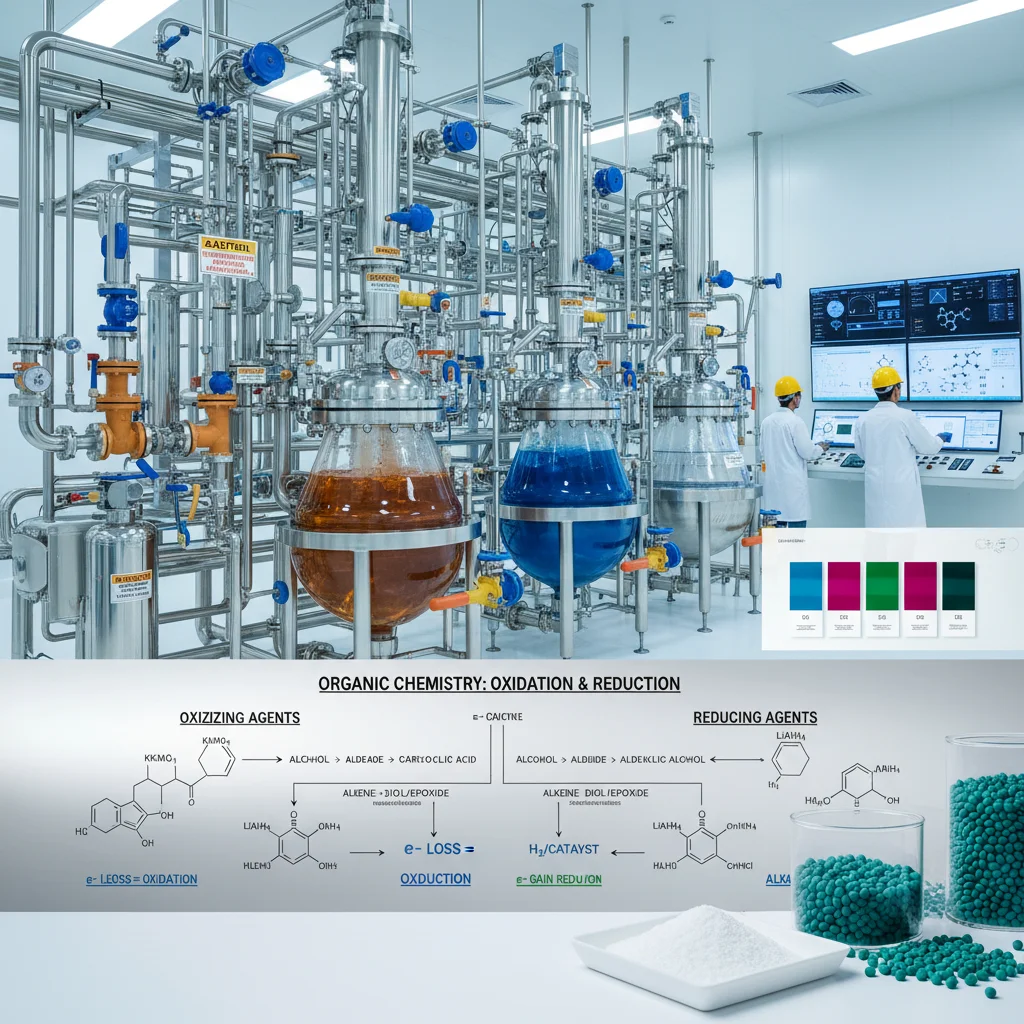
The study of list of reducing agents in organic chemistry is fundamental to numerous industrial processes, particularly within the textile industry where color modification and fabric treatment are paramount. Understanding these agents allows for precise control over dyeing, printing, and finishing processes, impacting product quality, cost-effectiveness, and environmental sustainability. This knowledge is increasingly crucial as global demand for textiles and specialized chemical applications continues to rise.
The significance of list of reducing agents in organic chemistry extends beyond mere chemical reactions; it directly influences economic viability and the reduction of environmental impact. Efficient utilization of these agents can minimize waste, lower energy consumption, and enhance the longevity of textile products. This aligns with global sustainability goals and pressures from consumers and regulatory bodies alike.
Developing a comprehensive understanding of list of reducing agents in organic chemistry is no longer simply a scientific endeavor, but a strategic necessity for businesses operating within the textile and chemical manufacturing sectors. It’s a key driver of innovation, enabling the creation of novel materials and processes that address evolving market demands and environmental concerns.

list of reducing agents in organic chemistry play a vital role in a multitude of chemical processes, acting as electron donors and facilitating the reduction of other substances. In the textile industry, specifically within dyeing and finishing, these agents are essential for creating a wide spectrum of colors and enhancing fabric properties. The precise control offered by these agents directly impacts the quality, durability, and aesthetic appeal of textiles.
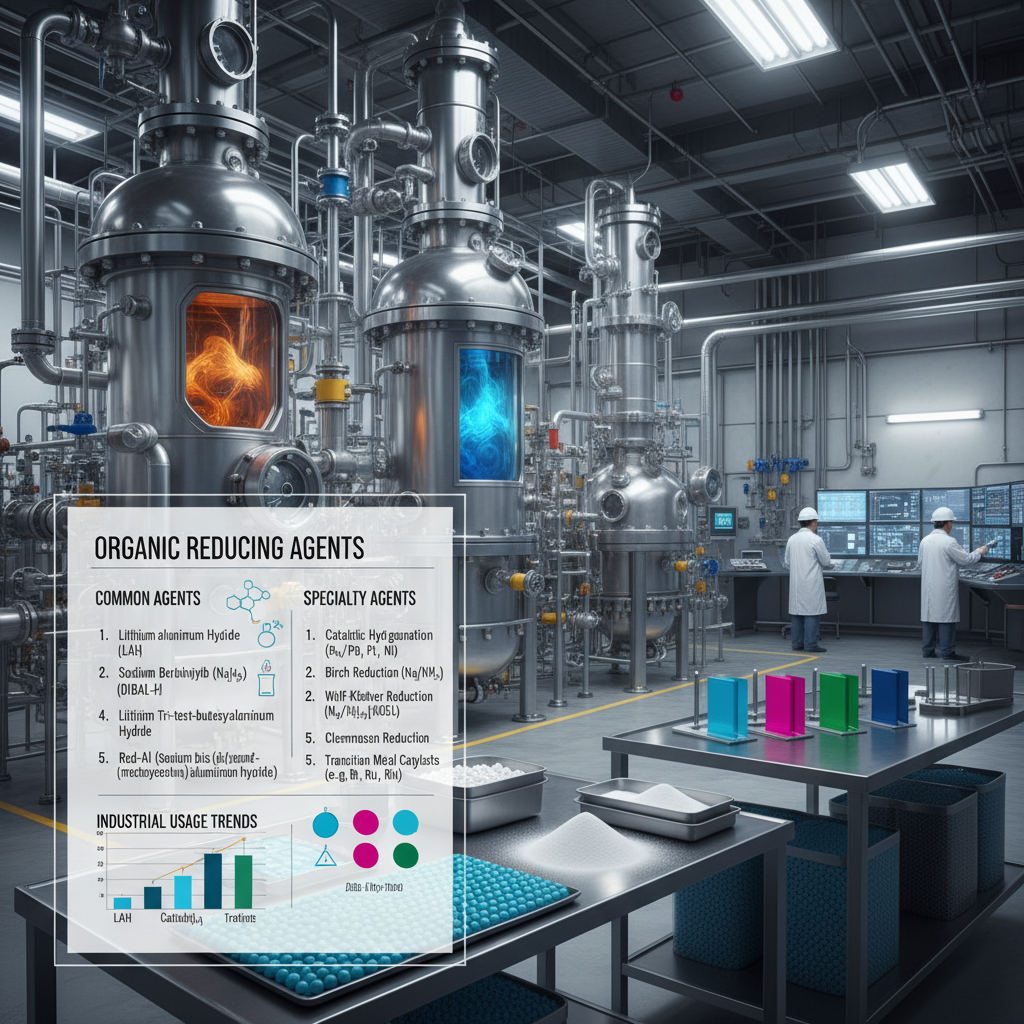
Understanding the different types of list of reducing agents in organic chemistry, their mechanisms of action, and their compatibility with various substrates is critical for optimizing textile production. This knowledge allows manufacturers to achieve consistent results, minimize waste, and meet stringent environmental regulations. Choosing the appropriate reducing agent can significantly influence the overall efficiency and sustainability of the process.
In the realm of organic chemistry, list of reducing agents in organic chemistry are substances that donate electrons to another species, causing a reduction in its oxidation state. This process is fundamental to numerous chemical reactions, including those involved in textile processing. Common examples include sodium hydrosulfite (hydrosulphite), sodium borohydride, and various metal-based reducing compounds.
The core function of these agents is to facilitate the conversion of insoluble dye precursors into soluble leuco forms, enabling their penetration into textile fibers. Once within the fiber, oxidation regenerates the insoluble dye, resulting in a durable and vibrant color. This reduction-oxidation (redox) process is central to many dyeing techniques, particularly vat dyeing and sulfur dyeing.
The significance extends to applications beyond coloration; they are utilized in stripping dyes, removing unwanted color from fabrics, and preparing fibers for subsequent processing. The choice of a specific reducing agent depends on factors such as the fiber type, dye chemistry, and desired process conditions.
Several key properties define the effectiveness of list of reducing agents in organic chemistry. Reduction potential, which dictates the agent’s ability to donate electrons, is paramount. A higher reduction potential generally indicates a stronger reducing power. Solubility in the processing medium (typically water) is also crucial for efficient reaction and uniform application.
Stability is another vital characteristic. Many reducing agents are sensitive to air and moisture, degrading over time and losing their effectiveness. Proper storage and handling are therefore essential. Furthermore, the cost-effectiveness and environmental impact of the agent are increasingly important considerations, driving the development of more sustainable alternatives.
Finally, selectivity plays a role. Certain reducing agents exhibit preferential reactivity towards specific functional groups, allowing for targeted modification of textile materials. This selectivity is exploited in specialized applications such as controlled degradation of cellulose fibers or selective removal of certain dye components.
While prominently utilized in the textile industry, the application of list of reducing agents in organic chemistry extends into diverse sectors. In the paper industry, they facilitate the delignification process, removing lignin from wood pulp to produce brighter and stronger paper. They also play a role in wastewater treatment, aiding in the reduction of heavy metal ions and other pollutants.
The chemical manufacturing sector utilizes these agents in a wide range of synthetic organic reactions, serving as catalysts or reagents in the production of pharmaceuticals, plastics, and other valuable chemicals. Moreover, list of reducing agents in organic chemistry find application in analytical chemistry, employed in various titrations and detection methods.
The global textile industry, a significant consumer of list of reducing agents in organic chemistry, is concentrated in regions such as China, India, Bangladesh, and Vietnam. These countries rely heavily on efficient dyeing and finishing processes, driving demand for cost-effective and high-performing reducing agents. The application varies by textile type, with vat dyeing (requiring substantial reduction) being prominent in denim production.
In developing nations, affordable list of reducing agents in organic chemistry are often prioritized, sometimes at the expense of environmental considerations. However, growing pressure from international brands and consumers is pushing for more sustainable practices and the adoption of eco-friendly alternatives. This trend is particularly noticeable in markets serving Europe and North America.
Furthermore, in regions with limited access to advanced wastewater treatment facilities, the effective removal of residual reducing agents from effluent becomes critical, highlighting the need for agents that degrade readily or can be easily recovered and reused.
The strategic application of list of reducing agents in organic chemistry offers numerous tangible benefits. Cost savings are achieved through optimized dye uptake, reduced chemical consumption, and minimized waste generation. Improved product quality, characterized by vibrant colors, enhanced durability, and superior fastness properties, translates to increased customer satisfaction and brand reputation.
Beyond the economic advantages, a commitment to responsible chemical management using optimized list of reducing agents in organic chemistry enhances sustainability and minimizes environmental impact. This fosters a positive corporate image, attracts environmentally conscious consumers, and ensures compliance with evolving regulations.
The future of list of reducing agents in organic chemistry is driven by a need for greater sustainability and efficiency. Research is focused on developing bio-based reducing agents derived from renewable resources, minimizing reliance on petrochemical feedstocks. Electroreduction techniques, utilizing electricity to drive reduction reactions, are gaining traction as a cleaner alternative to traditional chemical methods.
However, challenges remain. Scaling up the production of bio-based alternatives to meet industrial demand is a significant hurdle. The development of more stable and readily biodegradable reducing agents is also crucial. Furthermore, optimizing process control to minimize chemical usage and waste generation requires advanced monitoring and automation technologies.
Digitalization and data analytics will play an increasingly important role, enabling manufacturers to fine-tune their processes, predict outcomes, and optimize the use of list of reducing agents in organic chemistry for maximum efficiency and minimal environmental impact.
| Fiber Type | Dye Class | Environmental Impact | Cost-Effectiveness |
|---|---|---|---|
| Cotton | Vat Dyes | Low (Bio-based Agents) | Medium |
| Polyester | Disperse Dyes | Medium (Traditional Agents) | High |
| Wool | Reactive Dyes | Medium-High | Medium |
| Silk | Acid Dyes | Medium-Low | High |
| Rayon | Sulfur Dyes | High (Requires Careful Management) | Low |
| Linen | Direct Dyes | Medium | Medium |
Sodium hydrosulfite is a stronger reducing agent typically used for vat and sulfur dyeing, offering rapid reduction but lower stability. Sodium borohydride is milder, suitable for delicate fabrics and specific applications like dye stripping, and exhibits better stability but slower reaction rates. The choice depends on the fiber type, dye chemistry, and process requirements.
Prioritize bio-based reducing agents, optimize process control to reduce chemical usage, implement efficient wastewater treatment systems to remove residual agents, and explore alternative reduction methods like electroreduction. Proper handling and storage to prevent spills and leaks are also crucial. Consider adopting closed-loop systems for chemical recovery and reuse.
Always wear appropriate personal protective equipment (PPE), including gloves, goggles, and respirators. Work in well-ventilated areas to avoid inhalation of fumes. Avoid contact with skin and eyes. Store reducing agents in a cool, dry place away from incompatible materials. Follow safety data sheet (SDS) guidelines carefully.
Generally, higher temperatures accelerate the reduction reaction, but excessive heat can lead to decomposition of the reducing agent or unwanted side reactions. Optimal temperature control is critical for achieving efficient and consistent results. Each reducing agent has a specific temperature range where it performs best, as outlined in its technical specifications.
pH significantly influences the reduction potential and stability of many reducing agents. Some agents require acidic conditions for optimal performance, while others function best in alkaline environments. Careful pH control is essential for maximizing the effectiveness of the reduction process and preventing unwanted reactions. Always consult the agent's specific instructions.
Conduct small-scale lab tests to determine the optimal concentration, temperature, and pH for the specific fiber and dye combination. Monitor the reduction process using redox potential measurements or visual indicators. Evaluate the resulting shade and fastness properties to ensure the desired outcome is achieved before scaling up to production.
In conclusion, a thorough understanding of list of reducing agents in organic chemistry is paramount for success in the textile industry and beyond. From optimizing dyeing processes and enhancing product quality to minimizing environmental impact and ensuring cost-effectiveness, these agents play a pivotal role in numerous applications. The continued evolution of this field, driven by sustainability concerns and technological advancements, promises exciting opportunities for innovation and improved efficiency.
Looking ahead, a proactive approach to research and development, coupled with a commitment to responsible chemical management, will be essential for harnessing the full potential of list of reducing agents in organic chemistry. Investing in eco-friendly alternatives, advanced monitoring technologies, and skilled personnel will position businesses for long-term success in a rapidly changing global landscape. Visit our website at list of reducing agents in organic chemistry to learn more about our comprehensive range of solutions.
If you are interested in our products, you can choose to leave your information here, and we will be in touch with you shortly.