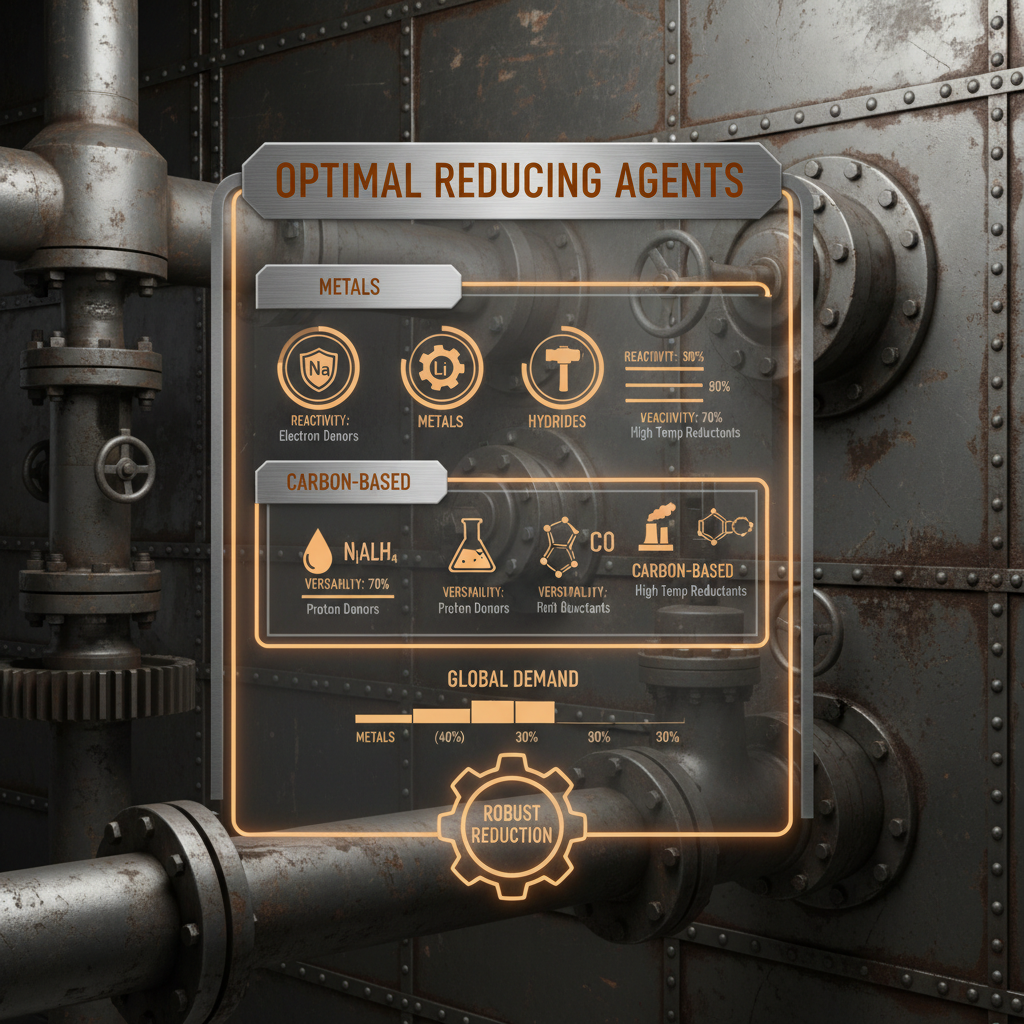
Good reducing agents are foundational to numerous industrial processes, impacting everything from textile dyeing and pharmaceutical manufacturing to environmental remediation and food preservation. Their ability to donate electrons is crucial for facilitating chemical reactions that are essential for modern life. Understanding the nuances of these agents, their strengths, and limitations is increasingly vital as industries strive for greater efficiency, sustainability, and safety.
The global demand for effective and environmentally responsible good reducing agents is rising, driven by stricter regulations and a growing awareness of the impact of chemical processes on the planet. This demand presents both challenges and opportunities for innovation, prompting research into new materials and techniques that can meet the evolving needs of various sectors.
Ultimately, proficient use of good reducing agents is key to unlocking advancements across industries and contributing to a more sustainable and technologically advanced future, addressing critical challenges like pollution control and resource optimization.

The Importance of Good Reducing Agents
Good reducing agents are fundamental to countless chemical processes, serving as the cornerstone of industries ranging from textiles to pharmaceuticals. Their ability to facilitate reactions by donating electrons is vital for producing a vast array of products we rely on daily. The efficiency and effectiveness of a reducing agent directly impact production costs, product quality, and environmental impact.
The selection of appropriate good reducing agents is a critical aspect of process optimization. Factors such as reduction potential, stability, cost, and environmental profile all play a significant role in choosing the optimal agent for a specific application. Furthermore, ongoing research into novel reducing agents aims to address limitations of existing options and enhance performance.
Defining Good Reducing Agents
In chemistry, a good reducing agent is any substance that donates electrons to another substance in a redox (reduction-oxidation) reaction. This donation causes the recipient substance to be reduced, while the reducing agent itself is oxidized. The strength of a reducing agent is measured by its reduction potential – a lower reduction potential indicates a stronger reducing agent.
The concept of good reducing agents is critical in many areas of modern industry. For instance, in the textile industry, they are used for vat dyeing and removing excess chlorine. In environmental science, they aid in the detoxification of pollutants, like chromium(VI). In the pharmaceutical sector, they play a role in synthesizing complex organic molecules.
Ultimately, what constitutes a “good” reducing agent depends heavily on the specific application. It’s not just about potency; factors like safety, cost, ease of handling, and environmental impact are all crucial considerations. good reducing agents are thus selected based on a holistic assessment of these criteria.
Core Characteristics of Effective Reducing Agents
Several core characteristics define effective good reducing agents. First, a high reduction potential, indicating a strong tendency to donate electrons, is essential. This allows the agent to efficiently drive the desired reduction reaction. Second, stability is crucial; the agent must remain effective under the reaction conditions without rapidly degrading or forming unwanted byproducts.
Furthermore, selectivity is a key attribute. An ideal reducing agent will target only the intended substance for reduction, minimizing side reactions and maximizing product yield. Finally, cost-effectiveness and availability are practical considerations, particularly for large-scale industrial applications. good reducing agents often represent a balance between these competing characteristics.
The solubility of the reducing agent in the reaction medium also profoundly impacts its effectiveness. Poor solubility can limit the reaction rate and overall efficiency. Consequently, careful selection of the reducing agent and reaction conditions is essential for achieving optimal results in any given process.
Key Factors Influencing Reducing Agent Performance
The performance of good reducing agents is influenced by a complex interplay of factors, including pH, temperature, and the presence of catalysts. pH affects the reduction potential of many agents, and controlling it can be critical for optimizing reaction rates and selectivity. Similarly, temperature can influence both the kinetics and thermodynamics of the reduction process.
Catalysts can significantly enhance the activity of reducing agents by lowering the activation energy of the reaction. These catalysts can be homogeneous (dissolved in the reaction mixture) or heterogeneous (solid materials). The choice of catalyst depends on the specific reaction and desired outcome.
Reducing Agent Performance Comparison
Global Applications of Good Reducing Agents
The applications of good reducing agents are incredibly diverse and span numerous industries globally. In the textile industry, they are integral to vat dyeing processes, ensuring vibrant and durable colors. Similarly, they are crucial in the pulp and paper industry for bleaching and de-inking processes.
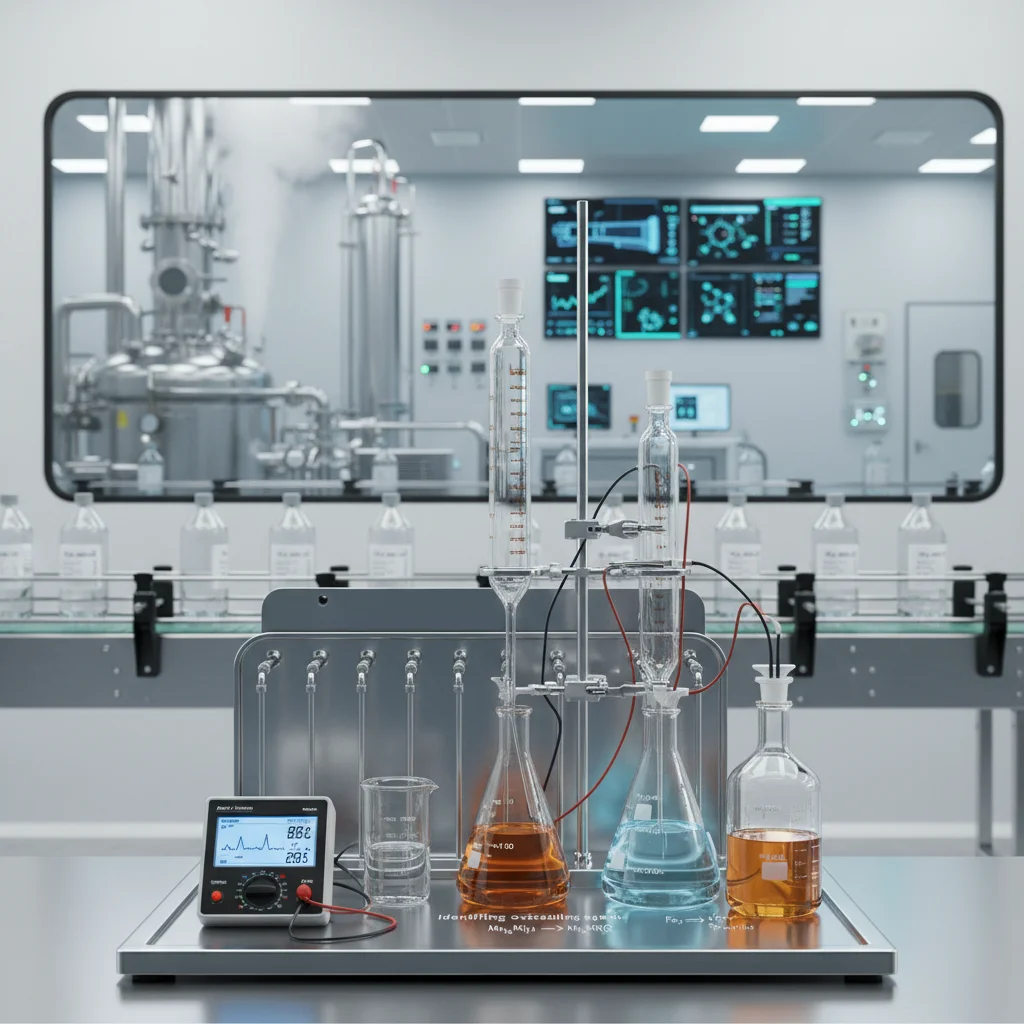
The pharmaceutical industry relies heavily on good reducing agents for synthesizing complex organic molecules and producing active pharmaceutical ingredients (APIs). Furthermore, environmental remediation utilizes these agents to detoxify pollutants, such as hexavalent chromium, in contaminated water and soil.
Advantages and Long-Term Value
Utilizing effective good reducing agents delivers substantial advantages. Reduced production costs are a primary benefit, stemming from increased efficiency and minimized waste. Improved product quality, characterized by enhanced colorfastness in textiles or higher purity in pharmaceuticals, is another key advantage.
From a sustainability perspective, the development and application of eco-friendly good reducing agents minimizes environmental impact, supporting responsible manufacturing practices. This contributes to a positive brand image and fosters customer trust. The long-term value lies in creating a more sustainable, efficient, and reliable chemical industry.
Future Trends in Reducing Agent Technology
The future of good reducing agents is geared towards sustainability and innovation. Researchers are actively exploring bio-based reducing agents derived from renewable sources, such as plant extracts and microbial processes, offering a greener alternative to traditional chemical agents. Nanomaterials are also showing promise as highly efficient and selective reducing agents.
Digitalization and automation are poised to play a significant role, enabling precise control and optimization of reduction reactions. Moreover, the development of closed-loop systems that recover and reuse reducing agents will further minimize waste and enhance resource efficiency.
Ultimately, these advancements will contribute to a more sustainable and environmentally responsible chemical industry, paving the way for cleaner and more efficient production processes.
Challenges and Solutions
Despite advancements, challenges remain in the effective utilization of good reducing agents. Concerns regarding toxicity and environmental impact of some traditional agents persist, requiring the development of safer alternatives. The cost of some novel reducing agents can be prohibitive, hindering their widespread adoption.
Solutions lie in focused research and development of eco-friendly alternatives, coupled with process optimization to minimize agent consumption. Implementing closed-loop systems for agent recovery and reuse can significantly reduce costs and environmental impact. Collaboration between industry and academia is crucial to accelerate innovation and address these challenges.
Ultimately, overcoming these hurdles will unlock the full potential of good reducing agents, contributing to a more sustainable and efficient chemical industry.
Summary of Reducing Agent Properties
| Reducing Agent Type |
Reduction Potential (V) |
Environmental Impact |
Cost (USD/kg) |
| Sodium Borohydride |
-1.6 |
Moderate |
15 |
| Ascorbic Acid (Vitamin C) |
+0.8 |
Low |
5 |
| Hydrazine |
-1.23 |
High |
8 |
| Sodium Sulfite |
-0.5 |
Moderate |
3 |
| Iron(II) Sulfate |
-0.44 |
Low |
2 |
| Formic Acid |
-0.76 |
Moderate |
4 |
FAQS
Good reducing agents are essential in textile dyeing, particularly in vat dyeing, where they help solubilize insoluble dyes. They are also used in bleaching processes to remove impurities and create a clean base for color application. Additionally, they can be used for stripping unwanted dyes from fabrics and in various finishing processes to enhance fabric properties.
Some reducing agents, like hydrazine, have significant environmental concerns due to their toxicity and potential for pollution. Alternatives like ascorbic acid and sodium sulfite are generally considered more environmentally friendly. Ongoing research focuses on bio-based reducing agents, offering even lower environmental impacts, but these often come with challenges regarding efficiency and cost.
The cost-effectiveness is influenced by several factors, including the initial price of the agent, the amount needed for the reaction, the efficiency of the reduction process, and the cost of waste disposal. Selecting an agent that minimizes waste and maximizes yield is crucial. Furthermore, potential for recovery and reuse can significantly reduce overall costs.
Determining the appropriate reducing agent requires careful consideration of the specific reaction conditions, the target molecule, and the desired outcome. Factors like reduction potential, stability, selectivity, cost, and environmental impact must be assessed. Consulting chemical literature and conducting small-scale tests can help identify the most suitable option.
Current trends focus on developing bio-based reducing agents from renewable resources, utilizing nanomaterials for enhanced efficiency, and exploring electrochemical reduction methods. These approaches aim to minimize environmental impact, reduce costs, and improve process control. Digitalization and automation are also playing a role in optimizing reducing agent usage.
Safety precautions depend on the specific reducing agent being used. Generally, it's crucial to wear appropriate personal protective equipment (PPE) such as gloves, goggles, and a lab coat. Ensure adequate ventilation and avoid contact with skin and eyes. Always refer to the Safety Data Sheet (SDS) for detailed handling and emergency procedures.
Conclusion
Good reducing agents are indispensable components of countless industrial processes, impacting everything from textile production to pharmaceutical synthesis and environmental remediation. Their selection and application require a holistic understanding of their chemical properties, environmental impact, and cost-effectiveness. Continued innovation in this field is crucial for driving sustainability and efficiency across diverse industries.
Looking ahead, the development of bio-based and nanomaterial-based reducing agents, coupled with advanced process control technologies, holds immense potential for a greener and more efficient future. Investing in research and development, and fostering collaboration between academia and industry, will be essential for unlocking the full potential of good reducing agents and addressing the evolving challenges of a rapidly changing world.