Advanced dye auxiliaries Solutions for Iran Textile Industry

Optimizing fabric processing efficiency and color consistency for Iranian textile manufacturers through precision chemical engineering.

Advanced dye auxiliaries Solutions for Iran Textile Industry

Providing high-performance chemical agents designed to withstand the specific water hardness and climatic conditions of the Iranian plateau, ensuring superior dye uptake and fabric durability.

The Landscape of Chemical Auxiliaries in Iran

Analyzing the intersection of regional resource availability and textile manufacturing demands.

The Iranian textile sector operates in a unique environment where arid climates and varied water mineral content significantly impact the efficiency of textile auxiliaries chemicals. Local factories often struggle with hard water deposits that interfere with chemical reactions, necessitating high-purity agents to maintain quality.

Currently, there is a heavy reliance on traditional dyeing methods, particularly in the production of dark shades using sulfur black. However, the shift toward international export standards is driving a demand for more environmentally stable and precise chemical formulations.

Economic shifts and trade dynamics in Asia have led Iranian manufacturers to seek a balance between cost-effective raw materials and high-performance penetrating agent options to ensure uniform dye penetration in heavy cotton and wool fabrics.
Evolution and Trajectory of Dyeing Technology

From basic chemical application to intelligent molecular engineering in textile processing.

Market Development History

In the early 2000s, the Iranian market primarily utilized basic surfactants and rudimentary salts, focusing on volume over precision. The reliance on generic chemical mixes often led to inconsistent batch coloring and high water waste.

Between 2010 and 2020, the industry transitioned toward specialized oxidizing agent reducing agent systems. This era marked the introduction of controlled redox reactions to improve the vibrancy of sulfur and vat dyes, reducing the overall processing time.

Since 2021, there has been a rapid adoption of "low-liquor ratio" auxiliaries. The focus has shifted toward concentrated formulas that reduce energy consumption and minimize the environmental footprint of the dyeing process.

Future Development Trends

Eco-Friendly Redox Systems

Transitioning from traditional harsh reducers to biodegradable oxidizing agent reducing agent alternatives to meet global ZDHC standards.

Nano-Scale Penetration Technology

Implementation of nano-emulsion penetrating agent solutions that allow for deeper fiber saturation at lower temperatures.

Digital Dosage Integration

The shift toward automated chemical dispensing systems that adjust the concentration of auxiliaries in real-time based on fabric weight and moisture.

Industry Outlook and Future Prospects

Strategic foresight into the chemical requirements of next-generation textiles.

Sustainable Chemistry
Replacement of APEO-based agents with biodegradable surfactants to comply with international environmental regulations.
Resource Efficiency
Developing high-concentration auxiliaries that reduce logistics costs and storage space in regional hubs.
Water Hardness Neutralization
Integrated sequestering agents designed specifically for the high-calcium water profiles found in Central Iran.
Color Fastness Optimization
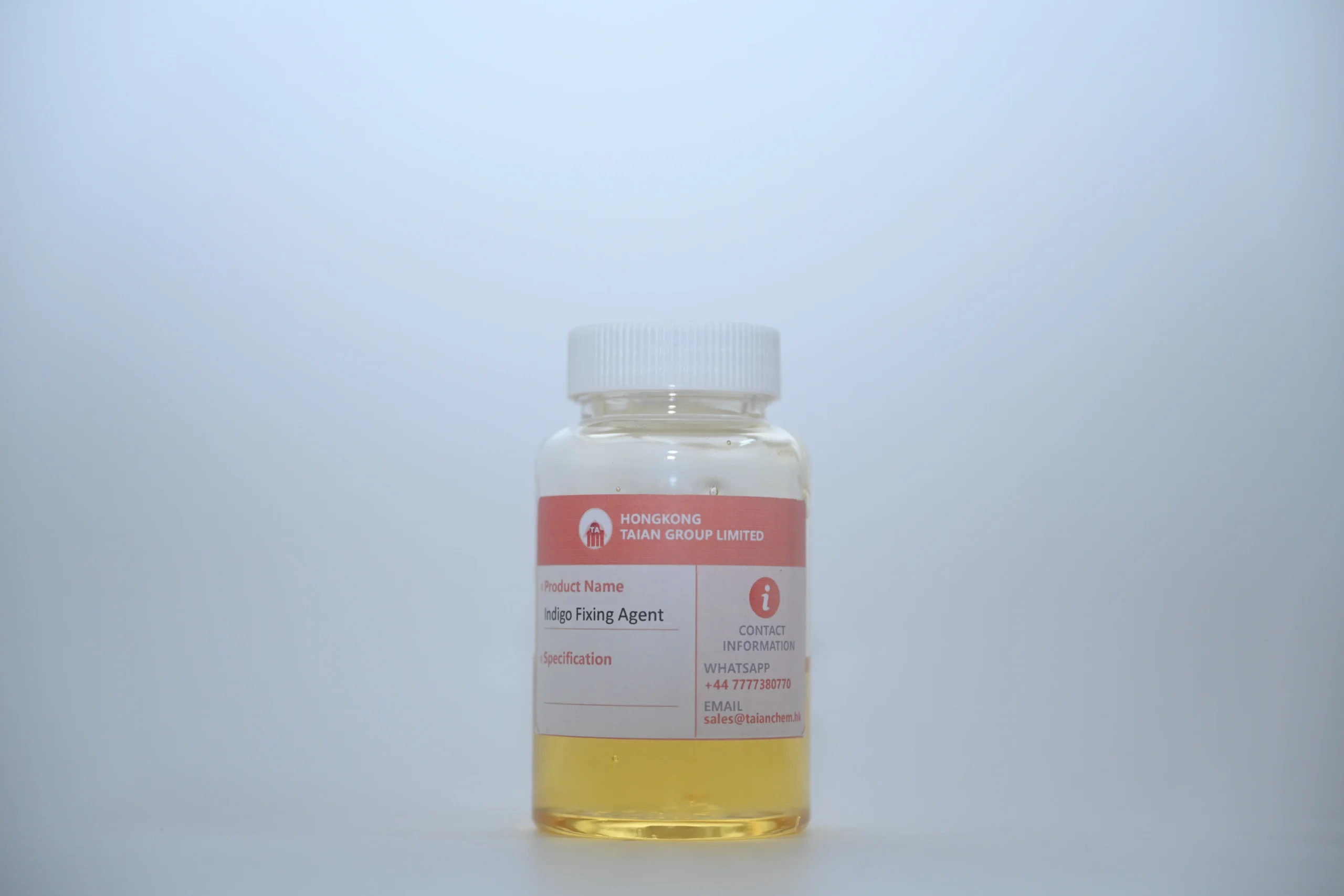
Advanced fixing agents that ensure deep blacks and vibrant colors remain stable under high UV exposure.

Industry Outlook

Based on Google Search trends for "sustainable textiles" and "eco-dyeing" in the Middle East, the next 3-5 years will see a surge in demand for auxiliaries that reduce water consumption by at least 30% per cycle.

We anticipate a shift toward bio-based surfactants and the integration of AI-driven formulation software that helps Iranian mills optimize their chemical ratios based on the specific batch of raw cotton used.

Localized Application Scenarios in Iran

Practical implementations of specialty chemicals in regional textile hubs.

01. Deep Shade Processing in Isfahan Cotton Mills

Utilizing high-stability sulfur black combined with specialized reducing agents to achieve a jet-black finish on heavy cotton denim without streaks.

02. High-Efficiency Pre-treatment in Mashhad

Application of advanced penetrating agent formulas to overcome fabric hydrophobicity, ensuring rapid wetting and uniform dye distribution in mixed-fiber blends.

03. Wool Dyeing Optimization in Tabriz

Implementing precision dye auxiliaries to manage the protein structure of local wool, preventing fiber damage during high-temperature dyeing cycles.

04. Wastewater Reduction in Tehran Industrial Zones

Integration of high-efficiency oxidizing agent reducing agent systems that allow for faster rinsing and lower water usage during the neutralization phase.

05. Synthetic Blend Processing for Export Wear

Using a complex array of textile auxiliaries chemicals to ensure color fastness and soft hand-feel for garments destined for European markets.

Brand Story

Global Development Journey of Shijiazhuang Taikun Chemical Co., Ltd.

Foundational Innovation

Established with a mission to solve the core instability of textile dyes, focusing on the precision of chemical purity and consistency.

Technical Expansion

Developing a comprehensive portfolio of auxiliaries that bridge the gap between laboratory research and large-scale industrial application.

Global Market Entry

Expanding into Asia and the Middle East, tailoring formulations to solve regional challenges like water hardness and high temperatures.

Eco-System Transition

Investing heavily in green chemistry to reduce the toxic load of textile effluents, leading the shift toward sustainable dyeing.

Future-Ready Engineering

Today, we integrate digital precision with chemical expertise to provide turnkey solutions for the modern textile manufacturer.

Complete Product Portfolio for the Iranian Market

A comprehensive suite of chemical agents designed for maximum efficiency and regional compatibility.

Regional FAQ: Textile Auxiliaries in Iran

Addressing common technical challenges faced by Iranian textile engineers.

How to improve the solubility of sulfur black in hard water conditions?

Integrating a high-performance sequestering agent from our textile auxiliaries chemicals range helps neutralize calcium and magnesium ions, allowing for a smoother dissolution and more uniform shade.

What is the best oxidizing agent reducing agent for high-temperature vat dyeing?

We recommend a stabilized sodium hydrosulfite blend that maintains its reduction potential at higher temperatures, preventing premature oxidation and ensuring deep color penetration.

How does a penetrating agent affect the dye uptake of heavy wool fabrics?

A professional-grade penetrating agent reduces the surface tension of the dye liquor, allowing the chemicals to enter the dense fiber core faster, which eliminates "ring dyeing" effects.

Which dye auxiliaries are most effective for improving color fastness in sunlight?

Our range of specialized fixing agents creates a cross-linked barrier on the fiber surface, significantly increasing the resistance of the fabric to UV-induced fading.

Can these chemicals be used in low-liquor ratio dyeing machines?

Yes, our modern formulations are specifically engineered for low-water environments, ensuring that the concentration of auxiliaries does not cause fabric spotting or unevenness.

What is the environmental impact of sulfur black processing?

While traditional sulfur dyeing is intensive, using our optimized redox agents reduces the amount of chemical waste and eases the burden on regional wastewater treatment plants.

Partner with Precision Chemistry

Ready to optimize your textile production? Our technical team is available to provide customized chemical formulations specifically for the market in Iran.

Contact Us Now

If you are interested in our products, you can choose to leave your information here, and we will be in touch with you shortly.