0%

Table of Contents

In the intricate world of textile chemistry, the pursuit of vibrant colors and precise shade control often hinges on the efficiency of chemical reduction processes. A high-quality liquid reducing agent serves as a critical catalyst in this environment, enabling the conversion of insoluble dyes into soluble forms, which is essential for achieving deep, uniform penetration in fabrics. Understanding the nuances of these agents is not merely a technical requirement but a strategic advantage for manufacturers aiming for global competitiveness.

Globally, the demand for high-performance textile auxiliaries has surged as the industry shifts toward more sustainable and automated production lines. The adoption of a specialized liquid reducing agent allows mills to reduce water consumption and energy costs while improving the consistency of sulfur and vat dyeing processes. As environmental regulations tighten across Asia and Europe, the transition from powder-based chemicals to stabilized liquid forms has become a cornerstone of modern industrial efficiency.

For professionals in the printing and dyeing sector, mastering the application of these agents means overcoming common challenges such as uneven stripping, dye precipitation, and fabric degradation. By integrating advanced liquid reducing agent formulations, factories can ensure a higher first-time-right rate, minimizing waste and maximizing the longevity of the textile substrate, ultimately bridging the gap between industrial capacity and sustainable luxury.
liquid reducing agent

Global Industry Context of Liquid Reducing Agent
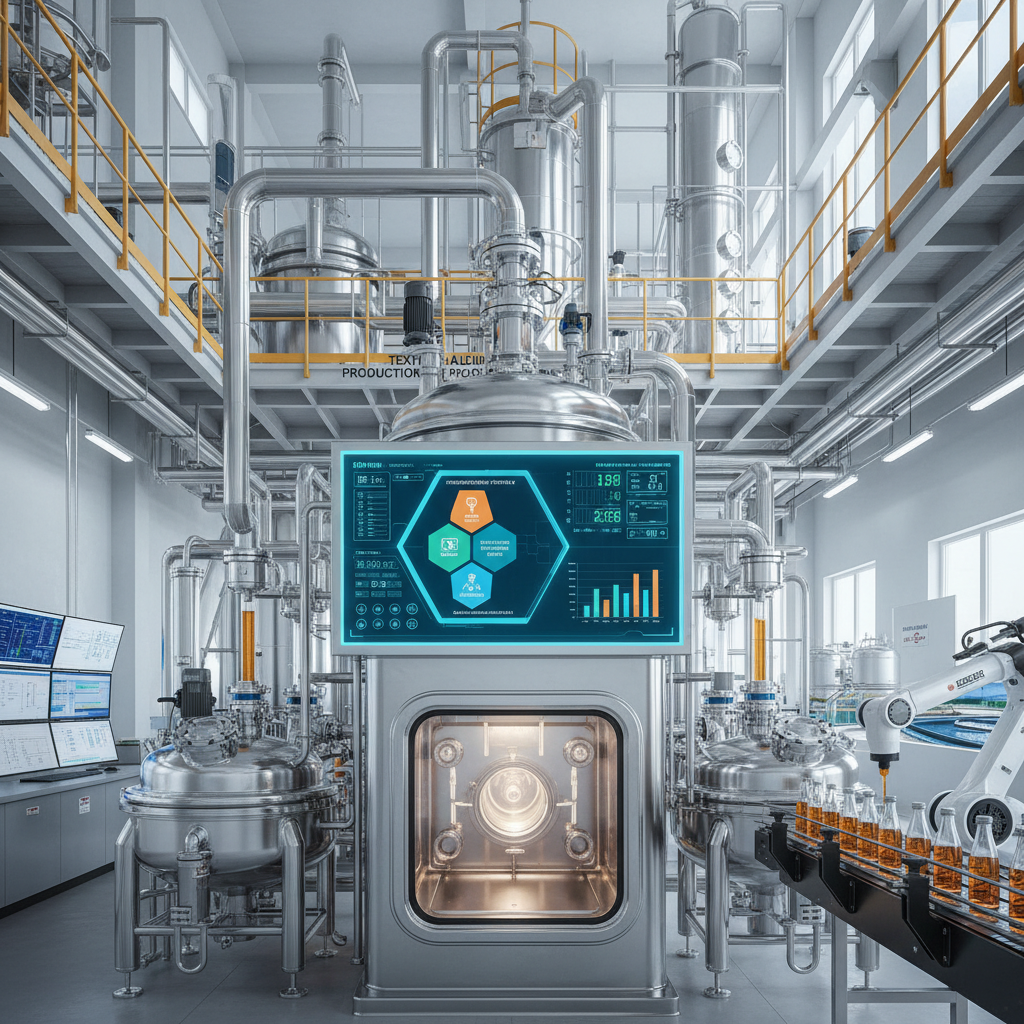
liquid reducing agent

The global textile auxiliary market is currently navigating a transformative era, where the reliance on traditional sodium hydrosulfite powders is being challenged by the agility of the liquid reducing agent. According to recent industrial benchmarks, the shift toward liquid formulations has reduced chemical handling hazards by approximately 30% in large-scale dyeing facilities. This transition is driven by the need for precise dosing and the elimination of dust pollution in the workplace, aligning with ISO environmental management standards.

However, the industry faces a significant challenge: the instability of traditional reducing agents when exposed to air and moisture. This instability often leads to inconsistent dye baths and wasted materials. By utilizing a stabilized liquid reducing agent, manufacturers can ensure a consistent redox potential throughout the dyeing cycle, which is critical for the high-precision requirements of luxury denim and technical textiles.

Definition and Chemical Mechanism of Liquid Reducing Agents

At its core, a liquid reducing agent is a concentrated chemical solution designed to donate electrons to other molecules, thereby reducing them. In the context of textile printing and dyeing, this process is vital for "leuco-dyeing," where insoluble pigments are converted into a soluble leuco form that can penetrate the fiber's amorphous regions. This chemical bridge is what allows sulfur dyes to bond deeply with cotton and viscose fibers.

Unlike their powder counterparts, liquid variants are often formulated with stabilizers and surfactants that enhance their solubility and reactivity. This means the liquid reducing agent interacts more uniformly with the fabric, preventing the "spotting" or "streaking" often associated with improperly dissolved powder chemicals. The result is a more homogenous color distribution and a significantly more predictable production outcome.

Beyond simple color application, these agents play a crucial role in the "stripping" process, where unwanted dyes are removed from a fabric to allow for re-dyeing. The precise control of the reducing power in a liquid reducing agent ensures that the dye is removed without compromising the structural integrity or the tensile strength of the textile, making it an indispensable tool for quality control and waste reduction.

Core Components for Industrial Performance

When evaluating the efficacy of a liquid reducing agent, the first critical factor is Redox Stability. A high-performance agent must maintain its reducing capacity over a prolonged storage period, preventing the premature oxidation that renders the chemical ineffective. This stability is achieved through sophisticated buffering systems that regulate the pH and protect the active reducing species.

Secondly, Solubility and Dispersion are paramount. A superior liquid reducing agent must be completely miscible in water and capable of dispersing evenly across large volumes of dye liquor. This ensures that every square inch of the fabric is exposed to the same chemical potential, eliminating the risk of shade variation and reducing the need for costly re-processing.

Finally, Substrate Compatibility determines the agent's versatility. Whether working with heavy-duty denim or delicate silk blends, the liquid reducing agent must operate effectively without inducing fiber degradation. The balance between aggressive reducing power and gentle fabric care is what defines a professional-grade auxiliary in the competitive textile market.

Comparative Efficiency in Textile Applications

The transition to liquid-phase chemistry has allowed mills to implement automated dosing systems, which drastically increase the precision of chemical application. When comparing a liquid reducing agent to traditional methods, the most immediate gain is seen in the reduction of "dead time" during the preparation of the dye bath. There is no need for pre-dissolving or filtration, which accelerates the overall production cycle.

Furthermore, the environmental footprint is significantly lowered. Liquid agents often allow for lower operating temperatures and reduced water usage during the rinsing phases. By optimizing the concentration of the liquid reducing agent, factories can achieve the same depth of shade with fewer chemical loads, directly contributing to a lower Chemical Oxygen Demand (COD) in wastewater treatment plants.

Performance Metrics of Various Liquid Reducing Agent Formulations

Global Applications and Real-World Use Cases

In the massive denim hubs of Southeast Asia and India, the liquid reducing agent is indispensable for achieving the iconic "indigo" depth. For instance, in large-scale denim washing plants, these agents are used to precisely control the reduction of sulfur dyes, ensuring that the color is locked into the yarn before the garment undergoes stone-washing or enzyme treatments. This prevents premature fading and ensures color fastness.

Beyond denim, the agent is widely used in the production of high-end home textiles and automotive upholstery. In remote industrial zones where water quality varies, the stability of a liquid reducing agent helps neutralize the impact of hard water ions, which otherwise interfere with the reduction process. This reliability allows manufacturers to maintain a consistent global standard of quality regardless of their geographic location.

Long-Term Value and Sustainability Benefits

The long-term value of adopting a professional liquid reducing agent extends far beyond immediate cost savings. By reducing the frequency of dye-lot failures, companies experience a significant increase in operational reliability. This builds trust with global fashion brands that demand strict adherence to color specifications and delivery timelines, effectively enhancing the manufacturer's reputation in the luxury supply chain.

From a sustainability perspective, the move toward liquid chemistry is a move toward "Green Chemistry." The reduction in airborne particulates (dust) improves worker health and safety, reducing respiratory risks associated with powder chemicals. Additionally, the higher efficiency of a liquid reducing agent means fewer chemicals are released into the effluent stream, making it easier for factories to comply with ZDHC (Zero Discharge of Hazardous Chemicals) guidelines.

Ultimately, the emotional value lies in the confidence of the craftsman. When a dyer knows that their liquid reducing agent will perform identically across ten thousand meters of fabric, the stress of production is replaced by the precision of science. This stability fosters innovation, allowing designers to experiment with more complex color palettes and sustainable fabric blends.

Future Trends and Innovations in Reduction Chemistry

The future of the liquid reducing agent is leaning heavily toward bio-based catalysts and digital integration. We are seeing the emergence of "smart" reducing agents that can be triggered by specific temperature or pH shifts, allowing for a more controlled release of reducing power. This targeted approach will further minimize chemical waste and protect delicate fibers from over-exposure.

Digital transformation is also playing a role, with AI-driven dosing systems that monitor the redox potential of the dye bath in real-time. These systems can automatically adjust the feed rate of the liquid reducing agent to maintain an optimal equilibrium, removing the guesswork from the process and ensuring 100% consistency across different batches.

As we move toward a circular economy, the development of biodegradable liquid reducing agent formulations is becoming a priority. The goal is to create agents that provide maximum reduction efficiency during the dyeing process but break down into harmless organic compounds in the wastewater treatment plant, effectively closing the loop on industrial pollution.

Technical Analysis of Liquid Reducing Agent Performance across Various Fabric Types

Fabric Substrate Reduction Efficiency (1-10) Fiber Integrity Impact Recommended Dosage (g/L)
Pure Cotton Denim 9.8 Negligible 15 - 25
Viscose Blend 9.2 Low 10 - 18
Polyester/Cotton 8.5 Minimal 12 - 20
Pure Silk 7.0 Moderate (Care Req.) 5 - 10
Linen Fabric 9.5 Very Low 15 - 22
Recycled Cotton 8.8 Moderate 18 - 30

FAQS

What makes a liquid reducing agent superior to powder alternatives?

The primary advantages are solubility and consistency. A liquid reducing agent eliminates the need for pre-dissolving, which prevents the formation of "chemical clumps" that cause spotting on fabrics. Additionally, liquid forms are easier to automate via dosing pumps, reducing labor costs and eliminating hazardous dust in the production area, leading to a safer and more efficient workflow.

How does the liquid reducing agent affect the tensile strength of the fabric?

When used at the recommended dosage and pH, a professional-grade liquid reducing agent has a negligible impact on fabric strength. However, over-exposure or excessively high concentrations can lead to fiber degradation. This is why using a stabilized liquid agent is preferred, as it provides a more controlled reaction compared to the aggressive, often uneven spikes in reactivity found in powder-based reduction.

Can these agents be used for both dyeing and stripping processes?

Yes, they are highly versatile. In dyeing, they convert pigments into their soluble leuco form for fiber penetration. In stripping, they act to break the bond between the dye and the fiber to remove unwanted colors. The key is adjusting the concentration; stripping usually requires a higher concentration of the liquid reducing agent and a specific temperature range to effectively "lift" the dye.

Is the liquid reducing agent compatible with automated dyeing machinery?

Absolutely. In fact, liquid reducing agents are specifically designed for modern automation. They can be stored in tanks and delivered via precision metering pumps directly into the dye liquor. This eliminates human error in weighing and mixing, ensures that every batch receives the exact same amount of chemical, and allows for real-time adjustments based on sensor data.

How should a liquid reducing agent be stored to maintain its potency?

To maintain maximum reducing power, these agents should be stored in airtight, UV-protected containers in a cool, dry environment. Exposure to air (oxygen) and direct sunlight can cause premature oxidation, which reduces the chemical's effectiveness. Following the manufacturer's temperature guidelines ensures the stabilizer remains active and the product remains shelf-stable for its intended duration.

Are there eco-friendly options for liquid reducing agents?

Yes, the industry is shifting toward "Green Chemistry." Modern eco-friendly liquid reducing agents are formulated to be biodegradable and free from hazardous heavy metals or prohibited amines. These products are designed to meet ZDHC and OEKO-TEX standards, significantly reducing the COD (Chemical Oxygen Demand) of the wastewater and making it easier for factories to pass environmental audits.

Conclusion

The implementation of a high-performance liquid reducing agent is no longer just an option but a necessity for textile manufacturers striving for precision, sustainability, and scalability. By resolving the inherent instabilities of powder chemicals and enabling seamless automation, these agents ensure that the complex chemistry of dyeing and stripping is handled with scientific accuracy. From the deep hues of industrial denim to the delicate requirements of luxury blends, the right reducing agent bridges the gap between raw chemical potential and finished textile perfection.

Looking ahead, the integration of bio-based formulations and AI-driven dosing will further redefine the efficiency of the textile industry. Manufacturers are encouraged to audit their current chemical processes and transition toward stabilized liquid solutions to reduce waste and enhance worker safety. For those seeking to elevate their production quality and adhere to global environmental standards, investing in advanced reduction chemistry is the most reliable path forward. Visit our website for more professional solutions: www.dyeingchem.com

Robert Chen

Robert Chen

Robert Chen is our Head of International Business, based in our Hong Kong office. He’s been with the company for 16 years, starting in domestic sales and transitioning to international markets in 2010. Robert was vital in establishing our international business center in 2023, leveraging his deep understanding of both our manufacturing strengths and global customer needs. He excels at building strong relationships with partners worldwide and ensuring seamless communication. Robert's expertise includes navigating complex export regulations and adapting our solutions to diverse regional requirements. He consistently seeks opportunities to expand our global footprint and drive growth.
Previous Premium Liquid Reducing Agent for Textiles
Next Innovative Textile Dyeing Auxiliaries for High Performance Fabrics

If you are interested in our products, you can choose to leave your information here, and we will be in touch with you shortly.