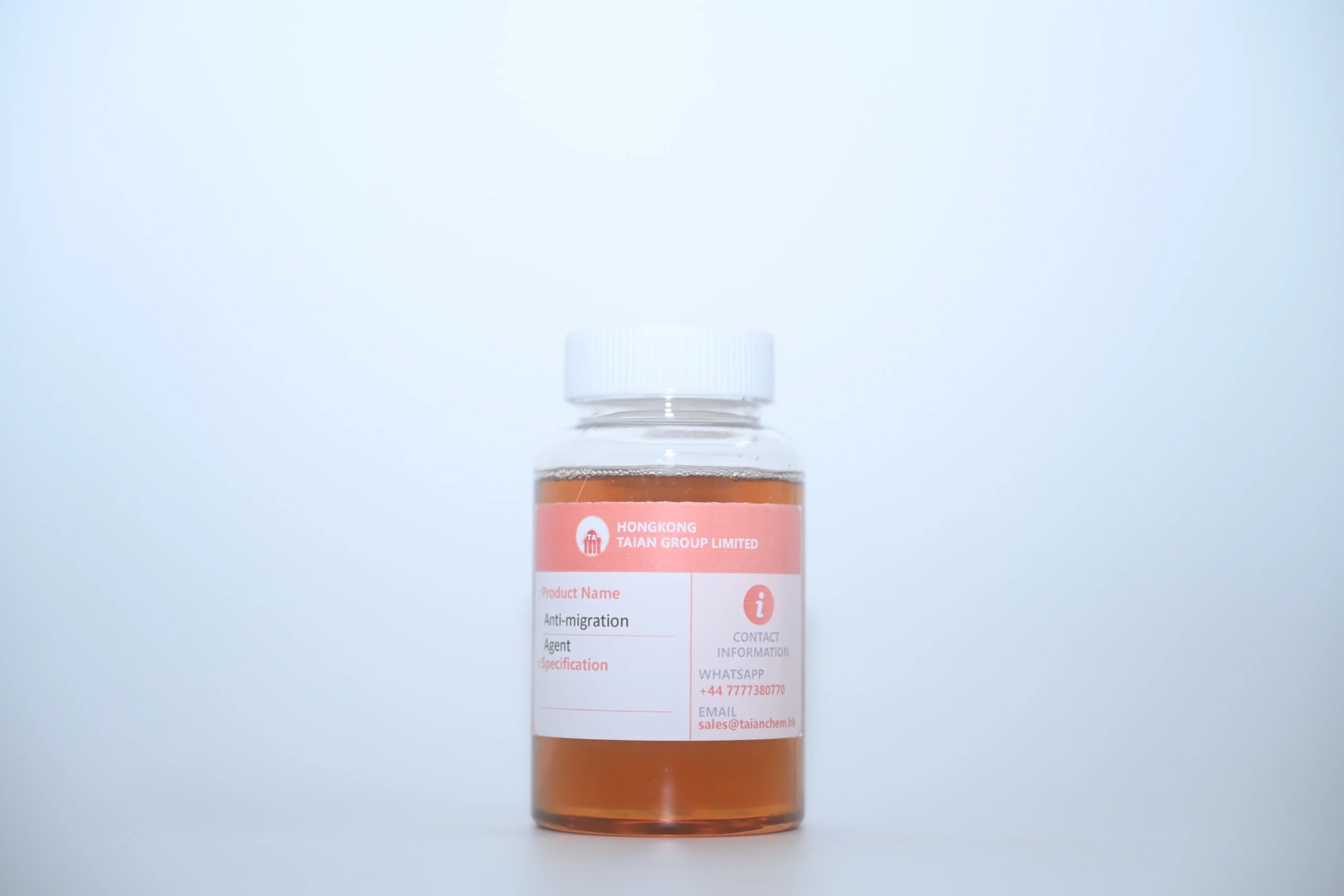
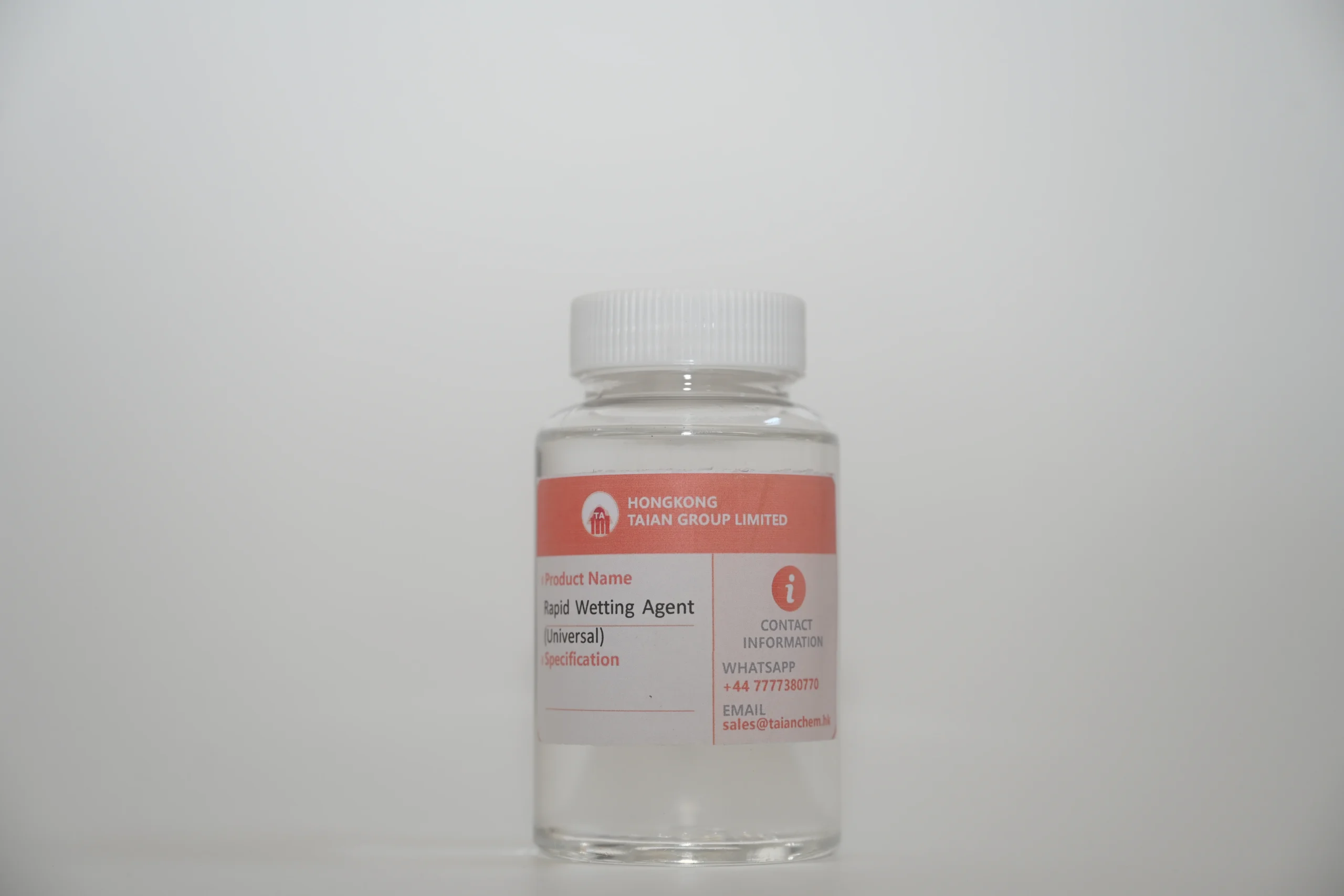
Advanced dye auxiliaries Solutions for Bolivia's Textile Sector

Optimizing textile processing in the Andean highlands with high-performance chemical agents for superior color yield and fabric durability.

Advanced dye auxiliaries Solutions for Bolivia's Textile Sector

Providing a comprehensive range of specialty chemicals designed to enhance the dyeing and finishing processes for Bolivian textile manufacturers, ensuring consistency and efficiency.

The State of Textile Chemical Application in Bolivia

Analyzing the intersection of altitude, water quality, and chemical efficacy in the South American market.

In Bolivia, the textile industry faces unique challenges due to the high altitude of the Altiplano and varying water hardness in regions like La Paz and Santa Cruz. The reliance on traditional textile auxiliaries chemicals has historically led to inconsistencies in shade reproduction and fabric penetration.

Current manufacturing plants are shifting toward more stable penetrating agent formulations to overcome the surface tension issues caused by mineral-rich local water sources, which often hinder the uniform distribution of dyes.

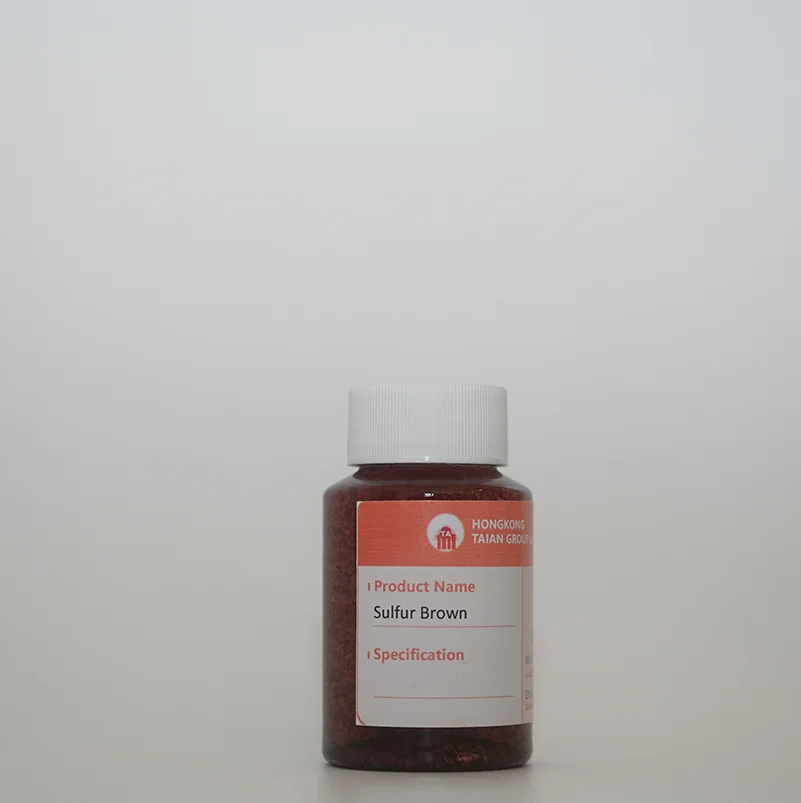
Furthermore, there is a growing demand for high-purity sulfur black to meet the export standards for alpaca and synthetic blend garments, requiring more precise control over the reduction and oxidation cycles.
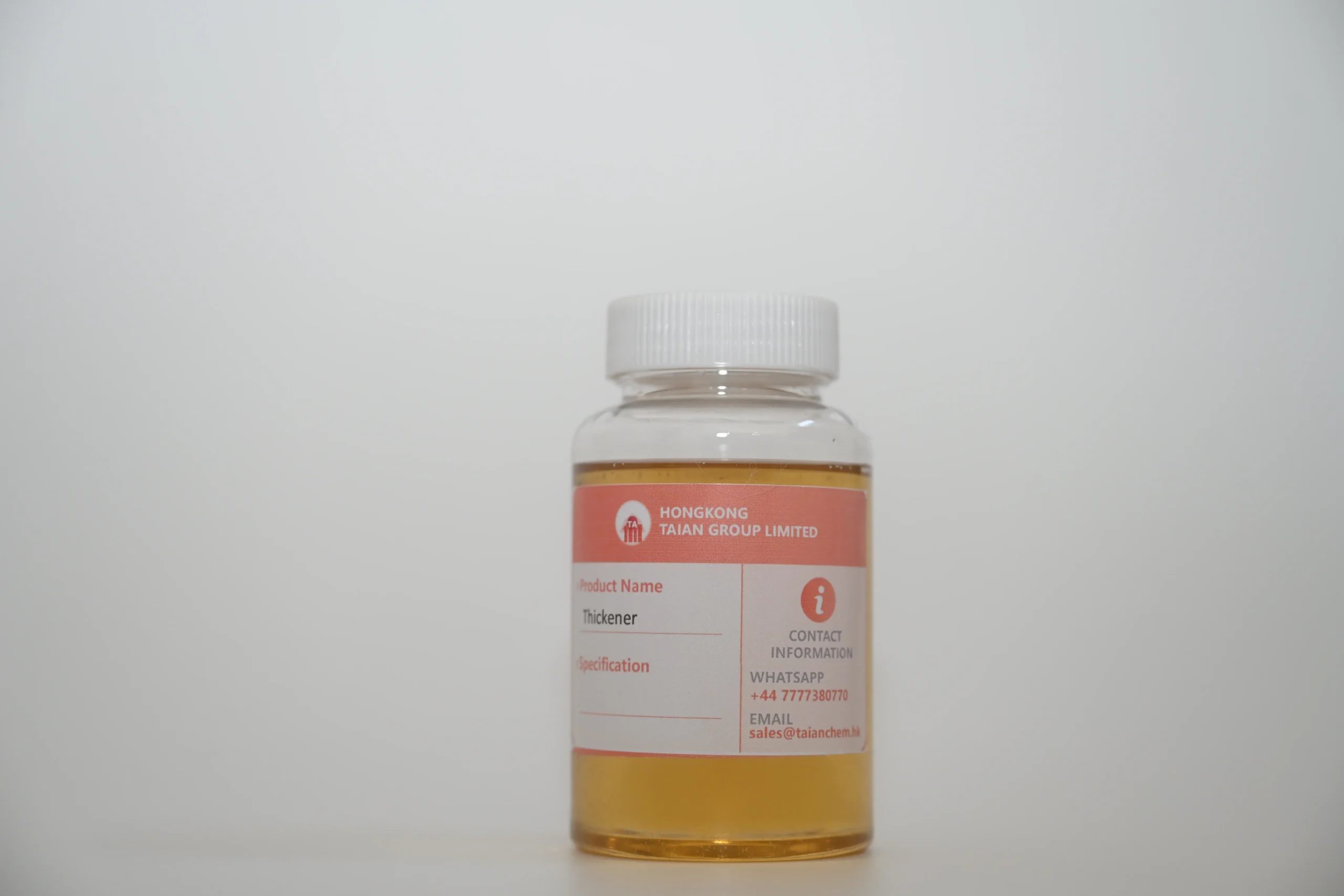
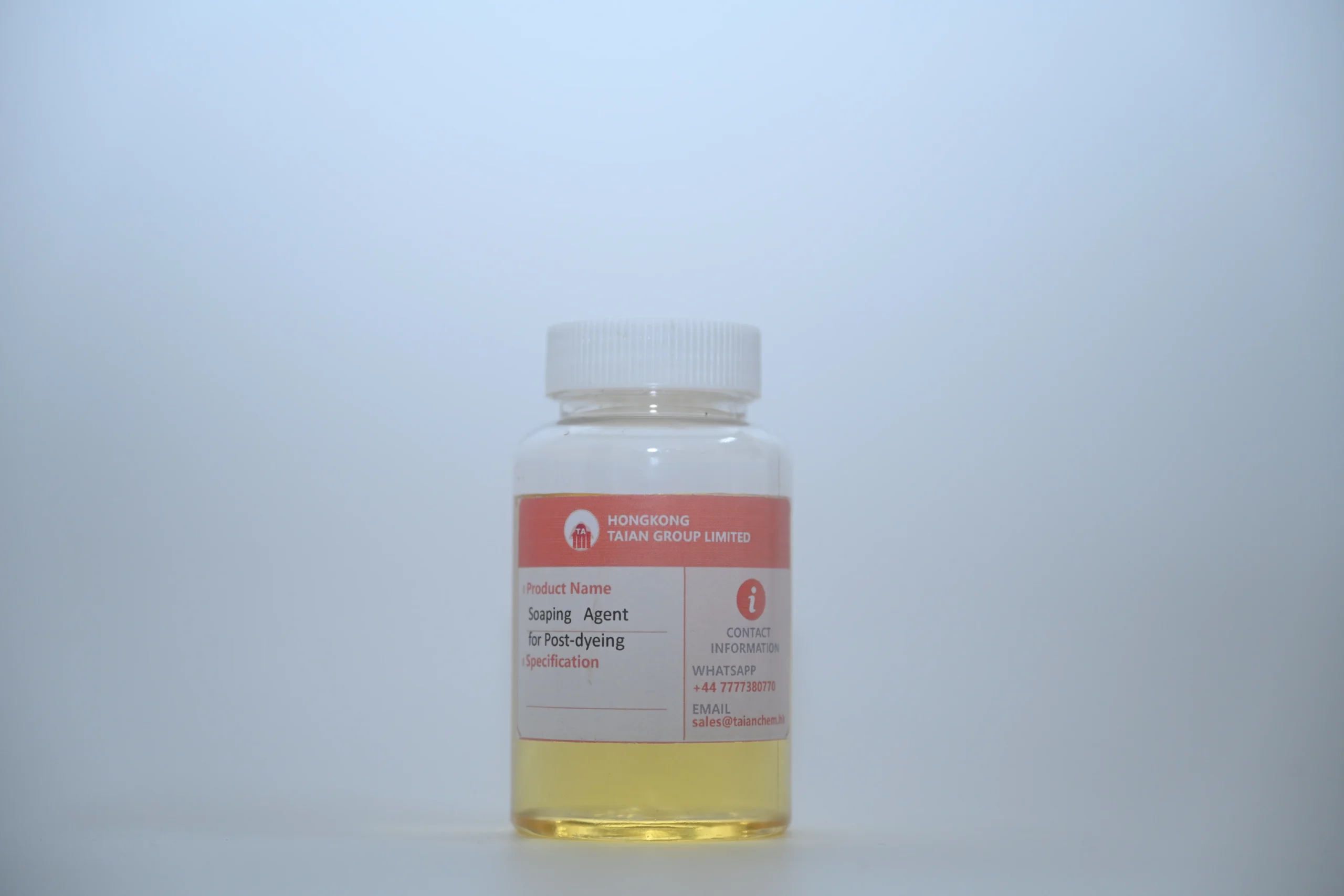
Evolution of Dyeing Technology in Bolivia

From artisanal batch processing to automated chemical precision.

Market Development History

During the 1990s and early 2000s, the Bolivian textile sector relied primarily on basic salts and soaps. The focus was on volume rather than precision, with a limited understanding of the synergy between different chemical agents.

Between 2010 and 2020, the industry witnessed a transition toward specialized oxidizing agent reducing agent systems. This allowed for better control of vat and sulfur dyes, significantly reducing the waste generated during the rinsing process.

Currently, the market is entering a phase of "Smart Chemistry," where auxiliaries are engineered to function at lower temperatures, reducing the energy footprint of factories operating in colder highland climates.

Future Development Trends

Bio-based Auxiliary Integration

Moving toward biodegradable surfactants and auxiliaries to comply with tightening South American environmental regulations regarding wastewater discharge.

Low-Liquor Ratio Processing

Adopting advanced wetting agents that allow for concentrated dyeing baths, reducing water consumption in water-scarce Bolivian regions.

Digital Chemical Dosing

The integration of IoT sensors to automate the injection of auxiliaries based on real-time pH and temperature monitoring.

Industry Trends & Future Outlook

Strategic forecasts for the chemical additive market in the Andean region.

Eco-Friendly Synthesis
Shifting toward phosphorus-free and APEO-free auxiliaries to meet global sustainability certifications.
Energy Reduction
Developing catalysts that allow dyeing at 40-60°C instead of 90°C+, crucial for high-altitude cost saving.
Precision Chemistry
Using molecular engineering to create auxiliaries that bond specifically to Andean wool and alpaca fibers.
Water Recovery
Integrating chelating agents that facilitate the removal of heavy metals from effluent for water reuse.

Industry Outlook

According to search trend logic, there is a significant increase in queries related to "sustainable textile chemicals in South America." This indicates a pivot from low-cost generic agents to high-value, compliant additives.

Over the next 3-5 years, Bolivia is expected to transition toward "Circular Dyeing," where the use of high-efficiency oxidizing agent reducing agent combinations will minimize chemical waste and maximize fabric lifespan.

Local Application Scenarios in Bolivia

Real-world chemical implementations for diverse Bolivian fabric types.

1. High-Altitude Alpaca Fiber Dyeing

Using specialized penetrating agent to ensure that dyes reach the core of dense alpaca fibers in La Paz, preventing "ring dyeing" effects.

2. Industrial Cotton Workwear Production

Application of high-stability sulfur black for durable, fade-resistant black denim and workwear tailored for the mining sector in Potosí.

3. Synthetic Blend Sportswear in Santa Cruz

Utilizing advanced dye auxiliaries to enhance the brilliance and wash-fastness of polyester blends used in local athletic apparel.

4. Traditional Textile Restoration

Implementing mild oxidizing agent reducing agent systems to strip old dyes from vintage fabrics without damaging the natural protein structure of the yarn.

5. Large-Scale Commercial Bedding

Deploying bulk textile auxiliaries chemicals to maintain shade consistency across thousands of meters of cotton sheeting for the hospitality industry.

Brand Story

Global Development Journey of Shijiazhuang Taikun Chemical Co., Ltd.

The Foundation of Precision

Started as a specialized lab focused on the molecular stability of dyeing agents, aiming to solve the most common failures in fabric color consistency.

Global Expansion Phase

Expanded our reach into the South American market, adapting our chemical formulas to work with the specific water chemistry and fiber types found in Bolivia.

Innovation in Sustainability

Invested in R&D to create a new generation of eco-friendly auxiliaries that reduce water pollution without compromising on industrial performance.

Strategic Partnership Growth

Established deep technical collaborations with textile mills globally, providing not just chemicals but complete process optimization blueprints.

Future Vision 2030

Committed to leading the "Green Chemistry" revolution in the textile industry, ensuring a zero-harm footprint for the next generation of fashion.

Full Product Portfolio for the Bolivian Textile Market

A curated selection of chemicals designed for high-altitude textile manufacturing.

Bolivia Textile Chemical FAQ

Technical answers to common challenges in the local dyeing process.

How to improve dye penetration in high-altitude Bolivian water?

Using a high-efficiency penetrating agent is crucial. We recommend a pre-treatment step to neutralize mineral content, followed by the application of our specialized wetting agents to lower surface tension.

What is the best oxidizing agent reducing agent for sulfur black?

For sulfur black, a balanced sodium hydrosulfite-based reducing agent followed by a controlled peroxide oxidation process ensures the deepest black shade with maximum rub-fastness.

Can textile auxiliaries chemicals be used for alpaca wool?

Yes, but you must use pH-neutral dye auxiliaries to avoid damaging the delicate protein structure of alpaca fibers, which can become brittle under extreme alkalinity.

How to prevent shade variation in large batch dyeing?

Consistency is achieved by using leveling agents within our dye auxiliaries range, which slow down the initial dye uptake and ensure an even distribution across the fabric.

What is the impact of water hardness on sulfur black results?

Hard water can cause dye precipitation. We suggest using a sequestering agent alongside sulfur black to bind calcium and magnesium ions, preventing streaks in the final fabric.

Are there eco-friendly alternatives for industrial penetrating agents?

Absolutely. We offer a range of biodegradable, APEO-free penetrating agents that provide the same wetting power while meeting international environmental standards.

Get Expert Chemical Guidance

Ready to optimize your textile production in Bolivia? Our technical team is available to provide customized formulations for your specific fabric needs.

Contact Us Now

If you are interested in our products, you can choose to leave your information here, and we will be in touch with you shortly.