High-Performance dye auxiliaries Solutions for Italy's Luxury Textiles

Precision chemical engineering designed to enhance the vibrancy and durability of Italian high-fashion fabrics through advanced molecular synthesis.

High-Performance dye auxiliaries Solutions for Italy's Luxury Textiles

Empowering Italian textile mills with cutting-edge chemical agents that ensure superior color fastness and material integrity across silk, wool, and synthetic blends.

The Landscape of Textile Chemistry in Italy

Navigating the balance between artisanal heritage and stringent EU environmental regulations.

Italy's textile industry, centered in regions like Prato and Como, is currently undergoing a massive transition towards "Green Chemistry." The integration of textile auxiliaries chemicals is no longer just about efficiency but about meeting the ZDHC (Zero Discharge of Hazardous Chemicals) standards required by luxury fashion houses.

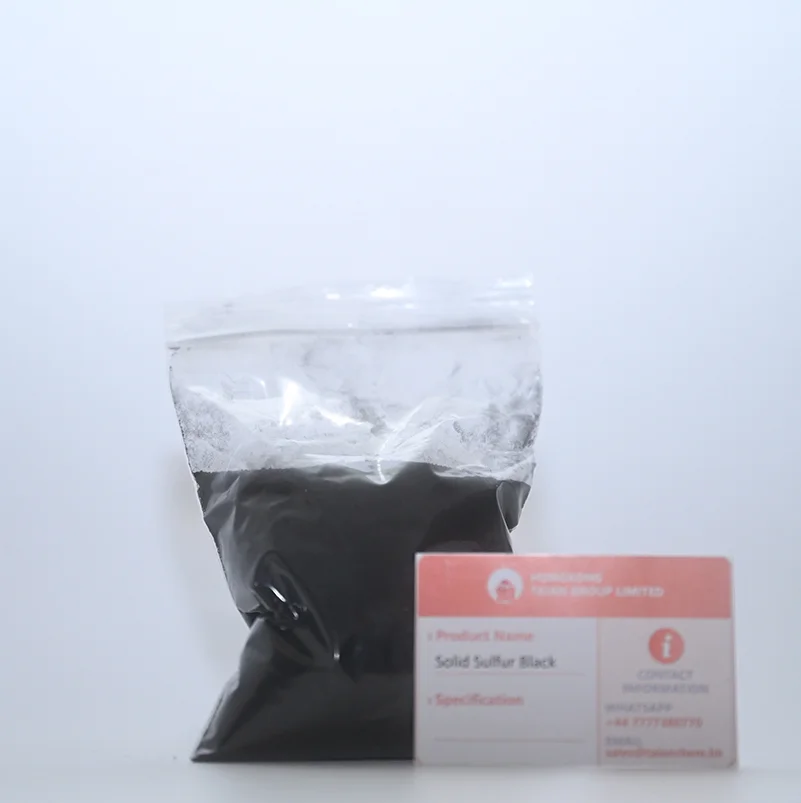
The Italian market demands extreme precision in color reproduction, particularly for deep blacks and vibrant saturation. This has led to a renewed focus on the stability of sulfur black applications, ensuring that the deep hues remain consistent without compromising the fabric's hand-feel.

Furthermore, the Mediterranean climate and water hardness levels in various Italian industrial zones necessitate highly adaptive penetrating agent formulations to ensure uniform dye uptake and eliminate spotting in high-end garment production.
Evolution of Italian Dyeing Technology

From traditional vat dyeing to digitally optimized chemical processing.

Market Development History

Between 1970 and 1990, the Italian sector relied heavily on traditional heavy-metal based catalysts. However, the shift toward eco-consciousness in the late 90s introduced organic-based oxidizing agent reducing agent systems to reduce toxic wastewater.

From 2000 to 2015, the focus shifted toward "Low-Liquor Ratio" dyeing. This era saw the development of sophisticated surfactants that allowed for faster penetration and lower water consumption, optimizing the use of specialized auxiliaries.

Since 2016, the industry has entered the era of "Digital Chemistry," where real-time monitoring and automated dosing systems ensure that every gram of chemical is used with surgical precision to minimize waste.

Future Development Trends

Bio-Based Auxiliary Synthesis

Transitioning from petroleum-derived precursors to biodegradable plant-based polymers to satisfy the European Green Deal mandates.

Waterless Dyeing Integration

The rise of supercritical CO2 dyeing, which will fundamentally change how reducing and oxidizing agents are applied to fabrics.

AI-Driven Formulation Optimization

Using machine learning to predict the interaction between different fiber blends and chemical agents for zero-defect first-time dyeing.

Future Outlook for Italian Speciality Chemicals

Anticipating the next wave of technological disruptions in textile processing.

Circular Economy Integration
Moving toward chemicals that facilitate the recycling of blended fibers without degrading fabric strength.
Energy-Efficient Processing
Developing auxiliaries that operate at lower temperatures to reduce the carbon footprint of Italian mills.
Nano-Chemical Finishing
Applying nanotechnology to create hydrophobic or antimicrobial finishes without altering fabric breathability.
Smart-Dose Automation
Integration of IoT sensors for autonomous adjustment of chemical concentrations during the dyeing cycle.

Industry Outlook

Google search trends indicate a sharp increase in "sustainable textile chemicals" and "VOC-free auxiliaries" within the EU region. This suggests that the Italian market is pivoting toward a total transparency model where every chemical's molecular origin must be documented.

Over the next 3-5 years, we expect a consolidation of the market where only suppliers capable of offering multifunctional agents—combining penetrating and leveling properties in one—will survive the cost-pressure of the luxury sector.

Local Application Scenarios in Italy

Real-world implementation of advanced chemical auxiliaries in Italian textile hubs.

01. Luxury Silk Dyeing in Como

Utilization of high-grade penetrating agent to ensure flawless dye distribution on delicate mulberry silk, preventing streaks in high-contrast floral prints.

02. High-End Woolen Mills in Biella

Application of specialized oxidizing agent reducing agent systems to maintain the natural crimp and elasticity of merino wool during deep-shade dyeing.

03. Fast-Fashion Denim Hubs in Prato

Integrating stable sulfur black formulations to achieve consistent midnight tones while reducing the sulfuric odor and wastewater toxicity.

04. Technical Sportswear in Veneto

Developing moisture-wicking fabric finishes using advanced textile auxiliaries chemicals that enhance breathability without affecting the fabric's stretch.

05. Eco-Leather Finishing in Tuscany

Implementing chrome-free dye auxiliaries for sustainable leather tanning processes that meet the strict REACH regulations of the EU.

Brand Story

Global Development Journey of Shijiazhuang Taikun Chemical Co., Ltd.

Foundation of Excellence

Established with a vision to bridge the gap between industrial chemistry and textile artistry, focusing on pure synthesis and stability.

Technical Breakthroughs

Developed a proprietary method for reducing impurities in sulfur dyes, setting a new standard for color purity in the global market.

Global Expansion

Extended operations into the European market, tailoring formulations to meet the specific luxury standards of Italian and French mills.

Sustainability Pivot

Invested in R&D for biodegradable auxiliaries, ensuring all products align with the most stringent environmental safety protocols.

Industry Leadership

Now recognized as a primary partner for high-end textile manufacturers seeking a balance of performance and ecology.

Comprehensive Product Portfolio for the Italian Market

A curated selection of specialty chemicals designed for high-precision textile manufacturing.

FAQ for Textile Chemistry in Italy

Technical answers to common challenges faced by Italian dyeing houses.

How do I optimize the use of textile auxiliaries chemicals for organic cotton?

For organic cotton, it is essential to use GOTS-certified auxiliaries. Focus on pH-neutral agents that maintain the fiber's natural strength while ensuring deep penetration.

Which oxidizing agent reducing agent is best for sensitive silk fabrics?

We recommend mild, controlled-release reducing agents that prevent protein degradation in silk fibers, ensuring a soft hand-feel and vibrant color.

How can I prevent bleeding in sulfur black dyed fabrics?

Ensure complete oxidation after dyeing and use a high-quality fixing agent. Proper rinsing with a specific neutralizing auxiliary is key to stability.

What is the role of a penetrating agent in high-temperature dyeing?

A penetrating agent reduces the surface tension between the dye liquor and the fiber, allowing the dye to enter the core of the yarn rapidly and evenly.

Are these dye auxiliaries compliant with REACH regulations?

Yes, all our products exported to Italy are fully compliant with EU REACH and ZDHC standards, ensuring safety for both workers and the environment.

How do I choose the right chemical combination for blended fabrics?

Blended fabrics require a dual-action approach. We suggest a tailored mix of leveling agents and penetrating agents to ensure simultaneous uptake on different fibers.

Partner with the Experts in Textile Chemistry

Ready to elevate your fabric quality? Contact our technical team for bespoke chemical solutions delivered across Italy.

Contact Us Now

If you are interested in our products, you can choose to leave your information here, and we will be in touch with you shortly.