Premium dye auxiliaries Solutions for French Textile Manufacturing

High-performance chemical agents engineered to meet the rigorous quality and environmental standards of the European textile industry.

Premium dye auxiliaries Solutions for French Textile Manufacturing

Optimizing fabric processing with advanced chemical formulations designed for the high-fashion and technical textile sectors in France.

The Current State of Textile Chemicals in France

Navigating the intersection of luxury heritage and strict EU environmental regulations.

France's textile industry is currently defined by a shift toward "Eco-Design" and sustainable luxury. Manufacturers are increasingly demanding textile auxiliaries chemicals that are biodegradable and free from hazardous substances to comply with REACH regulations.

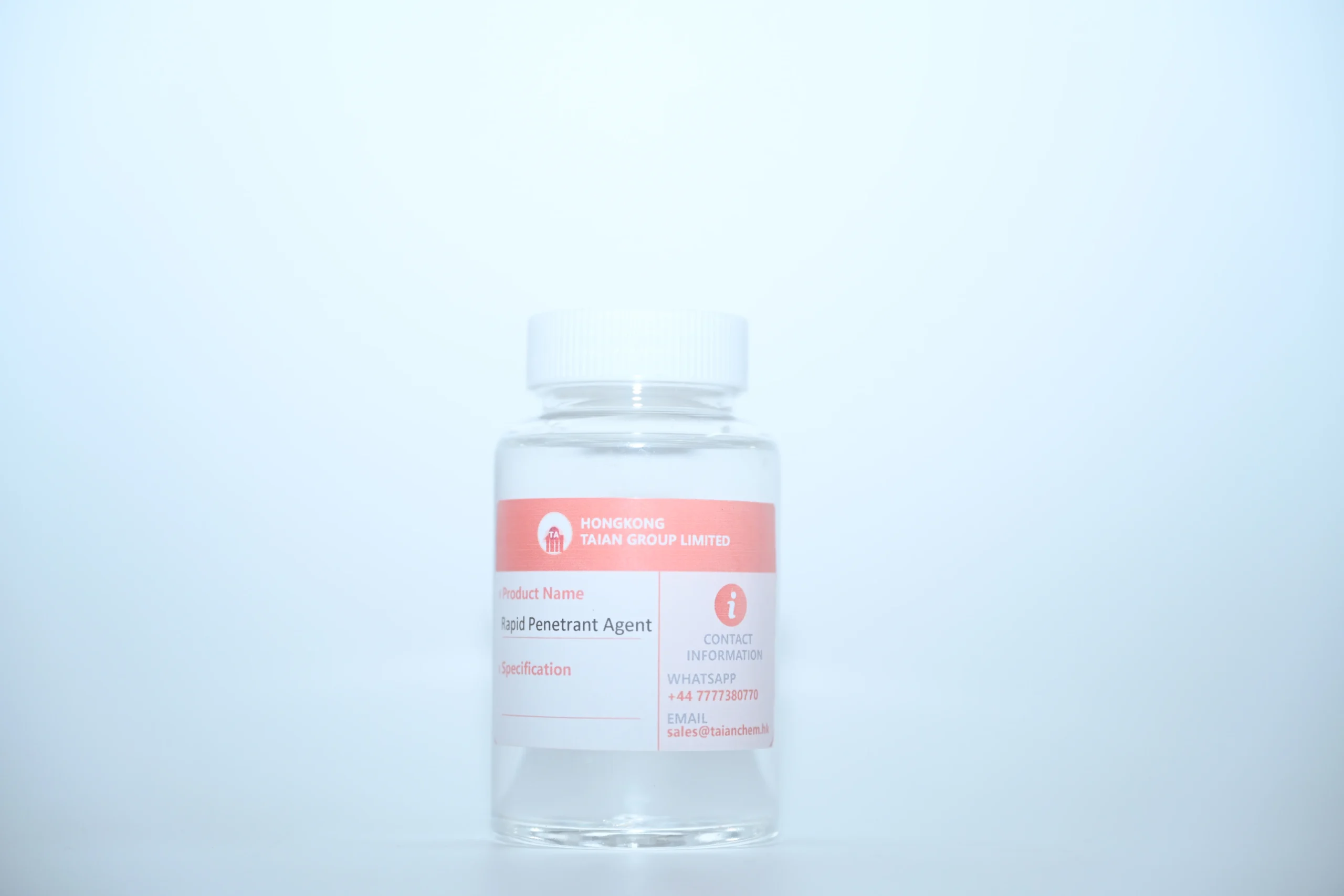
The regional market is heavily concentrated in the North and Rhône-Alpes regions, where technical textiles for automotive and aerospace sectors require specialized penetrating agent formulations to ensure deep fiber saturation and consistent dyeing across complex synthetic blends.

Furthermore, the resurgence of artisanal workshops in Lyon has reignited the need for traditional yet modernized sulfur black applications, balancing deep, rich color saturation with modern effluent treatment capabilities to protect local waterways.
Evolution and Trajectory of French Textile Chemistry

From heavy industrial processing to precision molecular engineering.

Market Development History

In the mid-20th century, the French market relied on bulk chemical processing, where the focus was purely on volume and basic fixation. The use of early oxidizing agent reducing agent combinations was standard but often lacked precision, leading to high water consumption.

Between 1990 and 2010, the industry pivoted toward "Precision Dyeing." The introduction of computerized dosing systems forced a transition toward highly concentrated and stable chemical agents, reducing the footprint of chemical storage in urban factories.

From 2015 to the present, the trajectory has been dominated by the "Green Chemistry" movement. France has led the EU in banning specific APEOs and phthalates, pushing the development of bio-based auxiliaries that maintain professional-grade performance.

Future Development Trends

Digital Textile Integration

The move toward inkjet printing is driving demand for chemicals that can modify fabric surfaces at a microscopic level without clogging high-precision nozzles.

Closed-Loop Water Systems

Future chemistry will focus on auxiliaries that facilitate the recycling of dye baths, reducing the chemical load in wastewater treatment plants.

Nano-Scale Penetration

Research is shifting toward nano-emulsions that allow for faster penetration and lower temperature dyeing, significantly reducing energy costs for French manufacturers.

Industry Trends and Future Outlook

Strategic foresight for the next 3-5 years in the French chemical sector.

Biodegradable Chemistry
Replacement of petroleum-based surfactants with plant-derived alternatives to meet French environmental laws.
Low-Temperature Dyeing
Developing agents that catalyze reactions at 40-60°C to reduce the carbon footprint of French factories.
Smart-Surface Modification
Implementing auxiliaries that create hydrophobic or antimicrobial finishes for the French outdoor gear market.
Zero-Discharge Systems
Developing chemical clusters that allow for 100% recovery of oxidizing agent reducing agent residues.

Industry Outlook

Google search trends indicate a sharp increase in queries related to "sustainable textile processing" and "non-toxic dye auxiliaries" within the EU. This suggests that the market is moving away from purely functional chemistry toward "Responsible Chemistry."

In the next five years, the French market will likely merge traditional textile dyeing with biotechnology, utilizing enzymatic catalysts to replace harsh chemical agents, thereby reducing the total chemical load on the environment while enhancing fabric hand-feel.

Localized Application Scenarios in France

Real-world deployment of specialized chemical agents across various French industrial sectors.

01. Luxury Silk Processing in Lyon

Utilizing high-purity dye auxiliaries to ensure perfectly uniform color depth on delicate silk fabrics for haute couture, avoiding any spotting or unevenness.

02. Denim Production in Northern France

Application of stabilized sulfur black for high-end denim, ensuring deep indigo-black tones with superior wash-fastness and minimal sulfur leakage.

03. Technical Textiles for Aerospace (Toulouse)

Deploying advanced penetrating agent solutions to treat carbon-fiber reinforced polymers, ensuring chemical bonding for protective coatings.

04. Eco-Friendly Cotton Apparel in Brittany

Implementation of organic-certified textile auxiliaries chemicals to maintain GOTS certification for sustainable clothing brands focusing on the Atlantic market.

05. Industrial Linen Treatment in Normandy

Using precise oxidizing agent reducing agent cycles to bleach and prepare industrial linens without compromising the natural tensile strength of the flax fibers.

Brand Story

Global Development History of Shijiazhuang Taikun Chemicals Co., Ltd.

Foundational Excellence

Established with a mission to solve the most stubborn dyeing inconsistencies, we began by perfecting the stability of basic textile agents for local manufacturers.

Technological Breakthrough

Invested heavily in R&D to develop high-penetration formulations that reduced water usage by 20%, marking our entry into the international competitive market.

European Market Expansion

Tailored our product line to meet the stringent EU REACH standards, allowing us to partner with luxury textile houses across France and Italy.

Sustainable Innovation

Launched a series of bio-degradable auxiliaries, addressing the global pain point of wastewater pollution in the chemical manufacturing industry.

Global Leadership

Today, we stand as a premier provider of specialty chemicals, blending Asian manufacturing efficiency with European quality expectations.

Complete Product Portfolio for the French Market

A comprehensive range of high-performance chemicals tailored for the European textile ecosystem.

Common Questions from French Textile Manufacturers

Expert answers to the most frequent technical and regulatory queries.

Are your textile auxiliaries chemicals compliant with REACH regulations in France?

Yes, all our products exported to France are fully compliant with REACH standards, ensuring they are free from banned SVHCs (Substances of Very High Concern).

How does your penetrating agent improve dye uptake on synthetic blends?

Our agents reduce the surface tension of the dye liquor, allowing for faster and more uniform penetration into the hydrophobic cores of synthetic fibers.

Can sulfur black be used in eco-certified production lines?

We provide low-emission sulfur black variants that, when paired with modern wastewater treatment, can meet the stringent requirements of eco-certifications.

What is the optimal ratio for an oxidizing agent reducing agent cycle in linen bleaching?

The ratio depends on fabric GSM; however, our technical team provides customized dosing charts to ensure maximum whiteness without fiber degradation.

Do your dye auxiliaries affect the hand-feel of high-end silk fabrics?

No, our auxiliaries are designed to be fully removable or integrate seamlessly, preserving the natural luster and softness of French silk.

How do I reduce water consumption using your chemical solutions?

By using our high-efficiency penetrating and fixing agents, you can reduce the number of rinsing cycles required by up to 30%.

Partner with France's Leading Chemical Supplier

Ready to optimize your textile production with sustainable and high-performance chemicals? Contact our experts in France today.

Contact Us Now

If you are interested in our products, you can choose to leave your information here, and we will be in touch with you shortly.