Advanced dye auxiliaries Solutions for Singapore's Textile Hub

Optimizing fabric processing with high-performance chemical agents tailored for the Southeast Asian humid climate and industrial standards.

Advanced dye auxiliaries Solutions for Singapore's Textile Hub

Providing precision-engineered textile auxiliaries chemicals to enhance color fastness, penetration, and environmental compliance for Singaporean textile manufacturers.

The Current State of Textile Chemical Application in Singapore

Balancing high-efficiency production with stringent environmental regulations in a tropical urban setting.

Singapore's textile industry has shifted from mass production to high-value specialized fabrics. In this environment, the demand for a high-quality penetrating agent has increased significantly to ensure uniformity in synthetic blends used in technical apparel.

Due to the region's high humidity and temperature, the stability of chemicals is critical. Manufacturers are increasingly adopting advanced oxidizing agent reducing agent systems to maintain precise control over redox reactions during the bleaching and dyeing processes, preventing fabric degradation.

Furthermore, the "Green Plan 2030" has pushed local factories to minimize water waste. This has led to a surge in the adoption of concentrated sulfur black alternatives and eco-friendly auxiliaries that reduce the chemical oxygen demand (COD) in wastewater treatment plants.
Evolution and Trajectory of Textile Auxiliaries

From traditional batch processing to smart, sustainable chemical engineering.

Market Development History

Between 1990 and 2005, the Singaporean market relied heavily on generic imports. The focus was primarily on basic dye auxiliaries that provided standard functionality without regard for biological degradability.

From 2006 to 2018, a transition toward "Performance Chemicals" occurred. The integration of specialized textile auxiliaries chemicals allowed for the production of moisture-wicking and antimicrobial fabrics, catering to the growing athletic wear market in Asia.

Since 2019, the industry has entered the "Digital Chemistry" era. Real-time monitoring of chemical concentrations and the use of biodegradable agents have become the gold standard for high-end Singaporean boutiques and industrial laundries.

Future Development Trends

Bio-based Surfactants

Moving away from petroleum-based precursors to plant-derived penetrating agent formulas to meet ZDHC (Zero Discharge of Hazardous Chemicals) standards.

Automated Redox Control

Implementation of IoT-driven dosing systems for oxidizing agent reducing agent applications to eliminate human error and reduce chemical waste.

Low-Temperature Dyeing

Development of catalysts that allow sulfur black and other deep dyes to bond at lower temperatures, drastically reducing energy consumption in the dyeing house.

Industry Outlook and Future Prospects

Navigating the intersection of sustainable chemistry and textile innovation.

Closed-Loop Recycling
Integration of chemicals that facilitate easier dye stripping and fiber recovery for circular fashion.
Waterless Dyeing
Development of supercritical CO2 dyeing agents to eliminate water dependency in dyeing processes.
Nano-Chemical Delivery
Utilizing nanotechnology for targeted chemical delivery to reduce total auxiliary usage by 30%.
AI-Driven Formulation
Predictive modeling to create custom chemical blends based on specific fabric weave and dye types.

Industry Outlook

Over the next 3-5 years, the Singaporean market will likely pivot toward "Smart Chemicals." As Google search trends show an increase in "sustainable textile manufacturing" and "eco-friendly dyeing agents," the demand for non-toxic dye auxiliaries will grow exponentially.

The strategic focus will shift from purely functional additives to those that provide a competitive edge in the global luxury market, emphasizing certifications like OEKO-TEX and GOTS within the local production chain.

Localized Application Scenarios in Singapore

Real-world implementation of textile chemicals for regional industrial needs.

01. High-End Uniform Manufacturing

Utilizing advanced penetrating agent solutions to ensure consistent color depth in heavy-duty polyester-cotton blends used for corporate and aviation uniforms.

02. Specialized Activewear Dyeing

Applying precision dye auxiliaries to maintain the elasticity and moisture-wicking properties of high-performance sports fabrics required for tropical climates.

03. Industrial Denim Processing

Implementation of stable sulfur black dyeing processes for luxury denim brands operating out of Singapore, ensuring deep shade consistency and minimal rubbing.

04. Technical Textile Bleaching

Using controlled oxidizing agent reducing agent cycles for the pretreatment of medical-grade textiles to achieve maximum whiteness without fiber damage.

05. Eco-Friendly Boutique Printing

Deployment of low-VOC textile auxiliaries chemicals for small-batch, sustainable fashion houses focusing on organic cottons and linens.

Brand Story

Global Development History of Shijiazhuang Taikun Chemical Co., Ltd.

Foundation and Focus

Established with a mission to solve the inconsistency of dye uptake in industrial textiles, focusing on purity and stability.

Technological Breakthrough

Developed a proprietary synthesis method for high-efficiency auxiliaries, reducing chemical waste by 20% for our early partners.

Global Expansion

Expanded our footprint into the Asian market, specializing in solutions for tropical textile hubs like Singapore.

Sustainable Pivot

Launched a comprehensive line of biodegradable agents to align with global ESG standards and green manufacturing.

Industry Leadership

Now recognized as a leading provider of specialty chemicals, bridging the gap between laboratory innovation and factory-floor reality.

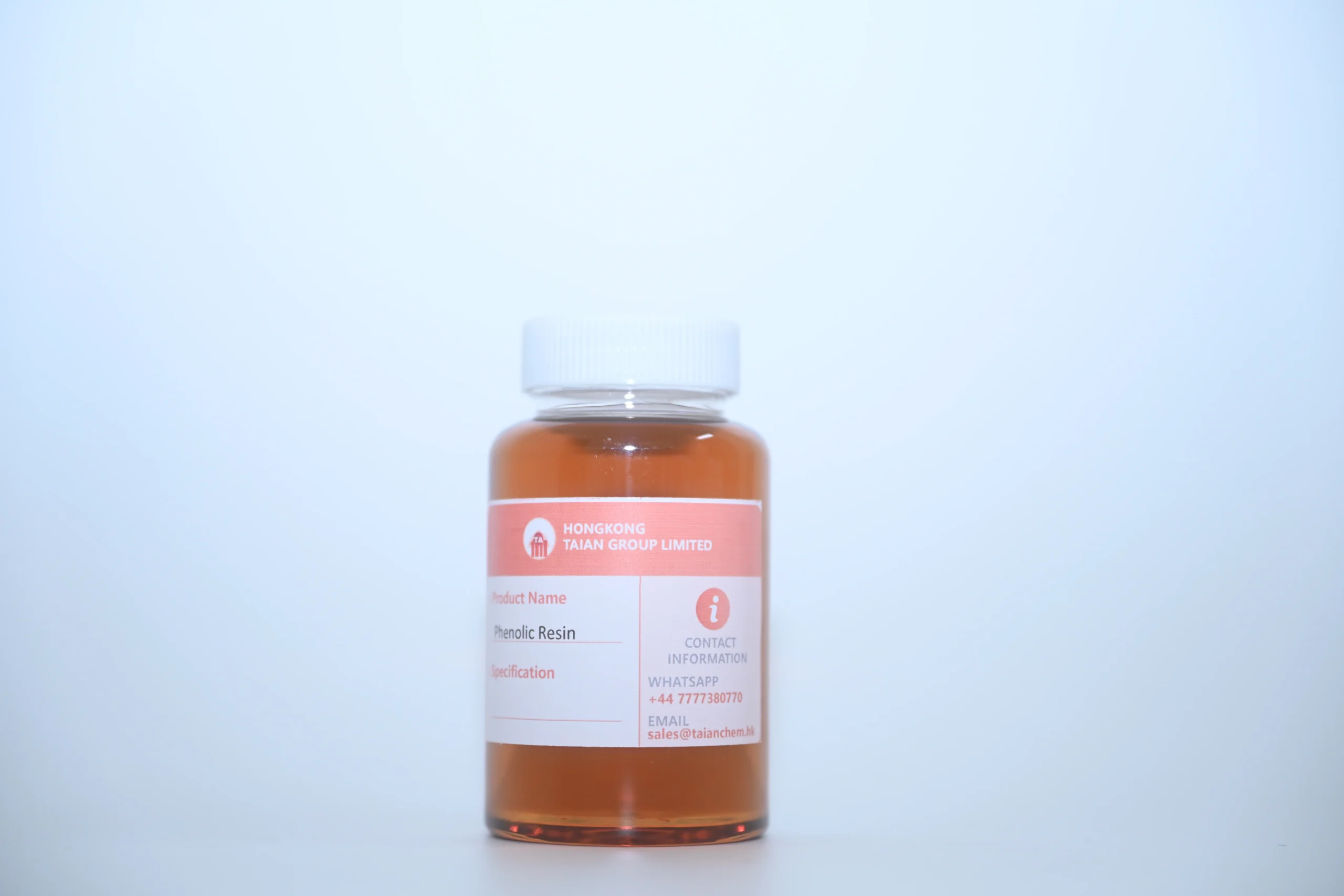
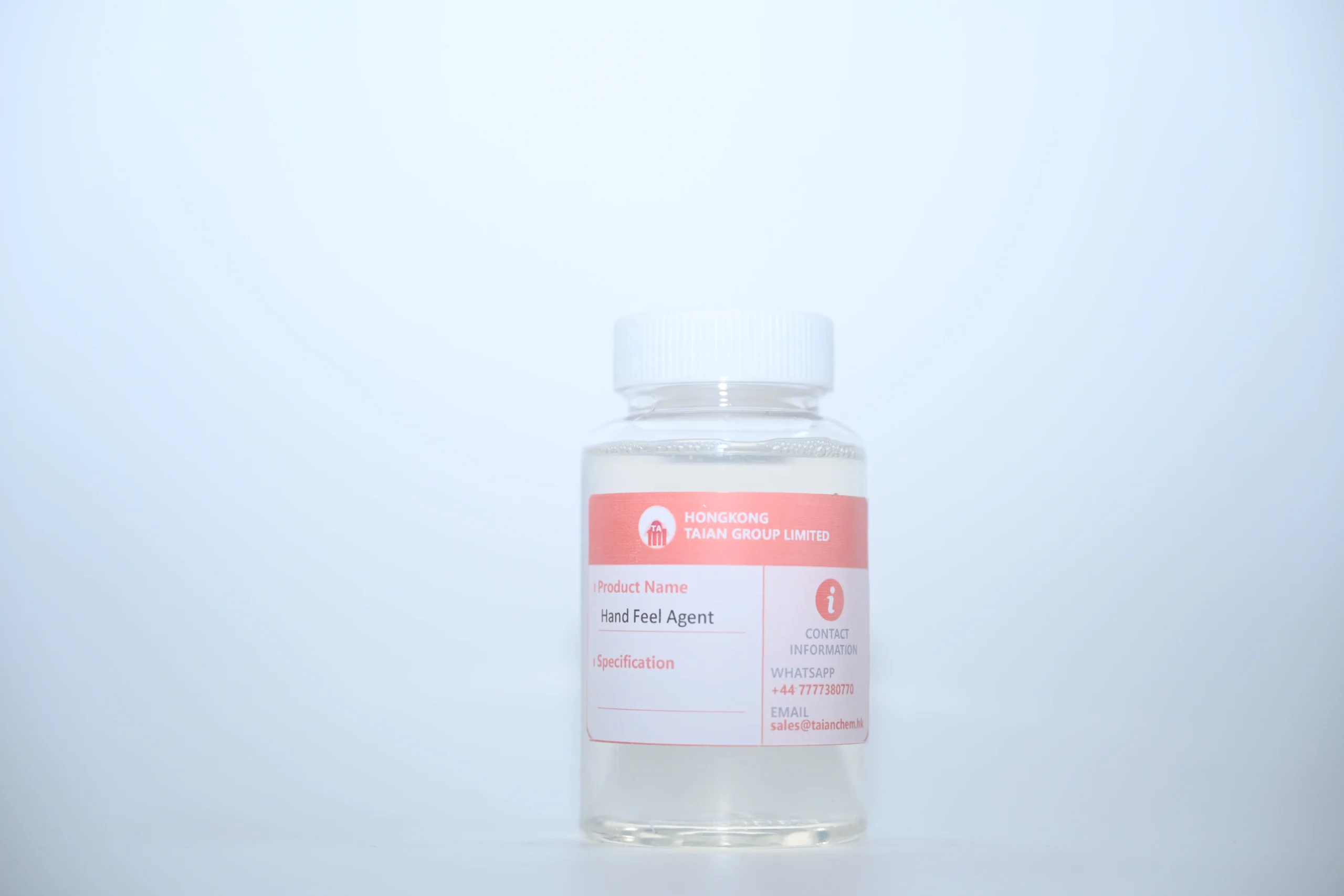
Complete Product Portfolio for Singapore Market

A comprehensive range of chemical agents designed for efficiency, sustainability, and superior finish.

Frequently Asked Questions for Singapore Textiles

Expert answers to common technical challenges in textile chemical application.

How to choose the right penetrating agent for synthetic blends in humid climates?

For humid environments, select agents with low volatility and high HLB (Hydrophilic-Lipophilic Balance) to ensure deep, uniform penetration into synthetic fibers without leaving residues.

What is the impact of oxidizing agent reducing agent balance on fabric strength?

An imbalance can lead to over-oxidation, causing fiber brittleness. Using buffered systems ensures that the redox potential remains stable, preserving the tensile strength of the textile.

Can dye auxiliaries improve the color fastness of sulfur black?

Yes, specific fixing agents and post-treatment auxiliaries can significantly reduce the rubbing and washing fastness issues typically associated with sulfur dyes.

Are these textile auxiliaries chemicals compliant with Singapore's environmental laws?

Our products are formulated to meet international ZDHC and REACH standards, ensuring they are compatible with the strict discharge limits set by Singapore's PUB and NEA.

How does temperature affect the performance of penetrating agents?

Higher temperatures generally increase the rate of penetration, but excessive heat can cause certain agents to degrade. We recommend temperature-stable formulas for high-heat dyeing cycles.

What is the best way to store sulfur black chemicals in tropical weather?

Store in a cool, dry, and well-ventilated warehouse. Use moisture-proof packaging and avoid direct sunlight to prevent premature oxidation of the chemical components.

Ready to Optimize Your Textile Process?

Our technical experts are available to provide custom formulations and on-site support for manufacturers in Singapore.

Contact Us Now

If you are interested in our products, you can choose to leave your information here, and we will be in touch with you shortly.