High-Performance dye auxiliaries Solutions for Laos Textile Industry

Optimizing fabric processing with advanced chemical engineering tailored for the Southeast Asian climate and production standards.

High-Performance dye auxiliaries Solutions for Laos Textile Industry

Empowering Laotian textile mills with professional-grade textile auxiliaries chemicals to ensure color consistency, durability, and cost-efficiency in garment manufacturing.

The Current State of Textile Chemical Application in Laos

Analyzing the operational challenges and opportunities within the Laotian dyeing sector.

The textile industry in Laos is currently undergoing a transition from artisanal production to industrial-scale manufacturing. However, the humid tropical climate of the region often complicates the stability of textile auxiliaries chemicals, requiring formulations that are resistant to moisture-induced degradation during storage and application.

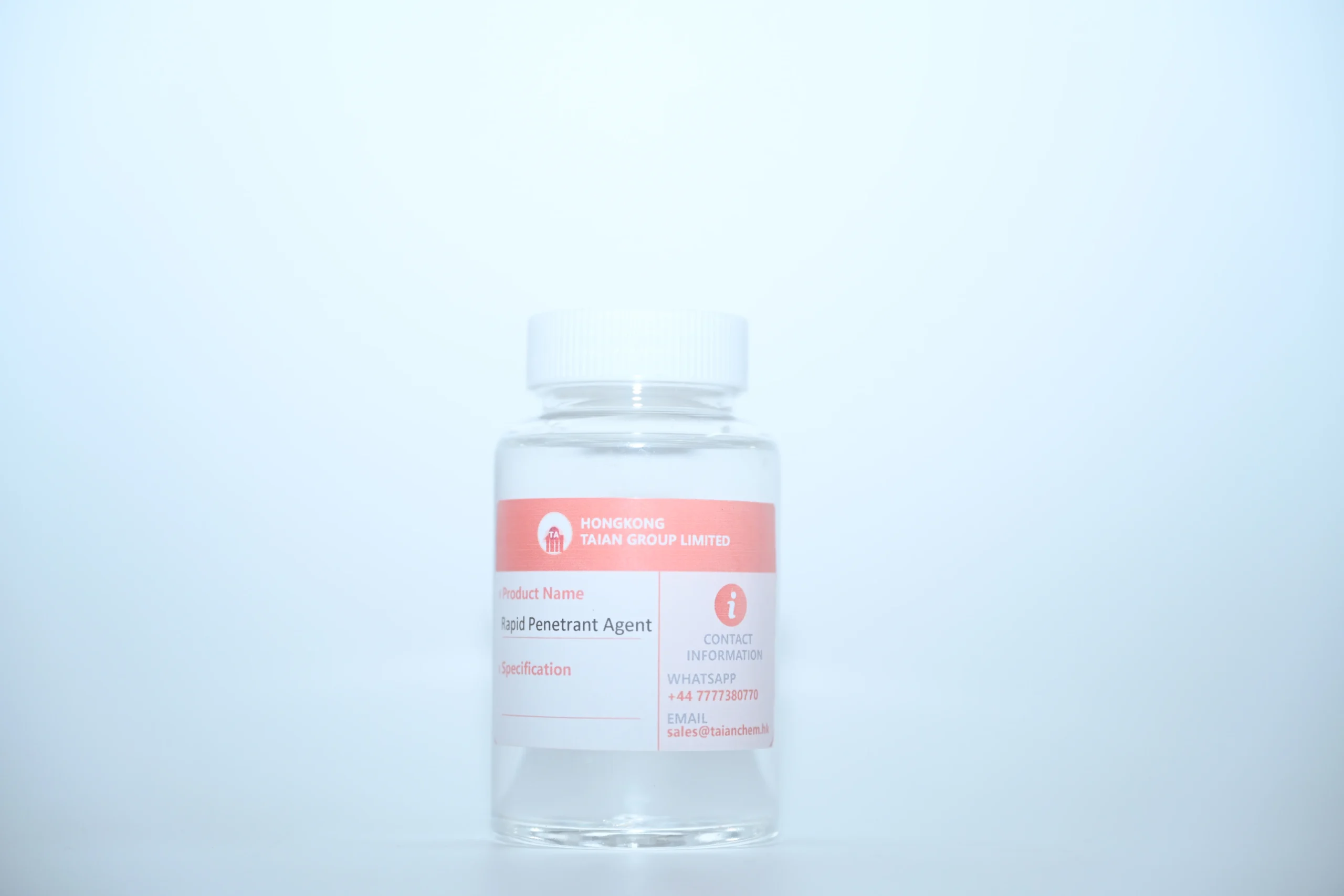
Many local factories still rely on traditional dyeing methods, where the use of a high-quality penetrating agent is often overlooked, leading to uneven dye uptake and significant wastage of expensive dyes. This gap in technical application limits the competitiveness of Laotian exports in the global fashion market.

Furthermore, there is a growing demand for specialized chemicals like sulfur black for heavy-duty denim and cotton fabrics, as the local garment sector expands its capacity to serve international brands requiring strict shade reproducibility and fastness.
Evolution and Trajectory of Dyeing Technology in Laos

From manual batches to automated chemical precision.

Market Development History

Between 2000 and 2010, the Laotian textile sector primarily focused on traditional weaving, utilizing basic salts and alkaline agents. The chemistry was rudimentary, with little focus on specialized dye auxiliaries, resulting in inconsistent batch quality.

From 2011 to 2020, the introduction of foreign investment led to the adoption of synthetic dyes. This era saw the first significant integration of oxidizing agent reducing agent systems to manage the complex reduction-oxidation cycles required for vat and sulfur dyes.

Since 2021, the focus has shifted toward "Green Chemistry." Local manufacturers are now upgrading to biodegradable agents to meet the environmental regulations imposed by EU and US buyers, emphasizing the need for eco-friendly chemical auxiliaries.

Future Development Trends

Precision Chemical Dosing

Moving away from manual mixing toward automated dispensing systems that optimize the ratio of chemicals to water, reducing the waste of penetrating agent and dyes.

Low-Temperature Processing

Developing auxiliaries that allow dyeing at lower temperatures to reduce energy costs, a critical factor given the energy infrastructure challenges in rural Laos.

Bio-based Synthetic Auxiliaries

Increasing search trends indicate a move toward plant-derived surfactants that replace petroleum-based chemicals without sacrificing performance in sulfur dyeing processes.

Industry Trends and Future Outlook for Laos

Strategic foresight into the chemical requirements of the next generation of textiles.

Eco-Friendly Certification
Rapid adoption of ZDHC and OEKO-TEX standards in Laotian factories to secure export contracts.
Water Recovery Systems
Integration of chemicals that facilitate easier wastewater treatment and water recycling.
Digital Color Matching
Using AI-driven software to calculate the exact amount of oxidizing agent reducing agent needed.
Synthetic Fiber Growth
Expanding auxiliary ranges to support polyester and blended fabrics common in sportswear.

Industry Outlook

Over the next 3-5 years, Google search data suggests a significant spike in "sustainable textile chemicals" within Southeast Asia. Laos is expected to pivot toward a circular economy where the chemicals used in the dyeing process are designed for zero-discharge targets.

The integration of high-efficiency sulfur black processing will remain vital, but the focus will shift from sheer volume to the precision of the chemical reaction, reducing the environmental footprint of the dyeing effluent.

Localized Application Scenarios in Laos

Practical implementation of textile chemicals in local production environments.

01. High-Humidity Cotton Pre-treatment

Applying a specialized penetrating agent to raw cotton fabrics in Vientiane mills to ensure uniform wetting despite varying ambient humidity levels.

02. Industrial Denim Sulfur Dyeing

Utilizing premium sulfur black in large-scale denim production to achieve deep, consistent shades that meet international export standards.

03. Precise Color Reduction Cycles

Implementing a balanced oxidizing agent reducing agent system to manage the reduction of vat dyes for traditional Laotian silk blends.

04. High-Efficiency Dye Fixation

Using advanced dye auxiliaries to improve the wash-fastness of bright colors on synthetic fabrics used in local apparel manufacturing.

05. Wastewater Neutralization

Applying specific chemical agents to neutralize the pH of effluent after the use of strong alkalis in the dyeing process, protecting the Mekong river basin.

Brand Story

Global Development History of Shijiazhuang Taikun Chemical Co., Ltd.

Foundation and Local Focus

Established as a specialist in the heart of China's chemical hub, focusing on the purity and stability of core textile auxiliaries.

Technical Innovation Phase

Developed proprietary formulations for dye auxiliaries that reduced water consumption by 20% during the dyeing cycle.

Global Market Expansion

Expanding into Southeast Asia, specifically Laos, providing technical support and customized chemical blends for local mills.

Sustainability Commitment

Pivoting toward green chemistry to solve the pain point of toxic effluent in the textile industry.

Industry Leadership

Becoming a trusted partner for Laotian manufacturers seeking a bridge between traditional craft and industrial efficiency.

Complete Chemical Portfolio for the Laos Market

A comprehensive range of chemicals designed to optimize every stage of the textile production process.

Frequently Asked Questions for Laotian Textile Producers

Expert answers to common technical challenges in textile chemical application.

How to improve dye penetration in high-humidity Laos environments?

Using a high-performance penetrating agent during the pre-treatment phase ensures that the fabric is uniformly wetted, preventing "spotting" caused by humidity-induced surface tension.

What is the best way to manage sulfur black reduction?

For sulfur black, it is critical to maintain a precise concentration of the reducing agent to ensure the dye is fully soluble before application, followed by controlled oxidation.

Can dye auxiliaries reduce water consumption in small mills?

Yes, modern dye auxiliaries are designed to increase dye exhaustion rates, meaning more dye stays on the fabric and less is washed away, reducing water usage.

How do oxidizing agent reducing agent systems affect fabric strength?

If not balanced, excessive use of these agents can degrade cellulose fibers. We provide buffered systems that maintain the necessary redox potential without compromising textile integrity.

Which textile auxiliaries chemicals are best for silk-cotton blends?

Blends require a combination of anionic and non-ionic agents to ensure that both the protein and cellulose fibers absorb the dye at the same rate for a uniform finish.

Are these chemicals compatible with local Laotian water hardness?

Our products include chelating agents specifically designed to counteract the mineral content found in local water sources, ensuring consistent chemical reactions.

Partner with the Textile Experts

Ready to upgrade your production efficiency in Laos? Contact our technical team for a customized chemical audit.

Contact Us Now

If you are interested in our products, you can choose to leave your information here, and we will be in touch with you shortly.