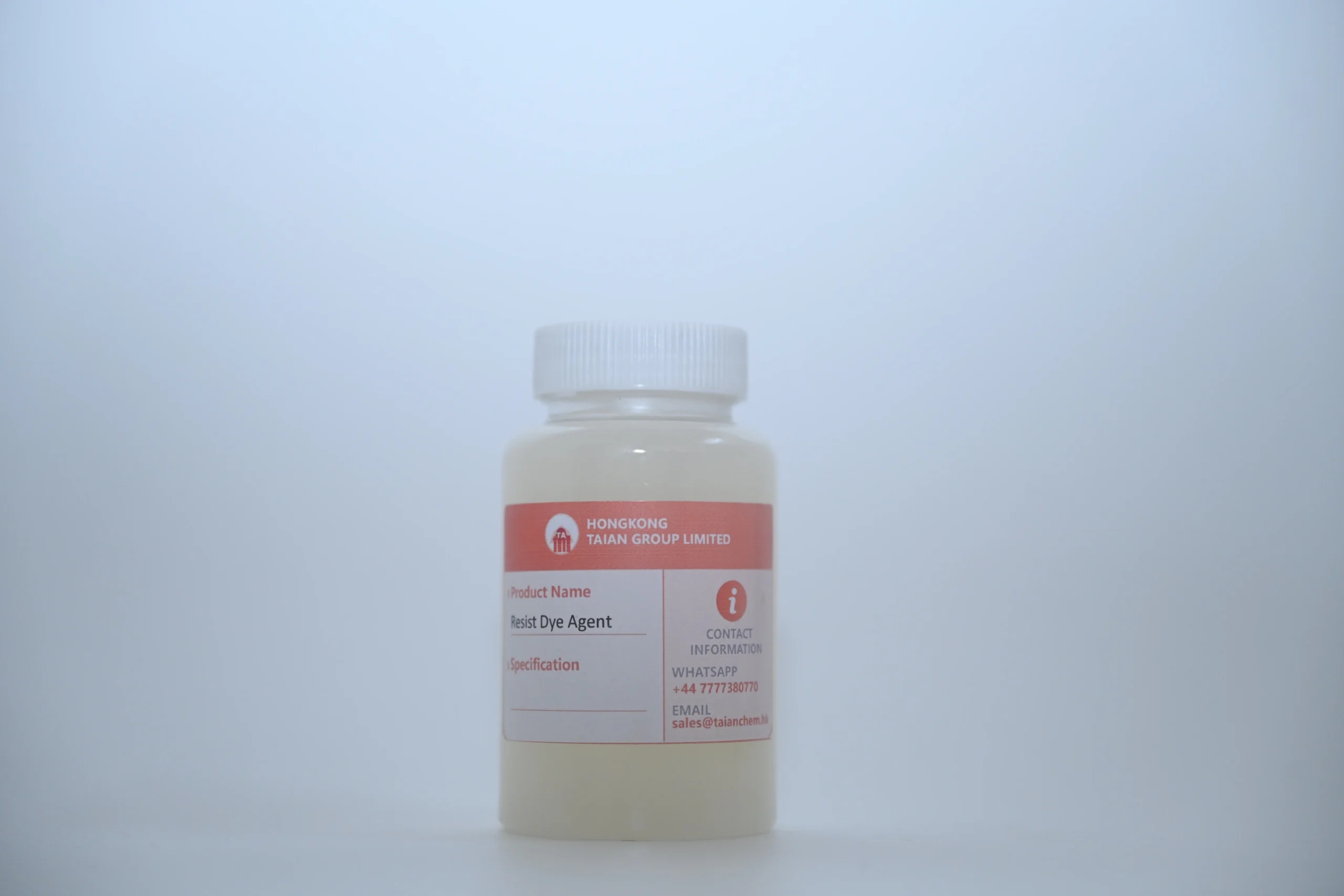
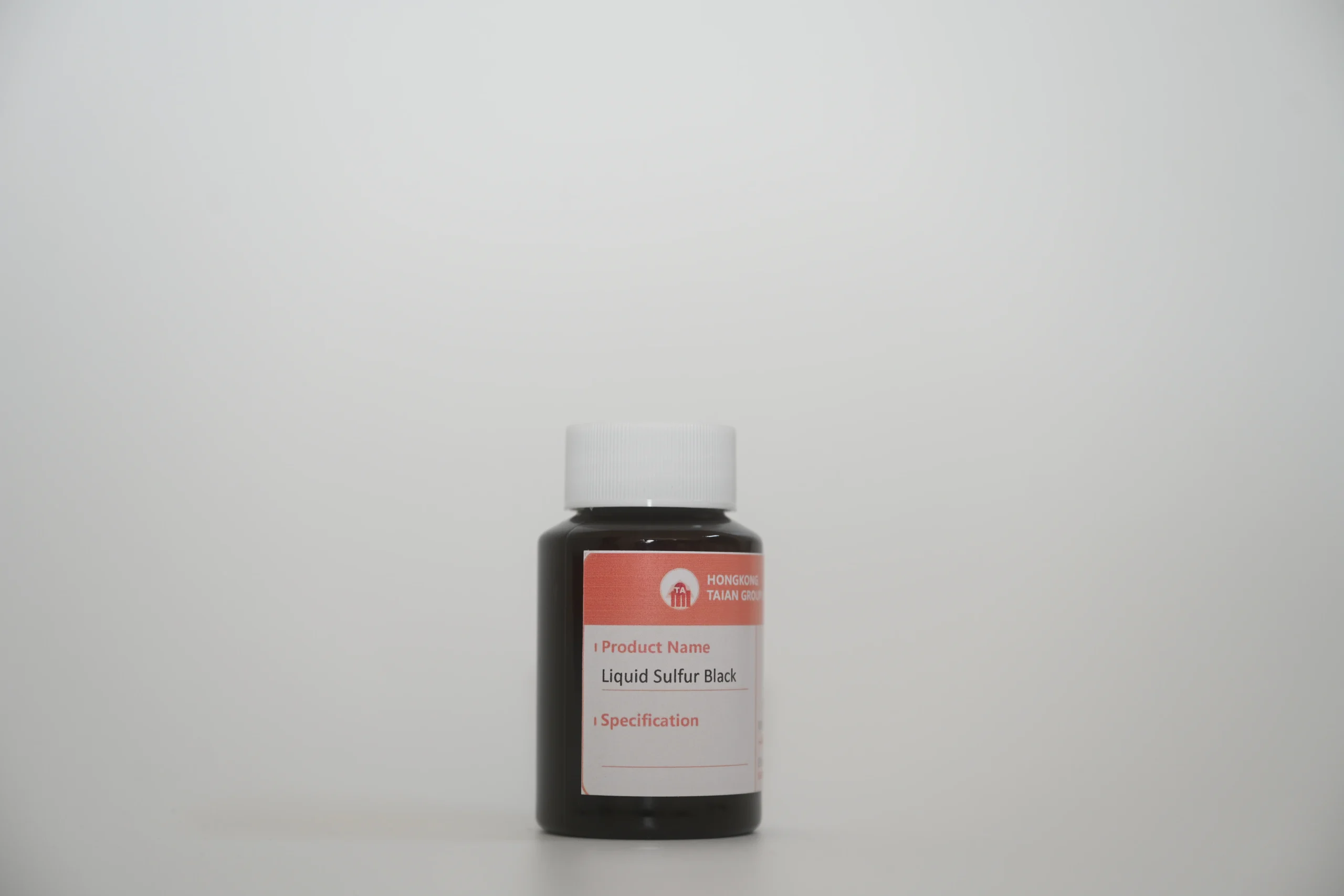
High-Performance dye auxiliaries Solutions for Central African Republic

Optimizing textile processing efficiency in Bangui and beyond with advanced chemical engineering tailored for the Central African climate.

High-Performance dye auxiliaries Solutions for Central African Republic

Empowering the Central African Republic's textile sector with premium textile auxiliaries chemicals to ensure color consistency and fabric durability under tropical humidity.

Current State of Textile Chemistry in Central African Republic

Analyzing the intersection of industrial chemistry and regional environmental challenges.

The textile industry in the Central African Republic currently faces significant hurdles due to extreme humidity and fluctuating water quality. Local manufacturers rely heavily on imported textile auxiliaries chemicals, but often struggle with stability issues during storage and transport in high-temperature zones.

Specifically, the application of sulfur black remains a cornerstone for local garment production due to its cost-effectiveness, yet the lack of precise oxidizing agent reducing agent systems often leads to uneven dyeing and poor color fastness.

Furthermore, the penetration of dyes into raw cotton fibers is frequently hampered by high mineral content in local water sources, increasing the urgent demand for a high-efficiency penetrating agent to ensure uniform absorption and reduce waste.
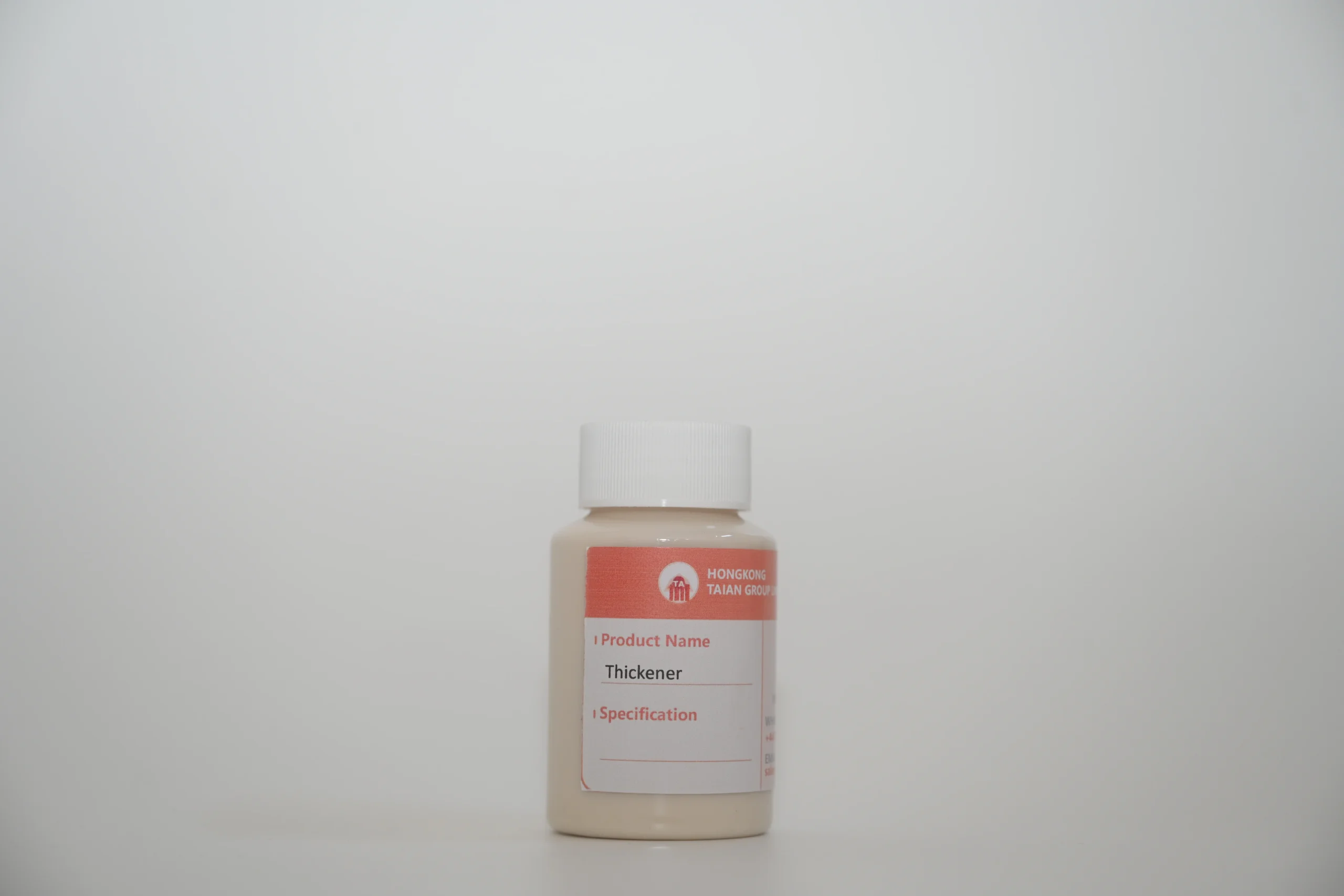
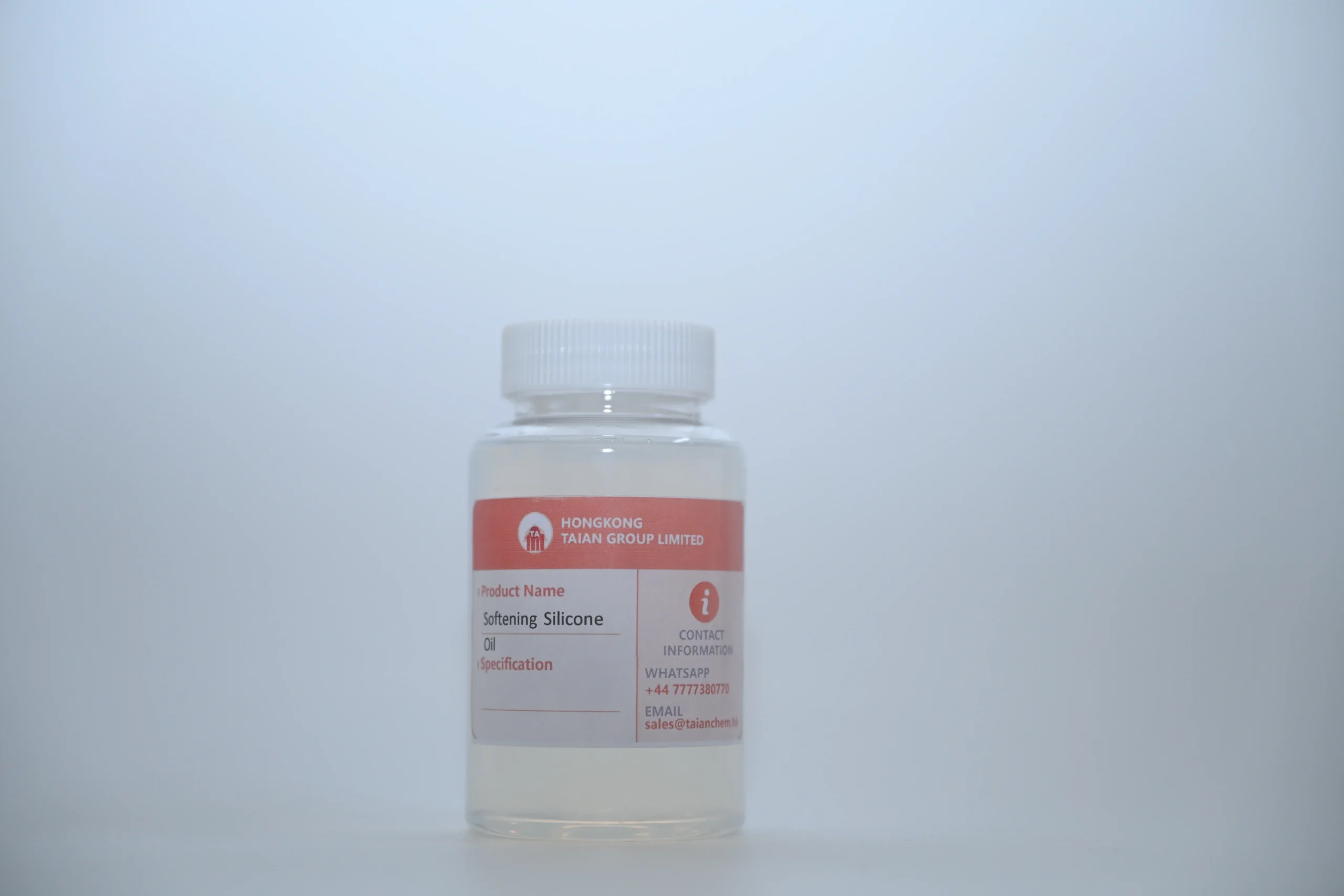
Evolution of Dyeing Technology in Central Africa

From traditional artisanal methods to precision chemical processing.

Market Development History

Prior to 2010, the regional market was dominated by basic artisanal dyeing using raw salts and organic binders, lacking standardized dye auxiliaries, which resulted in low reproducibility.

Between 2010 and 2020, there was a shift toward industrialization with the introduction of synthetic textile auxiliaries chemicals, allowing local mills to scale production and standardize the use of sulfur black for commercial uniforms.

Since 2021, the focus has shifted toward "Precision Chemistry," where the integration of specific oxidizing agent reducing agent ratios has become critical to meet international export quality standards.

Future Development Trends

Eco-Friendly Wet Processing

Moving toward biodegradable surfactants to protect the Ubangi River basin, replacing traditional harsh chemicals with green alternatives.

Automated Dosage Systems

Transitioning from manual mixing to automated dispensing of penetrating agent to minimize human error and chemical waste.

Low-Temperature Dyeing

Developing catalysts that allow dyeing at lower temperatures to reduce energy costs in electricity-scarce industrial zones.

Industrial Trends and Future Outlook

Strategic foresight for the chemical textile landscape in CAR.

Sustainable Chemistry
Adopting ZDHC standards to eliminate hazardous substances from the textile value chain.
Water-Saving Tech
Implementing low-liquor ratio dyeing processes to conserve precious freshwater resources.
Digital Formulation
Using cloud-based software to calculate exact chemical dosages for different fabric weights.
Rapid Dyeing Cycles
Reducing processing time through hyper-active catalysts and stabilizers.

Industry Outlook

Based on emerging Google search trends for "sustainable textile chemicals" in Africa, we anticipate a 25% increase in demand for organic-certified dye auxiliaries over the next 3 years.

The integration of local raw materials with advanced chemical synthesis will likely define the next era of manufacturing in Central African Republic, shifting the reliance from imports to regional hubs.

Localized Application Scenarios in Central African Republic

Practical solutions for regional textile challenges.

01. Tropical Cotton Pre-treatment

Applying a specialized penetrating agent to raw cotton harvested in the savannah regions to overcome natural wax barriers and ensure deep dye penetration.

02. Commercial Uniform Dyeing

Utilizing high-purity sulfur black for the production of durable workwear, ensuring deep black shades that resist fading under intense equatorial sunlight.

03. Color Correction in Small-Scale Mills

Implementing a balanced oxidizing agent reducing agent system to fix streaks and patches in manually dyed fabrics common in Bangui markets.

04. High-Humidity Fabric Finishing

Using advanced dye auxiliaries to prevent dye migration and bleeding during the drying process in high-humidity weather.

05. Export-Grade Quality Control

Integrating a full suite of textile auxiliaries chemicals to ensure that locally produced fabrics meet the stringent chemical residue standards of European markets.

Brand Story

Global Development Journey of Shijiazhuang Taikun Chemical Co., Ltd.

Foundational Excellence

Established as a specialist in textile chemistry, focusing on solving the core instability of industrial dyes.

Technical Innovation

Developed proprietary formulations for sulfur-based dyes, revolutionizing the consistency of deep blacks.

Global Market Expansion

Expanded operations to Africa, tailoring chemical solutions for regional environmental conditions.

Sustainability Pivot

Integrated eco-friendly catalysts into our textile auxiliaries chemicals line to reduce water pollution.

Industry Leadership

Now a trusted partner for textile mills worldwide, bridging the gap between lab research and industrial application.

Complete Chemical Portfolio for Central African Republic

A comprehensive range of auxiliaries designed for maximum efficiency in African textile plants.

Common Questions in Central African Republic Textile Industry

Expert answers to regional technical challenges.

How to improve sulfur black fastness in humid climates?

Using a precise oxidizing agent reducing agent balance during the fixing stage prevents the dye from reverting, ensuring long-lasting color in high humidity.

Which penetrating agent works best for hard water in Bangui?

Our chelating-enhanced penetrating agent is specifically designed to neutralize calcium and magnesium ions, allowing dyes to penetrate fibers uniformly.

Can these textile auxiliaries chemicals be stored at 40°C?

Yes, our formulations are thermally stabilized to ensure no phase separation or activity loss when stored in Central African Republic's typical warehouse temperatures.

How to reduce water consumption using dye auxiliaries?

By using high-concentration dye auxiliaries, you can reduce the liquor ratio, significantly cutting the amount of water needed per kg of fabric.

What is the correct ratio for oxidizing agent reducing agent?

The ratio depends on the fabric weight and dye concentration; however, our technical team provides a localized chart specifically for the CAR textile environment.

Are your sulfur black chemicals compliant with export standards?

Absolutely. Our sulfur black and associated auxiliaries are formulated to meet Oeko-Tex and REACH standards for global trade.

Ready to Optimize Your Production?

Contact our technical engineers today for a customized chemical audit for your facility in Africa - Central African Republic.

Contact Us Now

If you are interested in our products, you can choose to leave your information here, and we will be in touch with you shortly.