Kenya's textile industry, centered around Nairobi and Thika, faces unique challenges due to varying water mineral content. The widespread use of penetrating agent solutions is critical here to ensure that dyes penetrate deeply into the fiber, overcoming the surface tension caused by local water impurities.
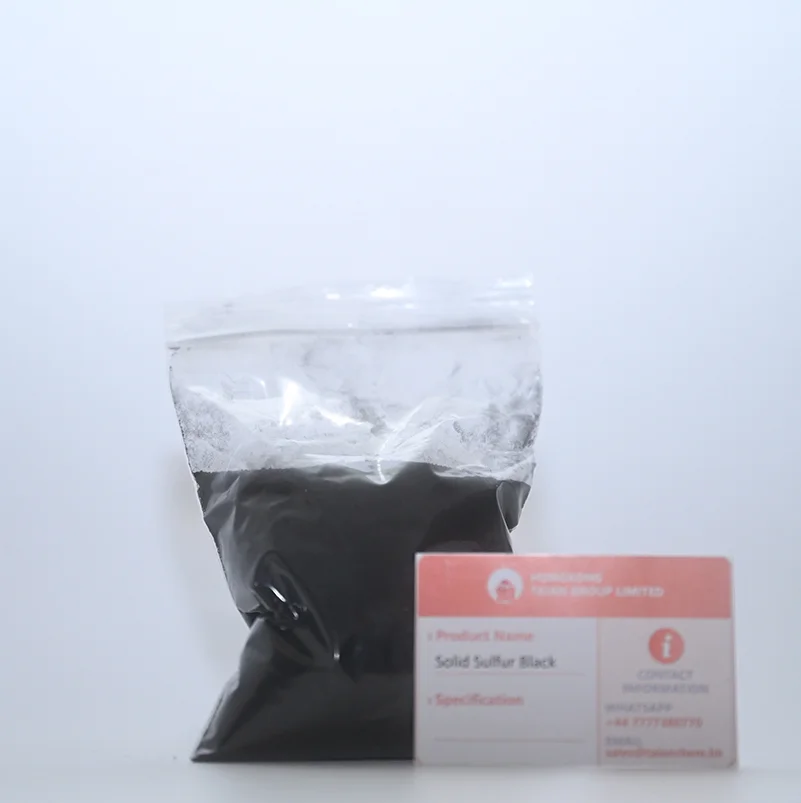
Economic shifts toward "Made in Kenya" initiatives have increased the demand for cost-effective yet durable dyes. Specifically, the application of sulfur black remains a staple for the local denim and heavy cotton markets, requiring precise chemical stabilization to prevent bleeding and ensure shade consistency.
Current production environments are transitioning toward more sustainable practices. However, the reliance on traditional textile auxiliaries chemicals remains high, as manufacturers balance the need for rapid output with the emerging requirements for effluent treatment and environmental compliance.