Advanced dye auxiliaries Solutions for Ghana's Textile Industry

Optimizing fabric processing with high-performance chemical agents tailored for the West African climate and industrial requirements.

Advanced dye auxiliaries Solutions for Ghana's Textile Industry

We provide a comprehensive suite of textile chemicals designed to enhance color yield, fabric strength, and processing efficiency for Ghanaian manufacturers.

The Current State of Textile Chemistry in Ghana

Analyzing the operational challenges and chemical dependencies of the Ghanaian textile sector.

The textile industry in Ghana operates under unique environmental pressures, where high humidity and tropical temperatures significantly affect the stability of textile auxiliaries chemicals. Many local factories rely on traditional dyeing methods that require robust chemical stability to prevent uneven shading and dye migration.

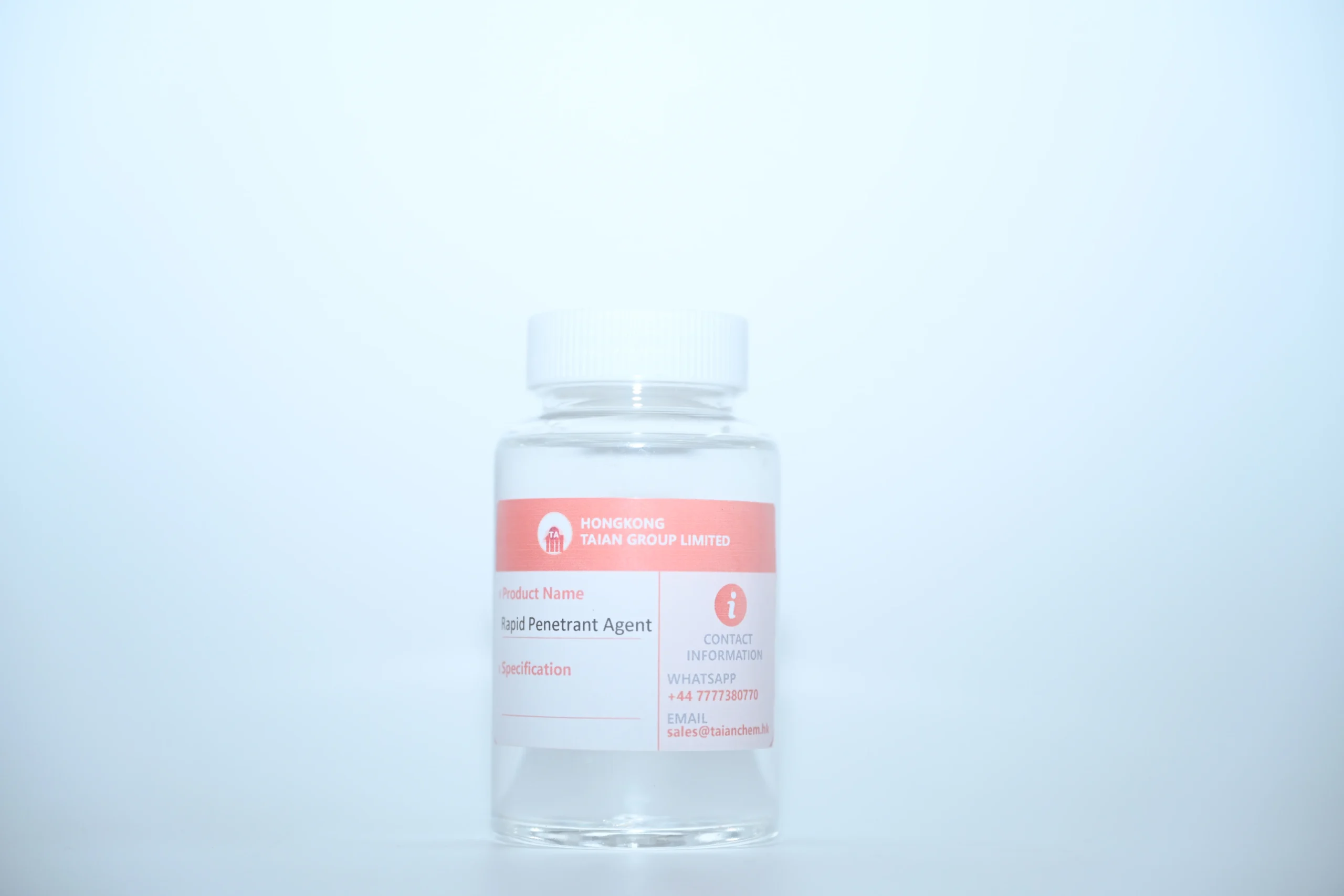
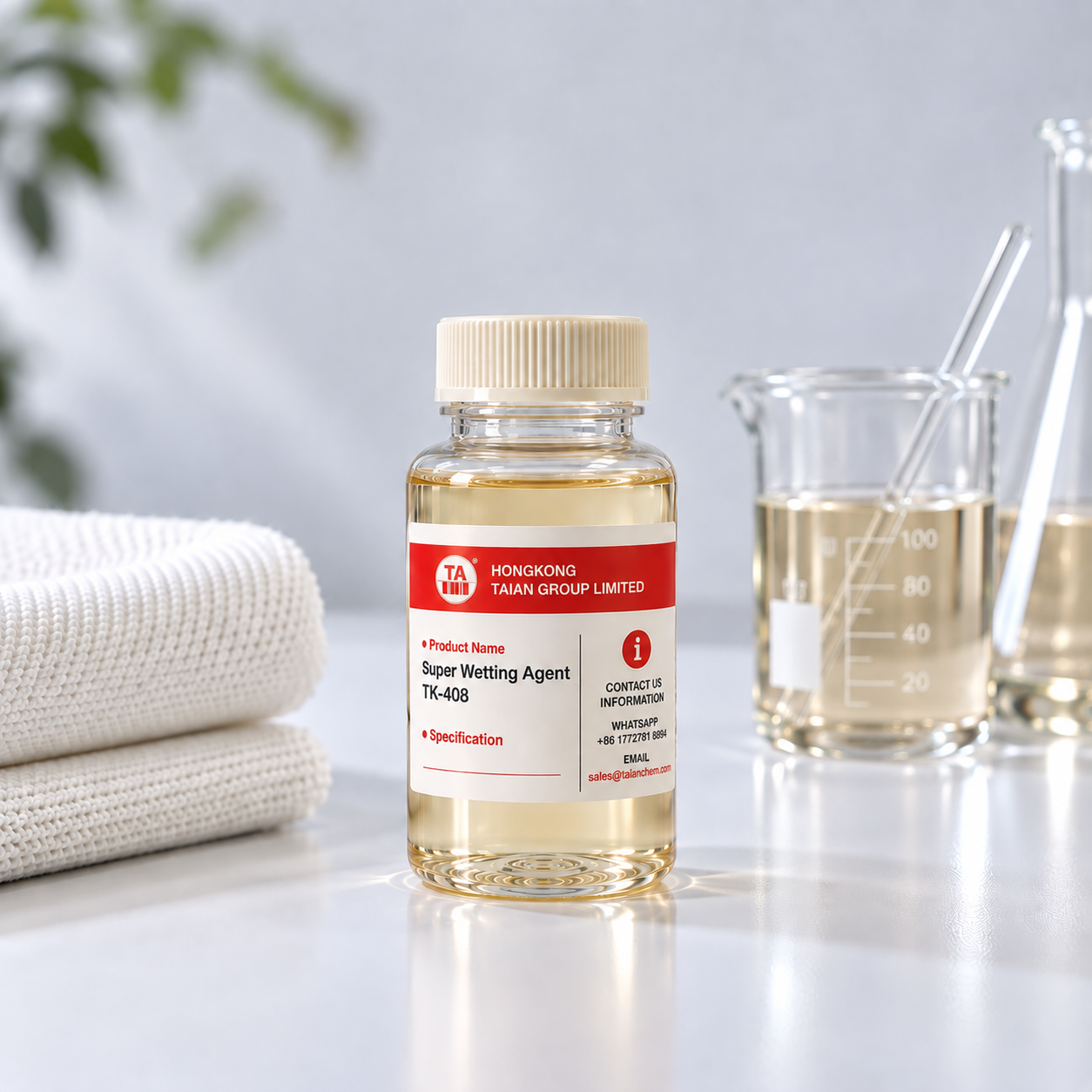
A critical challenge for local producers is the hard water content in several industrial zones, which necessitates the use of high-efficiency penetrating agent products to ensure deep and uniform dye penetration into cotton and blended fabrics, especially for traditional Kente and wax print styles.

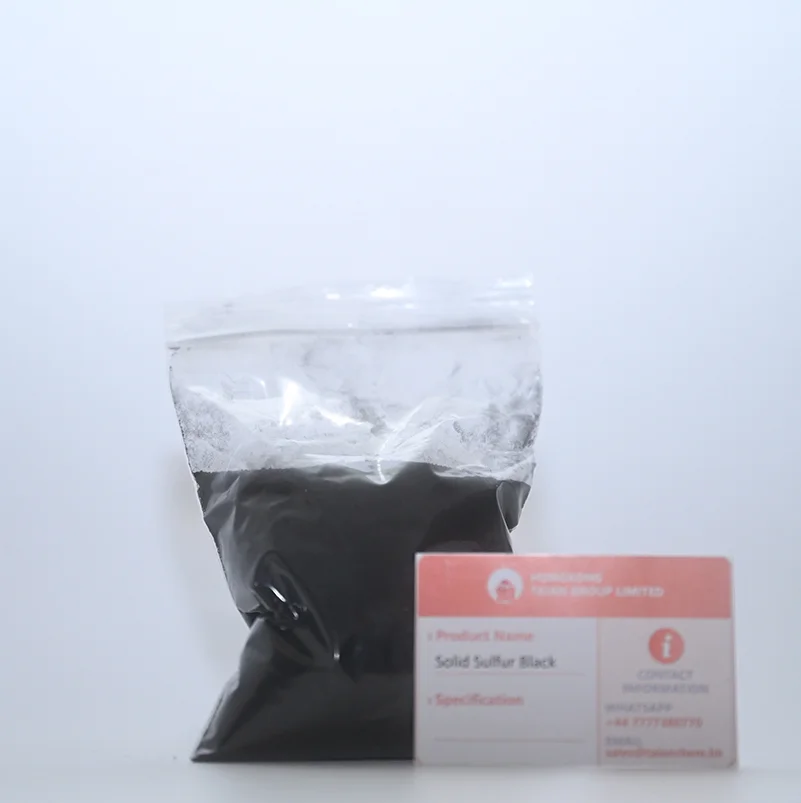
Furthermore, the demand for deep, durable blacks has led to a heavy reliance on sulfur black, yet many plants struggle with the subsequent reduction and oxidation processes required to achieve a clean, non-rubbing finish.
Evolution and Technical Trajectory of Textile Chemicals

From basic dyeing agents to precision-engineered molecular auxiliaries.

Market Development History

In the early 1990s, Ghana's textile sector primarily utilized basic salts and soaps for dyeing, with limited control over the chemical kinetics of the dye bath, leading to high water waste and inconsistent quality.

Between 2000 and 2015, there was a shift toward specialized oxidizing agent reducing agent systems, allowing for better control over sulfur dyes and vat dyes, which improved the colorfastness of industrial garments.

From 2016 to the present, the focus has moved toward "Green Chemistry," integrating biodegradable surfactants and low-temperature auxiliaries to reduce the carbon footprint of the dyeing process in Accra and Kumasi.

Future Development Trends

Bio-Based Surfactants

Moving away from petroleum-based chemistry toward plant-derived agents to meet international export standards for sustainable textiles.

Digital Dyeing Auxiliaries

Development of chemicals specifically optimized for inkjet textile printing to support the growing digital fashion movement in West Africa.

Waterless Processing Agents

Implementation of anhydrous chemical carriers to drastically reduce the water consumption in the pre-treatment phase.

Industrial Trends and Future Outlook

Strategic foresight into the chemical requirements of the African textile market.

Eco-Friendly Regulation
Increasing adoption of ZDHC (Zero Discharge of Hazardous Chemicals) standards across Ghanaian textile hubs.
Energy Efficiency
Transitioning to low-temperature dyeing auxiliaries to reduce electricity costs in local factories.
Automation Synergy
Chemicals designed for automated dosing systems to minimize human error and waste.
Fiber Versatility
Expanding auxiliaries for recycled polyester and organic cotton blends.

Industry Outlook

Based on Google Search trends for "sustainable textile chemicals in Africa," there is a clear pivot toward biodegradable agents. We expect that within 3-5 years, the Ghanaian market will shift from bulk commodity chemicals to precision-engineered formulations.

The integration of advanced oxidizing agent reducing agent technologies will become standard to ensure compliance with global environmental treaties while maintaining the vibrant colors demanded by the local fashion market.

Localized Application Scenarios in Ghana

Practical implementation of textile auxiliaries across diverse Ghanaian fabric types.

1. Wax Print Fabric Pre-treatment

Utilizing a specialized penetrating agent to remove sizing and impurities from high-density cotton, ensuring wax resists are applied uniformly without bleeding.

2. Industrial Sulfur Dyeing for Workwear

Applying high-stability sulfur black for the production of durable uniforms, ensuring deep penetration and high rubbing fastness.

3. Traditional Kente Weave Finishing

Implementing precision dye auxiliaries to maintain the vividness of multi-colored silk and cotton threads while preventing cross-contamination during washing.

4. Denim Processing in Urban Hubs

Using advanced oxidizing agent reducing agent sequences to create controlled fade effects and consistent indigo reductions for the youth fashion market in Accra.

5. Home Textile Mass Production

Deploying a complete range of textile auxiliaries chemicals to optimize the throughput of bedsheet and towel production for local hotels and hospitals.

Brand Story

Global Development Journey of Shijiazhuang Taikun Chemical Co., Ltd.

Foundational Excellence

Established with a focus on core chemical synthesis, we began by mastering the purity of textile agents to solve basic dyeing inconsistencies.

R&D Breakthroughs

We invested heavily in molecular engineering, creating high-efficiency auxiliaries that reduce water usage by 30%.

Global Expansion

Expanding our reach to West Africa, we tailored our formulas to suit the specific water profiles and climate of Ghana.

Sustainability Pivot

Transitioning our entire product line toward biodegradable and non-toxic alternatives to protect the global ecosystem.

Future Vision

Our mission is to empower every textile mill in Ghana with world-class chemical technology for sustainable growth.

Complete Product Portfolio for the Ghanaian Market

A curated selection of chemical agents designed for maximum efficiency in West African textile plants.

Ghana Textile Chemical FAQ

Expert answers to common technical queries from Ghanaian textile manufacturers.

How to optimize sulfur black dyeing in high-humidity environments?

In high humidity, stability is key. We recommend using our stabilized sulfur black alongside precision reducing agents to prevent oxidation during the dyeing cycle.

Which penetrating agent is best for hard water in Accra?

Our chelating-enhanced penetrating agents are specifically formulated to neutralize calcium and magnesium ions, ensuring uniform dye uptake even in hard water.

Can these textile auxiliaries chemicals be used for organic cotton?

Yes, we provide a GOTS-compliant range of auxiliaries that ensure no harmful residues remain on organic fibers.

How do I balance the oxidizing agent reducing agent ratio for vat dyes?

The ratio depends on the dye concentration and temperature. We provide a technical dosage chart tailored to the specific vat dye types used in Ghana.

What is the shelf life of dye auxiliaries in tropical climates?

Our products are formulated with stabilizers to ensure a shelf life of 12-24 months, provided they are stored in cool, dry warehouses.

Do you offer custom formulations for Kente fabric processing?

Yes, we can customize the concentration of our wetting and penetrating agents to suit the unique weave and yarn density of traditional Kente.

Get Expert Chemical Support

Our technical team is ready to optimize your production line in Ghana. Contact us for customized formulations and bulk pricing.

Contact Us Now

If you are interested in our products, you can choose to leave your information here, and we will be in touch with you shortly.