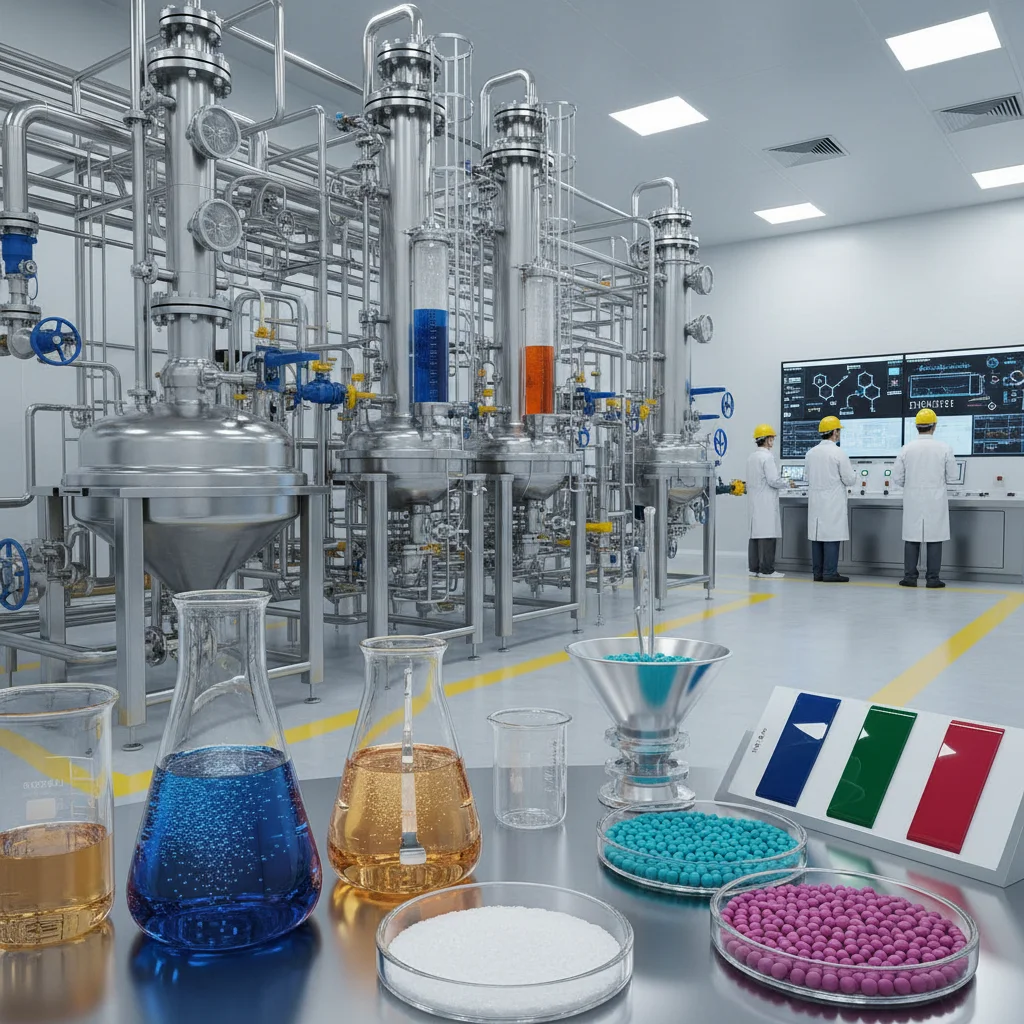
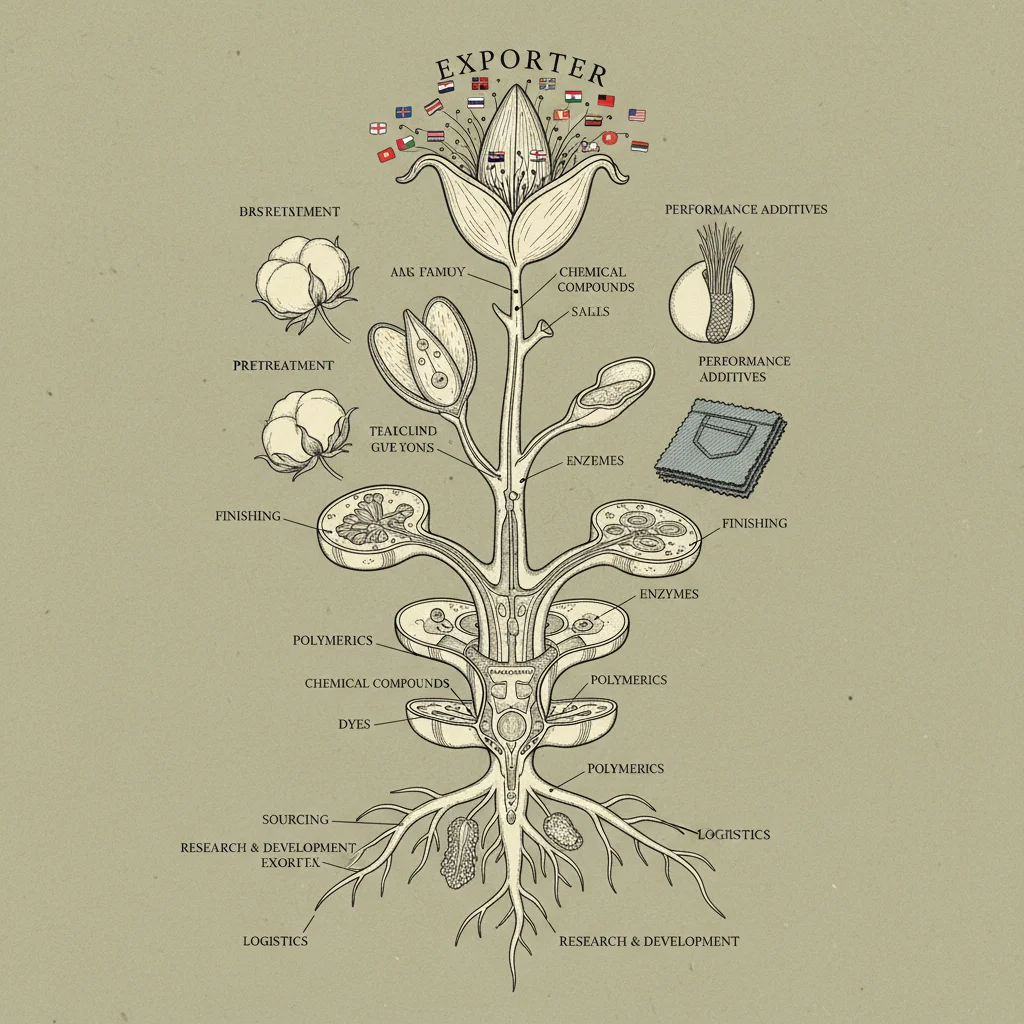
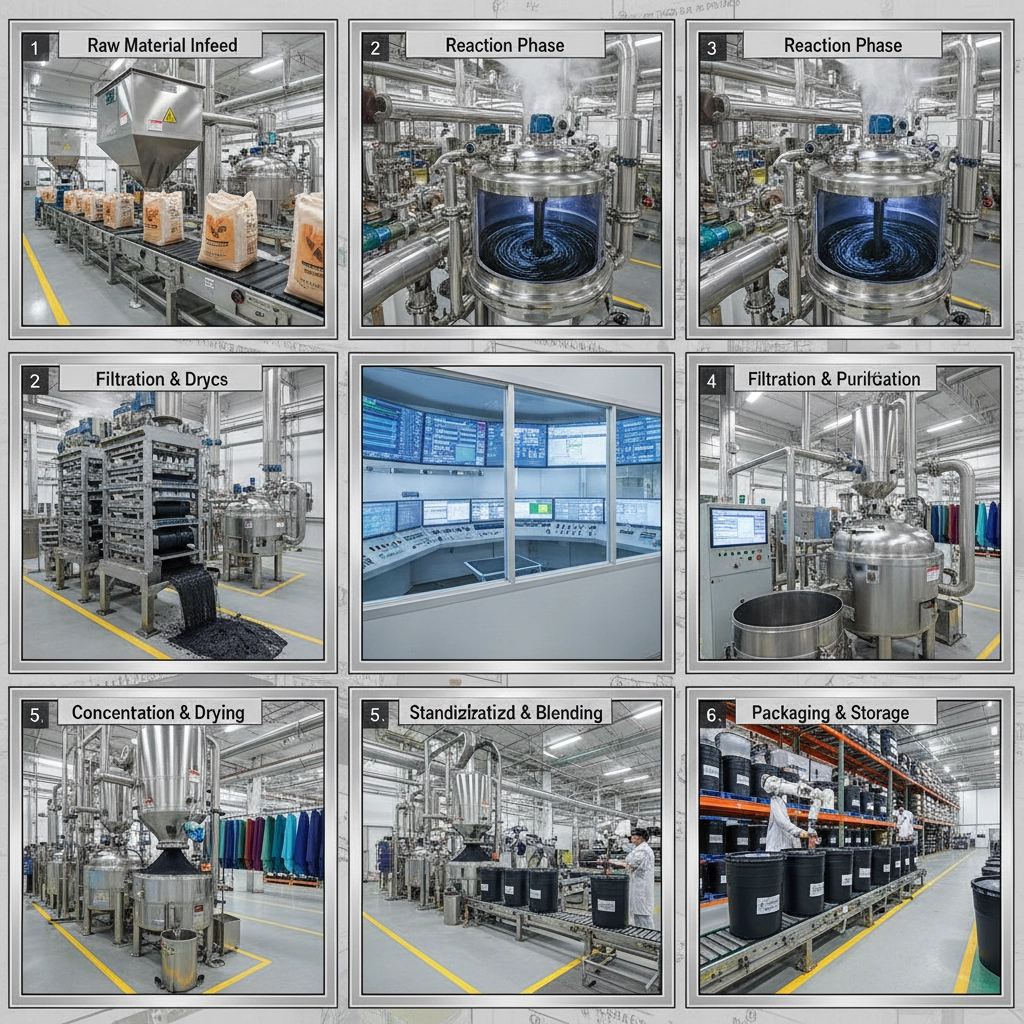
In the intricate world of textile chemistry, the mastery of reducing and oxidizing agents organic chemistry serves as the invisible backbone for high-quality fabric finishing and dyeing. From the precise bleaching of raw cotton to the complex reduction of vat dyes, these chemical reactions dictate the vibrance, durability, and feel of the textiles we use daily. Understanding these redox processes allows manufacturers to manipulate molecular structures, ensuring that colors bond permanently and impurities are removed without damaging the delicate organic fibers.
Globally, the demand for sustainable and efficient textile processing has pushed the study of reducing and oxidizing agents organic chemistry into a new era of innovation. As the industry shifts toward "Green Chemistry," the challenge lies in replacing harsh traditional chemicals with biodegradable alternatives that maintain high reactivity. The ability to control the oxidation state of organic molecules is not just a laboratory exercise; it is a commercial necessity that impacts the cost-efficiency and environmental footprint of the global garment supply chain.
By bridging the gap between theoretical organic chemistry and industrial application, textile specialists can optimize the use of auxiliaries in denim washing, leather processing, and printing. Whether it is achieving the perfect "stone-washed" look through controlled oxidation or ensuring the deep penetration of sulfur dyes via potent reducing agents, the synergy of these agents defines the quality of the final product. This guide explores the technical nuances and practical applications of these critical chemical drivers in the modern manufacturing landscape.
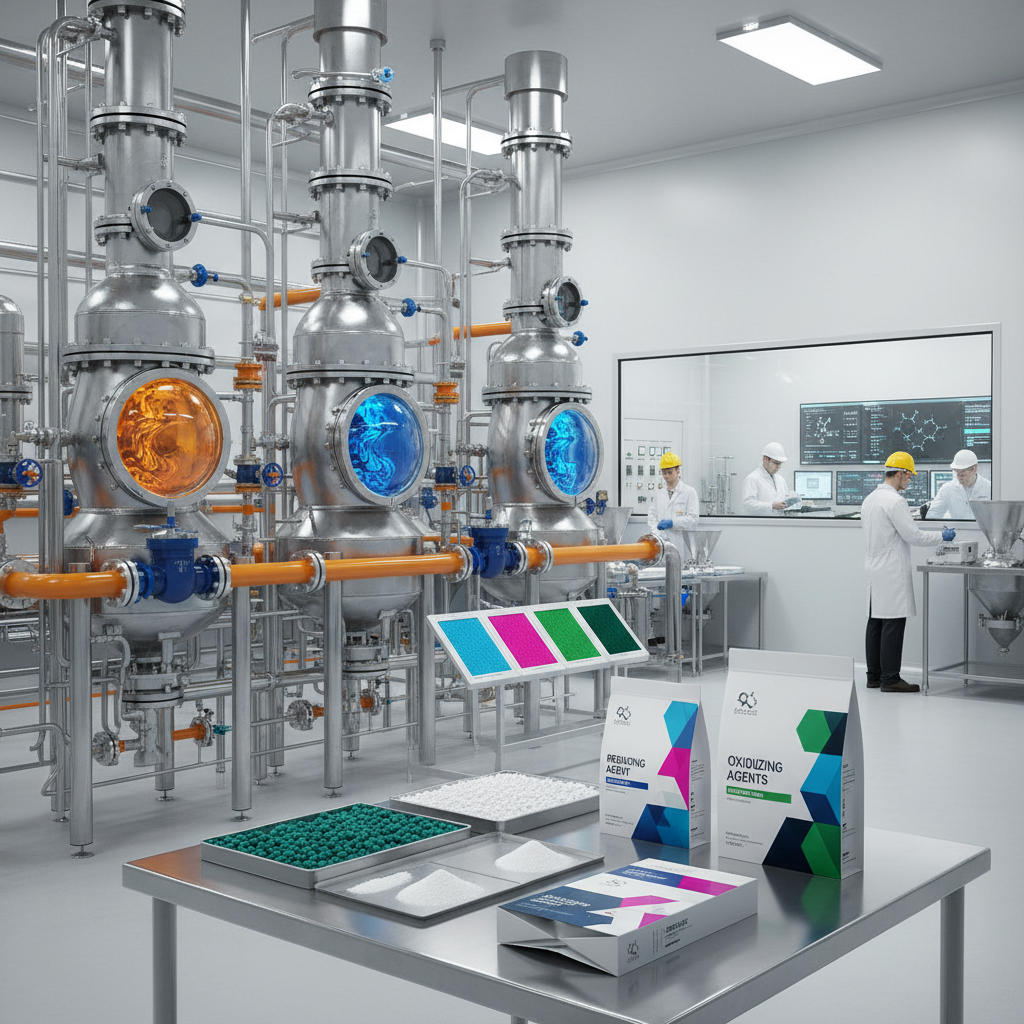
Fundamental Mechanisms of Redox Agents in Textiles
The core of reducing and oxidizing agents organic chemistry lies in the transfer of electrons between molecules. In the textile industry, reducing agents are frequently used to convert insoluble dyes into soluble "leuco" forms, allowing them to penetrate the fiber matrix before being oxidized back to their original insoluble state to lock in the color. This delicate dance of electrons is what enables the deep, wash-fast shades seen in high-quality denim and industrial uniforms.
Conversely, oxidizing agents are primarily utilized for bleaching and the removal of organic contaminants. By breaking the chemical bonds of chromophores in natural fibers, these agents create a clean, neutral canvas for subsequent dyeing processes. The challenge for the modern chemist is to balance the potency of these agents—too strong an oxidizer can degrade the cellulose structure of the fabric, while too weak a reducer will lead to uneven dyeing and "streaky" finishes.
Industrial Relevance and Global Market Impact
The global textile auxiliaries market is heavily influenced by the precision of reducing and oxidizing agents organic chemistry. According to ISO standards and industry benchmarks, the move toward zero-discharge of hazardous chemicals (ZDHC) has forced a massive overhaul in how redox agents are formulated. In major manufacturing hubs like Southeast Asia and India, the adoption of high-efficiency organic reducers has reduced water consumption by up to 20% in the dyeing phase by increasing dye uptake rates.
From an economic perspective, the stability of these agents directly affects the "right-first-time" (RFT) percentage of a production batch. In a high-volume environment, a 1% increase in RFT due to better chemical control can save a factory thousands of dollars in re-dyeing costs and energy consumption. This makes the scientific application of redox chemistry a primary driver of profitability for manufacturers of denim washing and printing auxiliaries.
Furthermore, the rise of "fast fashion" has increased the pressure on the chemical industry to provide agents that work faster without sacrificing fabric integrity. The integration of advanced catalysts with organic reducing agents has allowed for shorter cycle times, enabling factories to meet aggressive deadlines while adhering to the strict environmental regulations set by the European Union and other global governing bodies.
Core Components for Process Stability
To ensure the effectiveness of reducing and oxidizing agents organic chemistry, stability is the most critical factor. Without proper stabilizers, reducing agents can react prematurely with dissolved oxygen in the water, leading to a loss of potency before the agent even reaches the fabric. This necessitates the use of sequestering agents and pH buffers to maintain a consistent chemical environment.
Scalability is another cornerstone; a formula that works in a 1-liter beaker must perform identically in a 10,000-liter dyeing vat. Achieving this requires a deep understanding of the kinetics of reducing and oxidizing agents organic chemistry, specifically how temperature fluctuations and agitation speeds affect the electron transfer rate across the textile surface.
Finally, cost-efficiency cannot be ignored. The industry is moving toward concentrated, liquid-form redox agents that reduce shipping costs and ease the dosing process. By optimizing the molar ratio of the active organic species, manufacturers can achieve the same bleaching or reducing effect using lower concentrations of chemicals, thereby reducing the salt load in wastewater.
Performance Metrics of Organic Redox Systems
Evaluating the success of reducing and oxidizing agents organic chemistry requires a data-driven approach. Manufacturers typically measure the "reduction potential" and the "oxidation rate" to determine if a chemical batch meets the required specifications for a specific fabric type. For instance, the requirements for silk are far more stringent than those for heavy-duty denim to avoid fiber degradation.
By analyzing the interaction between different classes of auxiliaries, such as enzymes and redox agents, chemists can create a synergistic effect that enhances the overall finish of the textile. The following chart illustrates the relative efficiency of different organic redox methodologies currently employed in the textile auxiliary sector.
Comparison of Efficiency in Redox Agent Methodologies
Global Applications in High-End Dyeing
In the realm of high-end fashion, the application of reducing and oxidizing agents organic chemistry is most evident in the "vintage" look of denim. Controlled oxidation processes allow designers to create specific fade patterns that mimic years of wear in just a few hours. By utilizing organic oxidizers that target only the surface of the yarn, factories can achieve high-contrast looks without compromising the structural integrity of the denim.
Beyond denim, these agents are indispensable in the production of leather auxiliaries. In the tanning process, reducing agents are used to manage the oxidation state of chromium and other tanning agents, ensuring the leather remains supple and takes the dye evenly. This precision is what separates luxury leather goods from mass-market alternatives, highlighting the direct link between chemical mastery and commercial luxury.
Long-Term Value of Precision Chemical Control
The long-term value of investing in high-grade reducing and oxidizing agents organic chemistry extends beyond the immediate quality of the fabric. There is a profound social and environmental impact when chemicals are used precisely. Reduced chemical waste leads to cleaner waterways in industrial zones, protecting local ecosystems and improving the health of the workforce.
Moreover, the reliability of these agents builds trust between the chemical supplier and the textile manufacturer. When a factory knows that their redox agents will perform consistently across every batch, they can commit to larger contracts with global brands. This reliability fosters innovation, as manufacturers feel confident experimenting with new fabric blends and complex color palettes.
Ultimately, the logical angle of cost-reduction meets the emotional angle of sustainability. By adopting advanced redox systems, brands can market their products as "eco-friendly," appealing to the modern conscious consumer. This transition from "cheap chemicals" to "precision chemistry" represents a shift in the industry's value proposition—from sheer volume to sustainable quality.
Future Trends in Sustainable Organic Synthesis
Looking ahead, the future of reducing and oxidizing agents organic chemistry is inextricably linked to the digital transformation of the factory floor. Automation and real-time sensor technology are now allowing for the "dynamic dosing" of redox agents. Instead of following a static recipe, AI-driven systems adjust the concentration of oxidizing agents based on the real-time pH and temperature of the dye bath, maximizing efficiency.
Another burgeoning trend is the development of bio-based redox agents derived from agricultural waste. These "green" alternatives aim to replace synthetic sulfur and sodium-based compounds with organic molecules that offer similar reactivity but are fully biodegradable. This shift is not just a policy requirement but a technological evolution that promises to make the textile industry a circular economy.
As we move toward 2030, the integration of nano-catalysts into organic redox systems will likely further reduce the energy required for these reactions. By lowering the activation energy needed for oxidation and reduction, factories can operate at lower temperatures, significantly cutting their carbon footprint while maintaining the high standards of the global textile market.
Core Analysis of Organic Redox Agent Performance and Sustainability
| Agent Type |
Reaction Speed |
Environmental Impact |
Cost-to-Benefit Ratio |
| Traditional Sulfur Reducers |
Very High |
High Pollutant |
Low (Cheap but Risky) |
| Organic Bio-Reducers |
Moderate |
Very Low |
High (Sustainable) |
| Peroxide-based Oxidizers |
High |
Low/Moderate |
Moderate |
| Enzymatic Redox Systems |
Slow/Precise |
Minimal |
Very High (Premium) |
| Catalytic Organic Reducers |
High |
Low |
High |
| Hybrid Nano-Redox Agents |
Instantaneous |
Moderate |
Moderate (High Initial Cost) |
FAQS
Reducing agents add electrons to a molecule, often used to make insoluble dyes soluble for better fabric penetration. Oxidizing agents remove electrons, typically used for bleaching fabrics or converting dyes back to an insoluble state to ensure color fastness. Both are essential for the chemical processing of textiles.
Yes, many modern textile factories are transitioning to organic reducers to comply with ZDHC and ISO environmental standards. While some traditional agents are faster, organic alternatives provide a much lower environmental footprint and reduce the toxicity of wastewater without sacrificing the final color quality.
If used improperly, strong oxidizing agents can break the cellulose bonds in cotton or the protein bonds in silk, leading to "tendered" fabric that tears easily. Using stabilized, organic-based agents with precision dosing ensures that the chemical reaction occurs only at the target site, preserving the fabric's strength.
Not simultaneously, as they would neutralize each other. However, they are used sequentially. For example, in vat dyeing, a reducing agent is first used to apply the dye, followed by an oxidizing agent to fix the dye permanently into the fiber. This sequential redox process is fundamental to the chemistry of high-quality dyes.
pH is critical because most reducing and oxidizing agents organic chemistry reactions are pH-dependent. Reducing agents often require an alkaline environment to be effective, while certain oxidizers work better in acidic or neutral conditions. Incorrect pH can lead to reaction failure or uneven fabric bleaching.
The best approach is to look for suppliers who offer customized formulations based on your fabric weight and desired fade effect. Visit expert providers like www.dyeingchem.com to explore a range of high-performance auxiliaries designed specifically for the complexities of denim and textile processing.
Conclusion
The strategic application of reducing and oxidizing agents organic chemistry is far more than a technical requirement; it is a cornerstone of quality and sustainability in the textile industry. From the molecular control of dye solubility to the environmental imperative of reducing hazardous waste, these chemical processes define the intersection of art and science in fabric manufacturing. By prioritizing stability, scalability, and eco-friendly formulations, manufacturers can ensure superior product quality while adhering to global environmental standards.
As the industry evolves toward an AI-driven and bio-based future, the role of precision redox chemistry will only grow in importance. We encourage textile manufacturers and chemical engineers to embrace sustainable organic alternatives and automated dosing systems to stay competitive in a conscious global market. For those seeking to optimize their production with professional-grade auxiliaries, we invite you to explore our comprehensive solutions. Visit our website: www.dyeingchem.com