0%

Table of Contents

Reducing agents are crucial components in a vast array of industrial processes, environmental remediation efforts, and even biological systems. Understanding their properties, applications, and potential impacts is paramount for innovation and sustainability across numerous sectors. This knowledge empowers professionals to optimize processes, mitigate risks, and develop cutting-edge technologies, all while upholding responsible environmental practices. The effective utilization of a diverse reducing agent list is not just a matter of chemical engineering; it’s a cornerstone of modern progress.

Globally, the demand for efficient and environmentally conscious reducing agents continues to rise, driven by factors such as stricter environmental regulations, the need for sustainable manufacturing practices, and advancements in materials science. Industries like textiles, pharmaceuticals, water treatment, and energy storage all heavily rely on these agents. Consequently, research and development efforts are focused on discovering novel reducing agents with enhanced performance characteristics, reduced toxicity, and cost-effectiveness.

The implications of mastering this field extend far beyond the laboratory and factory floor. From reducing pollution to improving the efficiency of renewable energy sources, understanding the nuances of a comprehensive reducing agent list is vital for tackling some of the most pressing challenges facing our planet today.

reducing agent list

Introduction: Global Relevance of reducing agent list
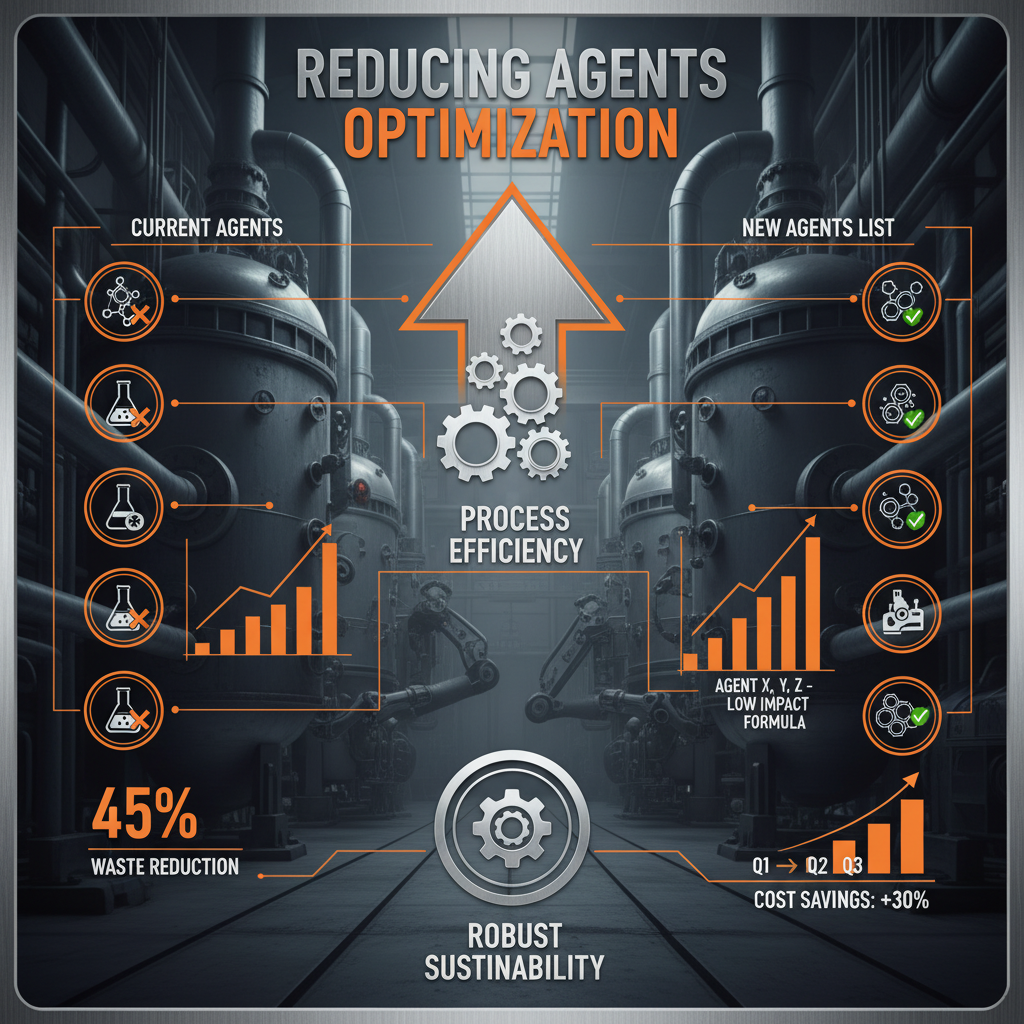
reducing agent list

The global reliance on reducing agents is substantial and deeply interwoven with various essential industries. According to the United Nations Environment Programme (UNEP), industrial wastewater treatment – often dependent on reducing agents for pollutant removal – is a critical area for environmental protection. The World Bank also highlights the need for efficient water management practices that leverage these agents to ensure sustainable resource utilization. A comprehensive reducing agent list is therefore paramount for addressing global challenges.

One significant challenge is the environmental impact of certain traditional reducing agents. Many conventional options pose risks related to toxicity, persistence, and the generation of harmful byproducts. This has spurred extensive research into “green” reducing agents, aiming to minimize ecological footprints while maintaining efficacy. The ISO 14000 series of standards increasingly emphasizes the importance of environmentally responsible chemical management, indirectly influencing the demand for safer reducing agent alternatives.

Defining Reducing Agents

In its simplest form, a reducing agent is a substance that donates electrons to another substance in a redox (reduction-oxidation) reaction. This donation causes the other substance to be reduced, while the reducing agent itself is oxidized. The ability to facilitate electron transfer is fundamental to numerous chemical processes, from simple laboratory experiments to complex industrial applications.

The connection to modern industry is undeniable. Consider the steel industry, where reducing agents like carbon monoxide are used to remove oxygen from iron ore. Or the textile industry, relying on agents like sodium hydrosulfite to bleach and dye fabrics. Even in humanitarian contexts, access to effective reducing agents is critical for water purification and sanitation, particularly in disaster relief scenarios.

Effectively, understanding the nuances of each item on a reducing agent list necessitates grasping their redox potential – a measure of their tendency to lose electrons – and their selectivity, or ability to reduce specific substances without interfering with others.

Key Characteristics of Effective Reducing Agents

One vital characteristic is Potency. A potent reducing agent exhibits a strong tendency to donate electrons, facilitating rapid and complete reduction reactions. This translates to increased efficiency and reduced reagent consumption. However, potency must be balanced with selectivity to avoid unwanted side reactions.

Selectivity is paramount. An ideal reducing agent will target only the desired substance for reduction, leaving other components of the system unaffected. This is particularly crucial in complex chemical processes where unintended reactions can lead to product contamination or reduced yields. The composition of a robust reducing agent list considers this aspect carefully.

Stability plays a crucial role in handling and storage. A stable reducing agent will maintain its effectiveness over time, resisting degradation due to exposure to air, moisture, or light. This reduces waste and ensures consistent performance. Finally, Cost-Effectiveness is always a key consideration, balancing performance with economic viability.

Practical Applications Across Industries

The applications of reducing agents are incredibly diverse. In the water treatment industry, agents like ferrous sulfate and sodium borohydride are used to remove contaminants such as hexavalent chromium and nitrate. The pharmaceutical sector relies on reducing agents for synthesizing complex organic molecules and purifying drug compounds.

Within the textile industry, sodium hydrosulfite is essential for bleaching cotton and other fibers, while reducing agents are also used in dyeing processes. The mining industry employs them for extracting metals from their ores. Even in environmental remediation, they play a crucial role in neutralizing pollutants and restoring contaminated sites.

These applications span regions globally. In post-disaster relief operations, portable water purification systems utilizing reducing agents are critical for providing safe drinking water. In remote industrial zones across Asia, they underpin essential manufacturing processes. The availability and proper application of a tailored reducing agent list are thus crucial.

Reducing Agent Effectiveness Comparison

Advantages and Long-Term Value Proposition

Employing the right reducing agent offers substantial benefits. Cost savings are often realized through increased efficiency and reduced waste. The move towards sustainability is driven by the development of “green” reducing agents that minimize environmental impact. From a social impact perspective, ensuring access to clean water through effective reducing agent-based treatment improves public health and quality of life.

Crucially, a reliable reducing agent list builds trust with stakeholders – from consumers demanding environmentally responsible products to regulatory bodies enforcing strict environmental standards. It’s a pillar of responsible industrial practice and fosters innovation by enabling new technologies and processes.

Future Trends in Reducing Agent Technology

Several exciting trends are shaping the future of reducing agent technology. Research into nanomaterials is yielding promising new agents with enhanced reactivity and selectivity. Bioreduction, utilizing microorganisms to facilitate reduction reactions, offers a sustainable and environmentally friendly alternative to traditional chemical methods.

Furthermore, digitalization and process control technologies are enabling more precise and efficient use of reducing agents, minimizing waste and maximizing performance. The integration of these advancements is paving the way for a new generation of environmentally conscious and economically viable solutions.

Challenges and Innovative Solutions

Despite the advancements, challenges remain. The toxicity of some reducing agents remains a concern, requiring careful handling and waste management. The cost of certain novel “green” alternatives can be prohibitive, limiting their widespread adoption.

Innovative solutions include the development of encapsulated reducing agents for safer handling, catalytic systems that reduce reagent consumption, and the optimization of bioreduction processes to enhance efficiency. Continuous research and development are crucial to overcome these hurdles and unlock the full potential of a diversified reducing agent list.

Furthermore, embracing circular economy principles – recovering and reusing reducing agents from waste streams – can contribute to both environmental sustainability and cost reduction.

Summary of Reducing Agent Performance Metrics

Agent Type Reduction Potential (mV) Environmental Impact (1-10) Cost per Unit (USD)
Sodium Borohydride -1.63 6 15.00
Ferrous Sulfate -0.44 8 2.50
Sodium Hydrosulfite -1.00 5 8.00
Vitamin C (Ascorbic Acid) +0.69 10 5.00
Zero-Valent Iron (ZVI) -0.77 7 10.00
Carbon Monoxide -0.34 4 1.00

FAQS

What are the primary factors to consider when selecting a reducing agent for a specific application?

When selecting a reducing agent, several factors are critical. These include the required reduction potential, selectivity to avoid unwanted side reactions, cost-effectiveness, environmental impact, safety considerations (toxicity, flammability), and compatibility with other components in the system. A thorough understanding of these factors will guide you to an appropriate choice from a reducing agent list.

How do "green" reducing agents compare in performance to traditional chemical options?

“Green” reducing agents, like Vitamin C or bioreduction methods, often exhibit comparable or even superior performance in specific applications, particularly where selectivity and environmental impact are paramount. While some may initially have higher costs, long-term benefits include reduced waste disposal expenses and enhanced sustainability. Ongoing research is continually closing the performance gap between green and traditional reducing agents.

What safety precautions should be taken when handling reducing agents?

Reducing agents can be reactive and potentially hazardous. Always wear appropriate personal protective equipment (PPE), including gloves, goggles, and respirators, as needed. Ensure adequate ventilation, avoid contact with incompatible materials (e.g., oxidizers), and follow established safety protocols for handling and storage. Refer to the Material Safety Data Sheet (MSDS) for specific guidance on each agent.

How can I properly dispose of waste containing reducing agents?

Proper disposal of waste containing reducing agents is critical to minimize environmental impact. Do not dispose of these materials down the drain or into the general waste stream. Consult local regulations and guidelines for proper disposal methods, which may involve chemical treatment, incineration, or specialized waste management facilities.

What is the role of pH in the effectiveness of reducing agents?

pH significantly influences the effectiveness of many reducing agents. Some agents function optimally under acidic conditions, while others perform better in alkaline environments. Maintaining the appropriate pH is crucial for maximizing the reducing agent’s activity and ensuring a successful reaction. Understanding this relationship is key to selecting the right agent and optimizing its application.

Where can I find a comprehensive, up-to-date reducing agent list with detailed specifications?

Finding a comprehensive and reliable reducing agent list can be challenging. Specialized chemical suppliers like Dyeingchem.com offer detailed product specifications, technical data sheets, and safety information. Academic databases and chemical handbooks also provide valuable resources for researching reducing agents and their properties.

Conclusion

In conclusion, a thorough understanding of reducing agents—from their fundamental chemistry to their diverse applications—is essential for innovation and sustainability across a wide range of industries. Choosing the appropriate agent from a comprehensive reducing agent list, considering factors like potency, selectivity, cost, and environmental impact, is crucial for optimizing processes and mitigating risks.

Looking ahead, the field of reducing agent technology is poised for significant advancements driven by the development of “green” alternatives, nanomaterials, and digitalization. By embracing these innovations and prioritizing responsible chemical management, we can unlock the full potential of reducing agents to address global challenges and build a more sustainable future. Visit our website at www.dyeingchem.com to explore a comprehensive selection of reducing agents and expert technical support.

Michael Thompson

Michael Thompson

Michael Thompson leads our dedicated R&D team, focusing on continuous innovation in textile dyeing auxiliaries. With 20 years in the field, he’s a key driver behind our product development efforts. Michael joined the company in 2008 and has been responsible for numerous patented formulations, enhancing the performance and sustainability of our product lines. He champions a culture of experimentation and problem-solving within the team, always looking for ways to improve and anticipate industry trends. Michael holds a PhD in Chemistry and actively collaborates with academic institutions to stay at the forefront of technological advancements.
Previous Understanding Reduction Agent and Oxidation Agent Processes and Their WideRanging Applications
Next Advancing Sustainability Through Efficient Strategies for Reducing Chemicals

If you are interested in our products, you can choose to leave your information here, and we will be in touch with you shortly.