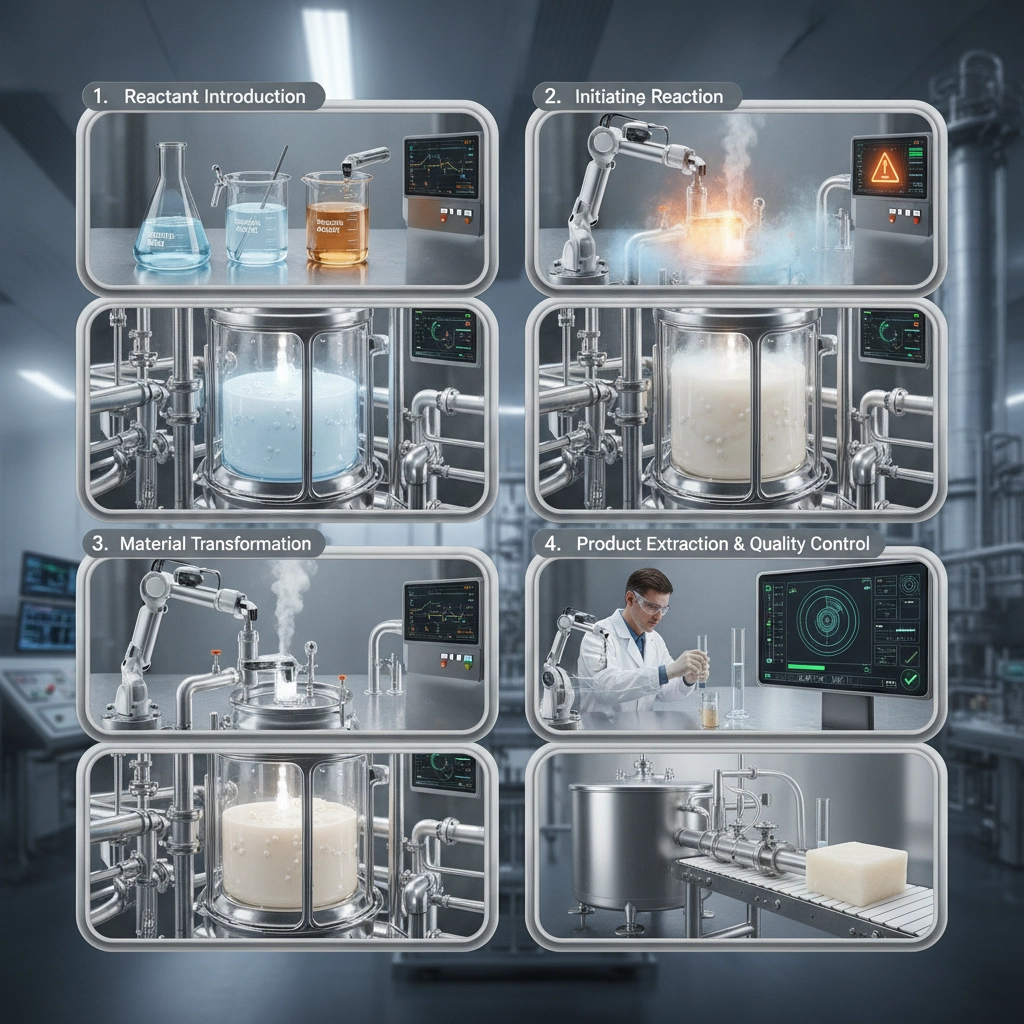
A cotton fabric comes out of the bleaching range with uneven whiteness. Another batch shows unexpected strength loss or tiny pinholes. Hydrogen peroxide consumption is higher than expected, yet the bleaching result is still inconsistent.
For dyehouse engineers, these problems are familiar—and frustrating. The peroxide dosage may be correct, the temperature may be within the specified range, and the bleaching time may not have changed. Yet small variations in water quality, metal contamination, or alkali concentration can affect the entire process.
Iron and copper ions are particularly troublesome because they can accelerate hydrogen peroxide decomposition. Instead of remaining available for effective bleaching, peroxide breaks down prematurely. Under unfavorable conditions, this can contribute to cellulose damage, irregular whiteness, additional chemical consumption, and costly reprocessing.
Excessive chemical use may also complicate wastewater management, although hydrogen peroxide itself is not a direct source of organic COD.
This is why successful peroxide bleaching depends on more than selecting the right hydrogen peroxide concentration. Controlling unnecessary peroxide decomposition is equally important.
A suitable Peroxide Stabilizer helps maintain a more predictable bleaching environment, supporting consistent fabric quality and more efficient chemical utilization.
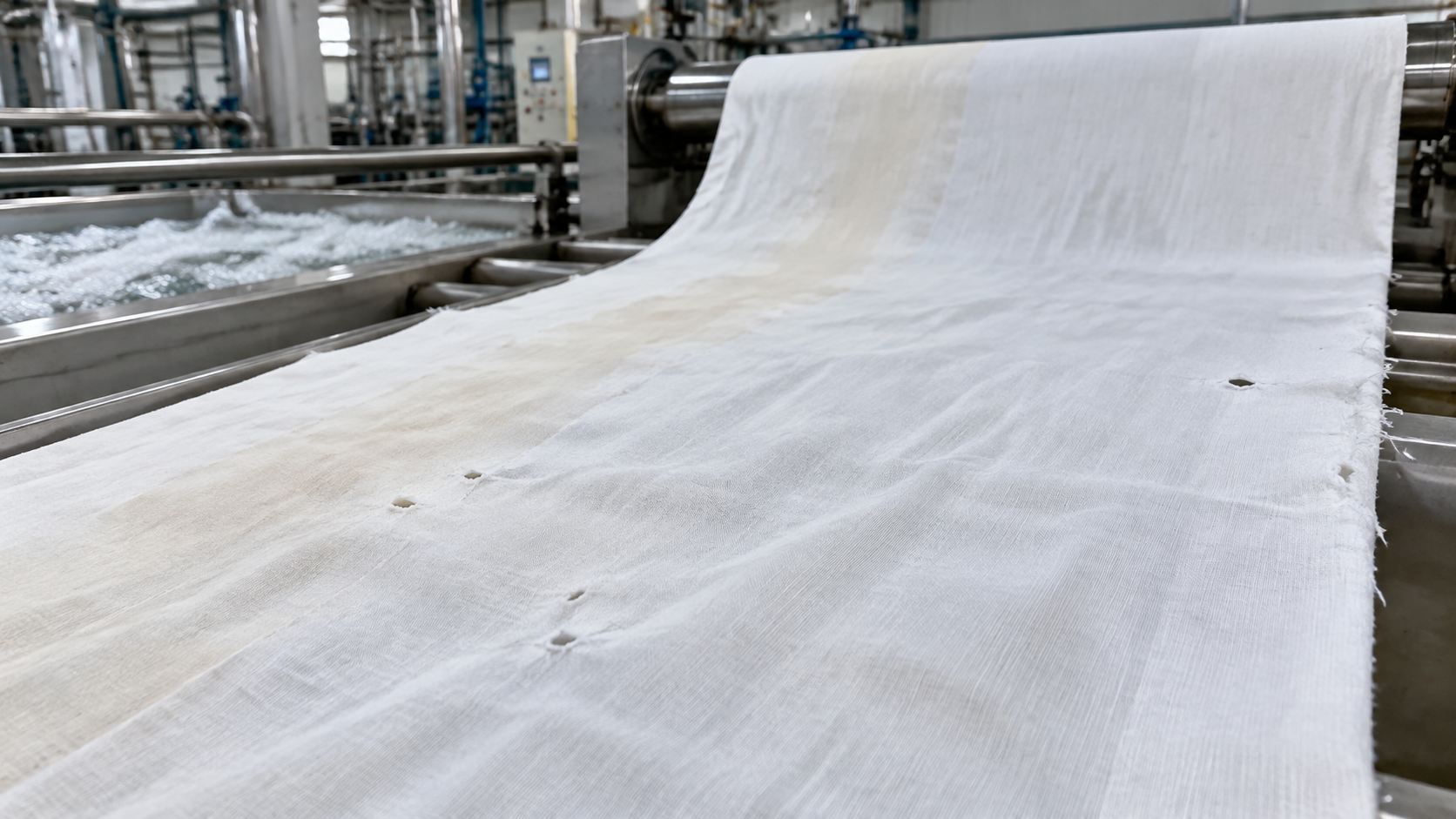
Uneven whiteness and pinholes after peroxide bleaching — often linked to metal-ion catalyzed decomposition.
Why Controlled Decomposition Matters More Than Ever
Hydrogen peroxide has become an important bleaching agent in textile pretreatment, particularly for cotton and other cellulosic fibers.
Compared with conventional chlorine-based bleaching systems, peroxide bleaching avoids introducing organically bound chlorine from the bleaching agent itself. It is widely used in alkaline pretreatment because it can provide effective whiteness while supporting subsequent dyeing and finishing operations.
However, hydrogen peroxide is sensitive to its processing environment.
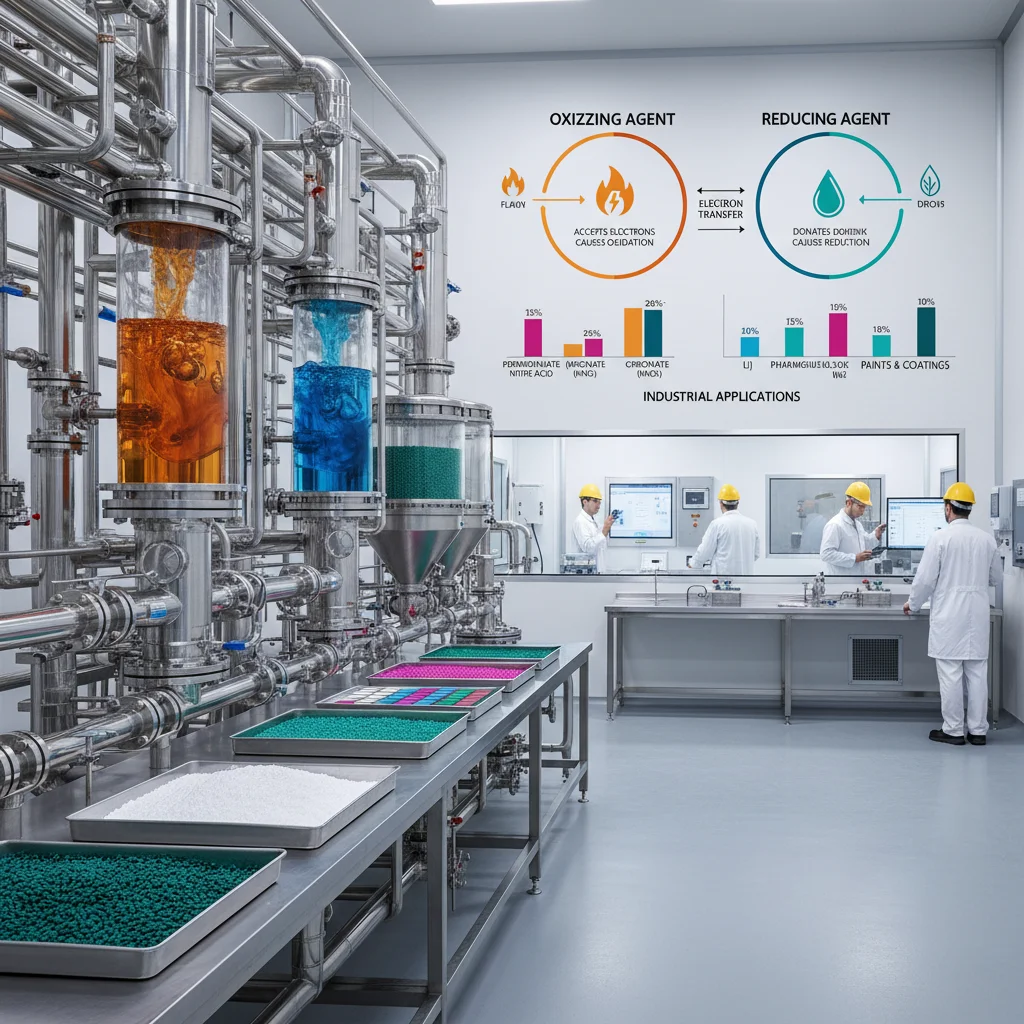
Under alkaline conditions, peroxide participates in the oxidation reactions required for bleaching. At the same time, transition metal ions such as iron and copper can catalyze unwanted decomposition reactions.
These reactions can accelerate peroxide consumption and, in certain conditions, generate highly reactive species capable of damaging cellulose.
Several practical problems may follow.
Fiber tendering and pinholes. Localized oxidative damage can weaken cellulose fibers, reduce tensile strength, and contribute to holes or yarn breakage.
Uneven bleaching. Premature peroxide consumption may reduce the amount available for effective treatment, contributing to inconsistent whiteness across the fabric or between production batches.
Higher chemical consumption. When peroxide decomposes unnecessarily, operators may need to adjust chemical dosing or repeat processing to meet quality requirements.
Process instability. Changes in water quality, metal contamination, or chemical addition can make bleaching results difficult to reproduce.
These problems become particularly important in continuous bleaching operations, where relatively small process variations can affect substantial quantities of fabric.
Peroxide has to decompose to bleach. The problem is when it decomposes too fast. The goal is to slow it down enough to do useful work.
The challenge is to minimize unnecessary decomposition while maintaining sufficient bleaching activity throughout the treatment period.
That is the practical value of a well-selected peroxide stabilizer for textile bleaching.
How Peroxide Stabilizer Works
A hydrogen peroxide stabilizer helps control unwanted peroxide decomposition through mechanisms that depend on its chemical formulation. Metal-ion management is particularly important. Iron and other transition metals can accelerate peroxide breakdown, so stabilizer systems often incorporate chelating components that reduce the catalytic activity of these ions. A chelating dispersant may provide additional support by controlling metal ions and helping keep certain impurities dispersed in the bleaching bath.
Some stabilizer formulations also contain pH-regulating or buffering components. These can contribute to more consistent bath conditions, although the extent of pH control depends on the formulation and the amount of alkali present. A stabilizer should not be assumed to replace normal pH monitoring or alkali adjustment.
The overall purpose is to reduce unnecessary peroxide loss and support effective bleaching throughout the treatment cycle. Depending on the formulation, a textile bleaching stabilizer may also help control silicate-related deposits on fabric and equipment.
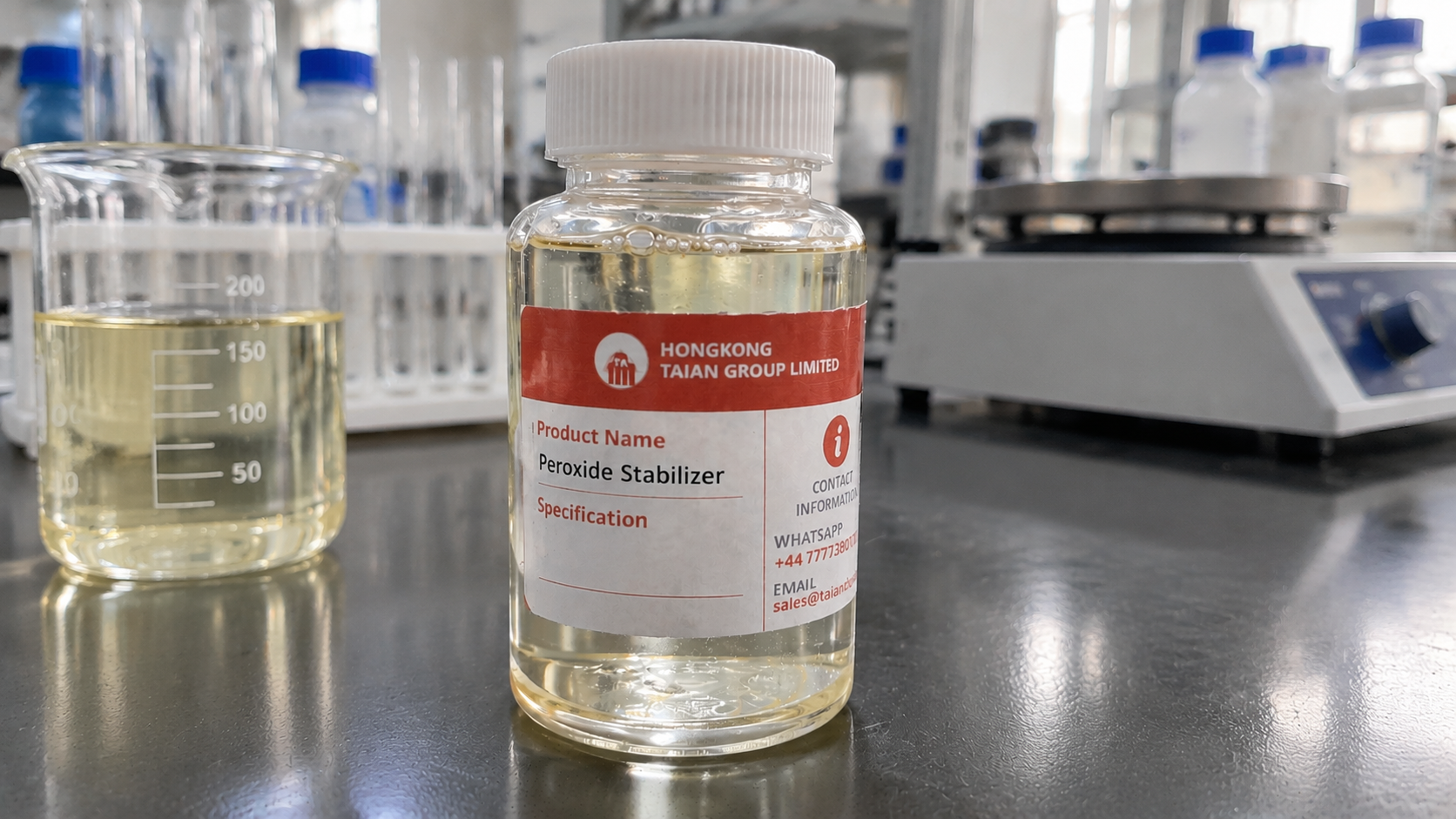
For example, Taian Chemical liquid Peroxide Stabilizer is formulated with chelating, adsorption, and pH-regulating components. Its technical documentation identifies iron-ion control, peroxide stabilization, and silicate deposit management as key application functions. Typical dosage is 5–15% of the hydrogen peroxide weight, confirmed by lab trial.
For related metal-ion management considerations, see our https://www.dyeingchem.com/top-blog/hard-water-in-textile-dyeing-chelating-dispersant-766-for-metal-ion-control.html
What It Means for Your Production
What you want in production is simple: peroxide that behaves predictably, fewer bleaching defects, and better control over the whole pretreatment line.
The value of peroxide stabilization is best understood through its effect on everyday dyehouse operations.
Treat the stabilizer as a process variable, not just another drum in the chemical room. Its selection affects bleaching consistency, fabric protection, chemical use, and maintenance.
| What a Suitable Stabilizer Helps Improve | What It Means for Your Dyehouse |
| Control of premature peroxide decomposition | More consistent peroxide availability during bleaching |
| Reduction of metal-ion interference | Lower risk of localized oxidative damage under suitable conditions |
| More predictable bleaching performance | Improved potential for consistent whiteness between batches |
| Better peroxide utilization | Opportunities to reduce unnecessary chemical consumption |
| Control of certain silicate deposits | Less risk of deposit-related fabric contamination and equipment fouling |
| Greater process consistency | Easier evaluation and adjustment of bleaching recipes |
Why Water Quality Matters
Water quality has a significant impact on the performance of peroxide bleaching.
Even when the formulation and chemical dosage remain constant, high levels of iron, copper, manganese, or hardness ions in the process water can compromise the stability of the peroxide. Metal contamination can also originate from impurities in the cotton, or from the processing equipment and piping.
Therefore, peroxide stability should be evaluated in the context of water quality and compatibility with other pretreatment auxiliaries. In facilities where water quality fluctuates, this can be a critical factor in maintaining consistent bleaching results.
Evaluate Bleaching Performance Beyond Whiteness
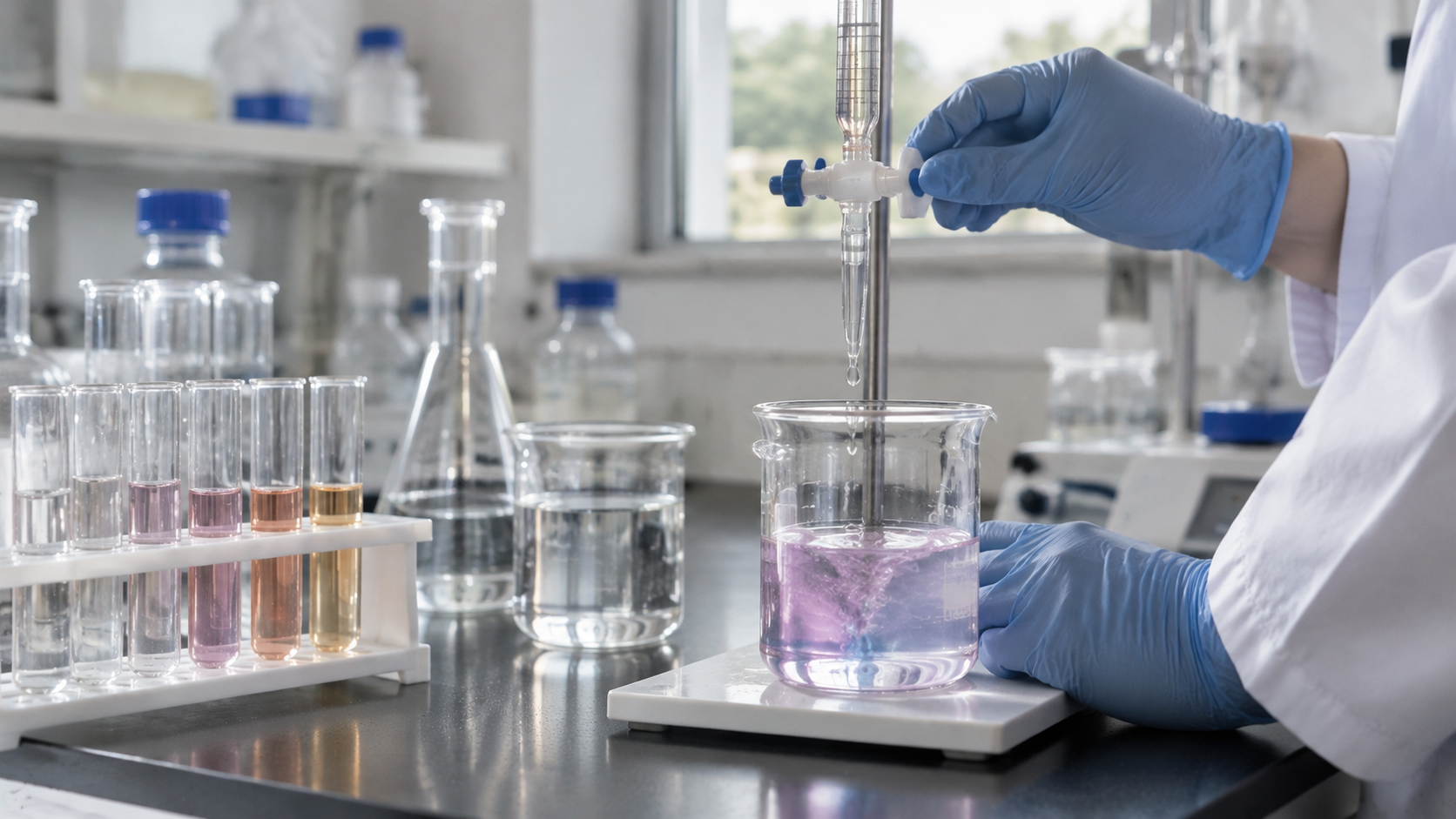
While whiteness is important, it should not be the sole metric for evaluating a bleaching formulation.
A meaningful production trial should also account for residual peroxide levels, fabric strength, absorbency, and consistency between batches.
If poor peroxide control leads to higher chemical consumption, the need for reprocessing, or additional equipment cleaning, then the lowest-cost stabilizer may not actually be the most economical choice. For procurement teams, a more useful comparison is the total cost of achieving stable bleaching performance, rather than looking solely at the price per kilogram.
Choosing the Right Stabilizer
The ideal stabilizer for textile bleaching depends on the specific bleaching process, water quality, equipment, and other auxiliaries used in the formulation.
A key distinction exists between silicate-based and non-silicate-based systems.
Silicate-Based Peroxide Stabilizers
Sodium silicate is widely used in alkaline peroxide bleaching due to its effective stabilizing action and relatively low cost.
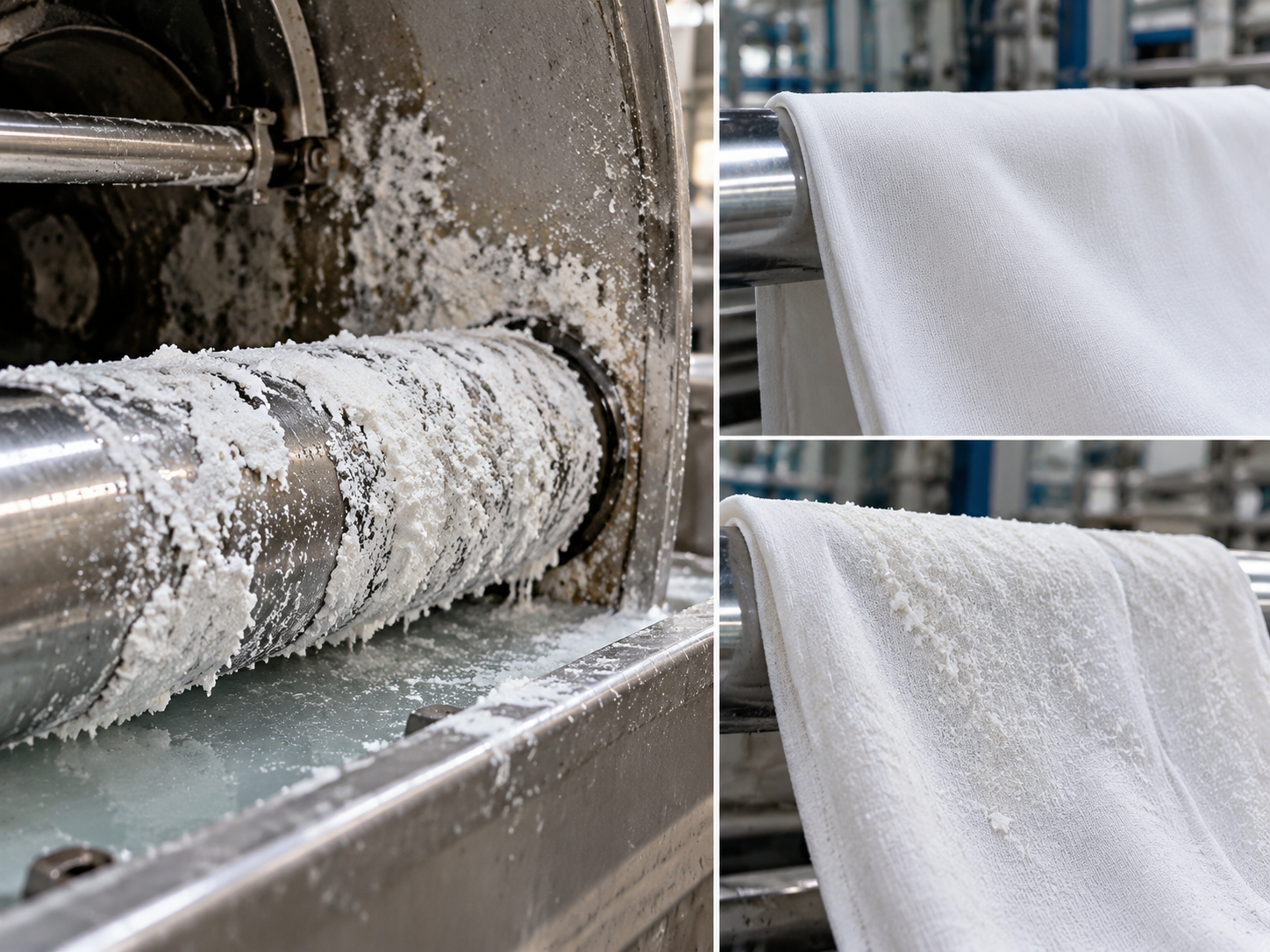
However, in the presence of hard water, silicate-based systems can form deposits on the fabric or processing equipment. These deposits increase cleaning requirements and can negatively impact production efficiency.
While silicate-based stabilizers remain suitable for many traditional processes, the potential for deposit formation should be considered when selecting a formulation.
Non-Silicate Peroxide Stabilizers
Non-silicate peroxide stabilizers utilize alternative components to control peroxide decomposition and mitigate interference from metal ions.
Depending on the formulation, these may include organic chelating agents, phosphonates, or polymeric components. They are particularly useful in production environments where silicate deposits are a recurring issue. However, no silicate doesn't mean no phosphorus or full biodegradability. Check the actual formulation and documentation before making environmental claims.
Application in Various Pretreatment Processes
Peroxide stabilizers are used in a wide range of textile pretreatment methods, including conventional thermal bleaching, combined scouring-bleaching, continuous pad-steam processes, and cold-pad-batch pretreatment.
For cold-pad-batch processes, the stabilizer must remain compatible with the alkaline peroxide solution throughout the extended batching period. In the case of one-bath scouring and bleaching, compatibility with caustic soda, wetting agents, scouring agents, and other auxiliaries is equally critical.
Not every hydrogen peroxide stabilizer is suitable for every process. It is recommended to conduct laboratory tests based on the specific conditions of the production facility before proceeding to full-scale production.
FAQ
Q: What causes fabric tendering during hydrogen peroxide bleaching? Fabric tendering refers to the weakening of textile fibers during processing. In cotton peroxide bleaching, excessive localized oxidation can damage cellulose and reduce fabric strength.
Iron and other transition metal ions may accelerate peroxide decomposition and contribute to this problem.
A suitable Peroxide Stabilizer helps reduce unwanted metal-catalyzed decomposition, although fabric protection also depends on temperature, alkali concentration, treatment time, and the overall bleaching recipe.
Q: Can a Chelating Dispersant and Peroxide Stabilizer be used together? Yes, provided the products are compatible with the bleaching formulation.
A chelating dispersant can help control metal ions and disperse certain impurities, while a peroxide stabilizer helps reduce unnecessary hydrogen peroxide decomposition.
Some stabilizers already contain chelating components, so the need for an additional product should be determined through water analysis and laboratory testing.
Q: Can Peroxide Stabilizers be used for blended fabrics? Peroxide stabilizers may be used in bleaching processes involving cotton and certain cellulosic blends, but suitability depends on the fiber composition and treatment conditions.
For polyester/cotton blends and other mixed-fiber materials, the bleaching recipe must account for the requirements and limitations of each fiber component.
A laboratory trial is recommended before bulk production.