Advanced dye auxiliaries Solutions for Belarus Textile Industry

Empowering Belarusian textile manufacturers with high-performance chemical agents to optimize dyeing precision and fabric durability in Eastern European climates.

Advanced dye auxiliaries Solutions for Belarus Textile Industry

We provide a comprehensive suite of chemical enhancers designed to improve color fastness and processing efficiency for the diverse textile landscape of Belarus.

Chemical Integration Trends in Belarus Textile Sector

Analyzing the synergy between local manufacturing needs and global chemical standards.

The textile industry in Belarus operates within a unique economic framework, focusing heavily on linen and synthetic blends. Due to the continental climate, moisture control and fabric preparation are critical, making the demand for high-efficiency penetrating agent solutions a priority for local mills to ensure uniform dye uptake.

Currently, Belarus is transitioning from traditional Soviet-era chemical applications to more sustainable European standards. This shift requires a precise balance of oxidizing agent reducing agent pairs to manage bleaching and dyeing cycles without compromising the structural integrity of the fibers.

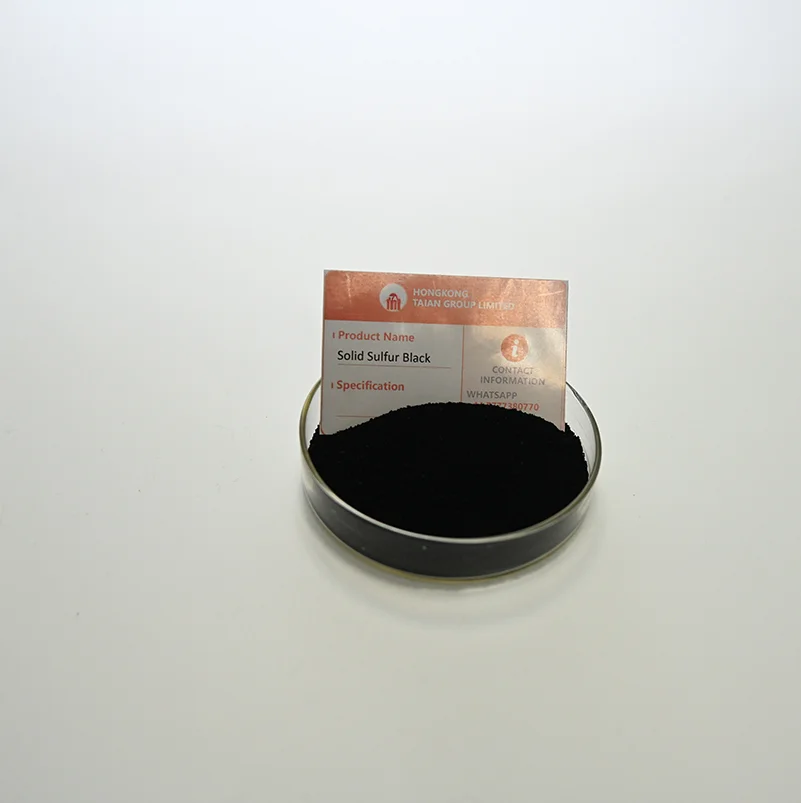
Furthermore, the regional preference for deep, saturated tones in industrial textiles has led to a steady utilization of sulfur black, necessitating specialized auxiliaries that can stabilize these dyes against the harsh environmental conditions of the region.
Evolution of Textile Chemistry in Belarus

From basic stabilization to intelligent molecular engineering.

Market Development History

In the 1990s, the Belarusian textile sector relied primarily on bulk textile auxiliaries chemicals with generic formulations, focusing on volume rather than precision, which often resulted in inconsistent color batches.

Between 2005 and 2015, there was a significant pivot toward specialized chemistry. The introduction of targeted dye auxiliaries allowed local factories to export higher-quality linens to the EU market, emphasizing consistency and ecological compliance.

Since 2018, the focus has shifted toward "Green Chemistry." The integration of biodegradable surfactants and optimized reduction-oxidation cycles has reduced water waste in the Minsk and Gomel industrial zones.

Future Development Trends

Digital Chemical Dosing

Transitioning toward automated dispensing systems that adjust chemical concentrations in real-time based on fabric weight and water hardness.

Eco-certified Sulfur Dyeing

Developing low-emission methods for applying dark pigments to meet tightening environmental regulations in Europe.

Nano-enhanced Penetration

Utilizing nano-scale carriers to ensure deep penetration in dense linen weaves, reducing the overall volume of chemicals needed.

Industry Outlook and Future Projections

Strategic forecasting for the Belarus textile chemical market 2024-2029.

Sustainability Pivot
Rapid adoption of ZDHC (Zero Discharge of Hazardous Chemicals) compliant auxiliaries to facilitate EU trade.
Resource Optimization
Developing low-temperature dyeing auxiliaries to reduce energy costs in Belarus's cold winters.
Functionalized Fabrics
Increasing demand for auxiliary-driven functional finishes like hydrophobic and antimicrobial properties.
Precision Chemistry
Moving toward molecularly engineered auxiliaries that reduce water consumption by up to 30%.

Industry Outlook

Based on search trends in the Eastern European region, there is a growing interest in "water-less dyeing" and "circular textile economy." Belarus is poised to become a hub for high-quality linen production, which will drive the demand for specialized wetting and leveling agents.

The future will see a convergence of biotechnology and textile chemistry, where bio-based textile auxiliaries chemicals replace petroleum-derived alternatives to meet the strict environmental quotas of the European Union.

Localized Application Scenarios in Belarus

Real-world implementation of chemical solutions in the Belarusian manufacturing context.

1. High-Density Linen Pre-treatment

Application of advanced penetrating agent in Minsk factories to overcome the natural hydrophobicity of raw flax fibers, ensuring an even base for subsequent dyeing.

2. Industrial Workwear Dark-Shade Dyeing

Utilizing high-stability sulfur black for the production of durable industrial uniforms used in Belarus's heavy machinery sector, ensuring zero fading.

3. Precision Bleaching for Home Textiles

Implementing a balanced oxidizing agent reducing agent system to achieve pure white linens without damaging the fiber tensile strength.

4. Reactive Dyeing for Synthetic Blends

Using specialized dye auxiliaries to bridge the affinity gap between polyester and cotton blends common in Belarusian apparel.

5. Waste Water Treatment in Dyeing Mills

Integrating specialized flocculants and neutralizing textile auxiliaries chemicals to meet the stringent wastewater standards of the Dnieper river basin.

Brand Story

Global Development Journey of Shijiazhuang Taikun Chemical Co., Ltd.

Foundation and Vision

Established with a mission to solve the instability of textile coloration, focusing on the R&D of high-purity chemical intermediates.

Technical Breakthroughs

Developed proprietary stabilization technology for sulfur dyes, solving the common problem of "crocking" in dark fabrics.

Global Expansion

Extended our footprint into Eastern Europe, tailoring formulations to meet the specific hard-water conditions of Belarus mills.

Sustainability Commitment

Launched a line of biodegradable auxiliaries, reducing the chemical oxygen demand (COD) in textile effluent worldwide.

Industry Leadership

Recognized as a trusted partner for large-scale textile enterprises, blending traditional expertise with modern chemical engineering.

Complete Chemical Portfolio for Belarus

A one-stop solution for all textile processing needs, from pre-treatment to finishing.

Belarus Textile Chemistry FAQ

Expert answers to common technical challenges in the region.

How to choose the right penetrating agent for Belarusian linen?

For high-density linen, choose a low-foaming, high-diffusion penetrating agent that can break the surface tension of raw flax fibers efficiently at temperatures between 40-60°C.

What is the ideal ratio for oxidizing agent reducing agent in bleaching?

The ratio depends on the fiber type; however, ensuring a precise neutralizing step between the oxidizing and reducing phases is critical to prevent cellulose degradation.

How to improve the wash fastness of sulfur black on cotton blends?

Utilize a post-dyeing fixing agent from our dye auxiliaries range to lock the pigment molecules into the fiber matrix, reducing bleeding during laundry cycles.

Are these textile auxiliaries chemicals compliant with EU REACH regulations?

Yes, our products are formulated to align with international safety and environmental standards, facilitating easier export for Belarus manufacturers into the EU.

Which dye auxiliaries are best for preventing streaks in synthetic dyeing?

We recommend using a high-performance leveling agent that controls the migration rate of the dye, ensuring a smooth, streak-free finish on polyester-blend fabrics.

Can penetrating agents be used in cold-pad-batch dyeing?

Absolutely. Our specialized cold-water penetrating agents are designed for low-temperature processing, significantly reducing energy consumption in the textile mill.

Get Expert Chemical Consultation

Optimize your production line with high-performance textile chemistry. Contact our specialists today for tailored solutions in Belarus.

Contact Us Now

If you are interested in our products, you can choose to leave your information here, and we will be in touch with you shortly.