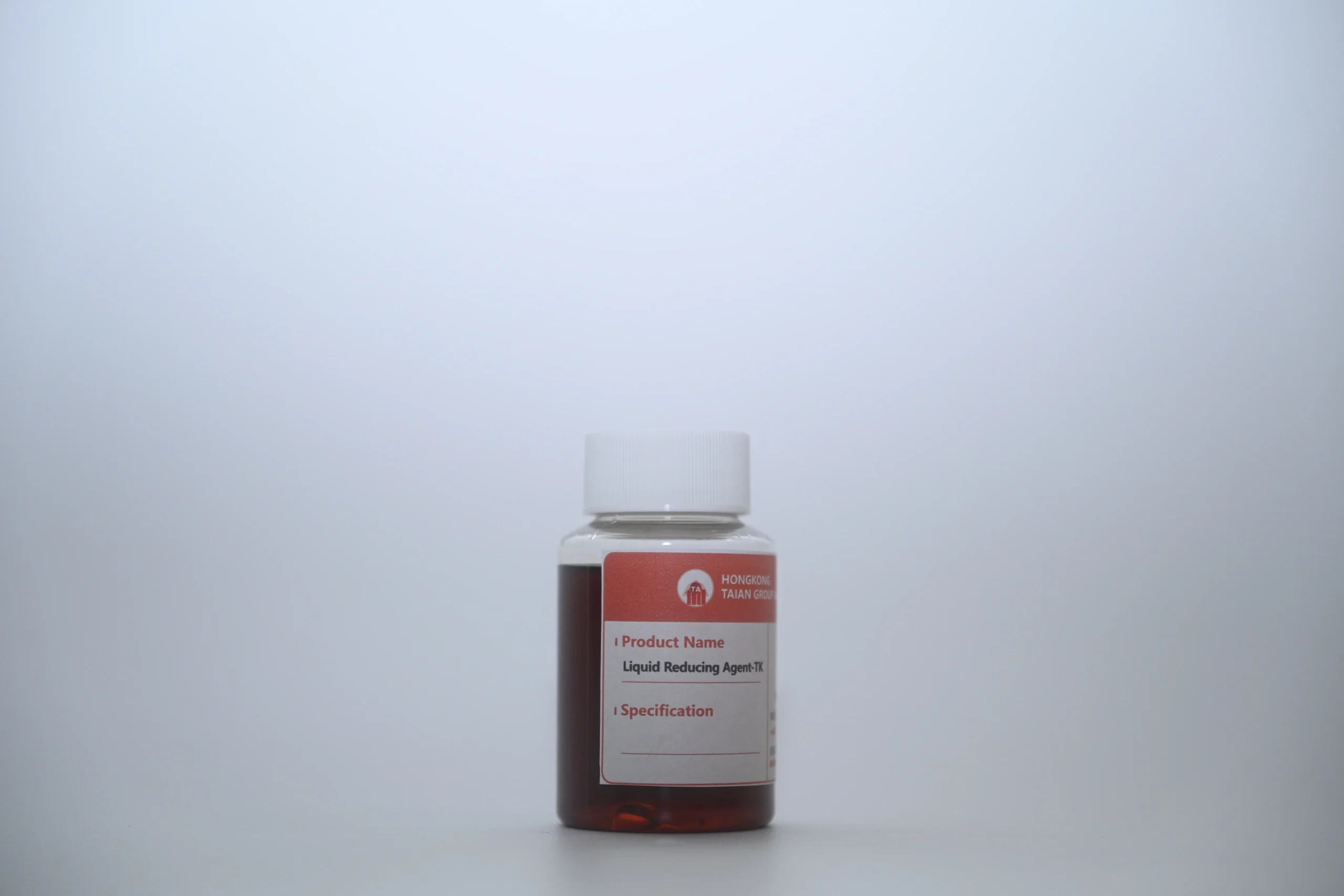
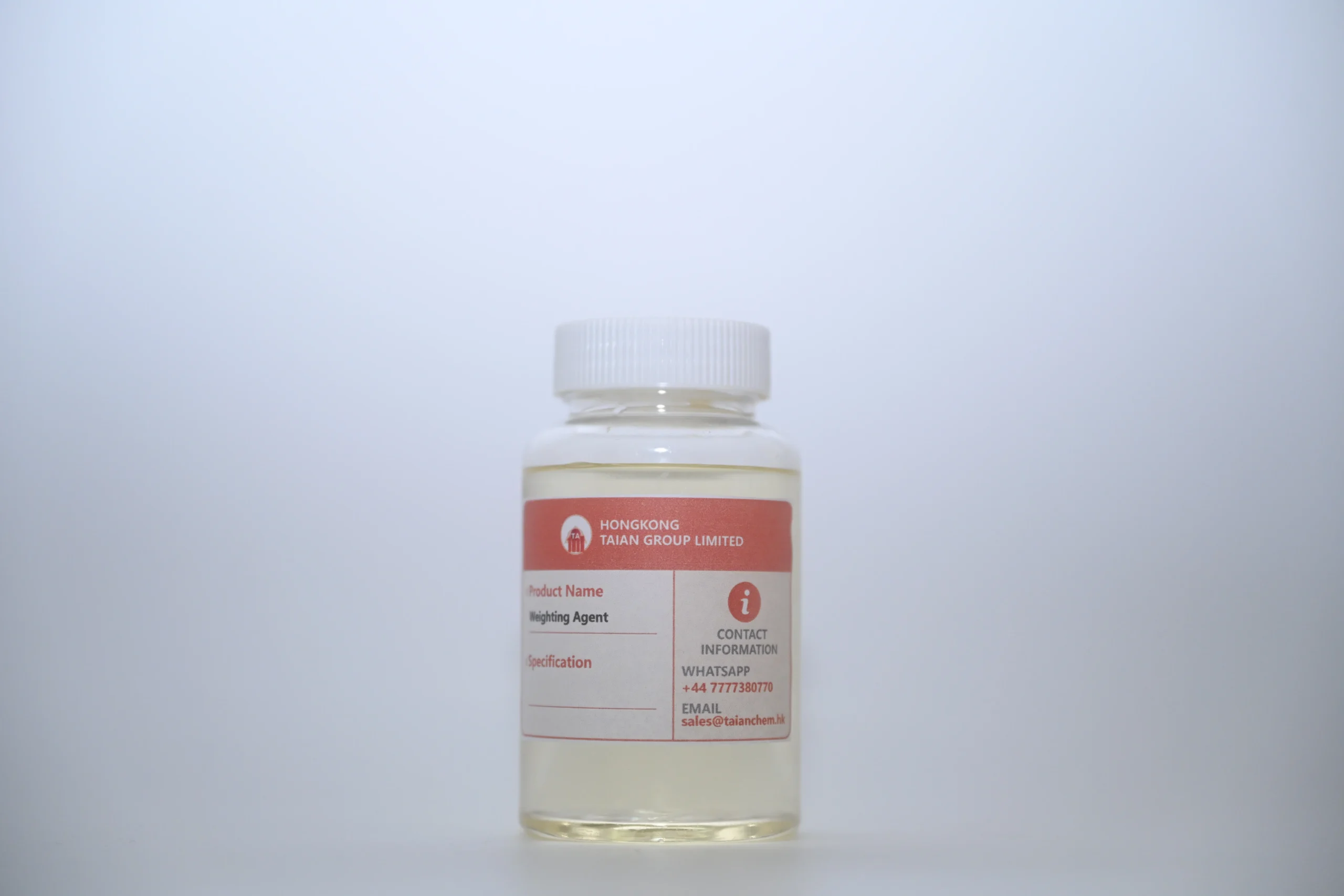
UK High-Performance dye auxiliaries Solutions

Precision chemical engineering for the British textile industry, optimizing color yield and fabric durability through sustainable innovation.

UK High-Performance dye auxiliaries Solutions

Providing advanced chemical additives tailored for the United Kingdom's stringent textile quality standards and environmental regulations.

The State of UK Textile Chemical Manufacturing

Navigating the balance between heritage quality and modern environmental compliance.

The United Kingdom's textile sector currently faces a dual challenge: maintaining its historical reputation for high-end fabric production while adhering to some of the world's strictest REACH and environmental guidelines. The demand for specialized textile auxiliaries chemicals has shifted toward biodegradable and low-VOC formulations to meet the UK's Net Zero targets.

Geographically, the industry is concentrated in heritage hubs where the damp British climate requires precise moisture control and high-efficiency penetrating agent applications to ensure uniform dye uptake across diverse synthetic and natural blends.

Economically, the UK market is moving toward "smart manufacturing," where chemical inputs are integrated with automated dosing systems to reduce waste and optimize the cost-per-meter of finished textiles in an increasingly competitive global landscape.
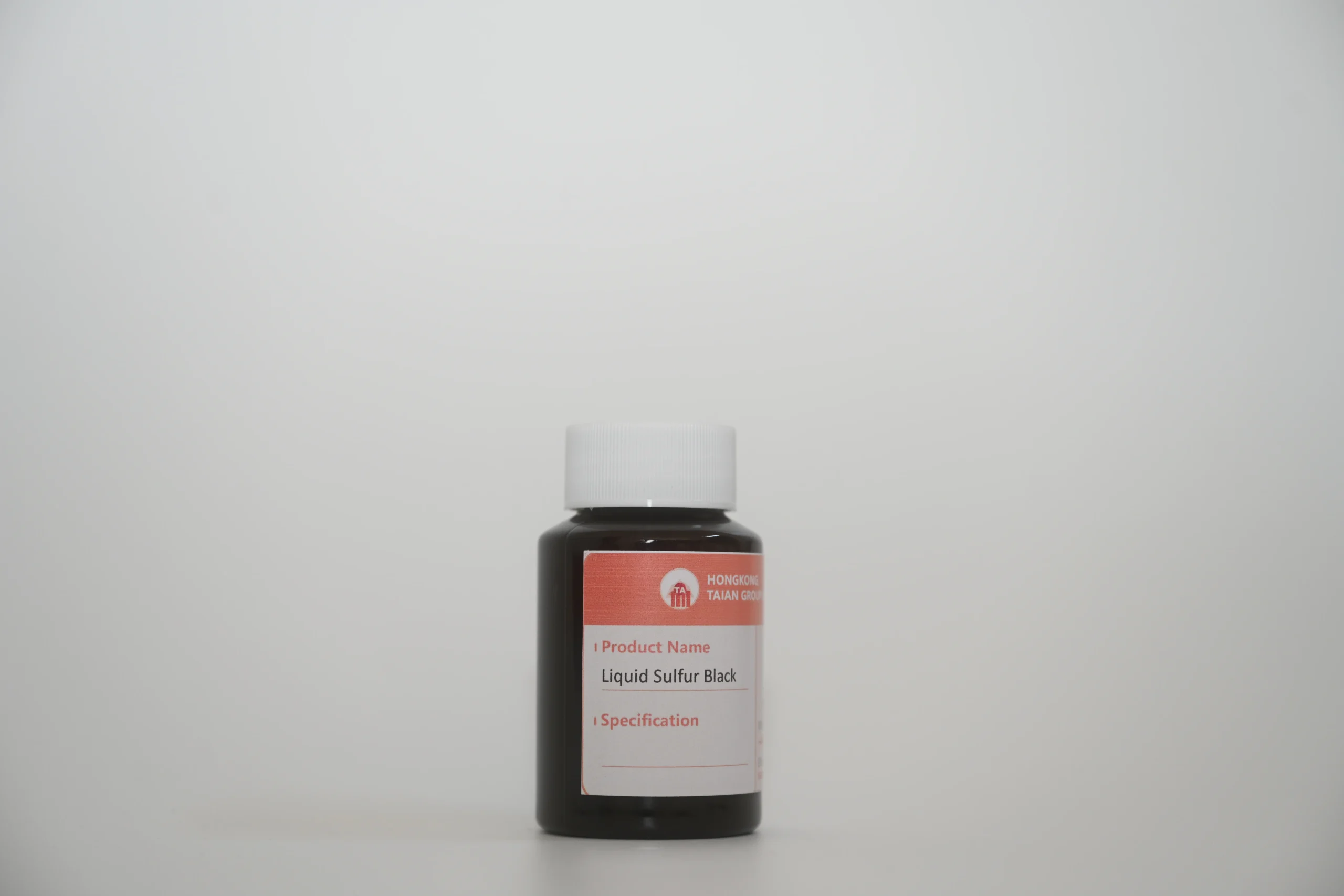
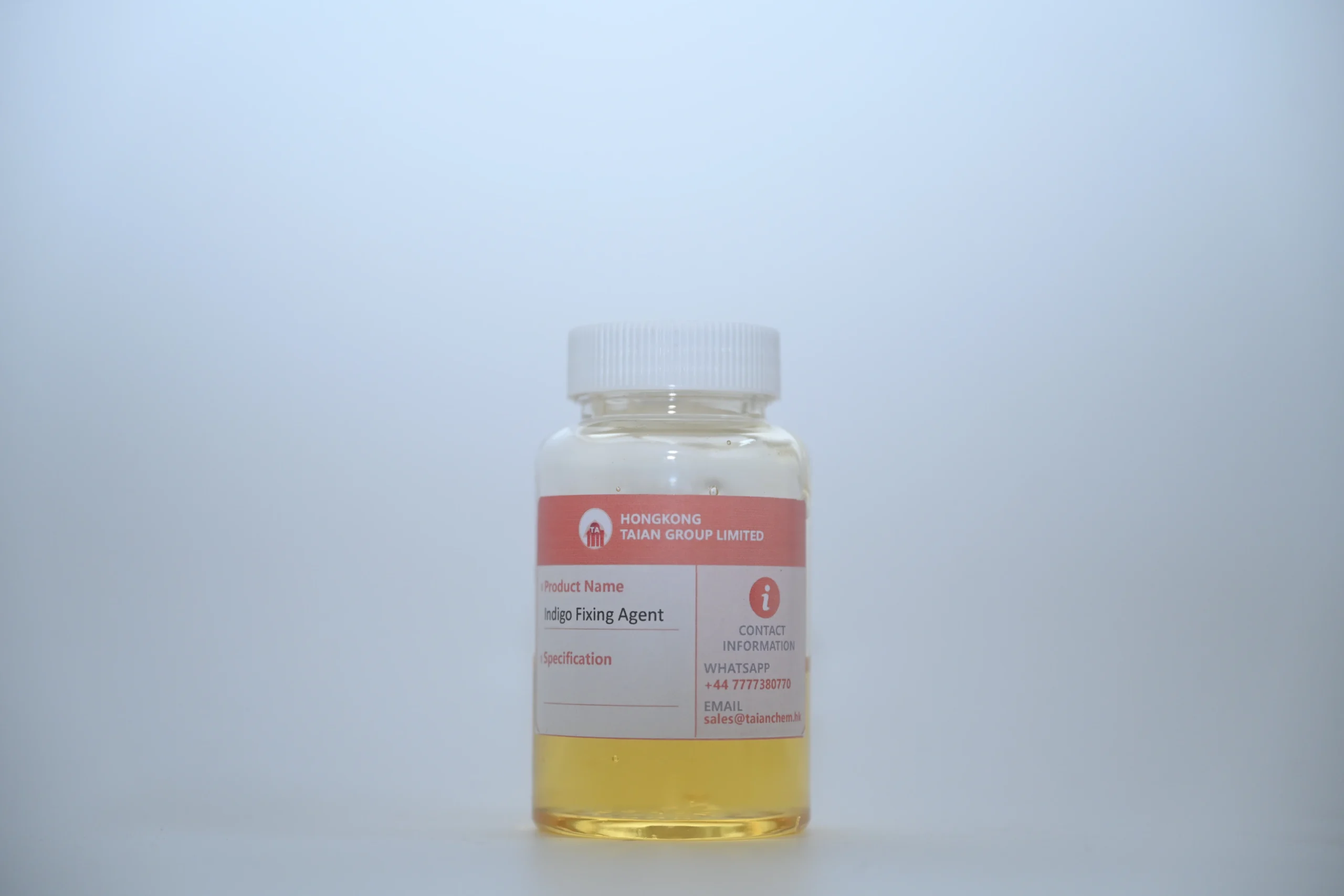
Technical Evolution & Development Trajectory

From heavy industrial chemistry to precision molecular engineering.

Market Development History

In the early 20th century, the UK relied on basic bulk chemicals. The primary focus was on saturation and opacity, utilizing traditional sulfur black processes that were effective but ecologically taxing.

Between 1980 and 2010, the industry transitioned toward synthetic performance. The introduction of sophisticated oxidizing agent reducing agent systems allowed for more complex color palettes and improved fastness properties, reflecting the rise of high-street fashion.

Since 2015, the trajectory has moved toward "Green Chemistry." The current era is defined by the replacement of APEO-based surfactants with sustainable alternatives that maintain high penetration and wetting capabilities.

Future Development Trends

Bio-based Polymer Auxiliaries

Integration of corn-derived and algae-based polymers to replace petroleum-based carriers in textile finishing.

Digital Dosing Integration

The shift toward AI-driven chemical application where auxiliaries are adjusted in real-time based on fabric weight and porosity.

Closed-Loop Water Systems

Developing chemicals that allow for 95% water recovery, reducing the effluent load on UK municipal treatment plants.

Industry Outlook and Future Horizons

Predicting the next 5 years of textile chemical innovation in the UK.

Eco-Certification Dominance
Shift towards ZDHC and OEKO-TEX compliant chemicals as the absolute minimum market entry requirement.
Nanoscale Penetration
Application of nano-emulsions to reduce chemical volume while increasing deep-fiber penetration.
Low-Temperature Dyeing
Developing auxiliaries that catalyze reactions at 40-60°C to slash energy costs for UK mills.
Circular Economy Feedstock
Utilizing recycled industrial by-products as precursors for new auxiliary chemical synthesis.

Industry Outlook

Google search trends for "sustainable textile chemistry" and "waterless dyeing" are peaking in Europe, particularly in the UK. This indicates a massive pivot toward chemicals that minimize liquid waste.

We expect a convergence of biotechnology and traditional chemistry, where enzymatic auxiliaries replace traditional harsh oxidants, creating a safer workplace and a cleaner environment.

Localized Application Scenarios in the UK

Practical implementations for diverse British textile manufacturing needs.

1. Luxury Wool Processing in Yorkshire

Utilizing high-grade dye auxiliaries to ensure deep penetration and color consistency in traditional woolens without damaging the natural fiber structure.

2. High-Street Fast Fashion Dyeing (London Hubs)

Applying rapid-action penetrating agent solutions to increase throughput and reduce cycle times for high-volume synthetic blends.

3. Industrial Workwear Treatment (Midlands)

Implementing robust sulfur black dyeing techniques for heavy-duty cotton fabrics, ensuring maximum rub-fastness for safety gear.

4. Specialized Technical Textiles (Aerospace/Medical)

Precise control using a balanced oxidizing agent reducing agent system to achieve specific chemical resistivity and purity standards.

5. Eco-Friendly Boutique Studios (South East)

Deployment of biodegradable textile auxiliaries chemicals for small-batch, artisanal dyeing that meets strict urban wastewater regulations.

Brand Story

Global Development History of Shijiazhuang Taikun Chemical Co., Ltd.

The Foundation of Quality

Established with a vision to stabilize the volatility of textile chemical purity, we began by solving the core instability of dyeing auxiliaries.

Technological Breakthrough

Developed a proprietary synthesis method for reducing agents that increased efficiency by 20% while reducing toxic by-products.

European Expansion

Entering the UK market, we adapted our formulations to meet REACH standards, bridging the gap between Eastern efficiency and Western regulation.

Sustainability Pivot

Invested in green chemistry R&D to create a new generation of bio-degradable penetrating agents for the global eco-conscious market.

Global Industry Leadership

Today, we empower mills worldwide to achieve perfect color precision while minimizing their environmental footprint.

Comprehensive Chemical Portfolio for the UK Market

A full suite of textile solutions designed for the British manufacturing environment.

UK Textile Chemicals FAQ

Expert answers to common technical queries from British textile manufacturers.

How do your textile auxiliaries chemicals comply with UK REACH regulations?

All our products are rigorously tested and documented to meet the specific thresholds and registration requirements of UK REACH, ensuring seamless import and use within the United Kingdom.

What is the best penetrating agent for high-density synthetic fabrics?

For high-density fabrics, we recommend our low-surface-tension nano-emulsions which penetrate deep into the fiber core, preventing "ring" marks and ensuring uniform color distribution.

How can I optimize the use of oxidizing agent reducing agent in vat dyeing?

Optimization requires precise pH monitoring and temperature control. Our balanced agents are designed to maintain a stable redox potential, reducing chemical waste by up to 15%.

Does your sulfur black range offer improved rub-fastness for denim?

Yes, our advanced sulfur black formulations include specialized fixing auxiliaries that enhance the bond between the dye and cellulose, significantly reducing crocking.

Which dye auxiliaries are most effective for cold-pad-batch dyeing?

Our range of urea-based and polymer-based auxiliaries are optimized for cold-pad-batch processes, ensuring maximum dye fixation and minimal wash-off.

Can your chemicals help reduce water consumption in UK mills?

Absolutely. Our concentrated, high-efficiency formulations reduce the need for multiple rinse cycles, helping mills reduce their water footprint and energy costs.

Ready to Optimize Your Production?

Contact our technical team today for bespoke textile chemical solutions tailored for the United Kingdom.

Contact Us Now

If you are interested in our products, you can choose to leave your information here, and we will be in touch with you shortly.