High-Performance dye auxiliaries Solutions for Uganda Textile Industry

Optimizing fabric quality and processing efficiency with advanced chemical engineering tailored for the East African market.

High-Performance dye auxiliaries Solutions for Uganda Textile Industry

Providing the Ugandan textile sector with specialized chemical agents that ensure color fastness, deep penetration, and sustainable processing for cotton and synthetic blends.

Uganda's Textile Chemical Landscape

Analyzing the intersection of East African textile growth and chemical requirements.

The textile industry in Uganda is currently characterized by a transition from artisanal weaving to semi-industrialized garment production. Due to the tropical climate and high humidity levels in the Lake Victoria basin, fabrics are prone to moisture retention, making the use of a high-quality penetrating agent critical for ensuring uniform dye distribution.

Currently, many local factories rely on imported basic chemicals, but there is a growing demand for specialized textile auxiliaries chemicals that can withstand variable water hardness levels found in Ugandan industrial zones, which often interfere with traditional dyeing processes.

Furthermore, the demand for deep, durable blacks in professional attire and uniforms has led to an increased reliance on sulfur black, requiring precise chemical control to avoid fabric degradation and ensure environmental compliance in urban centers like Kampala.
Evolution of Textile Processing in Uganda

From traditional dye baths to precision chemical engineering.

Market Development History

Prior to 2010, the Ugandan textile sector predominantly utilized basic salt-based dyes with minimal auxiliary support, resulting in inconsistent shading and low wash-fastness.

Between 2011 and 2020, the introduction of standardized oxidizing agent reducing agent pairs allowed local manufacturers to implement more complex dyeing cycles, particularly for vat and sulfur dyes, improving the industrial grade of exported fabrics.

From 2021 to the present, the focus has shifted toward "Precision Chemistry," where multi-functional auxiliaries are used to reduce water consumption and energy costs, aligning with regional sustainability goals.

Future Development Trends

Eco-Friendly Reduction Processes

A shift toward biodegradable reducing agents to minimize the chemical oxygen demand (COD) in effluent discharge into local waterways.

Smart Penetration Technology

Development of low-temperature penetrating agents that reduce the need for energy-intensive boiling processes in small-to-medium enterprises.

Digital Dyeing Integration

Integration of automated dosing systems for auxiliaries to eliminate human error and optimize chemical usage ratios.

Industry Trends and Future Outlook

Strategic projections for the chemical application in East African textiles.

Sustainable Effluent Control
Adopting advanced oxidizing agents to treat waste streams, ensuring compliance with Uganda's NEMA environmental regulations.
Water-Saving Formulations
Developing high-concentration auxiliaries that reduce the volume of rinse water required per batch.
Bio-Based Auxiliaries
Integrating plant-based surfactants to replace petroleum-derived penetrating agents.
Rapid-Dyeing Kinetics
Utilizing catalysts that accelerate the absorption of sulfur and reactive dyes to increase factory throughput.

Industry Outlook

Based on Google search trend logic for the East African region, there is a significant uptick in queries related to "sustainable textile chemicals" and "low-cost dyeing agents," suggesting that Ugandan manufacturers are pivoting toward cost-efficient but environmentally compliant solutions.

The next 3-5 years will likely see a consolidation of the supply chain, where integrated chemical providers offering a full suite of textile auxiliaries chemicals will dominate the market over single-product importers.

Localized Application Scenarios in Uganda

Practical deployments of chemical agents in regional textile production.

1. Industrial Workwear Production in Kampala

Using specialized sulfur black and powerful reducing agents to produce heavy-duty, color-fast black overalls for the oil and gas service sector.

2. Cotton Fabric Pre-treatment in Jinja

Applying high-efficiency penetrating agents to raw cotton fabrics to ensure that subsequent dyeing stages are uniform despite variations in fiber quality.

3. Boutique Fashion House Dyeing

Utilizing precision dye auxiliaries for small-batch, high-value garment production, ensuring vibrant colors for the local luxury market.

4. School Uniform Manufacturing

Implementing standardized oxidizing agents for the removal of impurities and bleach residues before dyeing, preventing spotting on white and colored uniforms.

5. Home Textile Finishing

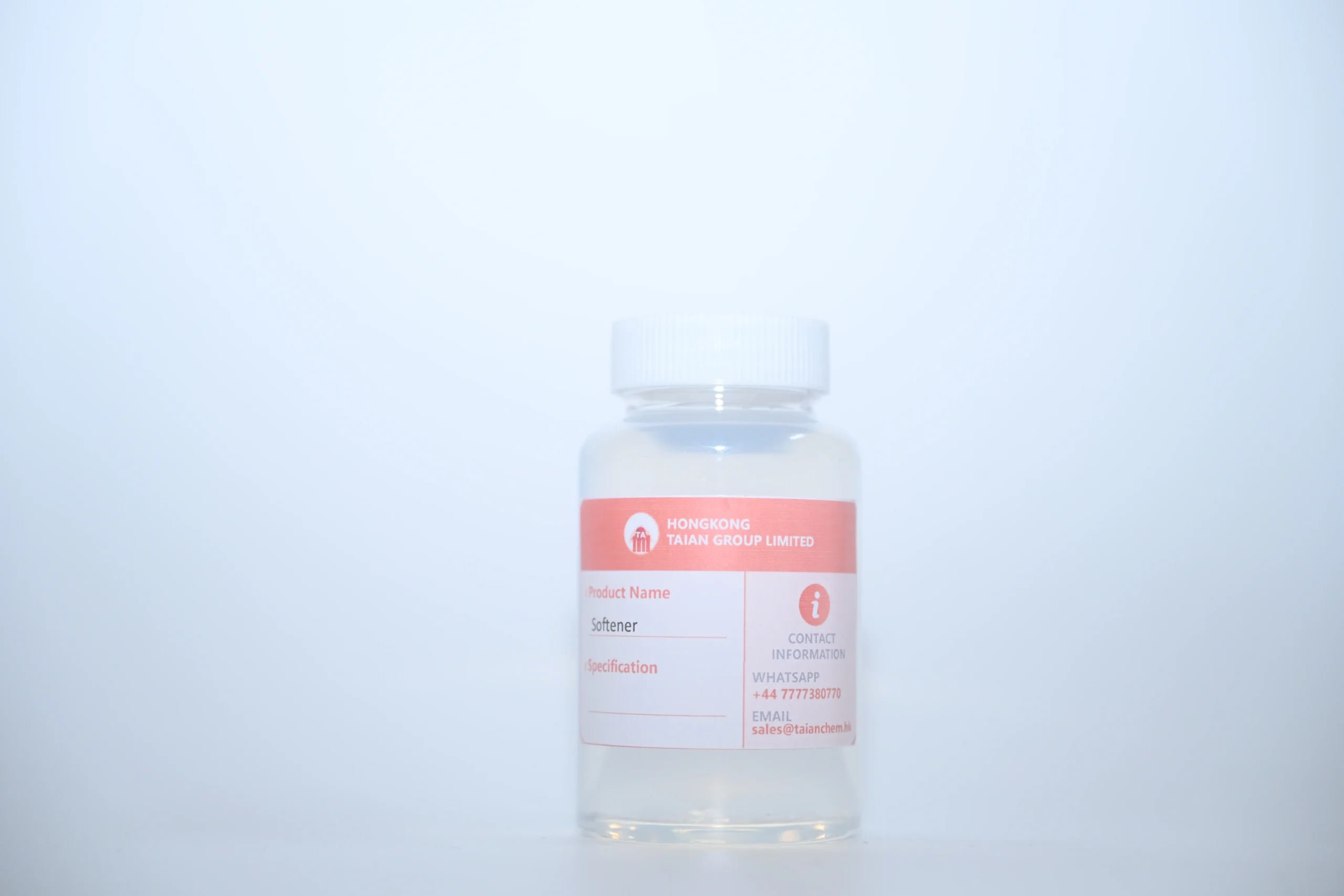
Applying softeners and fixing agents to curtains and bedsheets, ensuring that the dyes do not bleed during the frequent washing required in tropical climates.

Brand Story

Global Development History of Shijiazhuang Taikun Chemicals Co., Ltd.

Foundational Excellence

Established as a specialized manufacturer, we began by solving the core problem of dye instability in cotton fabrics.

R&D Breakthroughs

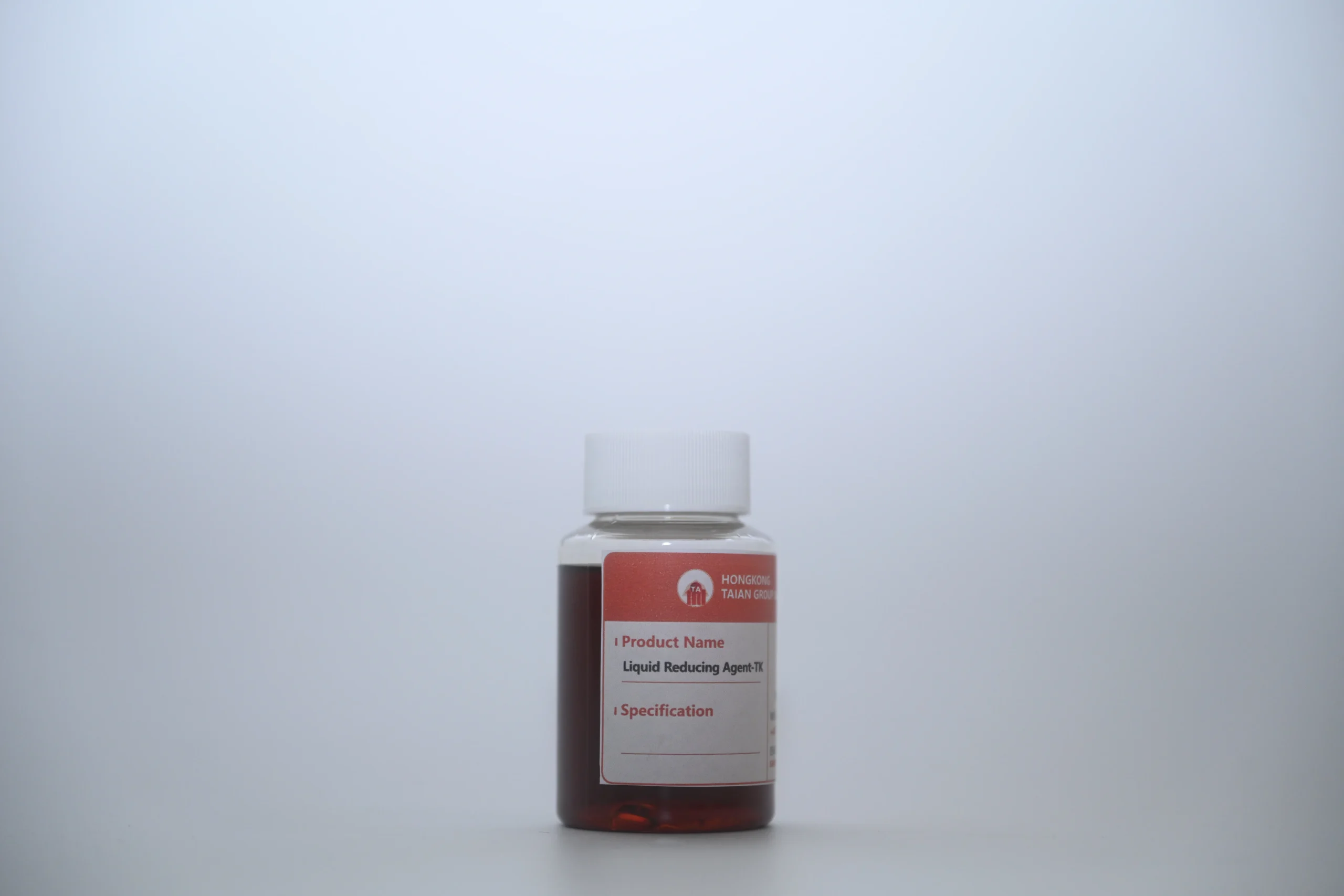
Developed a proprietary series of reducing agents that significantly reduced the time required for sulfur dyeing processes.

Global Expansion

Expanded our footprint into the African market, tailoring formulations to the specific water and climate conditions of East Africa.

Sustainability Pivot

Launched a "Green Chemistry" initiative to provide biodegradable auxiliaries that reduce the ecological footprint of textile mills.

Future Vision

Aiming to become the primary chemical partner for Africa's textile renaissance through innovation and technical support.

Comprehensive Chemical Portfolio for Uganda

A complete range of textile chemicals designed for maximal efficiency and color brilliance.

Common Questions for Ugandan Textile Producers

Technical guidance for optimizing chemical usage in regional facilities.

How can I improve the penetration of dyes in hard water areas of Uganda?

Using a specialized penetrating agent helps break the surface tension of hard water, allowing the dye to enter the fiber more effectively and preventing patchy coloration.

What is the best way to ensure a deep shade when using sulfur black?

Ensure a precise ratio of reducing agents to keep the dye in its soluble leuco form, and maintain a consistent temperature throughout the cycle to avoid precipitation.

Can dye auxiliaries reduce the overall water consumption in my factory?

Yes, advanced auxiliaries can improve dye exhaustion rates, meaning more dye stays on the fabric and less stays in the water, significantly reducing the number of rinse cycles needed.

How do I choose between an oxidizing agent and a reducing agent for my process?

Reducing agents are used to make certain dyes soluble (like sulfur dyes), while oxidizing agents are used for bleaching, removing residues, or finalizing the color fix.

Are your textile auxiliaries chemicals compatible with automated dyeing machines?

Our products are formulated for high solubility and stability, making them ideal for both manual dosing and automated liquid injection systems.

How do these chemicals perform on mixed synthetic-cotton blends common in Uganda?

Our specialized auxiliaries are designed to balance the different affinity levels of polyester and cotton, ensuring a level shade across the entire fabric surface.

Ready to Elevate Your Textile Quality?

Get expert technical consultation and customized chemical formulations delivered directly to your facility in Uganda.

Contact Us Now

If you are interested in our products, you can choose to leave your information here, and we will be in touch with you shortly.