Premium Dye Auxiliaries Solutions for Tanzania Textile Industry

Enhancing fabric quality and color brilliance across East Africa with high-performance chemical additives and sustainable processing agents.

Premium Dye Auxiliaries Solutions for Tanzania Textile Industry

Optimizing the dyeing and finishing process for Tanzanian manufacturers through advanced chemical formulations that ensure consistency, durability, and cost-efficiency.

Analyzing the Textile Chemical Landscape in Tanzania

Addressing the unique challenges of the East African textile manufacturing environment.

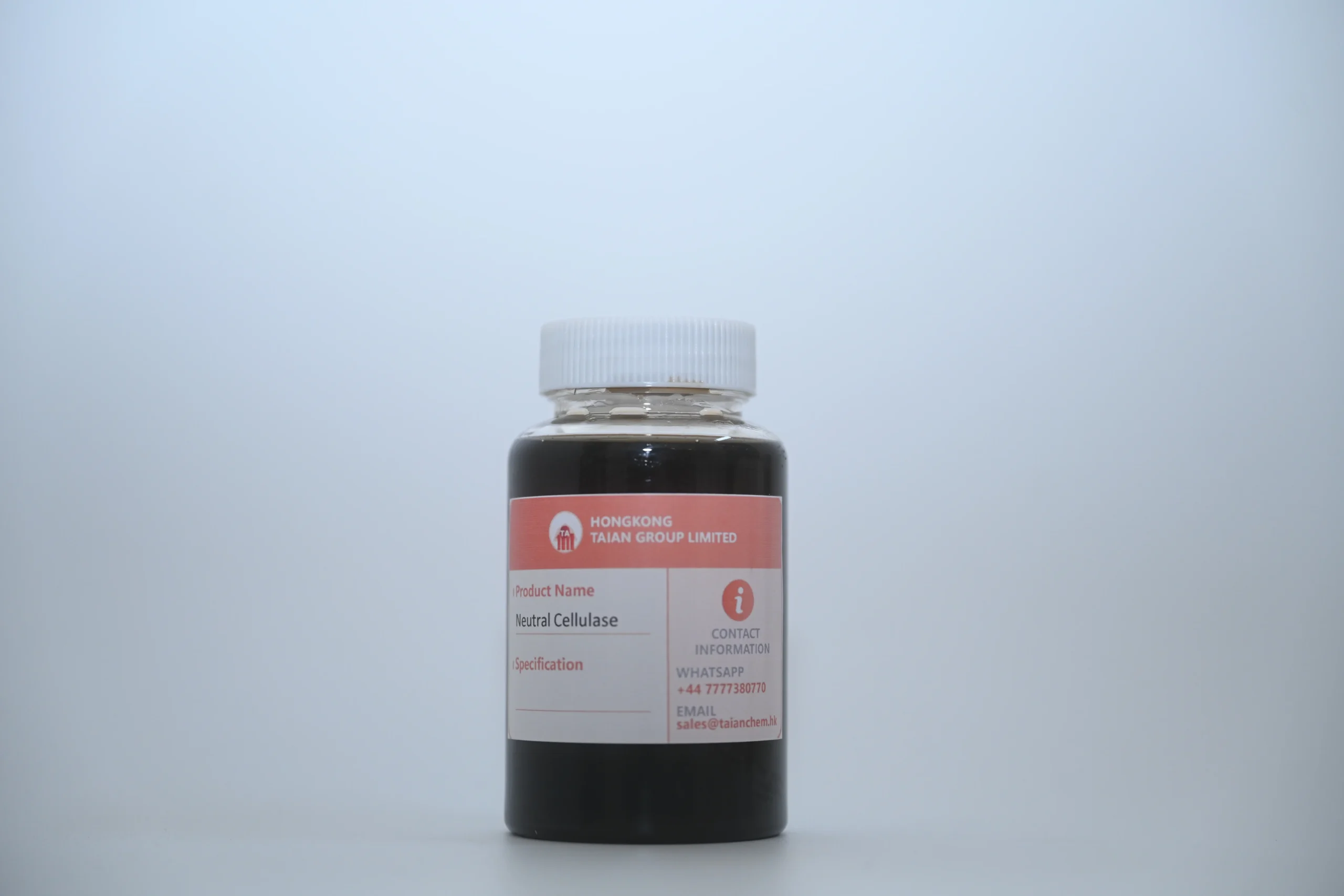
Tanzania's textile sector is currently experiencing a transition toward higher value-added production. However, the humid tropical climate and varying water hardness in regions like Dar es Salaam and Arusha often lead to inconsistent dyeing results, necessitating the use of high-quality textile auxiliaries chemicals to stabilize the process.

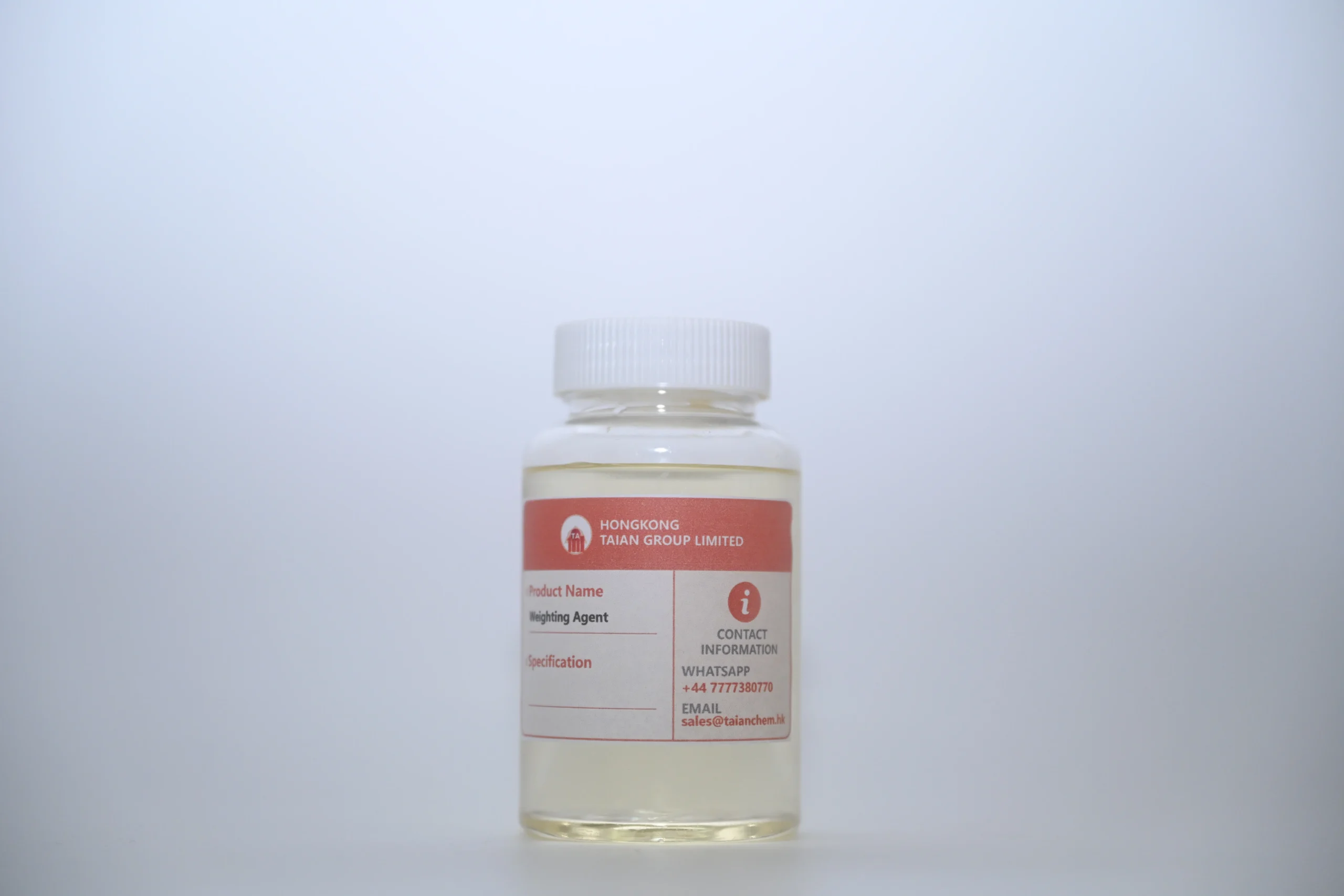
Many local factories still rely on legacy machinery, which requires specialized penetrating agent formulations to ensure deep dye penetration and avoid patchy coloration on cotton and synthetic blends commonly used in local garment production.

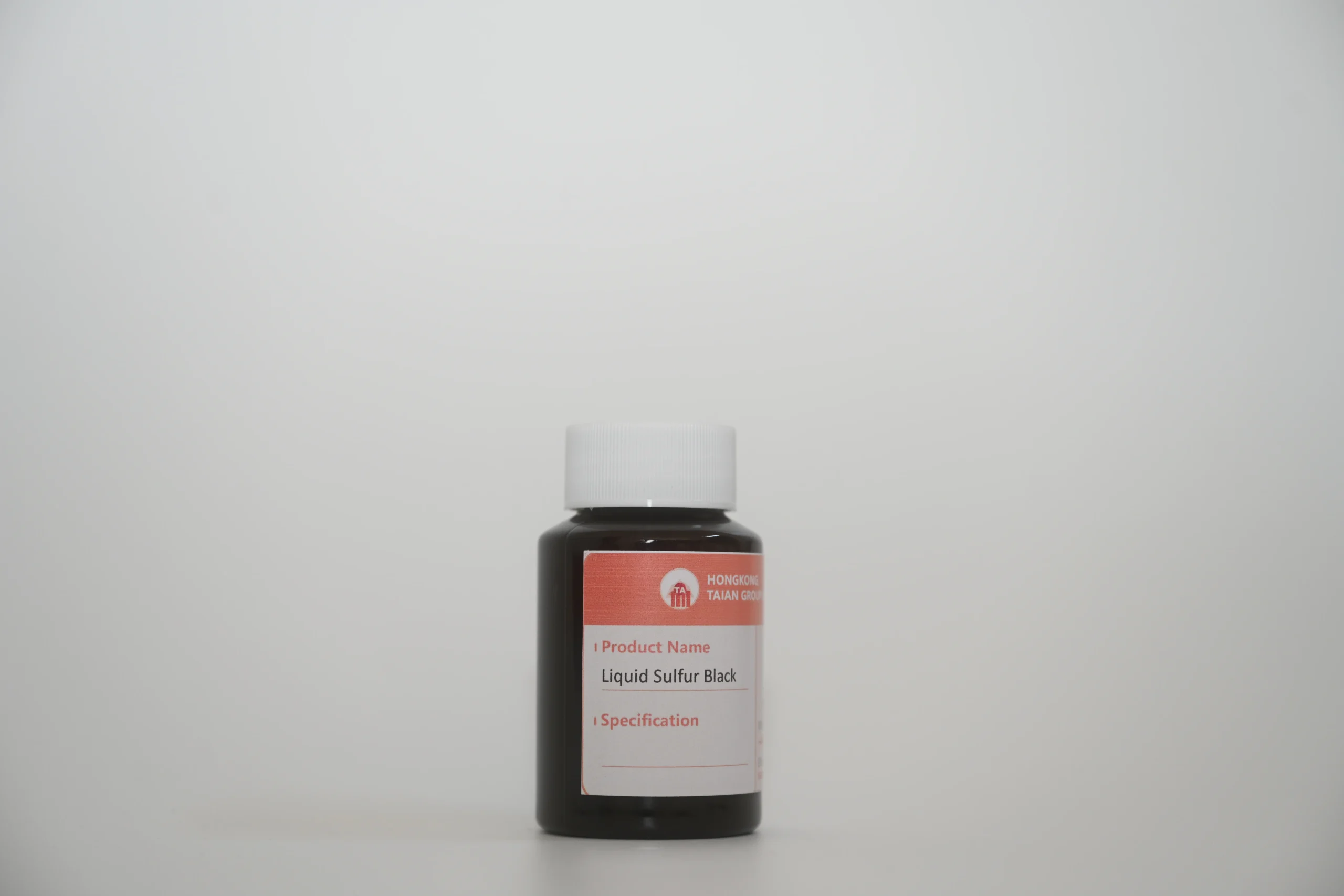
Furthermore, the demand for deep black shades in traditional and modern apparel has surged, putting a spotlight on the efficient application of sulfur black, which requires precise control of chemical environments to prevent oxidation and ensure shade stability.
Evolution of Dyeing Technology in Tanzania

From traditional batch processing to precision chemical engineering.

Market Development History

Between 1990 and 2010, the Tanzanian textile industry primarily utilized basic soap-based wetting agents and rudimentary salts. The focus was on volume rather than precision, often resulting in high water waste and inconsistent fabric handles.

From 2011 to 2020, there was a strategic shift toward imported specialty chemicals. The introduction of sophisticated oxidizing agent reducing agent systems allowed factories to achieve more vibrant colors and better control over the reduction-clearing process in vat dyeing.

Since 2021, the industry has entered the "Sustainability Era," focusing on biodegradable auxiliaries and low-temperature dyeing processes to align with global ESG standards and reduce the environmental footprint on local waterways.

Future Development Trends

Digital Precision Dosing

Integration of automated dosing systems to minimize chemical waste and ensure the exact ratio of auxiliaries per batch.

Eco-Friendly Sulfur Alternatives

Developing low-sulfur and salt-free alternatives for sulfur black to meet stricter wastewater discharge regulations.

Bio-based Wetting Agents

Transitioning from synthetic surfactants to plant-derived penetrating agents to improve skin-friendliness of the final textile products.

Industry Trends & Future Outlook

Navigating the next wave of chemical innovation in the Tanzanian textile market.

Green Chemistry Adoption
Rapid transition toward ZDHC compliant chemicals to reduce hazardous substance discharge in Tanzania.
Water-Saving Auxiliaries
Introduction of low-liquor ratio auxiliaries to combat water scarcity in semi-arid Tanzanian regions.
Performance Optimization
Using advanced oxidizing agent reducing agent pairs for flawless color removal.
Smart Fabric Finishing
Applying functional auxiliaries for antimicrobial and moisture-wicking properties.

Industry Outlook

Based on emerging search trends for "sustainable textiles Africa," we anticipate a 25% increase in demand for bio-degradable dye auxiliaries over the next 3 years. Tanzanian mills are likely to pivot toward certifications that require strictly audited chemical inputs.

The growth of the local "Made in Tanzania" fashion movement will drive the need for more diverse chemical palettes, moving beyond basic colors to complex, high-fastness shades that require superior chemical stabilizing agents.

Localized Application Scenarios in Tanzania

Tailored chemical solutions for specific Tanzanian textile production needs.

01. High-Density Cotton Dyeing in Dar es Salaam

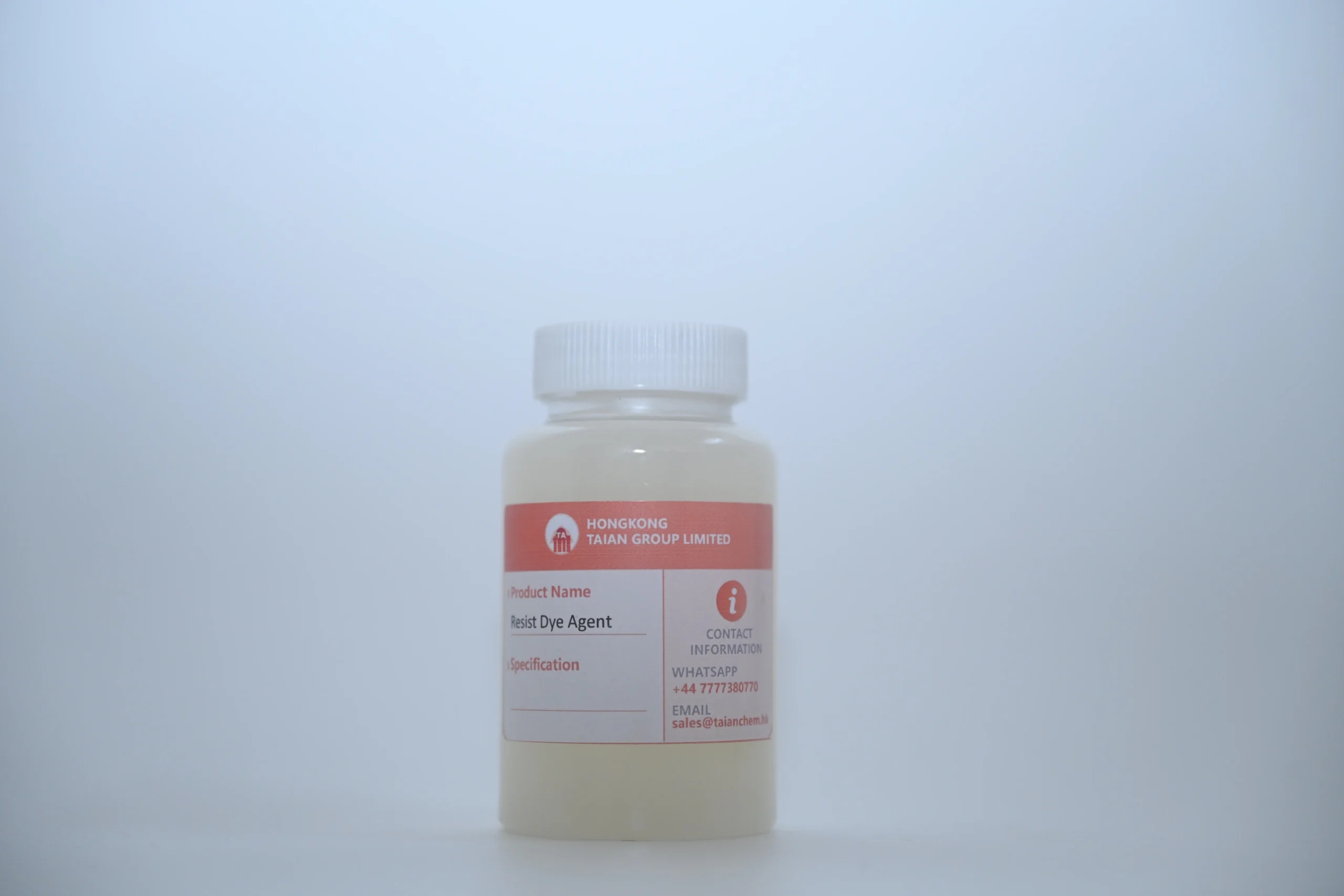
Utilizing high-efficiency penetrating agent to ensure uniform color distribution in heavy cotton fabrics produced for local uniforms, overcoming the challenges of hard water.

02. Deep Black Apparel Production

Optimizing the application of sulfur black for the production of formal wear, ensuring deep penetration and high rubbing fastness in high-temperature environments.

03. Vat Dyeing Clearing Process

Implementing a balanced oxidizing agent reducing agent cycle to remove unfixed dyes from high-end home textiles, ensuring a clean, bright white base.

04. Synthetic Blend Processing

Applying specialized textile auxiliaries chemicals for polyester-cotton blends used in sportswear, preventing dye migration and improving fabric softness.

05. Small-Scale Artisanal Batch Dyeing

Providing concentrated dye auxiliaries for small-scale cooperatives in Arusha, allowing for professional-grade results without the need for heavy industrial equipment.

Brand Story

Global Development Journey of Shijiazhuang Taikun Chemical Co., Ltd.

Foundational Innovation

Starting as a focused research lab, we dedicated our early years to mastering the molecular stability of dye auxiliaries to solve the most common fabric staining issues.

Industrial Expansion

We scaled our production capabilities, integrating advanced synthesis technology to provide bulk textile auxiliaries chemicals to global markets without compromising purity.

The Africa Initiative

Recognizing the potential of the East African market, we customized our formulas to perform optimally under the specific water and climate conditions of Tanzania.

Sustainability Commitment

We pivoted our R&D toward "Zero-Pollution" chemicals, developing eco-friendly agents that help our clients meet international environmental standards.

Global Partnership Network

Today, Taikun Chemical stands as a bridge between advanced chemical engineering and local textile craftsmanship, empowering mills across Tanzania and beyond.

Complete Product Portfolio for Tanzania

Comprehensive chemical solutions designed for the Tanzanian textile manufacturing ecosystem.

Tanzania Textile Chemicals FAQ

Expert answers to the most common technical queries from local manufacturers.

How can I improve dye penetration in cotton fabrics using a penetrating agent?

For cotton fabrics in Tanzania, we recommend applying the penetrating agent during the pre-treatment phase to lower surface tension and ensure the dye liquor reaches the core of the fiber uniformly.

What is the best way to maintain the shade of sulfur black dyes?

Maintaining sulfur black requires strict control over the reduction process. Using high-quality reducing agents and ensuring thorough oxidation during the final rinsing stage prevents shade drifting.

Can textile auxiliaries chemicals help reduce water consumption?

Yes, modern low-foam and high-concentration auxiliaries allow for reduced rinse cycles and lower liquor ratios, significantly cutting water usage in Tanzanian mills.

How do I choose the right oxidizing agent reducing agent for vat dyes?

Selection depends on the fiber type and dye class. We provide customized pairs that balance the redox potential to ensure complete dye solubility and efficient clearing.

Are your dye auxiliaries compatible with old-generation dyeing machines?

Absolutely. Our formulations are designed to be robust and effective across various equipment types, from manual vats to semi-automated machinery used in Tanzania.

What is the impact of water hardness on textile auxiliaries chemicals?

High calcium and magnesium levels can deactivate certain agents. Our specialized chelating auxiliaries neutralize these ions to ensure maximum chemical efficiency.

Get Expert Chemical Support

Ready to optimize your production in Tanzania? Our technical team is available to provide customized formulations and on-site support.

Contact Us Now

If you are interested in our products, you can choose to leave your information here, and we will be in touch with you shortly.