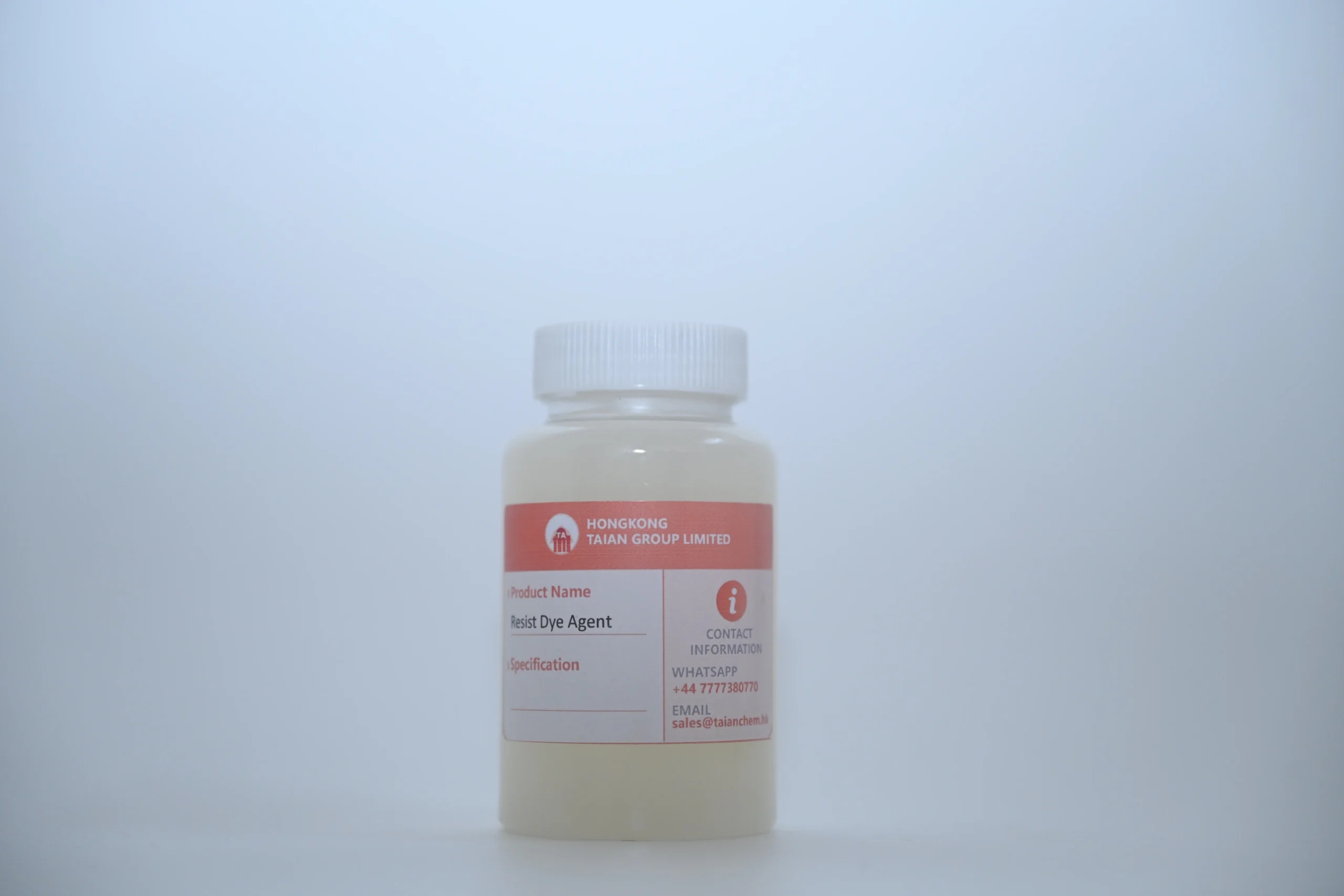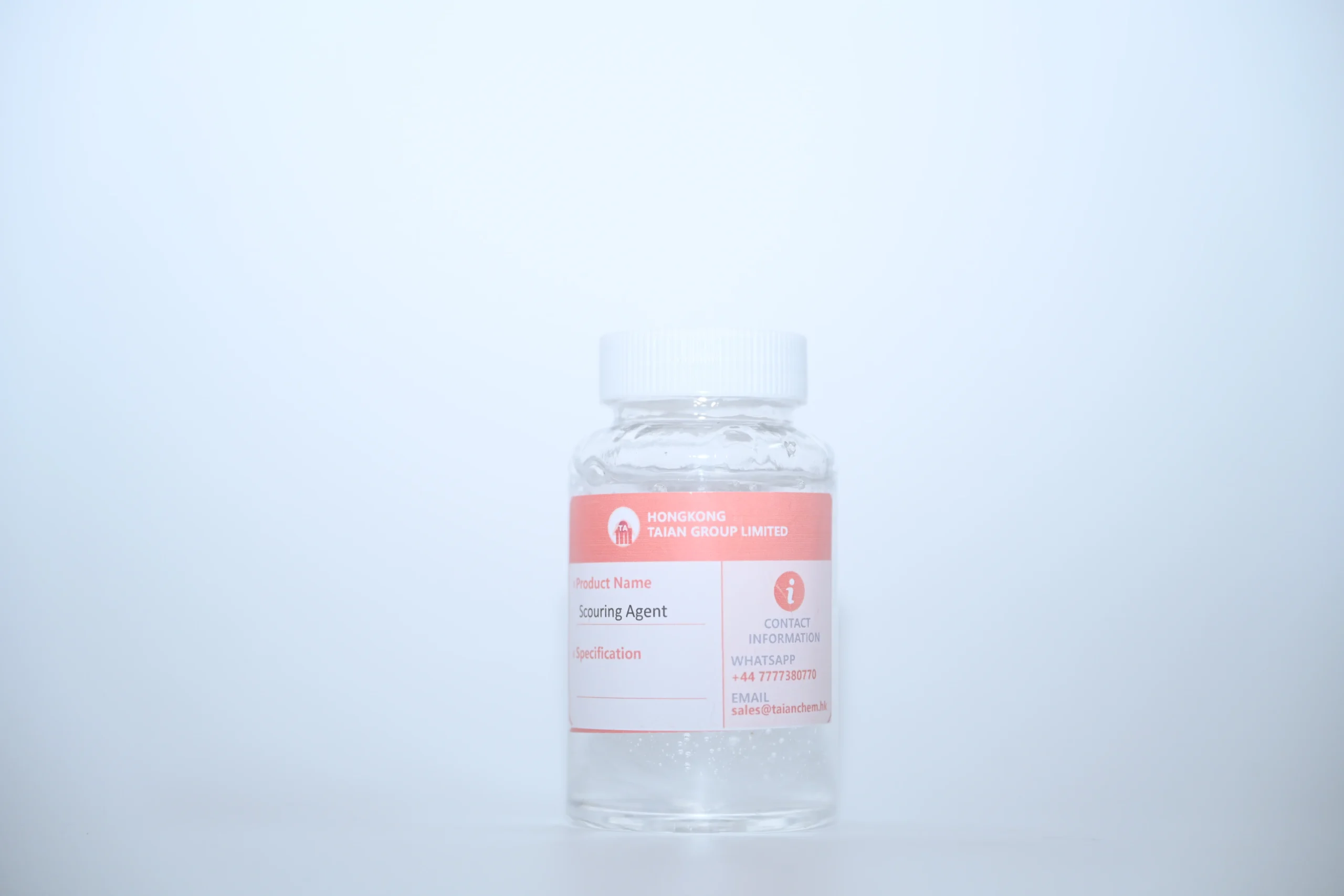
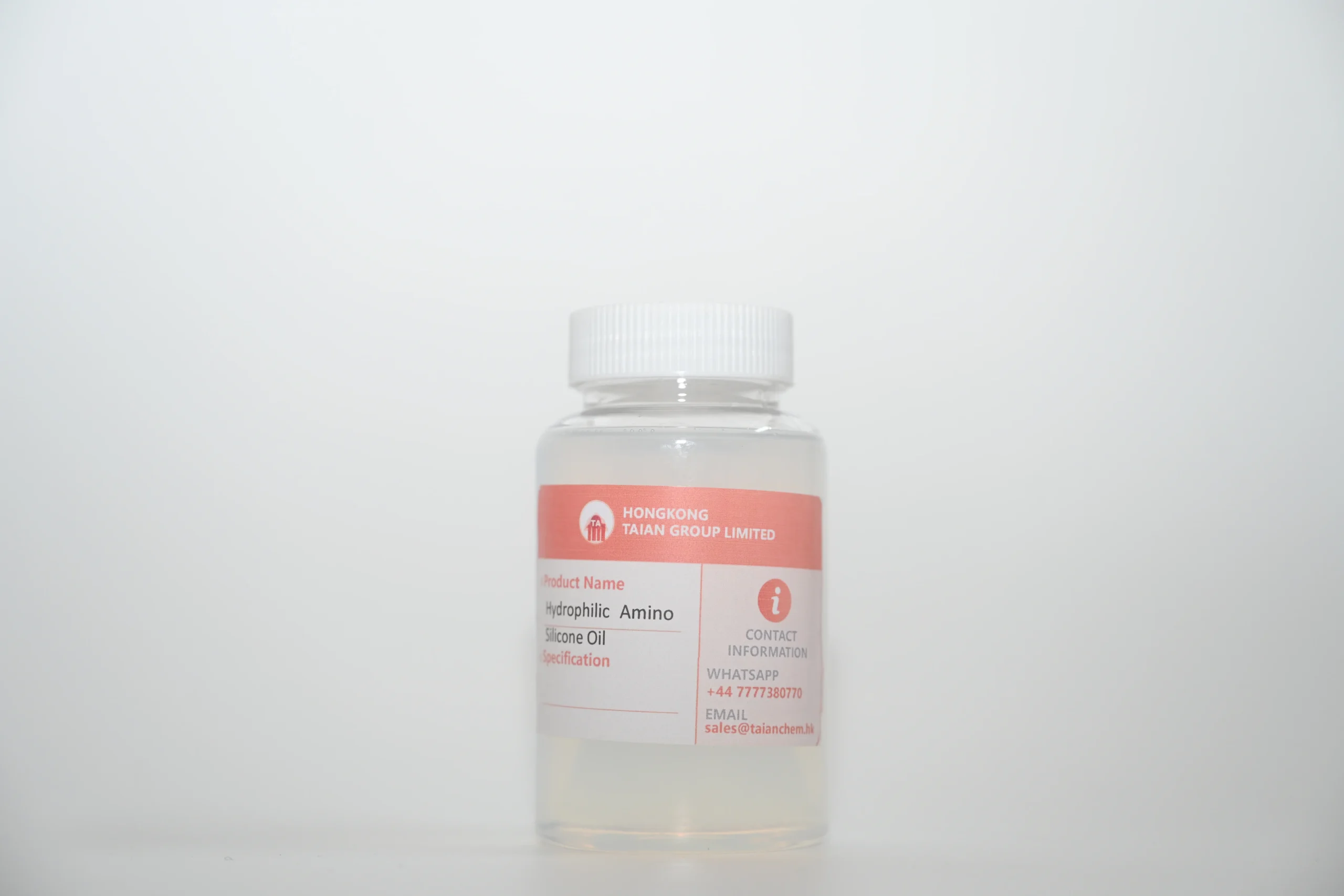
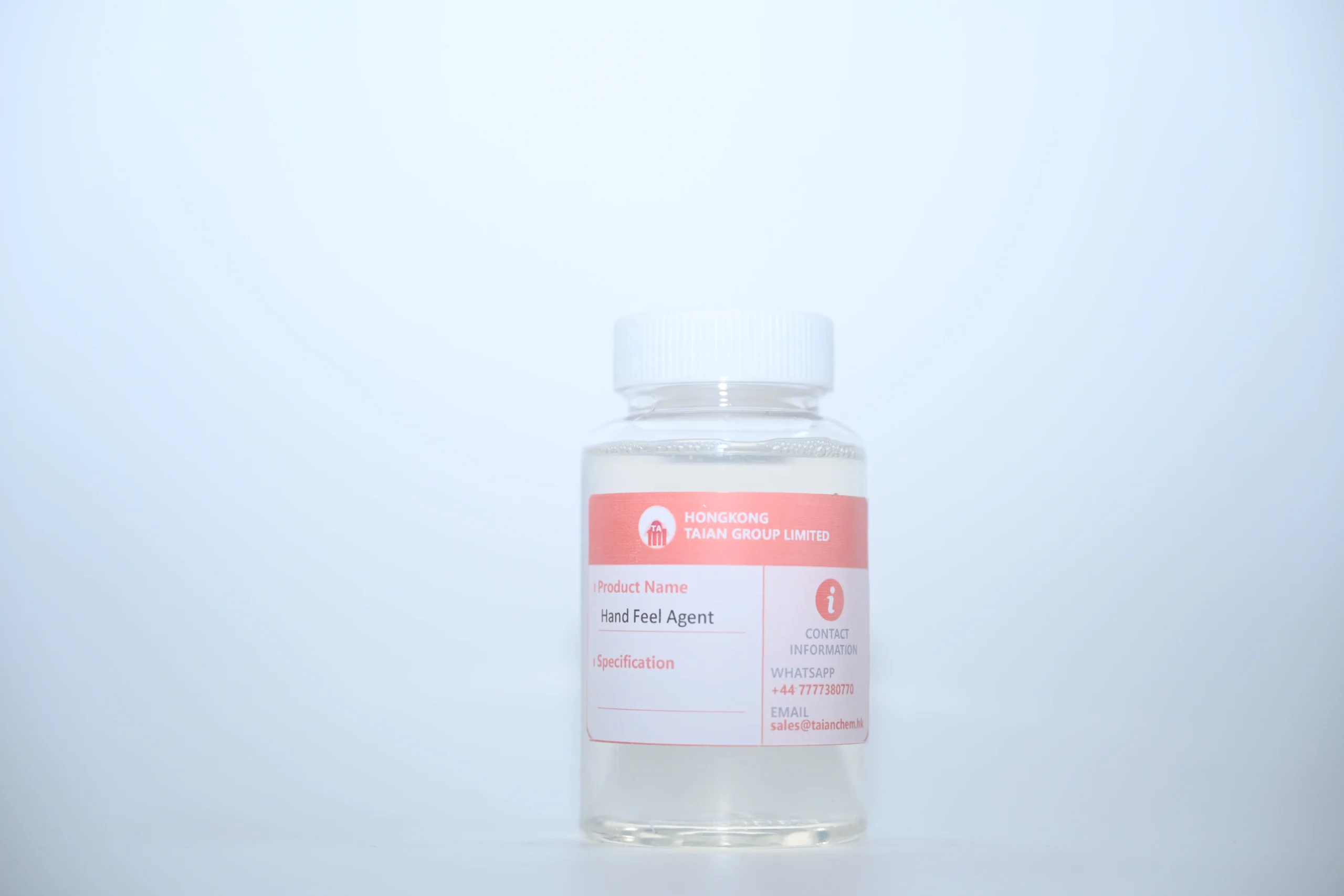
Advanced dye auxiliaries Solutions for Mali Textile Industry

Empowering Malian textile manufacturers with high-performance chemical agents to enhance fabric quality and color consistency in West Africa.

Advanced dye auxiliaries Solutions for Mali Textile Industry

Our specialized chemical range is engineered to meet the rigorous demands of textile processing in Mali, ensuring optimal absorption and durability for traditional and modern fabrics.

The State of Textile Chemical Application in Mali

Analyzing the intersection of environmental challenges and industrial needs in the Malian textile sector.

In Mali, the textile industry is deeply rooted in the production of cotton-based fabrics. However, the arid climate and fluctuating water quality in regions like Bamako pose significant challenges for the efficiency of textile auxiliaries chemicals, often leading to uneven dye uptake if not properly managed.

Many local workshops still rely on traditional dyeing methods, where the use of a high-quality penetrating agent is critical to overcome the natural wax layers of raw cotton, ensuring that colors penetrate deeply and resist fading under the intense Sahelian sun.

Currently, there is a growing shift toward industrialization. The demand for consistent sulfur black is increasing as the market moves toward standardized black garments, requiring a more stable supply of specialized chemicals to maintain global export quality.
Evolution and Technical Trajectory of Dyeing Chemicals

From manual artisan techniques to precision chemical engineering.

Market Development History

Historically, Mali's textile coloring relied on organic plant extracts and rudimentary minerals. From the 1960s to the 1990s, the industry transitioned toward basic synthetic dyes, but lacked the precision of supporting chemicals, often resulting in low color fastness.

By the early 2000s, the introduction of standardized oxidizing agent reducing agent systems allowed for more complex dyeing processes, enabling the industry to handle a wider variety of synthetic blends alongside pure cotton.

In the last decade, the focus has shifted toward "Precision Auxiliaries." The integration of customized surfactants has reduced water consumption, a critical move given the water scarcity issues prevalent in the Mali region.

Future Development Trends

Eco-Friendly Fixation

Moving toward biodegradable auxiliaries that reduce the chemical oxygen demand (COD) in wastewater, aligning with global environmental standards.

Water-Saving Penetration

Development of ultra-concentrated agents that work effectively in low-liquor ratios to conserve precious water resources in West Africa.

Automated Dosing Systems

Transitioning from manual mixing to automated chemical delivery to ensure the exact ratio of reducing agents, minimizing waste and cost.

Industry Outlook and Future Projections

Strategic forecast for the textile chemical sector in the African market.

Green Chemistry Transition
Increased adoption of non-toxic, APEO-free agents to meet European export requirements.
High-Yield Coloration
Optimization of dye exhaustion rates to reduce the amount of chemicals needed per kg of fabric.
Digital Supply Chains
Implementing IoT-based tracking for chemical shipments to avoid production downtime in Mali.
Thermal Stability
Developing chemicals that remain stable at high ambient temperatures during storage and transport.

Industry Outlook

Based on search trends for industrial chemical imports in West Africa, we anticipate a 15% increase in demand for specialized textile auxiliaries. This is driven by Mali's strategic goal to move up the value chain from raw cotton export to finished textile production.

The future will be dominated by "Lean Processing," where the synergy between reducing agents and penetrating agents is optimized to lower the carbon footprint of every single garment produced in the region.

Localized Application Scenarios in Mali

Practical implementations of our chemical solutions for Malian textile needs.

01. Traditional Bogolan Fabric Modernization

Applying high-efficiency penetrating agents to traditional mud-cloth (Bogolan) processes to ensure that modern dyes bond more strongly to the cotton fibers without losing the authentic texture.

02. Industrial Sulfur Dyeing for Workwear

Utilizing a precise balance of sulfur black and reducing agents for the production of durable industrial uniforms in Bamako's manufacturing hubs.

03. High-Temperature Pre-treatment

Implementing specialized scouring auxiliaries that operate effectively at the specific temperature profiles of local Malian dyeing vats to remove natural impurities.

04. Export-Grade Cotton Bedding

Using premium dye auxiliaries to achieve the strict color uniformity and fastness required for exporting Malian cotton textiles to international markets.

05. Water-Scarce Dyeing Cycles

Developing a "reduced-wash" cycle using high-performance oxidizing agent reducing agent combinations to minimize the rinsing phases in water-stressed areas.

Brand Story

Global Development History of Shijiazhuang Taikun Chemicals Co., Ltd.

Foundation and Focus

Established with a vision to bridge the gap between complex chemical engineering and practical textile application, focusing on high-purity auxiliaries.

Technical Innovation

Invested heavily in R&D to develop specialized agents that solve the common problem of uneven dyeing in natural cotton fibers.

Global Expansion

Expanded our reach into the African market, recognizing the unique climatic and industrial needs of countries like Mali.

Sustainability Commitment

Launched a line of eco-friendly auxiliaries designed to reduce water pollution in the textile hubs of developing nations.

Industry Leadership

Now recognized as a leading provider of integrated dyeing solutions, empowering millions of meters of fabric worldwide.

Complete Product Portfolio for Mali Textile Industry

A comprehensive range of chemicals designed for the West African textile ecosystem.

Common Questions for the Mali Textile Market

Expert answers to technical challenges faced by local manufacturers.

How to improve the absorption of sulfur black on raw cotton in Mali?

The key is utilizing a high-performance penetrating agent during the pre-treatment phase to remove natural waxes and impurities, allowing the dye to penetrate the fiber core uniformly.

What is the best oxidizing agent reducing agent ratio for high-temperature dyeing?

The ratio depends on the fabric weight and dye concentration, but using a stabilized reducing agent ensures the dye remains soluble and prevents precipitation in the vat.

Can your textile auxiliaries chemicals handle hard water common in Bamako?

Yes, our auxiliaries include sequestering agents that neutralize calcium and magnesium ions, preventing them from interfering with the dye-fiber bond.

How do dye auxiliaries affect the color fastness of cotton fabrics?

Proper auxiliaries ensure the dye molecules are fully fixed into the fiber, significantly increasing wash fastness and resistance to sunlight degradation.

What is the storage life of sulfur black in tropical climates like Mali?

When stored in cool, dry conditions away from direct sunlight, our high-purity sulfur black maintains stability for up to 24 months.

Are there eco-friendly alternatives to traditional penetrating agents?

We provide a range of biodegradable, phosphate-free penetrating agents that maintain high efficiency while reducing the environmental impact on local water bodies.

Ready to Optimize Your Production?

Contact our technical team today for customized chemical solutions tailored to the specific textile needs of Mali.

Contact Us Now

If you are interested in our products, you can choose to leave your information here, and we will be in touch with you shortly.