Advanced dye auxiliaries Solutions for Gabon Textile Industry

Optimizing fabric processing and dyeing efficiency with high-performance chemical agents tailored for the Central African climate.

Advanced dye auxiliaries Solutions for Gabon Textile Industry

Providing Gabon's textile manufacturers with cutting-edge chemical tools to enhance color fastness and material durability.

The Current Landscape of Textile Chemistry in Gabon

Analyzing the intersection of industrial demand and environmental factors in the Gabonese textile sector.

The textile industry in Gabon operates within a unique tropical rainforest climate characterized by high humidity and precipitation. This environment significantly impacts the stability of textile auxiliaries chemicals, necessitating agents that can withstand moisture and prevent microbial degradation during storage and application.

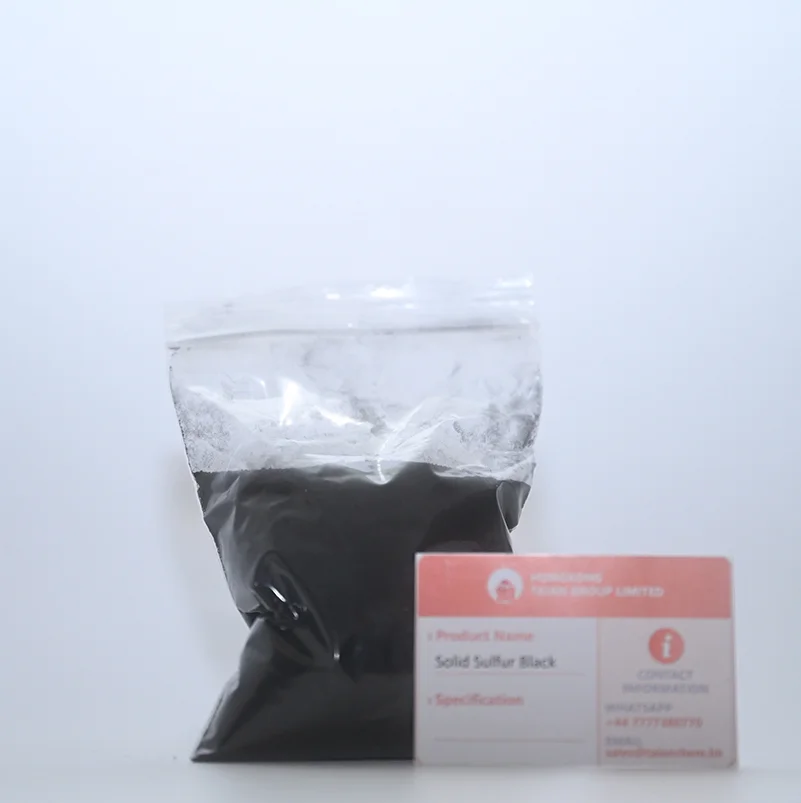
Local manufacturers predominantly focus on specialty fabrics and traditional garments, where the use of sulfur black remains critical for achieving deep, durable shades. However, the reliance on imported chemicals often leads to supply chain volatility, pushing the market toward more efficient, concentrated formulations.

Moreover, the increasing awareness of environmental preservation in the Ogooué river basin is driving a shift toward eco-friendly penetrating agent solutions that reduce water pollution and lower the chemical oxygen demand (COD) in industrial wastewater.
Evolution and Trajectory of Gabonese Textile Auxiliaries

From basic dyeing methods to precision chemical engineering.

Market Development History

In the early 2000s, the Gabonese market relied on rudimentary dyeing processes with basic salts and soaps, resulting in inconsistent quality and high water consumption.

Between 2010 and 2020, the introduction of standardized oxidizing agent reducing agent pairs allowed for more precise control over the reduction-oxidation cycles, significantly improving the vibrancy of vat and sulfur dyes.

Since 2021, the industry has pivoted toward "smart chemistry," integrating specialized surfactants and stabilizers to optimize the absorption rate of dyes in high-humidity conditions.

Future Development Trends

Biodegradable Chemical Integration

Shift toward plant-based auxiliaries to align with Gabon's green economy initiatives and reduce the ecological footprint of dyeing plants.

Digital Dosing Precision

Implementation of automated dosing systems to minimize the waste of expensive chemicals and ensure batch-to-batch consistency.

High-Temperature Stability

Development of chemicals specifically engineered to maintain efficacy despite the extreme ambient temperatures of Central Africa.

Future Trends and Strategic Outlook

Predicting the technological shifts in specialty textile chemicals for the next 5 years.

Eco-Efficient Processing
Transitioning to low-temperature auxiliaries to reduce energy consumption in Gabonese factories.
Nanotechnology Application
Using nano-emulsions to increase the penetration depth of dyes in heavy cotton fabrics.
Water-Saving Agents
Developing high-concentration auxiliaries that require 30% less rinse water.
Smart Color Stabilizers
Integrating pH-responsive stabilizers to prevent color bleeding in humid environments.

Industry Outlook

Based on Google search trends for "sustainable textile chemicals" in the African region, we anticipate a surge in demand for ZDHC-compliant auxiliaries. Gabon's manufacturers will likely move toward a "Circular Chemistry" model where chemicals are recovered and reused.

The integration of high-efficiency oxidizing agent reducing agent systems will be the catalyst for Gabon to move from simple garment assembly to high-value textile finishing, increasing their export competitiveness.

Localized Application Scenarios in Gabon

Practical deployments of textile chemicals across Gabon's diverse fabric needs.

01. Deep-Shade Denim Production in Libreville

Applying a combination of high-purity sulfur black and optimized reducing agents to achieve consistent deep blacks in heavy-duty denim for the local urban market.

02. High-Humidity Cotton Processing

Using specialized penetrating agent formulations to ensure uniform dye uptake in raw cotton fabrics, preventing blotchiness caused by Gabon's ambient moisture.

03. Traditional Wax Print Finishing

Implementing precision dye auxiliaries to lock in vibrant colors for traditional wax prints, ensuring high wash-fastness against tropical sweat and humidity.

04. Industrial Uniform Dyeing

Deploying heavy-duty textile auxiliaries chemicals for the mining and oil sector uniforms in Port-Gentil to ensure resistance to chemical splashes and UV degradation.

05. Eco-Friendly Silk Blends

Utilizing mild oxidizing agent reducing agent sequences for delicate silk-cotton blends, maintaining fabric luster while achieving deep saturation.

Brand Story

Global Development History of Shijiazhuang Taikun Chemical Co., Ltd.

Foundational Excellence

Established as a specialist in sulfur-based chemistry, we began by solving the core problem of unstable dye fixation in industrial textiles.

Technological Breakthrough

Developed a proprietary synthesis method for high-concentration auxiliaries, reducing shipping costs for our international partners in Africa.

Global Market Expansion

Successfully entered the Gabonese market by tailoring our chemical formulations to withstand tropical climate challenges.

Sustainability Pivot

Invested in R&D for biodegradable agents to help our global clients meet the strictest environmental regulations.

Future Vision

Striving to be the world's leading provider of precision textile chemistry, empowering local industries with global quality.

Comprehensive Product Portfolio for Gabon

A full spectrum of chemicals designed for maximum efficiency and color brilliance.

Gabon Textile Chemical FAQ

Expert answers to common technical challenges in the local industry.

How to prevent sulfur black precipitation in high humidity?

Use a stabilized dispersing agent and ensure the reducing agent is added at a controlled rate to maintain the dye in a soluble leuco form despite ambient moisture.

Which penetrating agent works best for heavy cotton in Gabon?

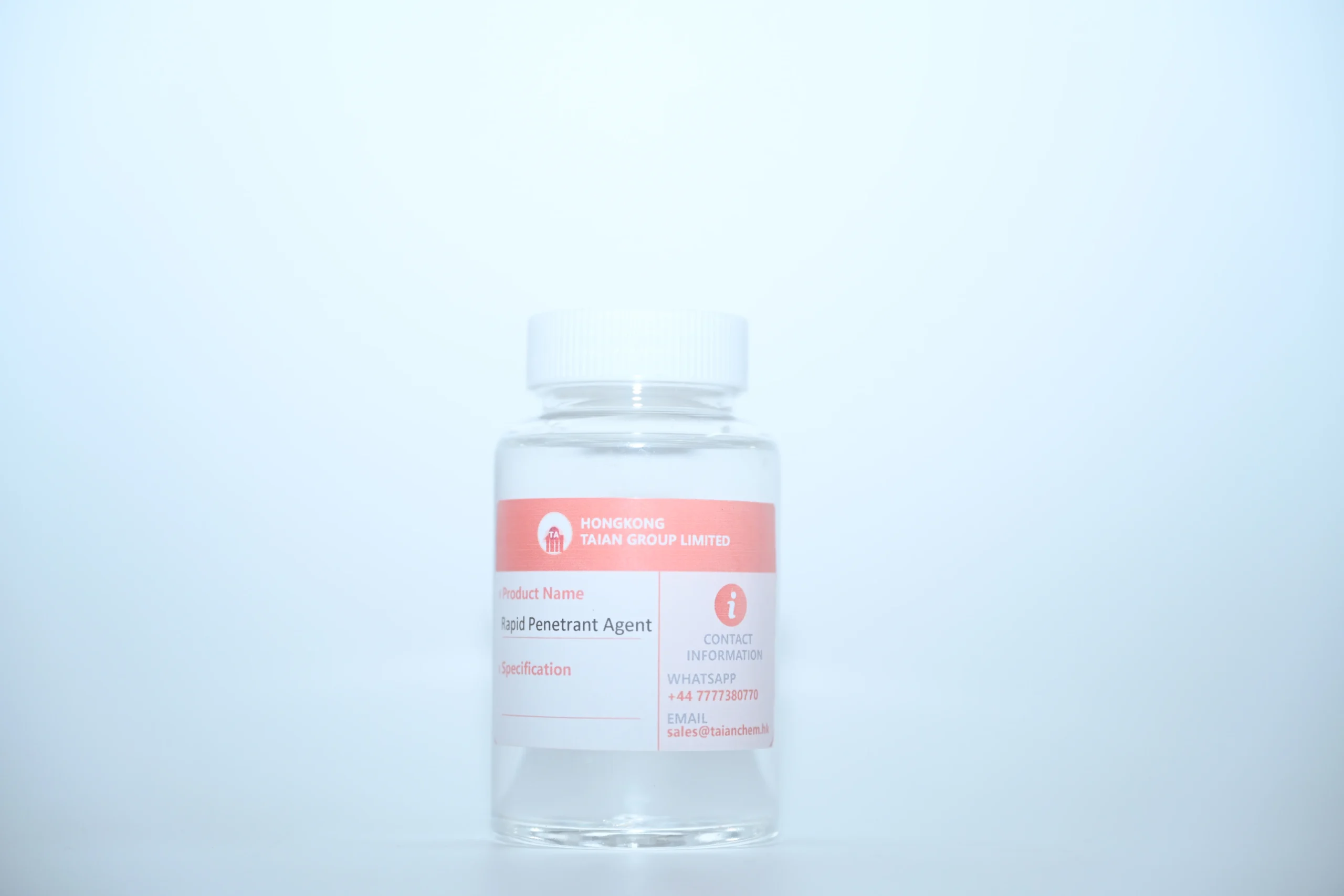
We recommend a non-ionic surfactant-based penetrating agent that lowers surface tension rapidly, allowing dyes to enter dense fibers even in humid conditions.

What is the ideal ratio for oxidizing agent reducing agent sequences?

The ratio depends on the dye load, but generally, a 1:3 reduction-to-oxidation cycle is used for sulfur dyes to ensure complete fixation and removal of unfixed dye.

Can dye auxiliaries improve the wash-fastness of wax prints?

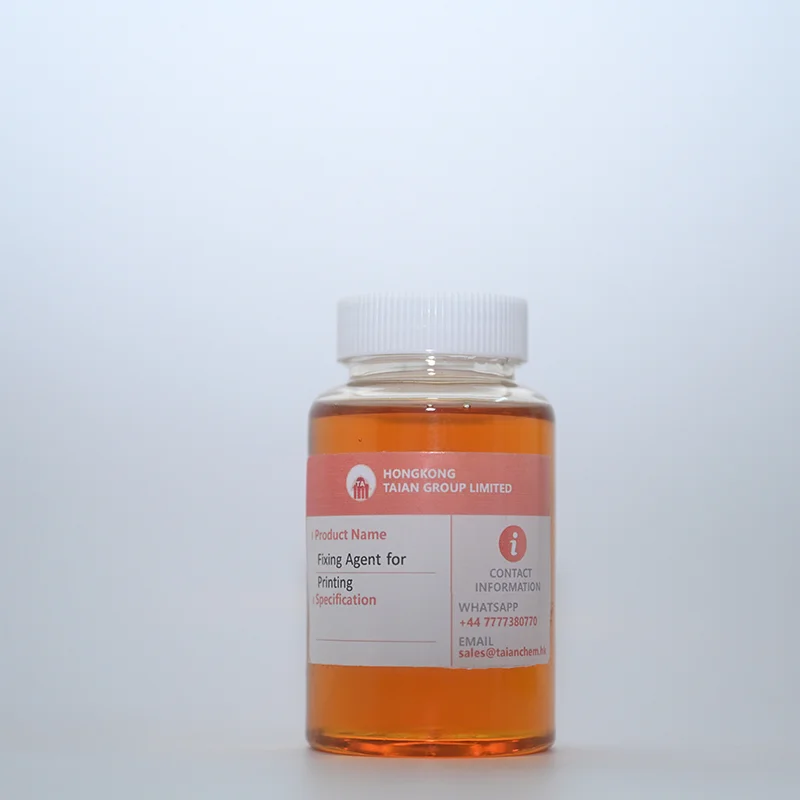
Yes, utilizing specialized fixing agents as part of your dye auxiliaries suite can create a chemical bridge between the dye and fiber, significantly increasing fastness.

Are these textile auxiliaries chemicals compliant with environmental laws in Gabon?

Our products are designed to meet international eco-standards, helping Gabonese factories reduce their toxicity levels and comply with local environmental mandates.

How to store concentrated sulfur black in tropical climates?

Store in a cool, dry, and well-ventilated warehouse. Use moisture-proof packaging and keep the containers sealed to prevent oxidation from the humid air.

Get Expert Chemical Consultation

Ready to optimize your textile production in Gabon? Our engineers are here to provide tailored chemical solutions for your specific fabric needs.

Contact Us Now

If you are interested in our products, you can choose to leave your information here, and we will be in touch with you shortly.